Quick Summary: In 2026, New York cracked down on illegal puppy sales, especially targeting Brooklyn stores like Puppy Boutique, which sold puppies after the retail ban took effect in 2024. Buyers are advised to ask detailed questions about a puppy’s source, health records, and breeder before purchasing, as many stores may still try to sell puppies illegally. The law now favors adopting from shelters or buying directly from responsible breeders, with increased transparency and scrutiny. The case against Brooklyn stores highlights the importance of verifying a puppy’s origin to avoid supporting puppy mills and illegal sales.
New York changed the puppy market again on July 1, 2026. Attorney General Letitia James sued Brooklyn’s Puppy Boutique in Bensonhurst, saying the store kept advertising and selling hundreds of puppies after New York’s retail pet-sale ban took effect in December 2024. The complaint says the shop used social media, several websites, and even responded to an undercover buyer inquiry, despite earlier warnings from state and city regulators.
That matters if you are searching for puppies for sale near me. This crackdown affects where families can legally buy a dog. It also highlights a bigger risk – buying from a storefront that ignores the law can leave you with a sick puppy, surprise vet costs, and few good options after the sale.
This guide breaks down the Brooklyn case, explains the Puppy Mill Pipeline Act, and shows what to check when comparing pet stores, rescues, and responsible breeders in New York and beyond.
What the Attorney General Says Happened in Brooklyn
The New York Attorney General says Quality Canines Inc., operating as Puppy Boutique, kept selling puppies from a Brooklyn location after New York’s retail pet sale ban took effect. In the state’s 2026 press release, the office said the store illegally advertised and sold hundreds of puppies and sourced them from puppy mills.
The court filing says the business worked from a building at 8002 17th Avenue / 1690 80th Street and used a long list of brand names online. Those names allegedly included Puppy Boutique, Puppy Petite, Maxies Babies, Maxine’s Puppies, NYC Maltese, NYC Morkies, NYC Pomeranian, NYC Poodles, NYC Shih Tzu, and NYC Yorkies. The state claims that setup helped keep sales moving through websites, social accounts, and direct messages instead of a simple single-store model.
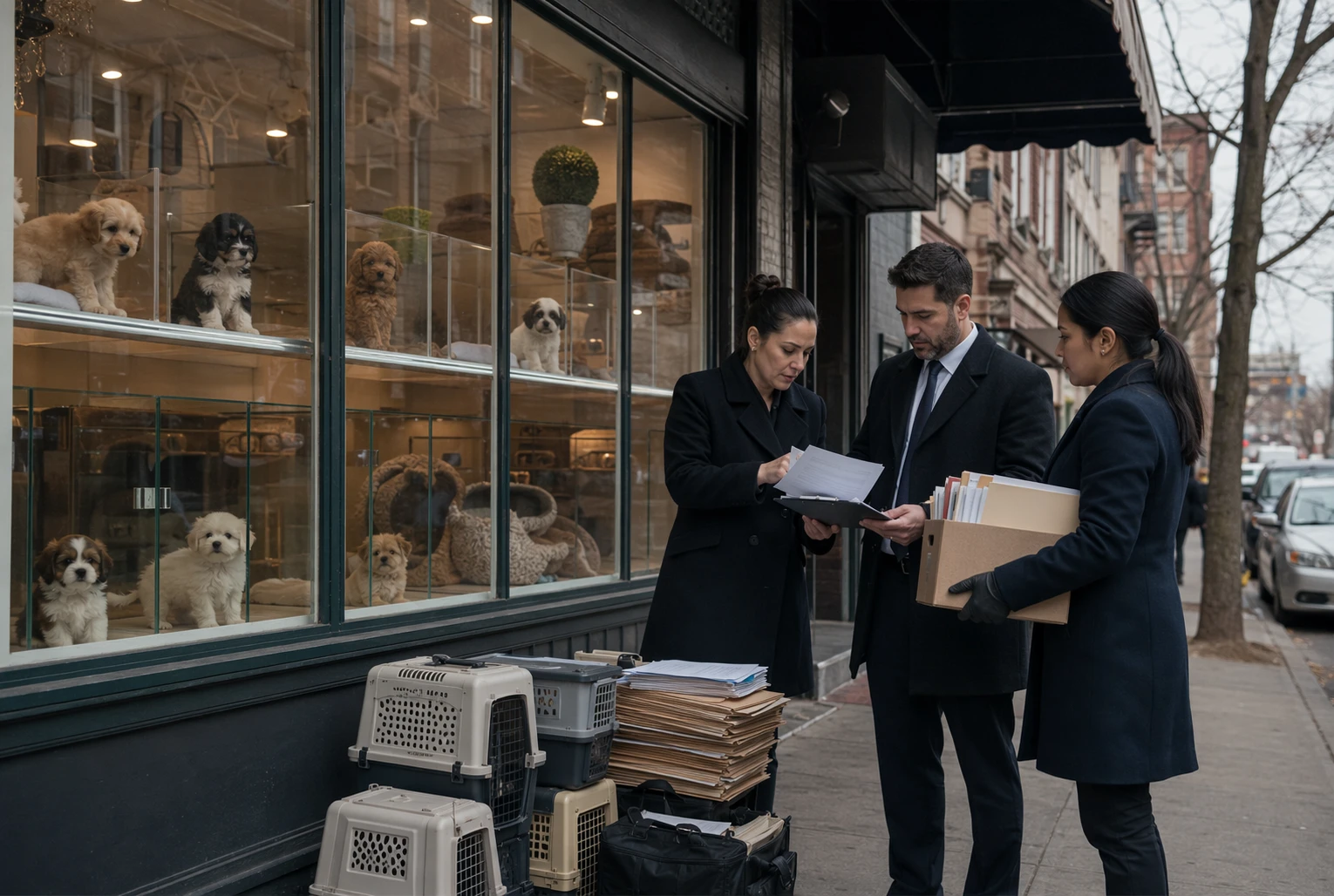
The big issue for buyers is not just the storefront. It is the claim that one seller may have used many names and channels, which can make it harder for families to spot patterns.
According to the verified petition filed by the state, agencies warned the store before and after the law changed:
- February 2024 – Agriculture and Markets sent notice that the ban would start in December 2024.
- January 2025 – The Attorney General’s office sent a cease-and-desist letter.
- June 2025 – NYC Health sent another cease-and-desist order.
The state says sales still continued. Investigators also say the store tried to frame the setup as dog adoptions through a new nonprofit, but that group was not registered with the state and allegedly got dogs straight from breeders.
- In an undercover contact, a buyer asked about a Maltese puppy
- A store representative allegedly gave pricing, photos, and store hours
- The investigator was told the puppy could go home the same day
Why New York’s Puppy Mill Pipeline Act Matters Now
The law matters now because it is no longer a debate. It is active. As of December 15, 2024, New York pet stores cannot sell, lease, or transfer ownership of dogs, cats, or rabbits, according to the New York Attorney General’s office. That hits the old pet-store pipeline directly, including stores that relied on out-of-state commercial breeders.
For Brooklyn families, the change affects where you shop and how you verify a puppy’s source. It also affects pet stores that used to offer puppies in-store. They can still work with shelters and rescue groups, but only for adoptions, not retail sales.
- Covered by the ban:
- Retail sales of dogs, cats, and rabbits in pet shops
- Leasing, bartering, auctioning, or other ownership transfers
- Still allowed:
- Adoptions through qualified rescues and shelters
- Direct sales from licensed, responsible breeders
- Reasonable rental fees for rescue adoption space in stores
If a store still presents puppies like retail inventory, buyers should slow down and ask exactly who owns the puppy and who bred it.

Lawmakers say the ban was needed because pet-store animals often came through large commercial breeding networks tied to poor care, weak socialization, and hidden health problems. The ASPCA says the law was designed to stop that retail pipeline while leaving room for responsible breeders who sell directly to families and for shelter adoption under the New York Puppy Mill Pipeline Law.
That matters for buyers because the legal shift pushes the market toward more traceable sources:
- Rescues and shelters
- Direct breeder relationships
- More paperwork and health questions before you commit
The real win for families is not just fewer puppy windows. It is a better shot at knowing where a puppy truly came from.
Also Read: Home
What Brooklyn Buyers Should Know Before Shopping for a Puppy
Red flags that deserve a closer look
Brooklyn families need to shop more carefully in 2026. New York’s Puppy Mill Pipeline Act made it illegal for retail pet stores to sell dogs, cats, and rabbits starting December 15, 2024, according to the New York Attorney General’s office. So if a local storefront still seems to be selling puppies, stop and ask hard questions.
Watch for these warning signs:
- Same-day pickup pressure
- No clear breeder name or address
- Only cute photos, no parent details
- Vague vaccine or vet paperwork
- A “rescue” story that feels like a workaround
- Cash-first sales talk before health records
The state’s 2026 lawsuit against a Brooklyn shop alleges undercover staff were told a puppy could go home the same day, and that a claimed nonprofit link was not properly registered, based on the court petition.
If a seller makes it easy to pay but hard to verify health, source, and legal status, walk away.
| Red flag | Why it matters | Safer move |
|---|---|---|
| No source details | You cannot check breeding standards | Ask for breeder identity in writing |
| Fast pickup push | Rush can hide problems | Take 24 hours to review records |
| Missing parent info | Hard to judge health and temperament | Request proof of parent testing |
Questions a careful family should ask first
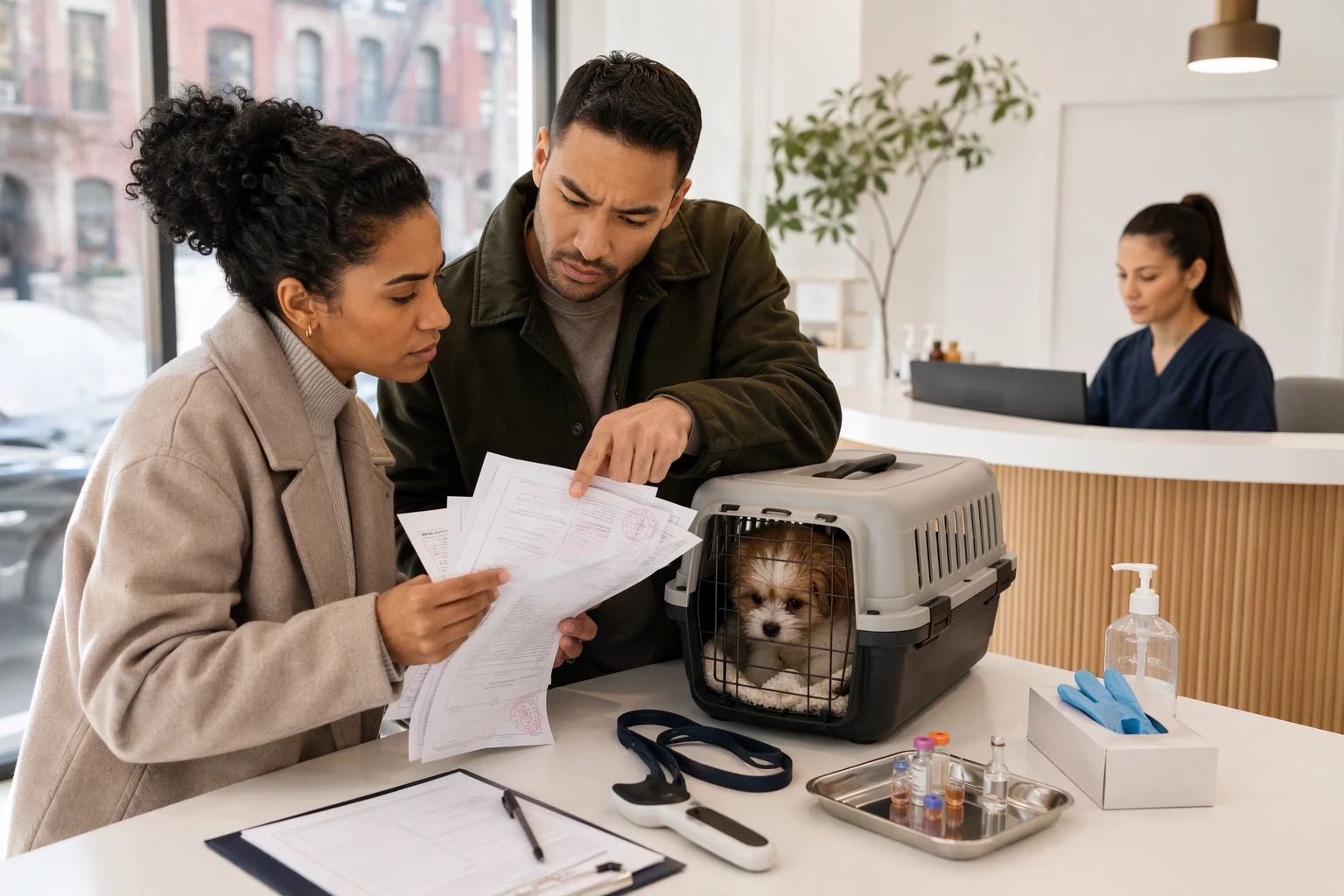
Ask these before you fall in love with a face:
- Who bred this puppy, and where?
- Can I see health testing for the parents?
- What shots, exams, and deworming has the puppy had?
- What is your return or support process if a health issue appears?
- Can I speak with families who bought from you before?
Good sellers answer clearly. Responsible breeders and well-run programs, including boutique options like Sage Puppies, usually expect these questions.
Use this quick check:
- Rescue if you want to adopt and can stay flexible
- Responsible breeder if you want known background and support
- Storefront seller only if the setup is fully legal and transparent
The best puppy match starts with records, not emotion.
Retail Pet Stores vs. Reputable Breeders
What transparency looks like
A retail pet store often shows you the puppy in the window. A reputable breeder shows you the full story. That matters more in New York now, where the state says pet stores cannot sell dogs, cats, or rabbits, and the Attorney General sued a Brooklyn shop in 2026 for allegedly selling hundreds of puppies after the ban took effect in December 2024, according to the New York Attorney General.
A transparent breeder should give you:
- Health testing details for the parents
- Vet and vaccine records for the puppy
- A chance to meet at least the mother
- Clear answers about where and how the litter was raised
- A written contract and return policy
If a seller avoids questions, rushes pickup, or will not show where puppies are raised, treat that as a red flag.
Why source matters for long-term health and temperament
Source affects more than paperwork. It shapes your puppy’s body, stress level, and behavior at home. The ASPCA says responsible breeders raise puppies in a home setting, socialize them early, screen for inherited issues, and sell directly to families rather than through brokers or stores in its breeding criteria.
| Source | Typical buyer access | Long-term impact |
|---|---|---|
| Retail pet store | Limited view of parents and early environment | More unknowns around health and social start |
| Reputable breeder | Direct contact, records, and questions welcomed | Better odds of a stable, well-matched puppy |
For families comparing options, ask these in order:
- Who bred this puppy?
- Can I see parent health testing?
- How was the puppy socialized?
- Who do I call if a problem comes up?
Programs like Sage Puppies fit this direct, family-first model better than a retail storefront.
How Families Can Shop Safely After the Crackdown
New York families need to slow down and verify more. The 2026 Brooklyn case matters because the state says one pet store kept selling puppies even after New York’s retail ban took effect in December 2024, according to the New York Attorney General’s announcement. That makes your pre-reserve checklist simple.
A simple checklist before you reserve
- Ask who bred the puppy and who owns the parents.
- Confirm the seller is not a retail pet store. New York bars pet stores from selling dogs, and NYC311 says animal sales from a residence are also illegal in New York City under city rules: NYC311 pet sale complaint guidance.
- Request recent health records before you send money.
- Ask for proof of age, vaccines, and deworming.
- See where the puppy is raised by video or in person when allowed.
- Read the reservation terms. Look for refunds, pickup timing, and what happens if a vet finds a serious issue.
- Watch for rush tactics like “take home today” or pressure to pay by wire.
If a seller avoids basic questions, move on. Good breeders expect careful buyers.
What to expect from a premium breeder process
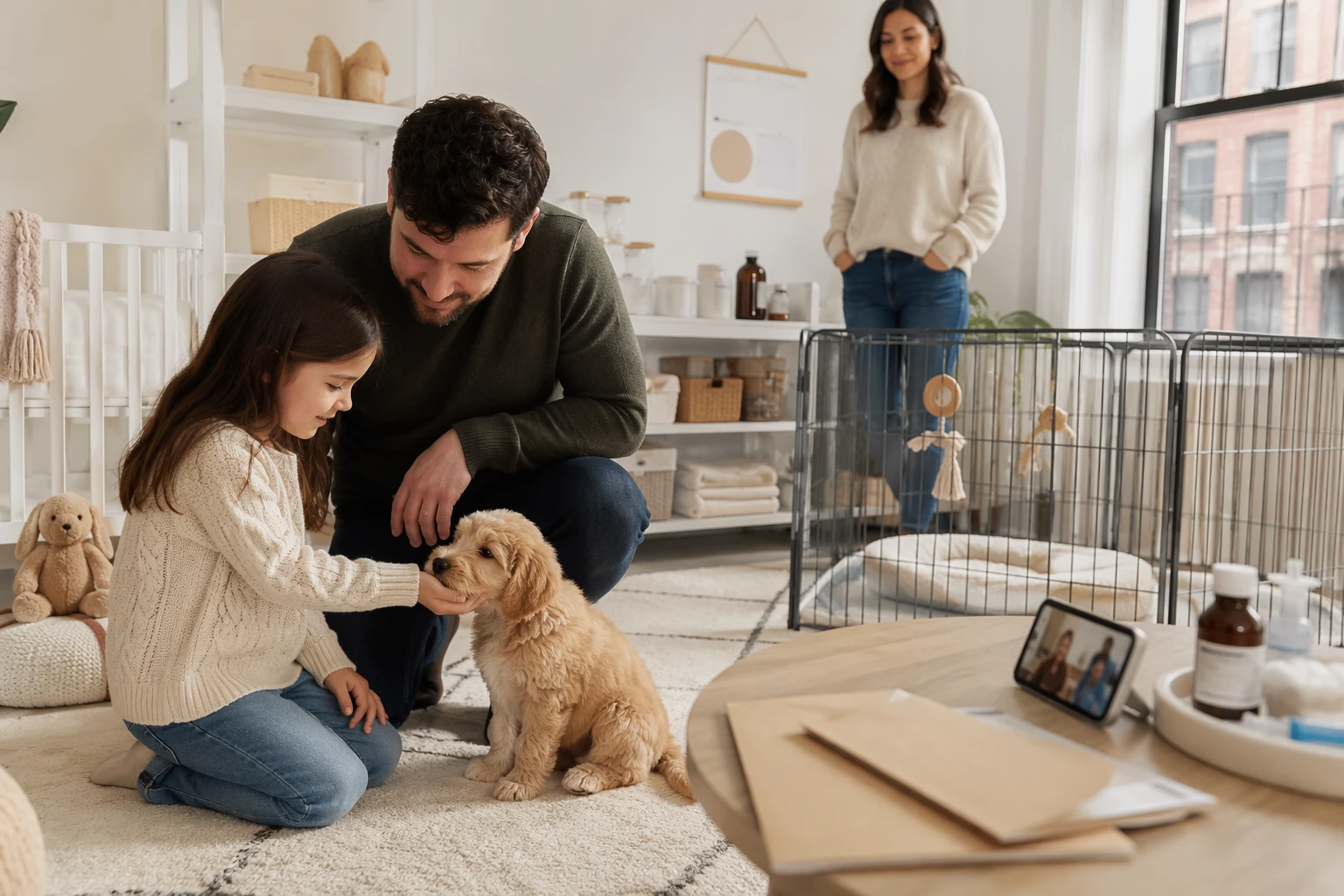
A strong breeder process feels calm, not urgent. You should expect:
- An application or screening call about your home, kids, schedule, and breed fit.
- Clear parent information, including health testing and temperament notes.
- Regular updates with photos, milestones, and pickup or delivery details.
- A written agreement that explains responsibilities on both sides.
| Premium breeder sign | What it tells you |
|---|---|
| Family screening | They care where puppies go |
| Health transparency | They are not hiding problems |
| Home-raised setup | Early socialization likely matters |
| Structured pickup plan | Less chaos, better support |
Sage Puppies and other careful home-based programs tend to work this way.
Also Read: Puppies for Sale Near Me: Red Flags to Avoid Scams
What Happens Next in the Brooklyn Case
The relief the state is seeking
New York is not just asking for a warning. The state wants a court order that would stop Puppy Boutique and the related businesses from selling animals right away. In its July 2026 announcement, the Attorney General said it is seeking to immediately halt illegal dog sales under the Puppy Mill Pipeline Act, according to the Attorney General’s press release.
The court filing shows the request is broader than a simple shutdown. The state is asking the judge for:
- A permanent injunction
- Civil penalties
- Disgorgement of money
- Costs and other relief allowed by law
That same verified petition filed in Kings County also says the state wants to block sales made directly, through other business names, or through third parties acting for the respondents.
| Relief sought | What it means for buyers |
|---|---|
| Immediate stop to sales | The store could be barred from offering puppies while the case moves forward |
| Permanent injunction | The business could be blocked from repeating the same conduct long term |
| Civil penalties | The court could order financial punishment for breaking the law |
| Disgorgement and costs | The state may try to recover money and case-related expenses |
For Brooklyn families, the big point is simple: this case could cut off a retail puppy source fast, not years from now.
Buyers should expect hearings, court orders, and possible enforcement steps before any final outcome.
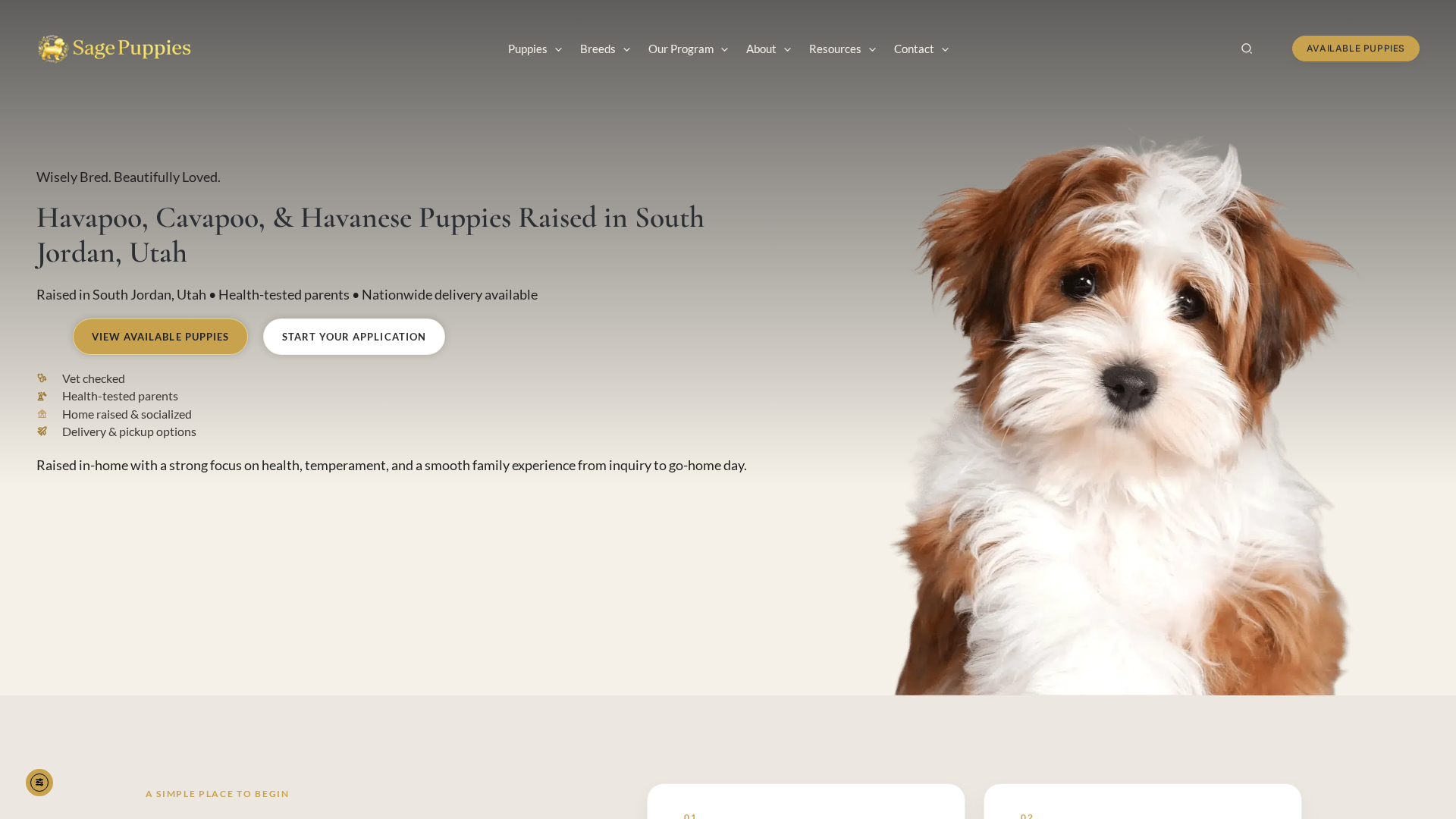
If Brooklyn’s pet store crackdown has you rethinking where to buy a puppy, take the safer path now. Sage Puppies helps families skip the guesswork with health-tested parents, home-raised care, early socialization, and a clear, family-first process. You can review available puppies, learn how pickup or nationwide delivery works, and apply when you’re ready. > A good puppy match starts with transparency, not a retail window.
Frequently Asked Questions
Q1: How will the 2026 Brooklyn puppy sales crackdown affect local pet stores selling puppies?
Brooklyn pet stores will face tighter checks, more paperwork review, and stronger limits on where puppies come from. Some stores may stop selling puppies or shift to rescue placements. Families should expect fewer impulse-buy options and more questions about breeder records and health history.
Q2: What are the key differences between buying puppies from retail stores and reputable breeders like Sage Puppies?
Retail stores often act as middlemen, so buyers may see less about the puppy’s parents, home setup, and early care. Reputable breeders like Sage Puppies usually share health testing, raising practices, socialization details, and clear pickup or delivery steps before you commit.
Q3: How can families find trustworthy breeders near Brooklyn selling healthy puppies?
Start with breeder transparency, not distance alone. Ask for parent health testing, recent puppy photos, vet records, and details about daily raising conditions. Good breeders answer calmly, screen buyers, and explain timing, pricing, and pickup plans without pressure or vague promises.
Q4: Is it safer to adopt from a rescue instead of buying a puppy?
Rescues can be a great fit if you want to help a dog in need and stay flexible on age, breed mix, and history. Buying from a careful breeder may suit families needing predictable size, coat type, and early socialization for young children.
Q5: What warning signs should buyers watch for right now?
Watch for sellers who avoid video calls, rush deposits, hide parent information, or offer several breeds with no clear specialty. > If the story changes around health records, location, or who raised the puppy, walk away and keep shopping.
Conclusion
Brooklyn buyers should read the 2026 crackdown as a clear warning. The old pet store model is under real pressure, and New York is enforcing it. The state says the Puppy Mill Pipeline Act has banned retail pet stores from selling dogs, cats, and rabbits since December 2024, and the attorney general’s 2026 lawsuit claims one Brooklyn shop still sold hundreds of puppies anyway, often with serious consumer risk tied to puppy mill sourcing, according to the New York Attorney General’s announcement.
The biggest takeaway is simple:
- Do not confuse a storefront with safety
- Ask for real health and source records
- Verify whether you are dealing with a rescue, breeder, or illegal retail seller
- Slow down if anyone pushes same-day pickup
A healthy puppy starts with a transparent source, not a fast sale.
For families in Brooklyn and NYC, the safest path is still the one this article laid out: adopt from a legitimate rescue or work with a responsible breeder. New York City also tightened its rules in 2026 to align local enforcement with the sales ban, as shown in the city’s adopted pet shop rule.