Quick Summary: In New York, you can’t buy puppies from retail stores anymore, so your best options are breeders, rescues, or licensed sellers. Always verify seller credentials, ask for health records, and visit in person if possible. Protect yourself by getting a vet check soon after bringing your puppy home, and be aware of your legal rights if health issues arise.
If you’re searching for Puppies For Sale in New York, the real first question is not which litter looks cutest. It’s whether the seller is legal, honest, and clear about where that puppy came from. That shift matters because many buyers still run into scams, weak health records, rushed sales, and sellers who hide key facts.
This guide fixes that problem with a practical path for comparing Puppies For Sale, breeders, rescues, and other legal options for New York Puppies. You’ll learn how state rules affect your choices, what red flags to spot fast, and what papers, health checks, and promises should come before money changes hands.
This is built as a clear Puppy Adoption Guide for first-time buyers and families. It brings New York-specific rules, screening steps, and buyer protections into one place so you can judge Puppies For Sale with confidence.
1. Know What Is Legal to Buy in New York
New York changed the puppy buying process in a big way. You can still legally get a puppy, but retail pet stores can no longer sell dogs, cats, or rabbits under the state’s Puppy Mill Pipeline Act, which took effect December 15, 2024, according to the New York Attorney General.
What New York’s pet-store ban means for buyers
The ban does not mean puppies are illegal in New York. It means you should not buy a puppy from a store in a mall or strip center the way buyers once did. Pet stores may still host rescue adoptions, but they cannot sell puppies as store inventory.
If a New York storefront offers a puppy for direct sale, treat that as a major red flag and walk away.
Your main legal buying options
Your safest legal paths are simple:
- Buy direct from a breeder
- Adopt from a shelter or rescue
- Work with a properly licensed seller when required
New York says breeders who sell more than 25 dogs or cats per year born and raised on their premises must be licensed, while smaller home breeders may be exempt from mandatory licensing under state rules on pet dealers and exemptions. If you are buying from an out-of-state breeder, ask how they handle transport, health records, and sales paperwork before you send money.
Where to verify a seller in New York
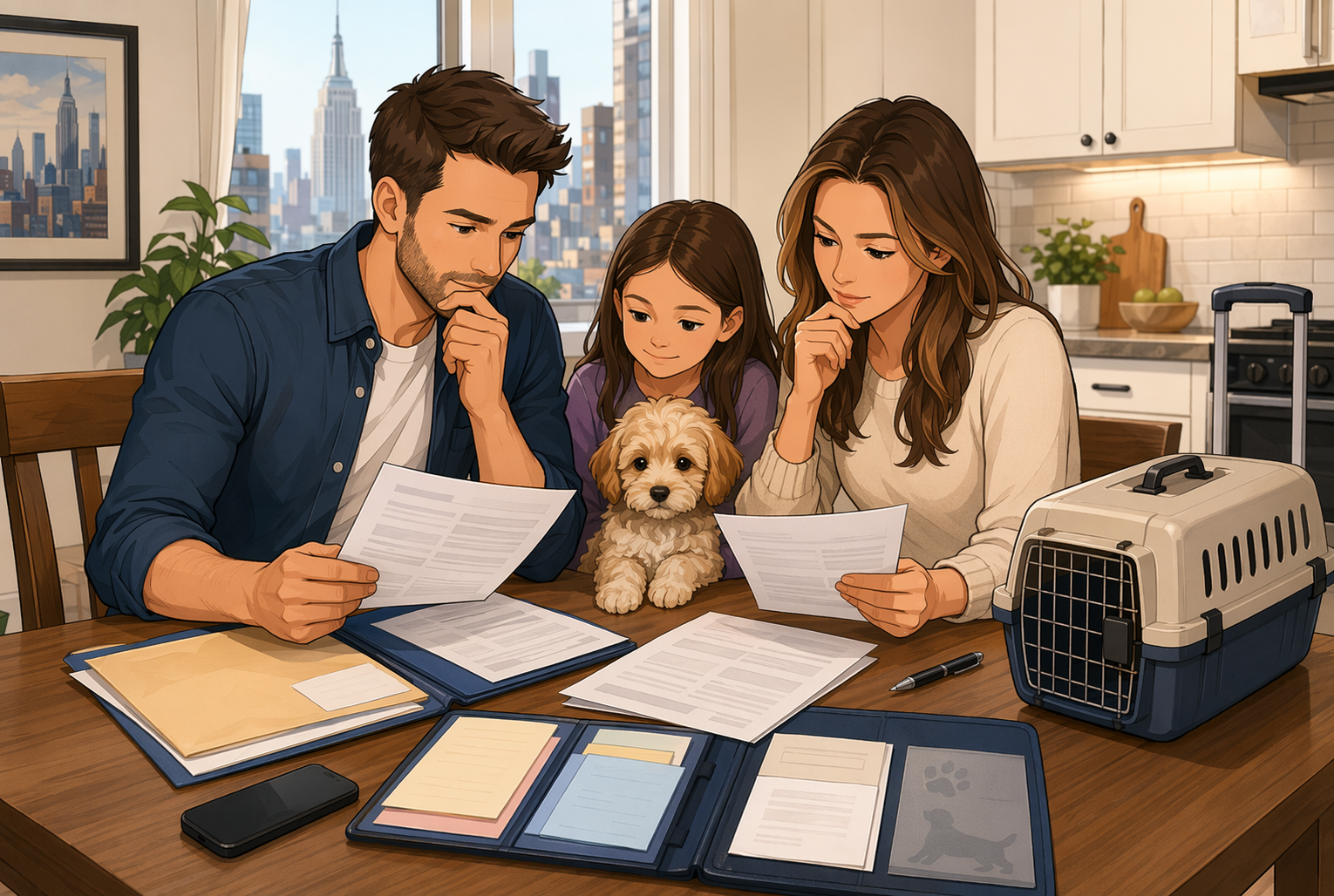
Use a quick check before you commit:
- Ask for the seller’s New York pet dealer license number, if one applies
- Confirm whether the puppy was born and raised by that breeder
- Review health records, vaccine history, and the sales contract
- Search the state’s pet dealer resources and complaint options
A seller who avoids basic paperwork is not a seller you should trust.
Also Read: 12 Small Breed Puppies That Are Perfect For Kids 2026
2. Choose the Right Path: Breeder, Rescue, or Licensed Seller
Pick the path that matches your budget, timeline, and comfort with unknowns. In New York, retail pet stores can no longer sell dogs, cats, or rabbits, so your real paths are breeder, rescue, or a licensed pet dealer selling directly under state rules according to New York Agriculture and Markets.
When a reputable breeder makes sense
A good breeder fits buyers who want a specific breed, size range, coat type, or more family history on health and temperament. This can help first-time owners who need predictability.
Look for breeders who:
- show health testing for the parents
- allow live video or in-person visits
- share vet records and a clear contract
- ask you questions too
If you want a small, home-raised program, this is where brands like Sage Puppies may fit better than high-volume listings.
When rescue or shelter adoption is the better fit
Choose rescue if you care more about match than pedigree. Many shelters and breed-specific rescues have puppies, young dogs, and foster-based behavior notes.
Rescue often works best for:
- flexible buyers on breed or color
- families open to mixed breeds
- people who want lower upfront cost
- adopters willing to wait for the right dog
Ask how the dog acts with kids, cats, noise, and crate time before you commit.
When to be cautious with online marketplaces
Use extra care with listing sites and social media ads. The FTC warns that pet scammers often use stolen photos, push fast payment, and refuse calls or visits in its pet scam alert.
Red flags include:
- price far below market
- payment by gift card, wire, or crypto
- no live video of the exact puppy
- rushed shipping story
- no address, no vet proof, no contract
Also Read: Latest News on Puppies For Sale Near Me in the US
3. How to Spot a Reputable Breeder in New York
A good breeder acts like a breed expert, not a puppy seller. In New York, that matters even more because state rules cover licensing, inspections, records, and buyer disclosures for many higher-volume sellers under the New York State Pet Dealer License Program.
Look for breed expertise, not lots of breeds
Start with focus. A reputable breeder usually works with one breed or a very small number of related breeds. That focus helps them understand health risks, temperament, grooming, and what type of home fits each puppy.
Ask:
- How long have you worked with this breed?
- Why did you choose this pairing?
- What health issues are common in this breed?
- What adult size, energy level, and coat care should I expect?
If someone always has many breeds, many litters, and “ready now” puppies, slow down.
Ask for health testing and vet records
Do not settle for “the puppies are healthy.” Ask for proof. The American Kennel Club says responsible breeders should share breed-specific health testing, not just a basic vet check, and should be open about the parents’ history and screening records in the AKC breeder checklist.
Ask to see:
- Parent health test results
- Puppy exam records
- Vaccine and deworming dates
- Any genetic screening tied to the breed
- The name of the vet who handled the litter
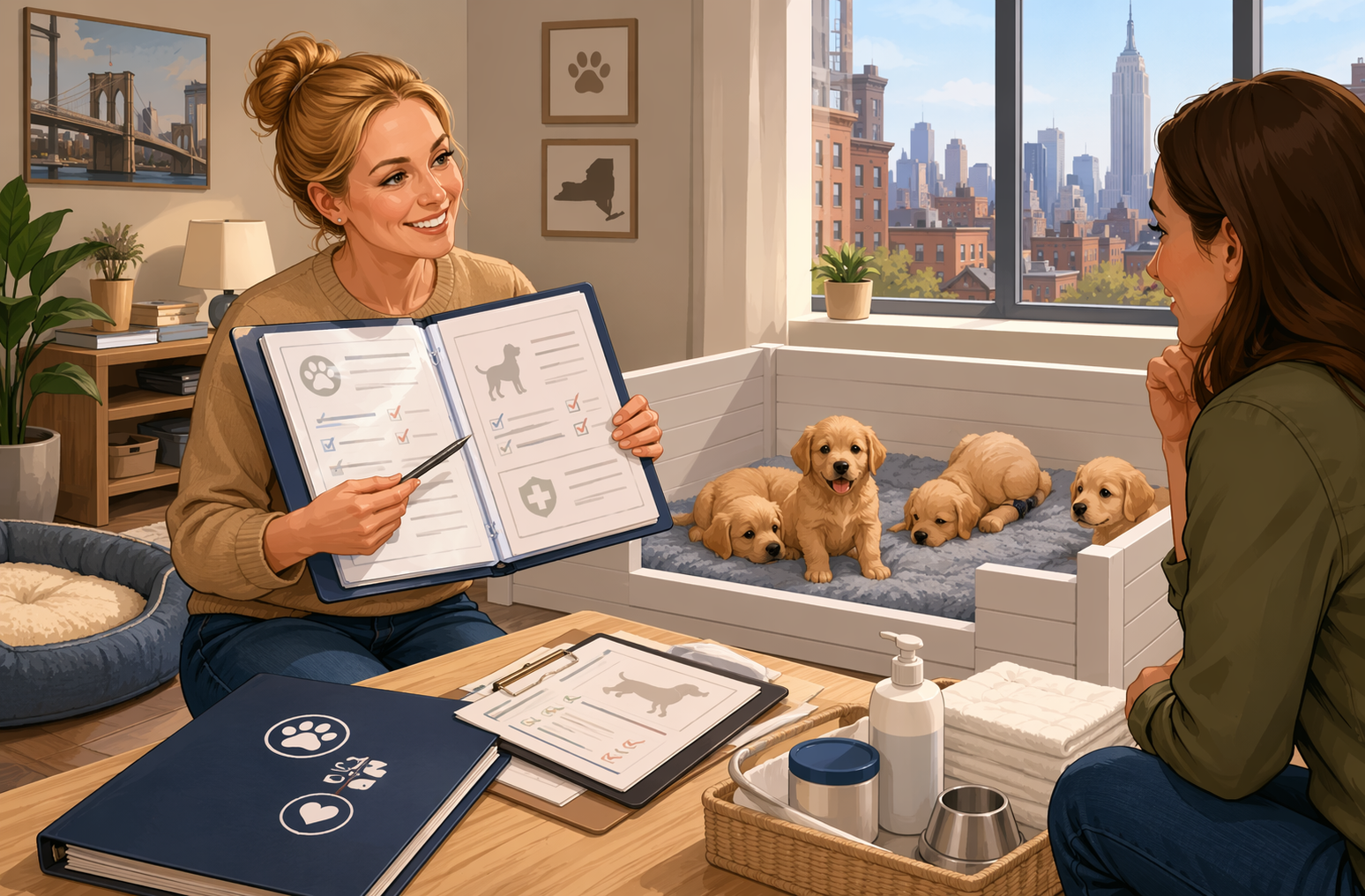
A vet visit is not the same as full health testing. You want both.
Inspect the environment and socialization plan
Visit in person when you can. The space should smell clean, look safe, and feel calm. Puppies should seem curious, bright, and used to normal household sounds.
Check for:
- Clean bedding, food, and water
- Enough room to move
- Access to people, not just cages
- A clear plan for handling, play, and early training
Ask how often the puppies are handled and what new sights and sounds they meet each week.
Review the contract, support policy, and references
A solid breeder gives you a written contract and expects questions. Read every line before you pay.
Look for:
- A health guarantee
- A return policy
- Spay-neuter or breeding terms
- Clear pickup and refund terms
- Past buyer or vet references
The best breeders stay in touch after pickup. That kind of support is a green flag.
Also Read: Top 9 Small Breed Puppies for Sale Near You in 2026
4. How to Verify Online Listings and Avoid Puppy Scams
Online puppy ads can be real, but fake listings are common. Check the seller first, not just the puppy photo.
Start with the listing itself:
- Run a reverse image search on every puppy photo
- Ask for a live video call, not just clips
- Request the seller’s full name, phone number, and street address
- Search that name plus “scam,” “review,” or “complaint”
The FTC warns that scammers often steal cute photos, post fake ads, and ask for upfront payment before disappearing FTC pet scam warning.
If the seller avoids live contact, sends recycled photos, or cannot show the puppy with the dam, walk away.
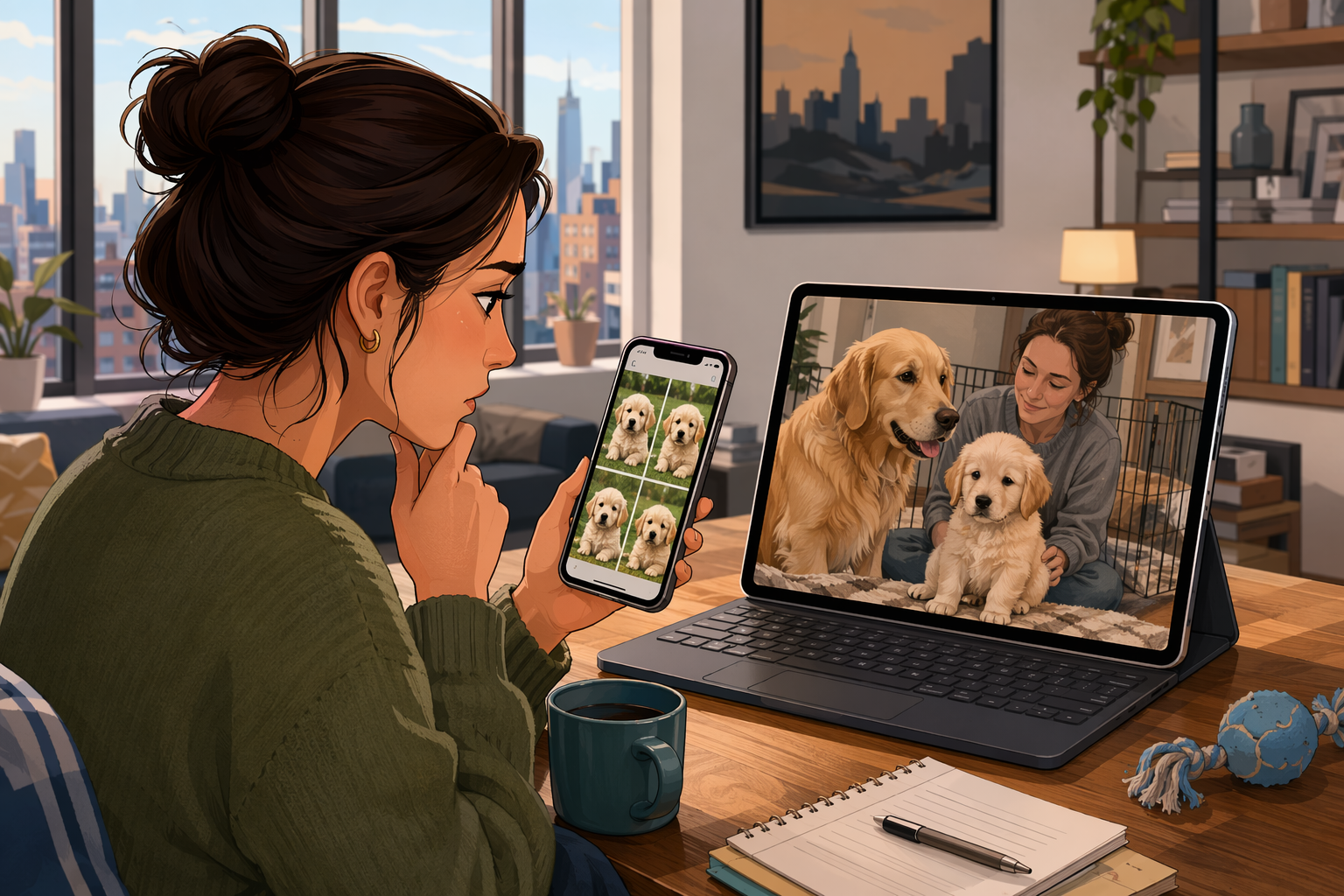
Pressure is a big red flag. Scam sellers push you to “reserve now,” claim other families are waiting, or add surprise fees for crates, shipping, insurance, or airport release.
Watch for risky payment demands:
- Gift cards
- Wire transfers
- Crypto
- Cash apps sent as friends and family
If a seller says you must pay fast or lose the puppy, slow down. Real breeders screen buyers too.
Use proof that is hard to fake:
- Vaccination and vet records
- Parent health testing
- References from past buyers
- A video showing the puppy, litter, home, and seller in one take
- An in-person visit when possible
In New York, you can also verify whether a higher-volume seller is a licensed pet dealer through the New York pet dealer database. A good seller should not resist basic proof.
| Check | What you want to see | Red flag |
|---|---|---|
| Photos | Unique, recent, consistent | Stock or repeated images |
| Video | Live call with puppy and space | Pre-recorded clips only |
| Identity | Real name, phone, address | Vague or changing details |
| Payment | Clear contract, traceable method | Wire, gift card, crypto |
New York buyers should know two more warning signs:
- Retail pet stores in New York cannot sell dogs, cats, and rabbits as of December 15, 2024
- Sellers offering illegal pet leases or hiding breeder details deserve extra caution
If the story changes, the fee list grows, or proof never arrives, stop the deal.
5. What Health and Safety Checks to Do Before You Bring a Puppy Home
Start with the basics. You want proof of the puppy’s age, recent care, and current health before money changes hands.
Confirm age, vaccination, and deworming status
- Ask for the puppy’s date of birth and treatment dates in writing.
- Check which shots were given, which are still due, and whether deworming was repeated on schedule.
- In New York, rabies is generally required by 4 months of age, and dogs entering New York from another state usually need a health certificate issued within 30 days, according to New York Agriculture and Markets.
If the seller cannot match the puppy, the paperwork, and the treatment timeline, stop there.
Review the puppy’s exam and source documents
- Ask for a recent vet exam record, vaccine record, deworming log, and any test results.
- Confirm the seller’s full name, address, and where the puppy was raised.
- If the puppy is coming from outside the U.S., check import rules closely. The CDC says dogs entering the U.S. must meet health and age rules, and some need added rabies documents and microchip records, per CDC dog import guidance.
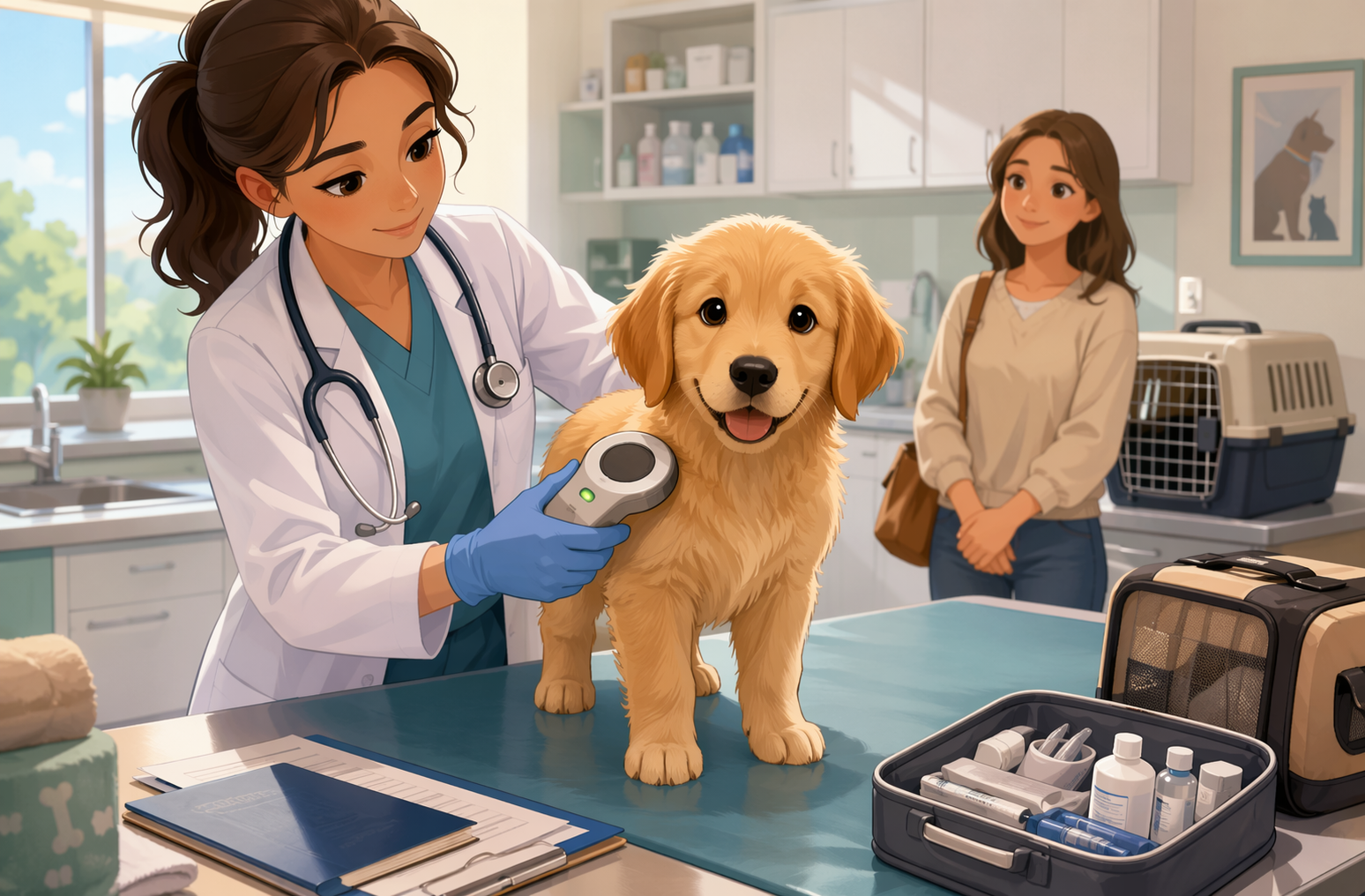
Book the first vet appointment before pickup
- Schedule a visit for 24 to 72 hours after pickup.
- Ask the clinic what to bring – stool sample, records, food details, and meds.
- Use that first visit to confirm weight, hydration, parasite risk, vaccine timing, and any breathing, skin, or stool issues.
A good seller welcomes an outside vet check. A bad one tries to delay it.
Prepare a safe first-week home setup
- Set up a crate, playpen, bowls, chew toys, cleaner, and baby gates.
- Remove cords, toxic plants, small kids’ toys, and loose meds.
- Keep the first week calm, with short routines for sleep, potty breaks, food, and bonding.
Also Read: Home
6. Understand Your Rights if the Puppy Is Sick After Purchase
How the puppy lemon law works in plain English
New York gives buyers real protection if a puppy turns out to be sick soon after sale. Under New York General Business Law Section 753, you may have rights if your vet says the puppy was unfit for purchase within 14 business days for illness or contagious disease symptoms, or within 180 calendar days for a congenital problem that harms health.
The clock matters. Fast action protects your options.
This law applies to sales covered by the state pet dealer rules, and sellers should give you written notice of these rights at purchase.
What remedies may be available
If your vet gives the needed written certification, you may be able to choose from these remedies:
- Return the puppy for a full refund
- Return the puppy for a similar-value replacement
- Keep the puppy and seek vet-cost reimbursement
The law says reimbursement for treatment can be capped at the puppy’s purchase price. It also says the seller generally must pay required refund or reimbursement within 10 business days after getting the signed vet certification, according to Cornell’s summary of the notice of rights.
What to do immediately if you suspect a problem
Move fast and keep records.
- Book a visit with your own licensed vet
- Ask for a written diagnosis and certification if the puppy may be unfit for sale
- Notify the seller right away in writing
- Save your contract, receipts, messages, and medical records
- File a complaint with the New York Attorney General if needed
Do not rely on phone calls alone. Email creates a paper trail.
Also Read: 7 Best Small Breed Puppies for Apartment Living in 2026
7. Final Buyer Checklist for Finding the Right Puppy in New York
Green lights to proceed
Move forward if the seller answers clearly, shares health records, and lets you review the puppy’s background in writing. In New York, pet dealers must give buyers health, medical, and source details, and the state says pet stores and brokers cannot sell dogs, cats, or rabbits as of December 15, 2024 under the New York Agriculture and Markets rules.
- Clear contract
- Vaccines and vet records
- Honest answers about parents and origin
A good seller does not rush you.
Reasons to walk away
Leave if the seller avoids basic questions, refuses paperwork, pushes same-day payment, or offers to meet in a random parking lot. Walk away if the puppy looks sick, scared, or very young.
- No written records
- No vet contact
- Price changes at the last minute
If something feels off, trust that feeling.
Your next steps after choosing a seller
Book a vet visit right away and save every receipt, text, and document. New York law gives buyers rights if a vet certifies a puppy as unfit within set time limits, including 14 business days for illness and 180 days for some congenital issues under the state sale of animal law.
- Confirm pickup or delivery terms.
- Get the signed records before payment clears.
- Schedule supplies, training, and your first vet exam.

Still comparing breeders, paperwork, and delivery options? Sage Puppies gives New York families a simpler path with health-tested parents, early socialization, transparent adoption steps, and nationwide delivery. If you want a well-started Havanese, Havapoo, or Cavapoo, visit the site, review available puppies, and ask questions before you commit.
Frequently Asked Questions
Q1: What should I look for when choosing a reputable breeder in New York for puppies?
Pick a breeder who shows health testing, lets you meet the puppy’s living space, answers questions clearly, and uses a written contract. Good breeders ask about your home too. Avoid sellers who rush payment, dodge vet records, or offer many breeds at once.
Q2: How can I ensure the health and safety of puppies for sale in New York?
Ask for vaccine records, deworming history, a recent vet exam, and details on the parents’ health screening. Watch the puppy’s behavior. Bright eyes, clean ears, steady movement, and friendly energy matter. If anything feels off, walk away.
Q3: What are the best online platforms to buy puppies locally in New York?
Use breeder sites with clear health details and support, not vague listing pages. Compare programs like Sage Puppies, Happytail Puppies, and Blue Star Pups by transparency, health testing, contract terms, and delivery options. The best platform is the one that shows proof.
Q4: Are puppy sales legal in New York pet stores?
New York sharply limits pet store puppy sales, so many buyers now work directly with breeders or rescues. That gives you more control, but you still need to verify records, identity, and transport details before sending any money.
Q5: Should I choose a breeder, rescue, or adoption program?
Choose based on your goals. A breeder may fit if you want known size, coat, and background. A rescue may fit if you want to help a dog in need. Either way, screen the source with the same care.
Conclusion
Finding the right puppy in New York comes down to buying legally, checking the seller carefully, and protecting yourself on paper. Since December 15, 2024, New York retail pet stores and brokers can no longer sell dogs, cats, or rabbits, so most buyers should focus on rescues or breeders that fit state rules, according to New York Agriculture and Markets.
The smart path is simple:
- verify how the puppy is being sold
- ask for health and source records
- get a vet exam fast
- keep every receipt and message
New York buyers also have rights if a vet finds the animal unfit after sale, and the state provides a formal pet lemon law complaint process.
A careful start gives you a better shot at a healthy dog and fewer costly surprises.