Quick Summary: Finding a trustworthy puppy seller in Maryland is about verifying breeder legitimacy, checking health records, and avoiding scams. Local breeders are safest, especially if they show the puppy’s environment and records in person. Be cautious of red flags like low prices, vague details, or pressure to pay upfront, and prefer direct contact or live video proof before making deposits.
If you are comparing Maryland puppies for sale across local ads, breeder sites, and delivery offers, the real challenge is not finding a puppy. It is figuring out who you can trust. Some listings look polished but hide weak health practices, vague pickup terms, or scam red flags.
This guide helps you sort safe options from risky ones. You will learn how to check breeders, review online listings, compare pickup versus delivery, and spot signs that a seller is not legitimate. We also cover what careful families should ask before putting down a deposit.
We focus on trust first, not pressure. If you are searching Maryland puppies for sale, this guide gives you a calm, practical way to judge Maryland puppies for sale with more confidence and less guesswork.
1. Start with the right kind of Maryland seller
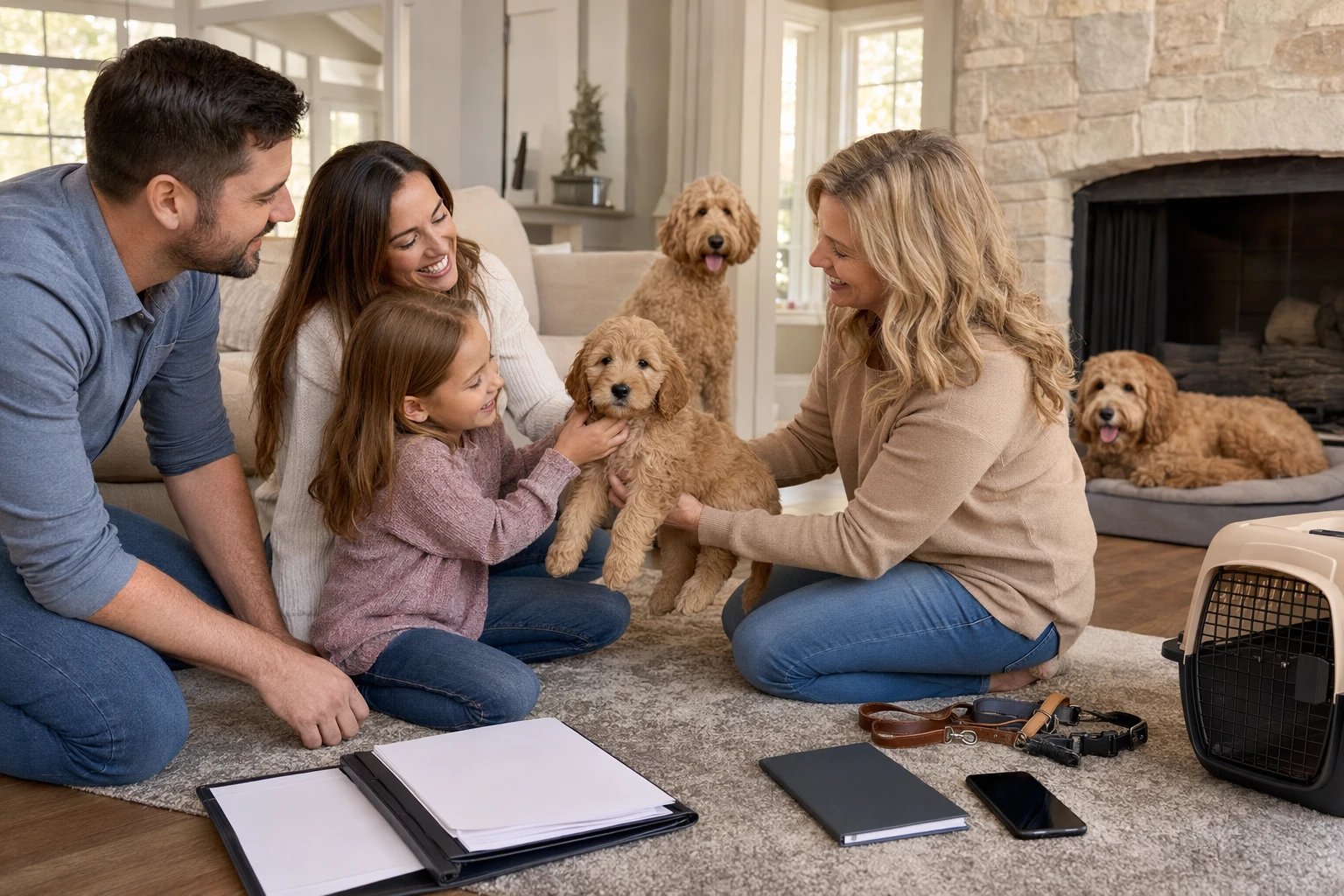
Start with a direct breeder, not a middleman. In Maryland, that is usually the safest and simplest path. State law bars retail pet stores and brokers from selling dogs, while a breeder selling puppies born at that location is treated differently under Maryland Senate Bill 103. That means your cleanest option is often a breeder who can show you the home, the parent dogs, and the puppy’s records.
A strong breeder listing should give you:
- The puppy’s age, breed, and location
- Clear photos of the actual puppy
- Health and vaccine details
- A real phone number and pickup plan
If the seller avoids showing where the puppy was raised, slow down.
Pet store and broker-style listings need extra care. Maryland’s 2021 law says a retail pet store may not sell or transfer dogs, and the law specifically includes brokers in that ban, according to the state fiscal note summarizing the statute. So if a listing looks like someone is arranging puppies from somewhere else for resale, treat that as a warning sign.
Common clues include:
- Many breeds from one seller
- Vague lines like “ready to ship today”
- No mention of where the litter was born
- Pressure to pay a deposit before a call or visit
You do not need to reject every polished website. You do need proof that the person advertising the puppy is the one who raised it, or is legally placing it.
Before you click contact, scan the listing like a buyer who expects honesty.
| Listing detail | Good sign | Red flag |
|---|---|---|
| Seller identity | Full name, kennel name, location | First name only, no address |
| Puppy photos | Several photos of one puppy | Stock-like photos, many backgrounds |
| Health info | Specific dates and records | “Healthy” with no details |
| Pickup terms | Clear Maryland pickup or delivery steps | Rush payment, unclear handoff |
Also Read: Puppies for Sale Near Me: Red Flags to Avoid Scams
2. Verify the breeder before you reserve a puppy
Before you send a deposit, confirm that the breeder is a real person with a real setup. Ask for three basics first:
- Full name
- Exact city and state
- How the puppy was raised – in the home, kennel, guardian home, or with a broker
Maryland rules around dog sales have changed over time, and the state has put strong limits on retail pet store sales to curb puppy mill sourcing, while breeders selling dogs born at their own location are treated differently under Maryland’s 2021 retail pet store law. That makes seller identity even more important.
If the seller avoids simple answers, stop there.
Use this quick screen:
| What to ask | Good sign | Red flag |
|---|---|---|
| Who are you? | Full legal name | First name only |
| Where is the puppy now? | Specific address or town | “Can meet anywhere” |
| How was the puppy raised? | Clear daily care details | Vague sales talk |
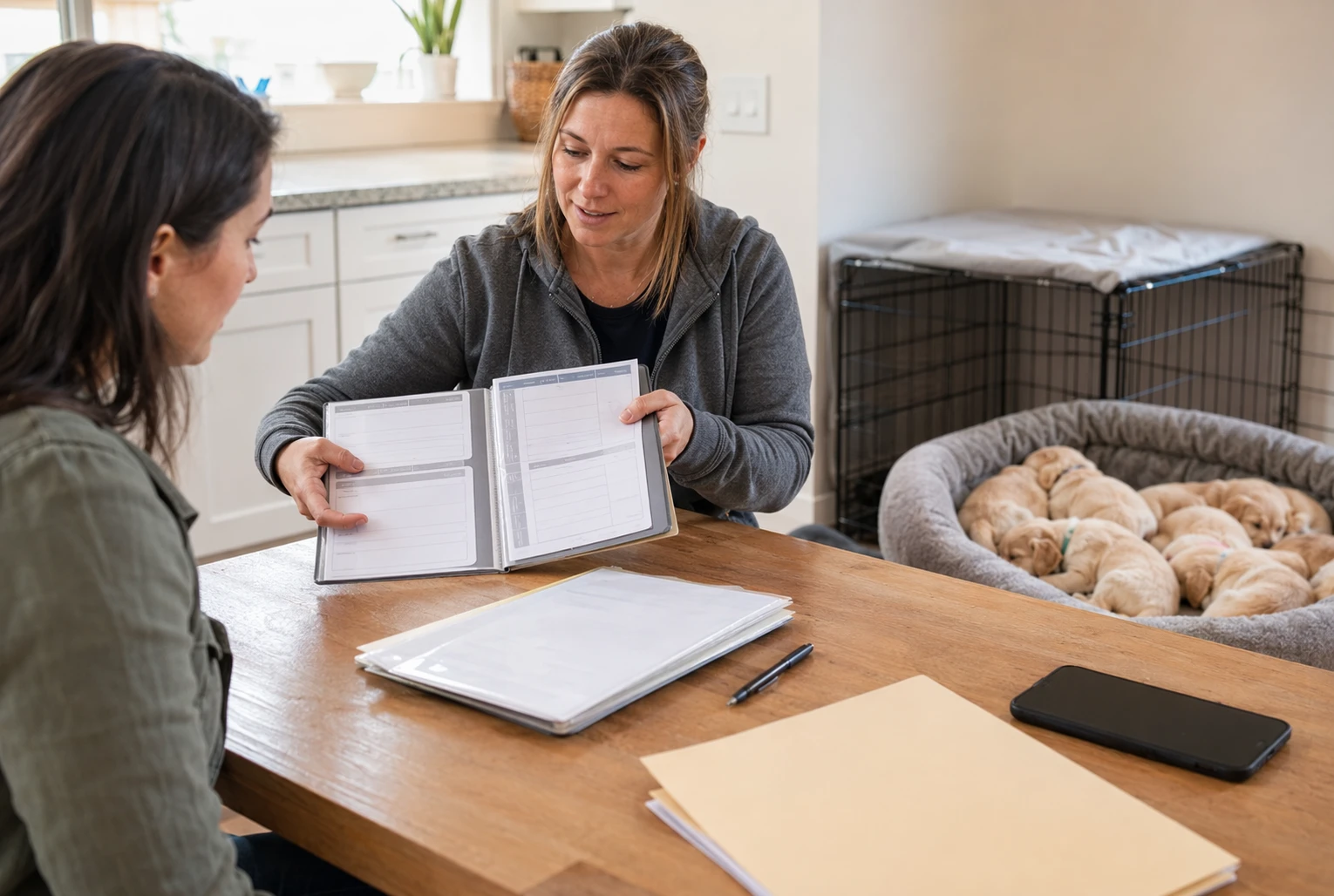
Next, ask for proof tied to the exact puppy, not just the litter. Request:
- A current video of the puppy
- The puppy’s date of birth
- Parent names or IDs
- Vet or vaccine record with matching details
- Microchip number, if already placed
Maryland once required retail pet stores to keep records such as breeder name, facility of birth, medical treatments, and identifying marks, and to make those records available to buyers on request under Maryland retail pet store record rules. Even if you are buying direct from a breeder, use that same standard.
Ask for documents before you reserve, not after you get attached.
Last, review the health plan and contract. You want plain answers on:
- What health guarantee is offered
- When your vet exam must happen
- What happens if your vet finds a serious problem
- Whether deposits are refundable or transferable
- Who handles pickup, flight nanny, or ground delivery
- Whether the breeder stays available after go-home day
A careful breeder will explain this without pressure. That is the standard to look for.
Also Read: 10 Questions to Ask Before Buying a Puppy Locally
3. Spot common puppy sale scams and Maryland red flags
Some scam signs show up before you ever talk to the seller. In Maryland, buyers have also dealt with illegal puppy sales and fake pet listings, so slow down early. The biggest clues are simple:
- Stock-looking photos with different backgrounds or mismatched ages
- Prices far below market
- Instant availability for rare or high-demand puppies
- Big promises like “AKC papers later,” “full health guarantee, no questions,” or “same-day delivery anywhere”
A quick reverse image search can expose reused puppy photos. Maryland has also enforced its retail puppy sales rules against sellers that kept offering dogs after the state ban took effect, according to WTOP’s report on the Maryland puppy mill law settlement.
| Red flag | Why it matters | What to do |
|---|---|---|
| One perfect photo only | Could be stolen image | Ask for live video today |
| Very low price | Baits fast deposits | Compare with local breeders |
| “Ready now” pressure | Pushes impulse payment | Pause 24 hours |
| Vague health claims | Hides missing records | Ask for proof in writing |
Slow down even more when payment gets weird.
- Zelle, Cash App, wire transfer, gift cards, or crypto only is a bad sign
- Deposit first, details later is worse
- New fee after fee often means the scam has started
If a seller refuses a live video call before payment, treat that as a hard stop.
A 2025 case reported by Scripps News showed a Maryland grandmother paid for a puppy, then got hit with added transport charges before the puppy never arrived.
Shipping claims need the same level of doubt. Ask clear questions:
- Who is the actual transporter?
- Is pickup allowed instead?
- Are crate fees, insurance fees, or airport fees already included?
- Can you verify the puppy exists on live video right now?
“Air-conditioned crate” charges, surprise insurance, and urgent airport calls are classic scam moves.
Legit breeders explain delivery up front. They do not invent new fees midstream.
Also Read: Reputable Puppy Breeder Near Me: 9 Signs to Trust
4. Compare pickup, local visit, and delivery before you decide
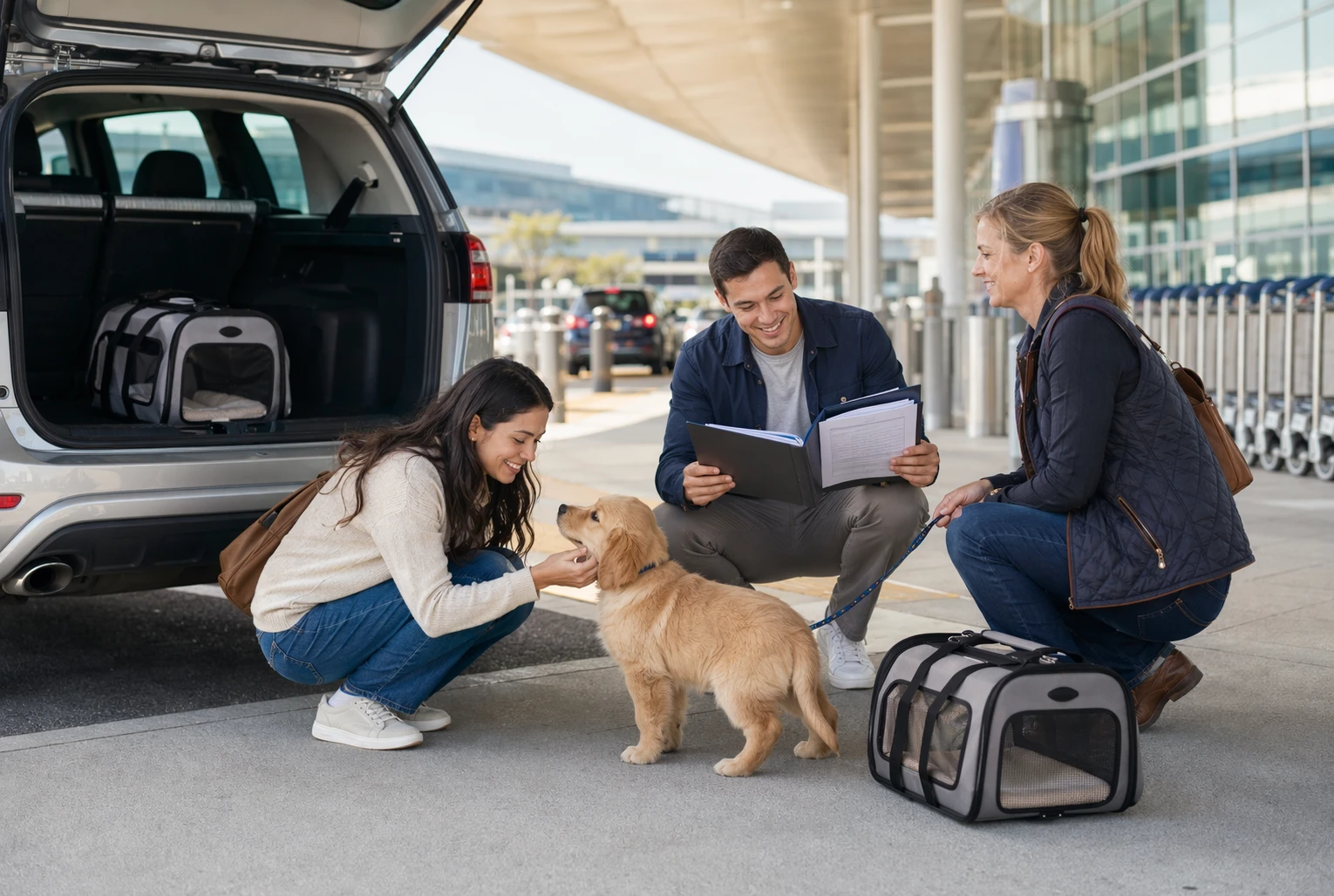
Pickup is usually the safest first choice if you can make the trip. A local visit lets you see the puppy’s space, meet the seller, and notice how the litter acts. That matters. USDA says face-to-face sales are when the buyer, seller, and animal are physically present so the buyer can observe the animal before taking custody, and that standard sits behind the federal retail pet store rule in the Federal Register.
When local pickup is the best fit
Choose local pickup if you want the clearest read on the puppy and breeder.
- You can watch how the puppy moves and responds
- You can confirm records match the puppy in front of you
- You avoid travel stress from a long same-day handoff
- You get a better sense of cleanliness and routine
If a seller pushes delivery fast but resists any live visit, slow down.
When delivery may be reasonable
Delivery can work when distance is real and the breeder is still transparent.
- You already had a live video call with the exact puppy
- You reviewed health paperwork before payment clears
- The breeder explains who handles transport and how
- You know the handoff spot, timing, and support plan
USDA guidance explains that internet or other sight-unseen pet sales can trigger licensing and inspection rules for some sellers, which is one reason transparency matters under APHIS guidance.
Questions to ask before choosing either option
Use this short check before you commit:
| Option | Best for | Main risk | Smart move |
|---|---|---|---|
| Pickup | Nearby families | Rushed decision | Visit, observe, verify |
| Local visit first, later handoff | Careful buyers | Mixed signals | Meet puppy before final payment |
| Delivery | Long-distance families | Sight-unseen issues | Ask for live proof and transport details |
- Have I seen the exact puppy live?
- Who handles the handoff?
- What records arrive with the puppy?
- What happens if the puppy seems unwell on arrival?
Also Read: Puppies for Sale Near Me: How to Find Trusted Local Listings
5. Choose a breeder that fits long-term, not just today
A good breeder is not just selling you a puppy. They are helping you choose the right dog for your home, kids, schedule, and budget. The best ones think past pickup day.
Look for temperament and family fit, not just appearance
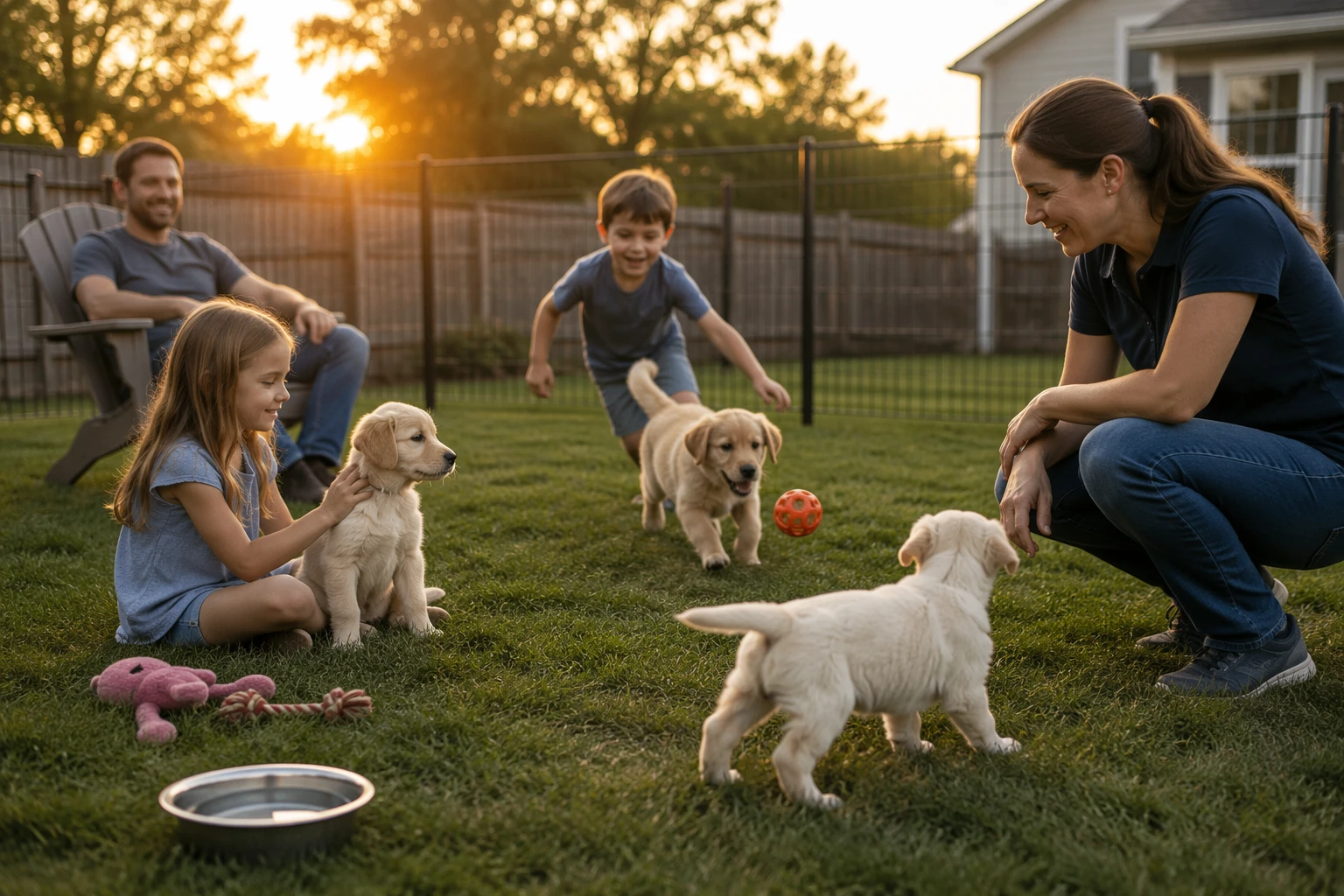
Cute markings fade into the background fast. Daily behavior does not. A responsible breeder should talk with you about energy level, noise, grooming, trainability, and how the puppy handles people. The AKC notes that good breeders help match a puppy’s personality to a family’s lifestyle, not just looks or color (AKC guidance).
Ask questions like:
- Which puppy is more calm or more active?
- How do the parents act with strangers and children?
- Has this puppy been around normal home sounds?
If a breeder only pushes the “prettiest” puppy, slow down.
Expect clear next steps after the deposit
A deposit should lead to a clear process, not silence. You should know what happens next and when. Good breeders explain timing, updates, pickup or delivery plans, and what paperwork you will get.
Use this quick check:
| After deposit | What you should get |
|---|---|
| Timeline | Expected pickup window and key dates |
| Updates | Photos, videos, or progress notes |
| Paperwork | Contract, health record details, payment terms |
| Communication | A real contact method for questions |
The FTC warns buyers to be careful when sellers push upfront payment and rush the deal, especially with hard-to-trace payment methods (FTC pet scam alert).
Look for support after the puppy comes home
The first week brings a lot of questions. Feeding, crate naps, potty breaks, play, and sleep can feel messy. A breeder who stays available matters.
Look for support like:
- Feeding and transition advice
- Early routine tips
- Help with normal adjustment questions
- A plan if the match truly is not right
The right breeder feels like a steady guide, not a one-day transaction.
Also Read: 10 Adorable Havapoo Colors You Need to See (2026 Guide) – Sage Puppies
Common Mistakes to Avoid
-
Do not reserve before confirming who raised the puppy. Ask who bred, housed, and socialized the litter. In Maryland, older retail pet store rules required seller records about breeder source and health history, which shows how important origin details are to a buyer’s decision Maryland retail pet store record rules.
-
Do not treat a fast reply as proof of quality. Scammers answer quickly too. A Maryland victim avoided a bad deal after noticing the seller would only text, pushed upfront payment, and gave a fake address, according to CBS Baltimore’s puppy scam report.
-
Do not ignore your own discomfort. If the story keeps changing, the payment method feels risky, or you feel rushed, stop. Good sellers can handle careful questions. Pressure is a red flag, not a sign to move faster.
Also Read: 10 Signs a California Puppy Listing Is a Scam – Sage Puppies
Frequently Asked Questions
How do I know a Maryland puppy listing is legitimate?
Check the basics first. Ask for the breeder’s full name, address, recent vet records, and a live video call with the exact puppy. In Maryland, puppies under 8 weeks cannot be sold unless limited exceptions apply under Maryland’s puppy sale law.
If the seller avoids live proof, pushes gift cards, or refuses pickup, walk away.
Is local pickup safer than shipping?
Usually, yes. Local pickup lets you meet the seller, see the puppy’s condition, and confirm the address. Shipping can still be safe if the breeder is transparent and follows state travel rules. USDA APHIS notes that interstate pet travel may require health documents and state-specific steps, so review APHIS interstate pet travel guidance before agreeing.
What should I ask before placing a deposit?
Use this short checklist:
- Is the deposit refundable, transferable, or neither?
- What health records come with the puppy?
- Who are the parents, and were they health tested?
- When can I pick up the puppy?
- What happens if the breeder cancels?
Never send a deposit before you verify the puppy is real and available.
Why do some good breeders ask a lot of questions?
Good breeders screen homes because they care where their puppies go. Expect questions about your work schedule, kids, yard, past pets, and training plan. That is a green flag. Ethical programs want a strong match, not a fast sale.
If you want a safer, clearer path than random listings, start with Sage Puppies. Their family-first process, health-tested parents, and clear pickup or nationwide delivery options help Maryland buyers avoid scams, rushed choices, and vague seller claims. View available puppies, review pricing, and apply when you are ready.
Frequently Asked Questions
Q1: where to buy puppies in Maryland
Start with local, licensed breeders you can visit in person. Ask to meet the puppy with its mother, review health records, and confirm pickup terms. Avoid sellers who rush payment, refuse video calls, or only offer parking lot handoffs.
Q2: How do I spot a puppy scam fast?
Watch for prices far below market, copied photos, and pressure to pay by gift card, wire, or app. Scammers often dodge simple questions about parents, vaccines, and location. If details keep changing, walk away.
Q3: Is home delivery safe for a puppy?
It can be, if the breeder explains the route, timing, handoff, and health paperwork clearly. Ask who handles the puppy, what support comes after arrival, and whether pickup is also available for Maryland families.
Q4: What papers should I get before bringing a puppy home?
Get a dated sales agreement, vaccine record, deworming history, breeder contact details, and clear return terms. You should also receive feeding notes and the puppy’s birth date. If paperwork feels vague, pause the sale.
Q5: Should I choose a breeder or an online listing site?
A breeder relationship is usually safer than a random listing. Listings can work, but you must verify the source. Programs like Sage Puppies stand out when they explain parent testing, raising methods, and delivery or pickup clearly.
Conclusion
Buying puppies for sale in Maryland safely comes down to a few clear habits. Check the seller’s identity, ask for real health records, confirm where the puppy was born and raised, and never rush past red flags. Maryland’s 2021 law bars retail pet stores and brokers from selling dogs, while allowing breeders to sell dogs born at their location under specific conditions, according to the Maryland General Assembly bill text. Maryland also bars sale of puppies under 8 weeks old unless with the dam, as shown in Maryland code section 10-613. Slow down, verify everything, and choose trust over convenience.