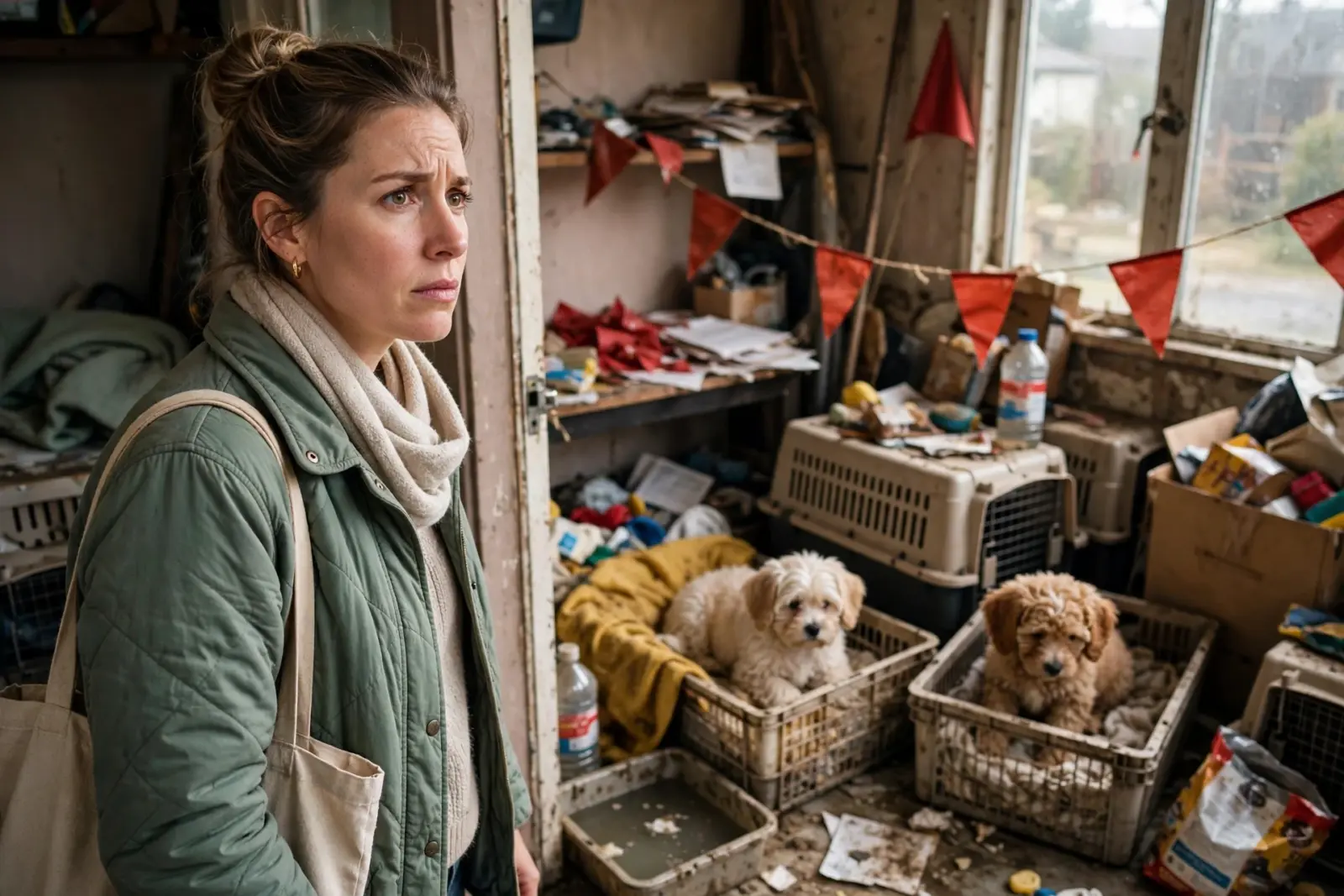
Quick Summary: Utah has no statewide breeder license or puppy lemon law, so buyers must verify sellers through local permits, business records, background checks, parentage, health records, live visits, and written contracts before paying a deposit. Request complete veterinary, vaccination, deworming, microchip, pedigree, and genetic testing records, and have a veterinarian review them, while watching for sellers who resist proof or rush payment. A breeder that welcomes scrutiny and provides clear records, such as Sage Puppies, is easier to trust than one offering only photos and promises.
A Utah breeder can show you a spotless website, vaccine charts, and a video of puppies playing in a sunroom, and still leave you with no proof of where the puppy was born or whether the parents were health tested. That gap is where most deposit mistakes happen. Utah has no statewide breeder license, so a serious Utah breeder verification process is something you run yourself, not something a document confirms. This guide walks through seven checks: how to verify breeder registration where it actually exists, how to background check breeder claims about parentage and testing, and how to read health records, contracts, and video tours before money changes hands. The same routine works whether you pick up in person or reserve from out of state.
Step 1: Confirm the Breeder’s Utah Business Identity and Local Permits
Utah breeder verification starts with paperwork, not puppy photos. How do you check if a Utah puppy breeder is legitimate? Work through these checks in order: confirm the seller is a registered business, ask which city or county kennel permit covers the dogs, verify zoning allows breeding at that address, and look up any USDA license. There is no statewide breeder license, so each answer has to come from the seller or a local office. Get both in writing before you send a deposit.
Why Utah Has No Statewide Breeder License
Does Utah require a breeder license? No. Utah has no state breeder license, permit, or breeder-specific care standards, and a 2023 bill that would have added statewide oversight did not become law. Anyone can breed and sell puppies without a state credential. That is why Utah breeder verification leans on local rules and the records a breeder is willing to show you. As outlined in the state-by-state summary of commercial pet breeder laws, Utah leaves most regulation to cities and counties.
Check Your City and County for Kennel Permits and Zoning
Most oversight happens at the local level. Several Utah cities and counties require a kennel permit once a household keeps four or more dogs, and zoning rules decide where breeding is allowed at all. For example, Carbon County issues kennel permits for four or more dogs, and North Salt Lake ties permits to approved zoning. Salt Lake City handles breeder licensing through its own city code, so buyers there should ask for the license number and verify it with the city. Ask the breeder directly: which permit, which office, and when it was last renewed. A vague answer is a red flag.
Run a Business Entity and Federal Licensing Check
Next, confirm the business itself. Search the Utah Division of Corporations for a registered entity name, then match it to the name on your invoice and contract. If a program like Sage Puppies, LLC lists a formal entity, that gives you something to enforce in a contract dispute.
Federal rules matter too. Under the USDA’s Animal Welfare Act rules, breeders with more than four breeding females who sell puppies sight unseen need a USDA license. Ask whether that applies, then look the seller up in the USDA’s public inspection reports and read the results before you commit.
Step 2: Run a Background Check on the Breeder and the Seller
A short background check takes twenty minutes and filters out most problem sellers before you send money. Utah has no statewide breeder license, so records are scattered. You will search a few public sources, look for welfare complaints, and confirm the person selling the puppy is the person who bred it.
Search Public Records and Consumer Complaint Sources
Start with a plain web search of the breeder’s name, kennel name, phone number, and city. Add words like “complaint,” “scam,” or “review.” Then check the Better Business Bureau for filed complaints and how the seller responded. Google Maps and Facebook reviews help too, but read the low-rated ones first. One angry review means little. A pattern of unanswered complaints means walk away.
Red flag: No digital footprint at all. A real breeder who has placed puppies for years leaves some trace, even if it is just a small website or a club listing.
Check for Animal Cruelty or Welfare History
Next, search court records in the breeder’s county for animal cruelty or neglect cases. Most county courts let you search by name online or by phone. Also scan the Humane Society’s Horrible Hundred reports, which list known problem breeding facilities each year. If the breeder claims USDA licensing, look them up yourself in the USDA Animal Care search tool and read the actual inspection reports, not just the license number. Small home breeders under the USDA thresholds will not appear there, and that is normal, not a warning sign.
Confirm the Seller Is the Breeder
Finally, make sure you are dealing with the breeder and not a broker or reseller. Ask who owns the mother, where the puppy was born, and whether you can visit or join a live video tour of the home. A broker cannot answer detailed questions about the dam’s temperament or the whelping setup. When a seller in Utah describes their own program, the answers should match what their site and application already say, the way our application process stays consistent from first contact to pickup.
Step 3: Verify the Parents and the Puppy’s Actual Hometown
A puppy’s health and temperament start with its parents, so this step asks for proof, not promises. Reputable breeders of Havanese, Havapoo, and Cavapoo puppies keep records on both parents and can show where the litter lives. If a seller stalls on either point, treat it as a serious warning.
Ask for Parentage Records and Genetic Testing
Request registration papers or a written pedigree for the dam and sire, plus health test results for both. For Havapoo and Cavapoo litters, ask for DNA results that confirm the stated mix and screen for inherited conditions common to the parent breeds. Cross-check any kennel or registration numbers against the registry’s own database. A breeder who cannot produce these documents, or who blames a “lost file,” may not own the parents listed.
Meet the Dam and See the Litter’s Real Environment
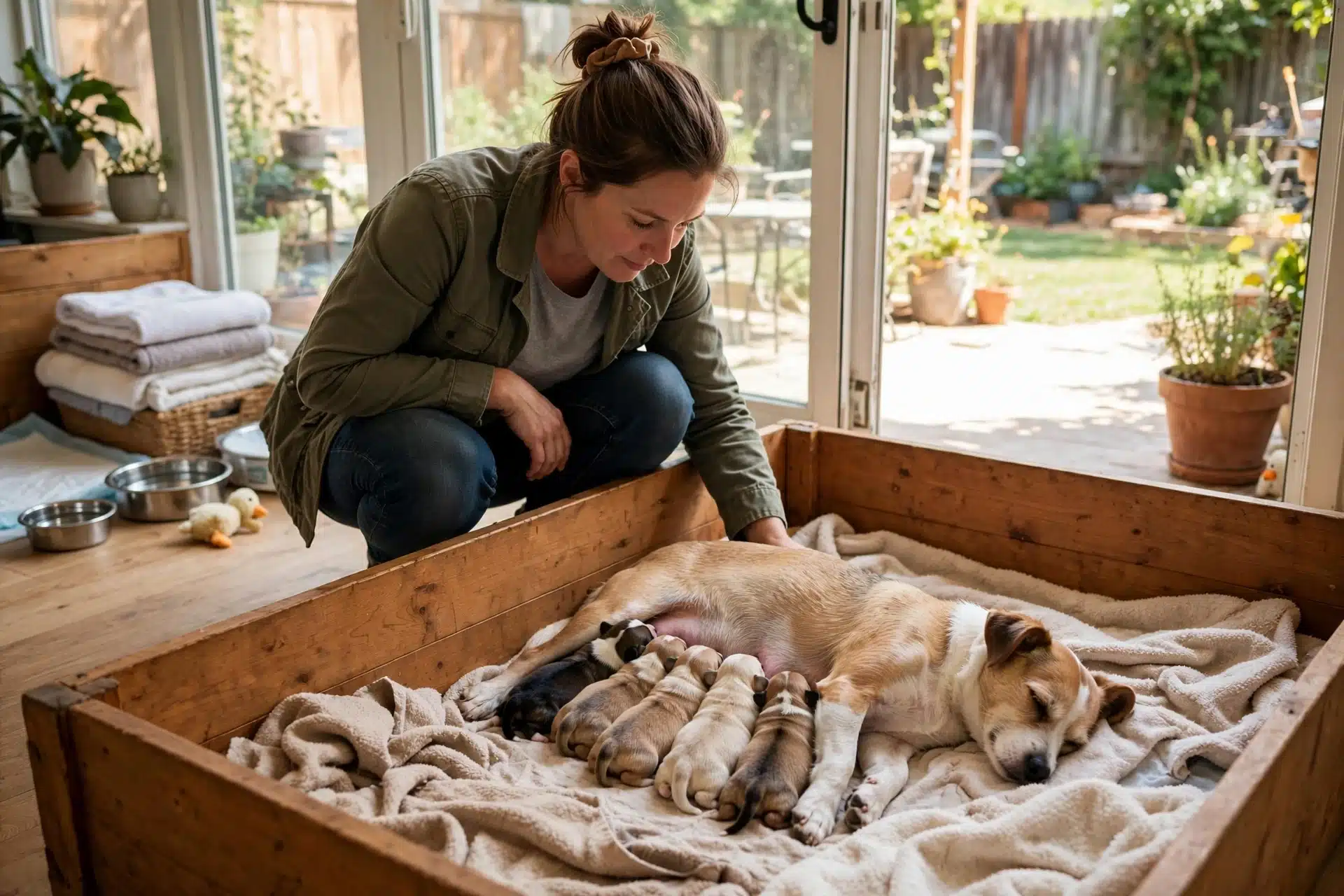
Ask to meet the mother dog in person, or on a live video breeder tour if you are buying from out of state. Watch how she moves and behaves with people. Then ask to see the whelping area and yard, not a staged living room. Puppies raised in a home with daily handling usually settle into family life faster than puppies kept in kennels or sheds. Small programs such as Sage Puppies keep litters in the breeder’s own home for exactly this reason.
Confirm the Litter’s Location Matches the Claim
Check that the address matches what the seller told you. Verify the city or county through the breeder’s license paperwork, a utility bill shown on video, or a local kennel permit. Drive-by buyers can simply confirm the neighborhood. If the pickup address changes at the last minute, or the seller wants to meet in a parking lot, walk away.
Step 4: Review Health Records and Genetic Testing Properly
A Utah breeder with nothing to hide will hand over records in writing. Health testing is where careful breeders separate themselves from careless ones, and it is the paper trail you can actually check.
The Document Set to Request in Writing
Ask the breeder to email these before you send any deposit:
- Parent health test results with the parents’ registered names, so you can look them up yourself
- Puppy veterinary exam record from a licensed Utah veterinarian
- Vaccination record listing dates, products, and the administering clinic
- Deworming schedule with the products and dates used
- Microchip number and registration details
A texted photo of one folded shot record is not a document set. Complete records show how a breeder works when nobody is watching, which is exactly what you are trying to judge. Some programs, like Sage Puppies, put parent screening and puppy records up front in the application flow, so you can read them before you commit money.
What Testing Matters for Small Companion Breeds
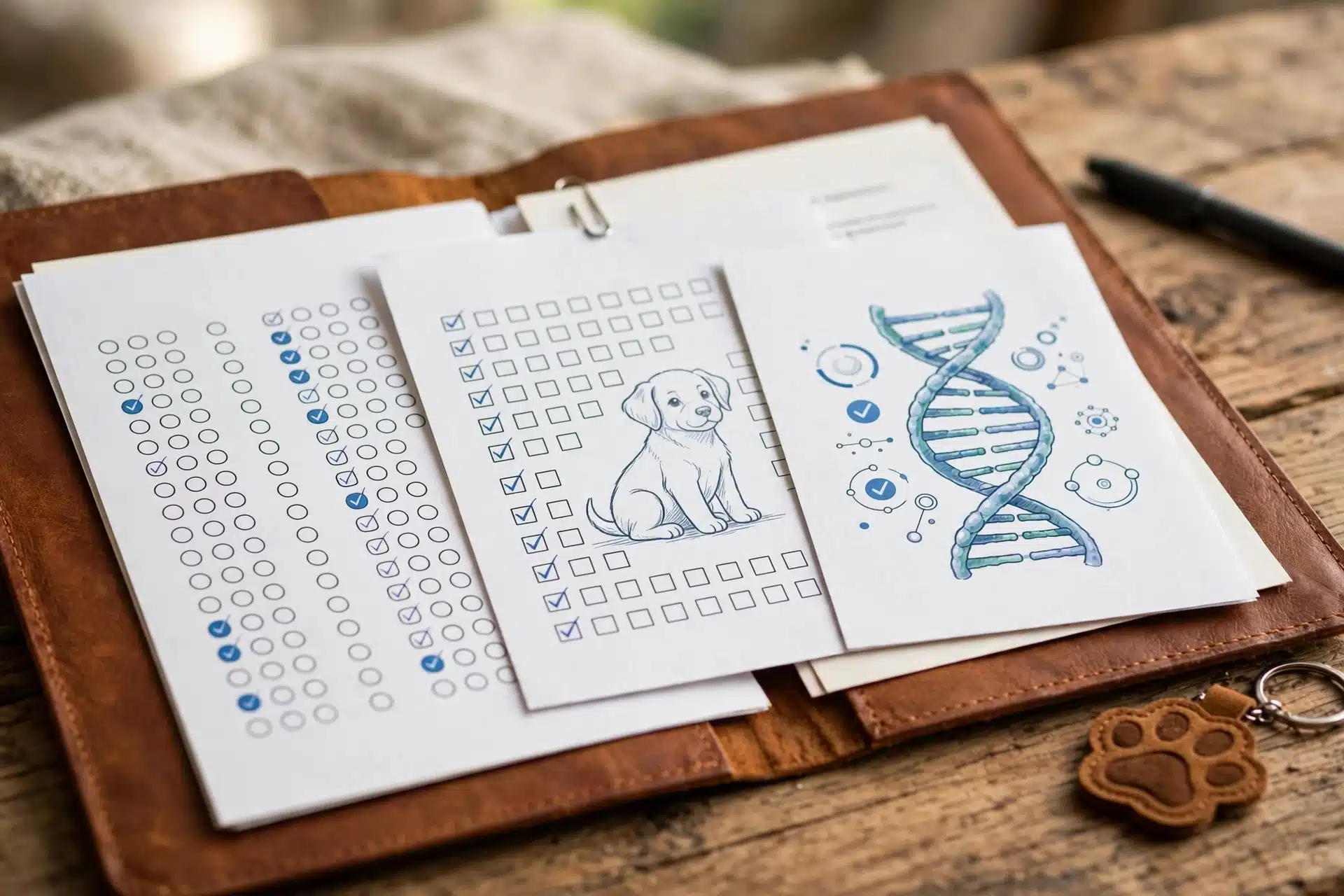
For Havanese, Havapoo, and Cavapoo puppies, look for parent testing in four areas: patellas (loose kneecaps), eyes through a recent ophthalmologist exam, cardiac clearance, and DNA panels for breed-specific conditions. The Orthopedic Foundation for Animals keeps public databases, and the breed club’s health guide explains which tests earn a Havanese a CHIC number. A CHIC listing means the required tests were done and published, not that every result was perfect. Both facts matter, and a good breeder will explain both. You can verify results yourself on the OFA site by searching the parent’s name.
Have a Veterinarian Read the Records
Do not interpret test results alone. Email the full packet, including any DNA reports, to a veterinarian before you pay. Most will review them for a small fee or as part of your new-puppy visit. Ask two questions: do these parents’ results cover the tests their breed needs, and is anything in this puppy’s record a concern?
Lab values and genetic abbreviations are easy to misread. A vet familiar with small companion breeds can spot a missing test or an abnormal result in minutes. That quick review costs far less than treating a preventable condition later, and it gives you an independent voice before the deposit becomes final.
Step 5: Visit the Home or Request a Live Video Walkthrough
Pictures can hide a lot. Seeing where the puppies actually live, in person or on video, tells you more than any ad, so treat this step as non-negotiable before you pay a deposit.
What to Look For During an In-Person Visit
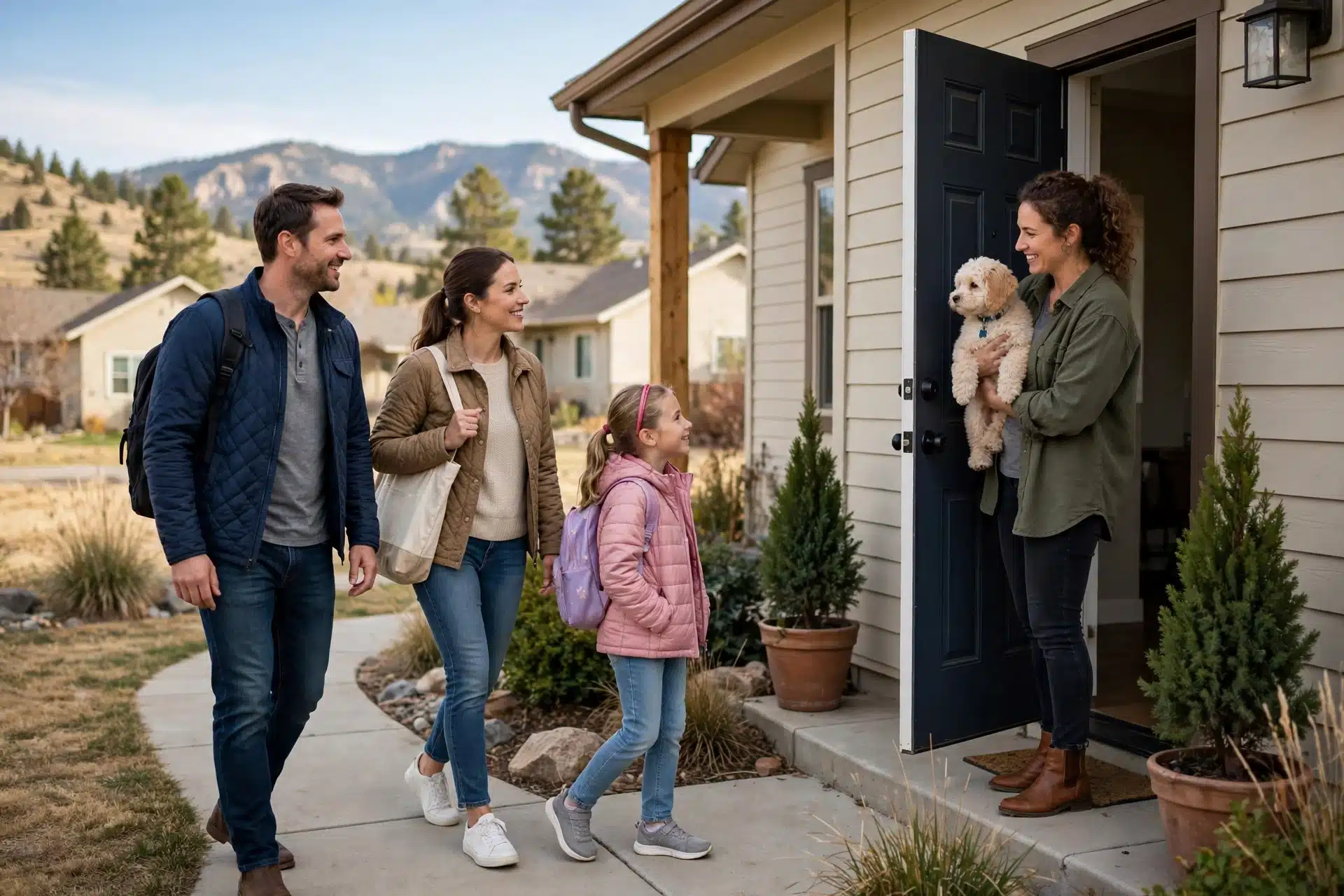
A good breeding home smells clean, not like ammonia, and the puppies stay inside the house with the family, not isolated in a garage or outdoor run. Watch how the mother behaves around strangers and how the puppies respond to handling. Confident, curious pups that have met everyday sights and sounds adjust to new homes far more easily. Ask where the puppies sleep, who handles them daily, and whether you can meet both parents. Also confirm the property fits local rules, since Utah has no statewide breeder license and many cities handle oversight through a kennel permit. Any hesitation to let you through the door is a red flag.
Running a Video Tour When You Live Out of State
If travel is not realistic, ask for a live video walkthrough instead of pre-recorded clips, and request it on a video call rather than a file you cannot verify. Ask the breeder to move the camera through the whelping area, show the mother and puppies together, and pan the whole space in real time. A legit breeder welcomes this. One small Utah program serving families nationwide builds live visits into its matching process, which is the standard to expect. Decline anyone who only sends stock-style footage.
Step 6: Review the Contract, Guarantee, and Deposit Terms Before You Pay
The contract is the only protection you will have once money changes hands. In Utah, no statewide breeder license or puppy lemon law steps in later, so the written terms carry the weight. Ask for the contract and deposit policy before you send a dollar.
Questions to Ask Before Sending a Deposit
Get answers in writing to these questions:
- Is the deposit refundable or transferable to a future litter?
- What exactly triggers a refund: failed vet exam, genetic issue, or buyer’s change of mind?
- When is the balance due, and what payment methods do you accept?
- Can I see the contract before paying?
- Do you offer a written health guarantee, and how long does it last?
- What happens if no suitable puppy becomes available?
A breeder who dodges these questions is telling you something.
Contract Elements Worth Reading Line by Line
A solid puppy purchase contract should list:
- Full names and contact details for buyer and seller
- The puppy’s breed, sex, date of birth, and microchip number
- Health guarantee terms, including covered conditions and time limits
- Required veterinary exam windows and notice deadlines
- Deposit amount, refund conditions, and total price
- Spay or neuter clauses and any breeder retain rights
- Return policy if you cannot keep the dog
Read every deadline twice. Miss one, and a valid claim can expire. For an example of clear terms, the puppy deposit refund policy page shows how refund conditions can be spelled out plainly rather than buried in fine print.
Why Utah Has No Puppy Lemon Law and What That Means
Most states have some form of “puppy lemon law” covering pet sellers, but coverage and remedies vary widely, and Utah offers no dedicated statute for buyers, so your remedy is the contract itself, plus general consumer fraud law if a breeder knowingly lied. That makes the paperwork from the earlier steps your evidence. Keep every message, receipt, and health record.
Because state protection is thin, only about twenty states and the District of Columbia have puppy lemon laws at all, so contracts, not statutes, do most of the protecting.
Common Mistakes to Avoid When Verifying a Utah Breeder
Shortcuts That Quietly Remove Your Protection
Most verification mistakes are skips, not bad checks. Buyers accept texted photos instead of a live video tour, pay a deposit before reading the contract, or trust a cute website without asking who holds the puppy’s parents. Others assume a state license exists and never ask about local kennel permits or county zoning. Each shortcut removes a layer of your protection, and Utah has no statewide breeder license or puppy lemon law to replace it. A breeder who resists records, rushes payment, or refuses a video call is telling you something. Ask for everything in writing before money moves, including health certificates, vaccination records, and the breeder’s contract terms, and keep copies. Diligence takes a day. Regret lasts years.

Verification is worth an hour. If you want a Utah breeder who already welcomes those questions, Sage Puppies invites you to review our application, meet Cassie, and visit before you commit. Wisely Bred. Beautifully Loved.
Frequently Asked Questions
Q1: How do I check if a Utah puppy breeder is legitimate?
Confirm the business with the Utah Division of Corporations, ask which city or county kennel permit covers the dogs, and request records in writing before paying a deposit.
Q2: What should I ask a Utah breeder before paying a deposit?
Ask whether the deposit is refundable, what triggers a refund, when the balance is due, and whether you can read the full contract first.
Q3: What health records and genetic testing should a Utah breeder provide?
Written parent health tests, DNA panels, a vet exam record, vaccination and deworming logs, and the microchip number. Have a vet review everything.
Q4: Does Utah require a dog breeder license?
No. There is no statewide license, so check city kennel permits, zoning, and any USDA license instead.
Q5: Can I verify a Utah breeder without visiting in person?
Yes. Request a live video walkthrough showing the whelping area, the mother, and the puppies in real time.
Conclusion
Verifying a Utah breeder comes down to seven checks: confirm the business and any local kennel permit, run a background check, verify the parents and the litter’s location, review health records with a vet, see the home or request a live video tour, and read the contract before paying. Utah has no statewide license or puppy lemon law, so each written record you collect becomes your protection. A breeder who welcomes every question is showing you how they work. The dogs on our available puppies page come from a program that expects to be checked, not just trusted.