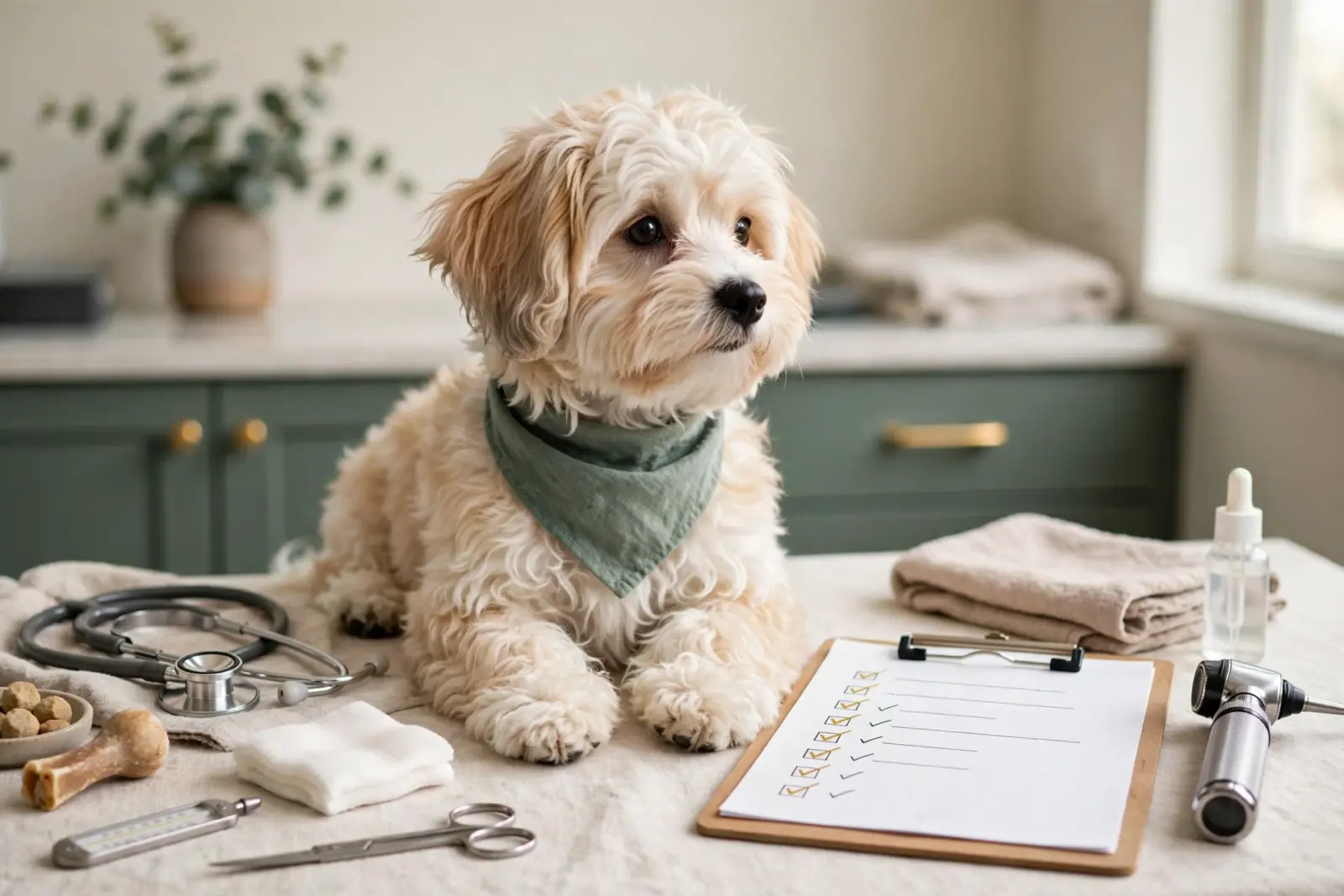
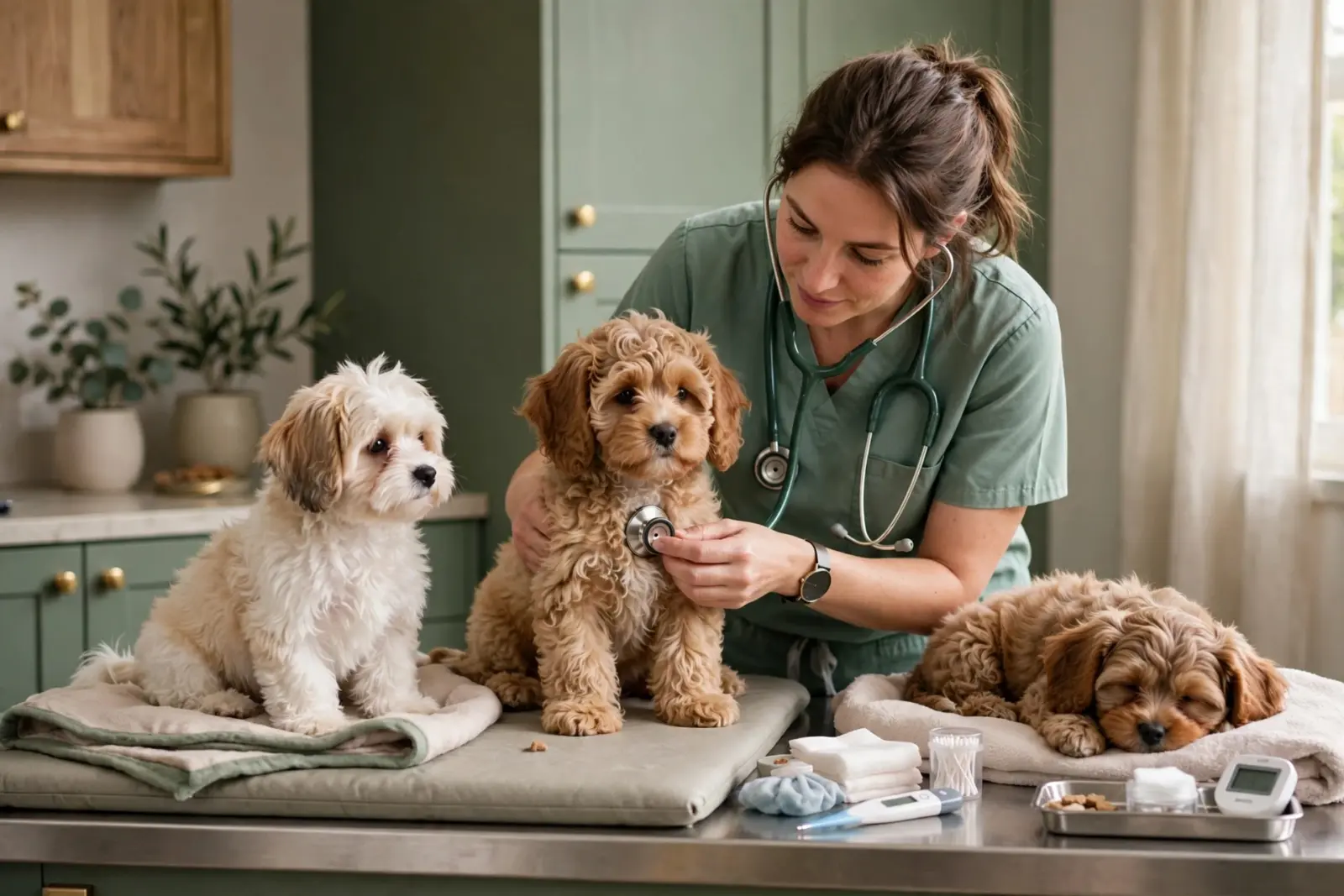
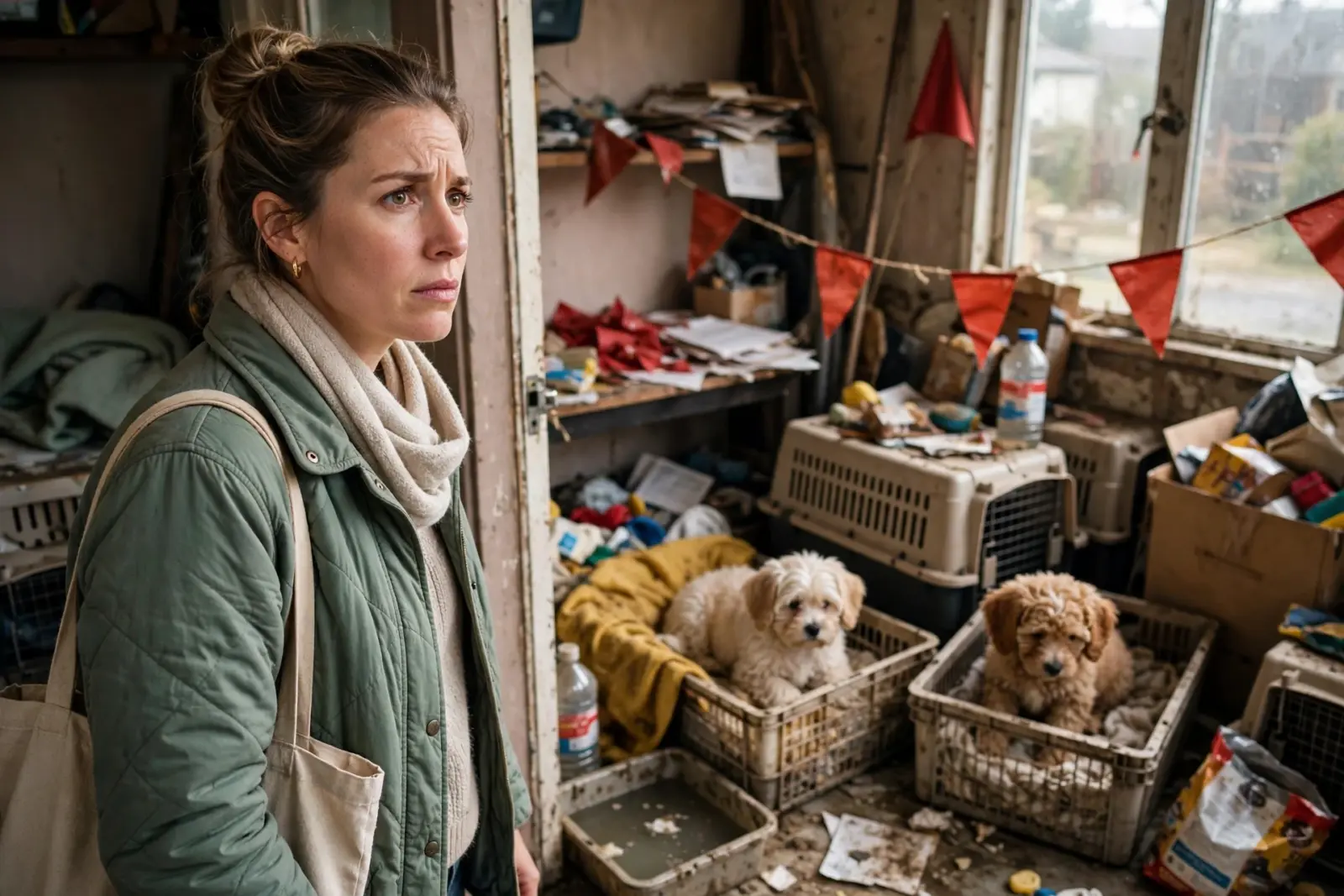
Quick Summary: Choose a family-raised puppy based on observable evidence, not marketing claims: visit the home, meet the mother, assess the parents, and test how the puppies handle touch and household sounds. Before paying, verify veterinary records, parent health testing, socialization routines, and written contract, deposit, refund, and aftercare terms. Walk away from breeders who pressure buyers, refuse visits, or lack paperwork, and compare your shortlist on facts before choosing.
The moment a local puppy breeder says their litter is “raised in the family home,” your real work begins. That phrase is the easiest line on any website to copy without proof. Anyone can type it. Not everyone can show it. If you are searching for family-raised puppies for sale near me, the listings will all sound identical, and some are. The difference shows up in what you can see, ask, and verify in person or on a video call. This guide walks you through the whole process of choosing family breeder programs, from the first phone call to pickup day. You will learn which claims to trust, which questions reveal the truth, and what a family breeder Utah program should let you check before money changes hands. No marketing language, just observable evidence.
Step 1: Confirm the Puppies Are Actually Raised in a Household
“Family-raised” is a claim, not a fact. Anyone can put the phrase on a website. Your job as a buyer is to turn that claim into evidence you can see, hear, or verify, and to do it before you place a deposit with any local puppy breeder.
How do you know a breeder raises puppies in a home instead of a kennel? Ask direct questions, then watch whether the answers match what you observe during a visit:
- Ask where puppies sleep and play each day
- Look for household sounds and sights like televisions, vacuums, and kids
- Meet the mother dog and see exactly where she lives
- Notice whether the breeder hesitates or changes the subject
Ask Where the Puppies Spend Their Hours
Start with a simple question: which rooms are the puppies in from morning to night? A genuine home setting means a kitchen, living room, or bedroom, not a detached kennel building. Ask how often puppies handle everyday noise. Early exposure to normal household sounds supports the puppy socialization work done in the first three months. A confident breeder answers easily and offers specifics. Vague answers deserve a follow-up.
Look for the Traces of Ordinary Household Life
When you visit, trust what you see over what you were told. Family-raised puppies show it: they nap near foot traffic, startle briefly at the doorbell, and recover fast. Look for puppy pens in lived-in rooms, toys on the floor, and a breeder who talks to the dogs in passing. Any local puppy breeder who refuses a visit or offers only a parking-lot handoff is telling you something.
Check Where the Mother Dog Lives
Ask to meet the mother and see her living space. Sellers who won’t let buyers see where puppies were raised or meet the mother are a known warning sign of puppy mills. The mother should live in the home as a pet, not in a separate run. If you’re weighing questions for a visit, this list of what to ask before buying a family-raised puppy covers the basics.
Step 2: Meet the Parents and Read Their Temperament
A puppy’s parents are your best preview of its future. Temperament runs in family lines, so watching the adults helps when you’re choosing a family breeder whose dogs will fit your household.
What to Watch for When You Meet the Adult Dogs
Spend a few minutes just observing. Does the mother come over relaxed, or does she hide? A well-bred dam should be friendly, curious and comfortable with strangers in her home. Shaking, cowering or hard barking at visitors is a warning sign. If the sire is on site, note how he greets people too. Puppies inherit both parents’ temperament and their handling history, so calm, handled adults usually raise calm, handled puppies. You cannot prove a puppy’s adult temperament yet, and no honest breeder will claim otherwise.
Ask the Adult-Size and Care Questions
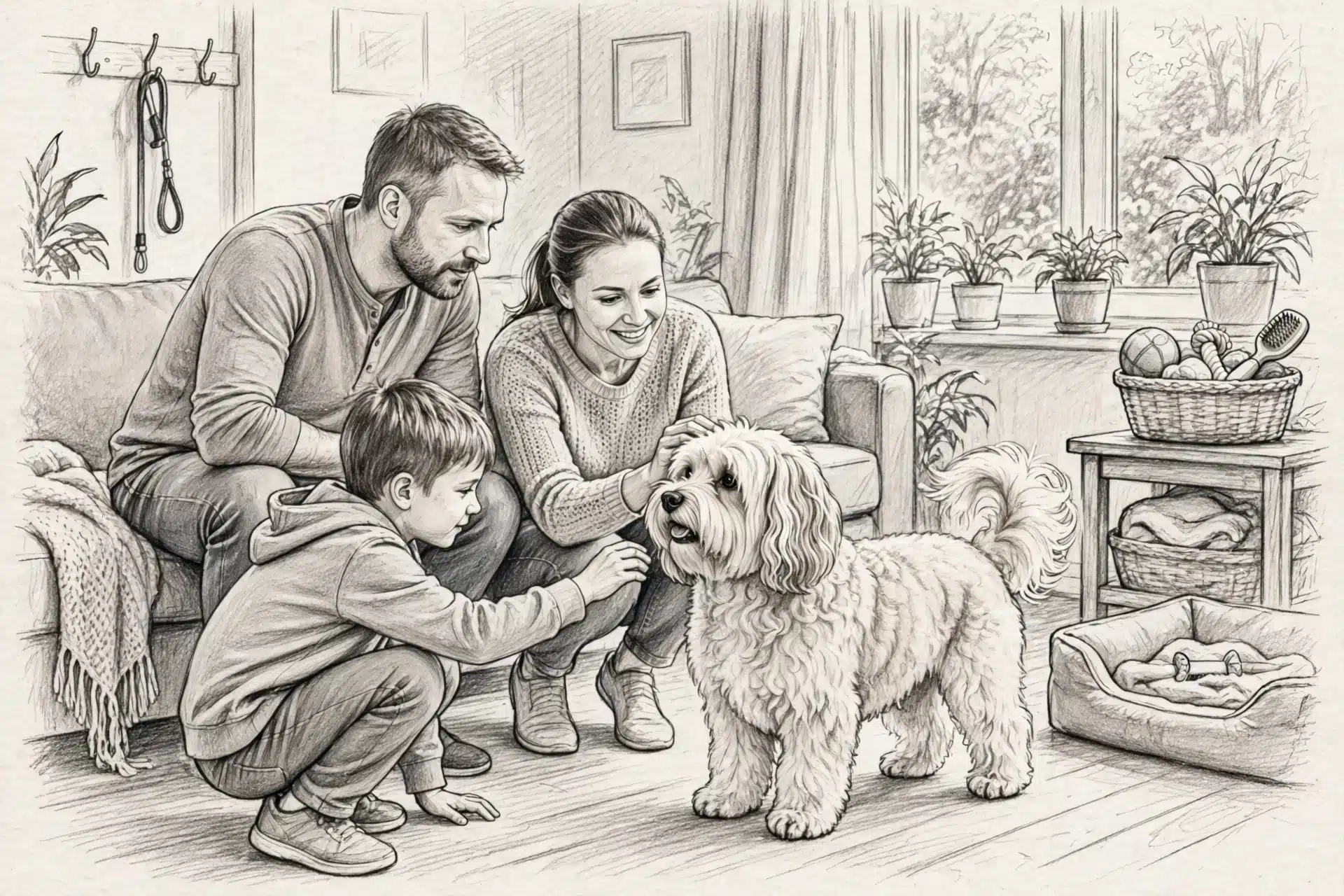
Ask to see the parents’ real size, not a projected weight chart. Measure expectations against your space. Then ask about grooming needs, coat type and daily exercise for the adult dog, since a Havanese or Cavapoo coat still needs regular brushing. It also helps to understand how parent genetic testing shapes which pairings a breeder makes.
Ask How Litters Are Planned and Spaced
A responsible breeder plans few litters and spaces them out. Ask how often each dam is bred, when her next litter is expected, and how many adults live in the home. Early care matters too: AVSAB guidance says the first three months are the most important window for puppy socialization, so ask what the puppies see, hear and handle before they leave.
Step 3: Judge Socialization Before the Puppy Comes Home
A well-socialized puppy has met people, handled everyday sounds, and been touched all over its body during the first weeks of life. You can judge this before you take a puppy home. Watch how the puppy reacts to you, then run a few simple handling tests and ask the breeder direct questions about daily routines.
What Socialization Actually Means
Socialization is the process of teaching a puppy that normal life is safe. Vets recommend breeders start exposing puppies to gentle handling, varied surfaces, and household sounds before they go home, and that new owners continue it afterward, per the AVMA’s socialization guidance. Good breeders do this work daily; the evidence shows up in how the puppy behaves, not in what a website claims.
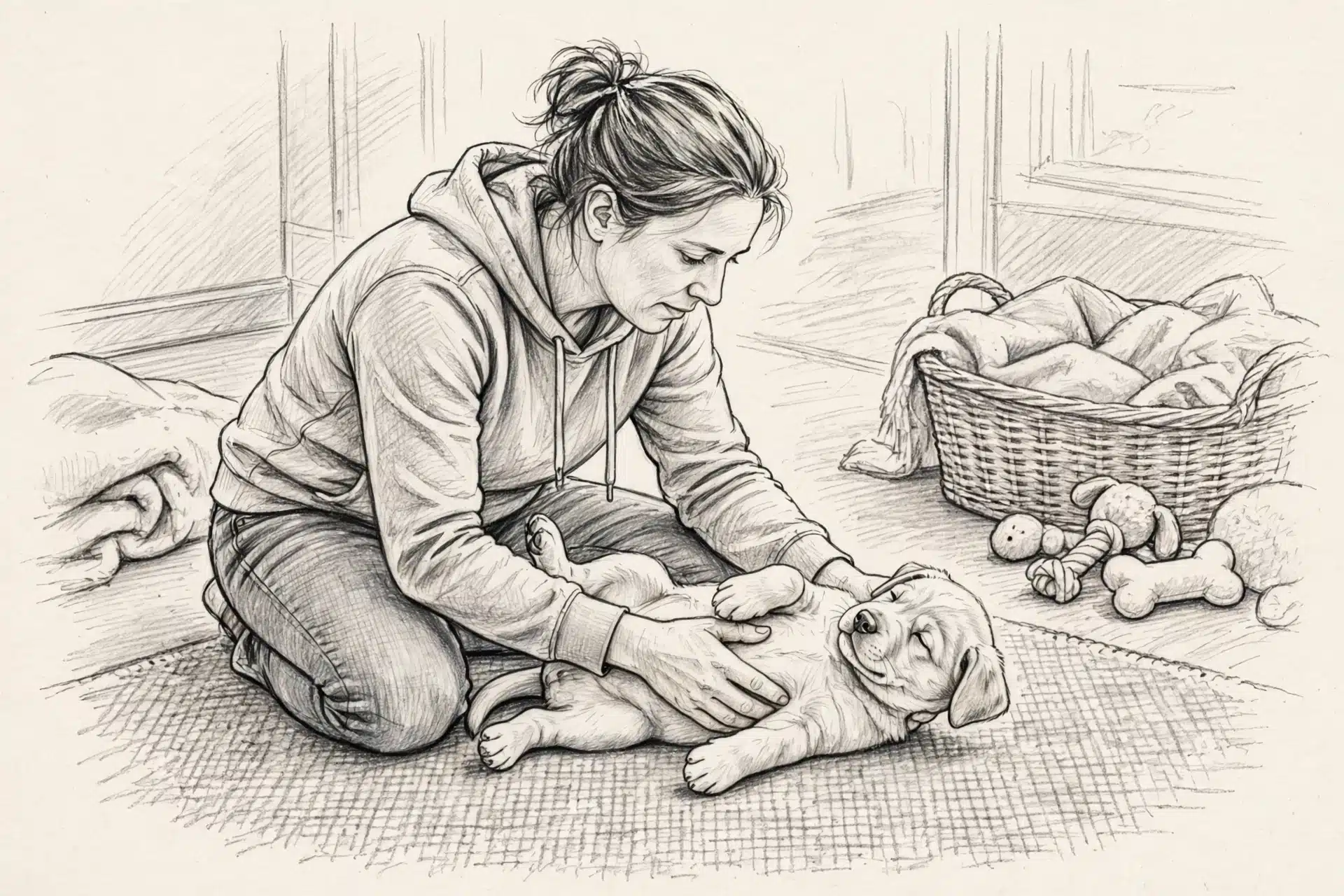
Four Handling Tests You Can Run at the Breeder’s Home
How can you tell if a puppy is well socialized before you take it home? Run these four tests and watch the response:
- Pick the puppy up and hold it for 30 seconds. A socialized puppy settles quickly.
- Touch its paws, ears, and mouth. Mild wiggling is fine; panic is a flag.
- Turn it gently on its back. It should relax within seconds.
- Clap or drop a spoon. A startle that recovers fast is a healthy sign.
One shy puppy in a litter is normal. One that stays frozen or growls deserves a closer look.
Ask How the Breeder Socializes Between Litters
Ask what a typical day sounds like for the puppies: vacuum cleaners, children, car rides, other dogs. Strong breeders describe routines, not slogans. At our program in South Jordan, puppies grow up inside our home, so those sounds are part of ordinary life. Ask any breeder you visit for the same concrete detail.
Step 4: Verify Health Records, Testing, and Veterinary Care
A puppy can look healthy and still carry problems you cannot see. Paperwork is how you check. Ask for records early, before money changes hands, so a breeder who stalls has time to explain or lose the sale.
The Records to Ask to See Before You Pay a Deposit
Request these before any deposit:
- A veterinary exam record dated after birth
- Vaccination dates, vaccine names, and the vaccine sticker labels
- Deworming history with products and dates
- Microchip number, if the puppy has one
- A written health guarantee in the contract

Understanding Parent Health Testing
Adult health testing matters as much as puppy records. Ask for the parents’ results for conditions common in Havanese, Cavapoos, and Havapoos, such as eye disease and patellar luxation. Request certificates from OFA or CERF, or the registry the breeder uses. A responsible breeder of Havanese, Havapoo, and Cavapoo puppies shares these results openly, and our program publishes them with each litter.
What Health Records Cannot Promise
Even perfect paperwork has limits. Tests cannot rule out every condition, and a clean exam today does not cover next year. Know what a breeder’s guarantee actually covers, how long it lasts, and what it requires from you, such as a vet visit within a set window. Read those terms before you pay, and note anything you do not understand. Then ask the breeder to explain it in writing.
Step 5: Visit in Person and Decide on the Fit
Photos and video calls help, but nothing replaces standing in the breeder’s home. A visit shows you how puppies live, how the mother behaves, and how your family responds to the puppy in real time. If you are searching for family-raised puppies for sale near you, this is the step that confirms everything else.
What to Look at During the Visit
Watch the puppies first. They should be curious, clean, and comfortable around people. Check where they sleep and eat, and notice whether the space smells cared for. Meet the mother if you can, because her temperament tells you a lot about what the puppy may grow into. A family breeder in Utah or anywhere else should welcome your questions and let you see the whole area where the litter lives.

How a Good Breeder Talks With You
A good breeder interviews you as much as you interview them. Expect questions about your schedule, children, other pets, and yard. They should explain their contract and deposit terms plainly, describe each puppy’s personality, and admit when a puppy is not the right match for your home. Vague answers or pressure to pay quickly are reasons to walk away.
Planning for a Puppy That Travels Home
If pickup or delivery is part of your plan, talk through the details during the visit: timing, carrier setup, and what the puppy needs on the road. Sage Puppies families, for example, plan these logistics with the breeder before go-home day. You can map out the trip with a guide on traveling home with a new puppy in Utah, then confirm the plan with your own veterinarian.
Step 6: Understand the Contract, Deposit, and Aftercare
Before money changes hands, ask to see the actual written contract. A serious breeder will send it without hesitation.
The Terms to Read Line by Line
A solid puppy purchase contract should list:
- Total price and what it includes
- Deposit amount, whether it is refundable, and under what conditions
- Health records provided at pickup, including vaccines and deworming dates
- Spay or neuter expectations, if any
- Return terms: whether the breeder will take the dog back at any age
- Pickup or delivery details, dates, and who pays transport
Read every clause yourself. Ask questions on the phone, then confirm the answers in writing.
What Support Should Continue After Pickup
A good breeder’s job does not end at handoff. Look for a breeder who stays reachable for feeding questions, grooming notes for a Havanese coat, or the rough first nights. Some programs, including ours, keep an open line with every puppy family after go-home day. Ask directly: how long will you answer my questions, and by text, call, or email? The answer tells you how the next twelve weeks will feel.
Paying Safely and Setting Expectations
Never wire money to someone you have not verified, and be careful with gift cards or full payment before you have seen records. Ask for a dated receipt that shows the deposit, balance, and puppy identification. Expect the total for a well-bred small breed puppy to reflect real costs; at Sage Puppies, for example, prices run $3,500 to $4,500. Get the pickup date, remaining balance, and any refund terms in writing before you pay a dollar.
Step 7: Compare Your Shortlist and Make the Call
Build a Simple Side-by-Side Comparison
Put your top two or three breeders on one page. Score each on the evidence you gathered: parent health testing records, how puppies were raised in the home, socialization during the first three months, contract and deposit terms, and how clearly they answered your questions. A simple table keeps impressions from overriding facts. For a family breeder in Utah or your own state, pickup visits should also count in your notes.
Know When to Walk Away
Walk away if a breeder rushes your deposit, refuses a visit or video call, has no health records, or offers multiple unrelated breeds. Pressure, vague answers and puppies always “ready now” matter more than a lower price. A reputable local family breeder will understand hesitation and answer the same question twice without complaint. Waiting for the right litter beats rescuing the wrong puppy.
Making the Decision and Preparing for Day One
Once one breeder stands out on evidence, commit with confidence. Sign the contract, confirm what it covers, and book pickup or delivery. Ask what food the puppy eats and keep the first week calm and simple. If you are comparing programs such as Sage Puppies, a short conversation with the breeder usually tells you whether the match feels right.
Common Mistakes to Avoid
First-time buyers often trip over the same few things. Watch for these:
- Buying on a photo. A cute picture tells you nothing about temperament, socialization, or how the puppy was raised.
- Skipping the visit. If a breeder refuses an in-person visit or video call, ask why. A local family breeder should welcome you into the home.
- Ignoring the mother dog. Meet her if you can. Her temperament and condition tell you a lot.
- Paying before reading the contract. Read deposit, refund, and health terms first, in writing.
- Choosing on looks alone. A Havapoo or Cavapoo should fit your household’s energy, not just your color preference.
- Rushing the decision. Take your time and compare breeders honestly before placing a deposit.

You know what to look for now. The next step is seeing it in person. At Sage Puppies, every Havanese, Havapoo and Cavapoo is raised in our South Jordan home, and you can visit, ask questions and meet the parents before you decide. Start with a simple application and we will match you honestly.
Frequently Asked Questions
Q1: What should I look for in a family-raised puppy from a local breeder?
Look for observable evidence: puppies living in the home, a mother dog kept as a family pet, parent health testing records, written contract terms, and a breeder who welcomes visits and answers the same question twice.
Q2: How do I know a breeder raises puppies in a home instead of a kennel?
Ask which rooms the puppies use daily, then verify on a visit. Look for pens in lived-in spaces, household sounds, and toys. A parking-lot handoff or refused visit is a warning sign.
Q3: How can I tell if a puppy is well socialized before I take it home?
Run simple handling tests. Pick the puppy up, touch its paws, gently turn it over, and clap. A socialized puppy startles briefly, then recovers fast instead of freezing or growling.
Q4: What health records should I get before paying a deposit?
Request a post-birth vet exam record, vaccine dates and labels, deworming history, microchip number, and the parents’ OFA or CERF test results. Get everything in writing before money changes hands.
Q5: How much should a well-bred Havanese, Havapoo, or Cavapoo puppy cost?
Prices reflect real care costs. Sage Puppies, for example, charges $3,500 to $4,500. Be far more concerned with health records, socialization, and contract terms than with any price difference between programs.
Q6: When should puppy socialization start?
Breeders should begin during the first three months, before go-home day, with gentle handling, varied surfaces, and household sounds. You then continue the work at home. It is a shared job, not a breeder-only task.
Conclusion
Choosing a family-raised puppy comes down to evidence, not slogans. Confirm the litter really lives in the home, meet the mother, and judge socialization with simple handling tests. Check health records, parent testing, and contract terms before money changes hands. Visit in person, then compare your shortlist on facts. A local breeder who welcomes questions, admits limits, and supports you after pickup is worth waiting for. Walk away from pressure, refused visits, or missing paperwork. The right small breed puppy, whether a Havanese, Havapoo, or Cavapoo, rewards the patience this process takes.