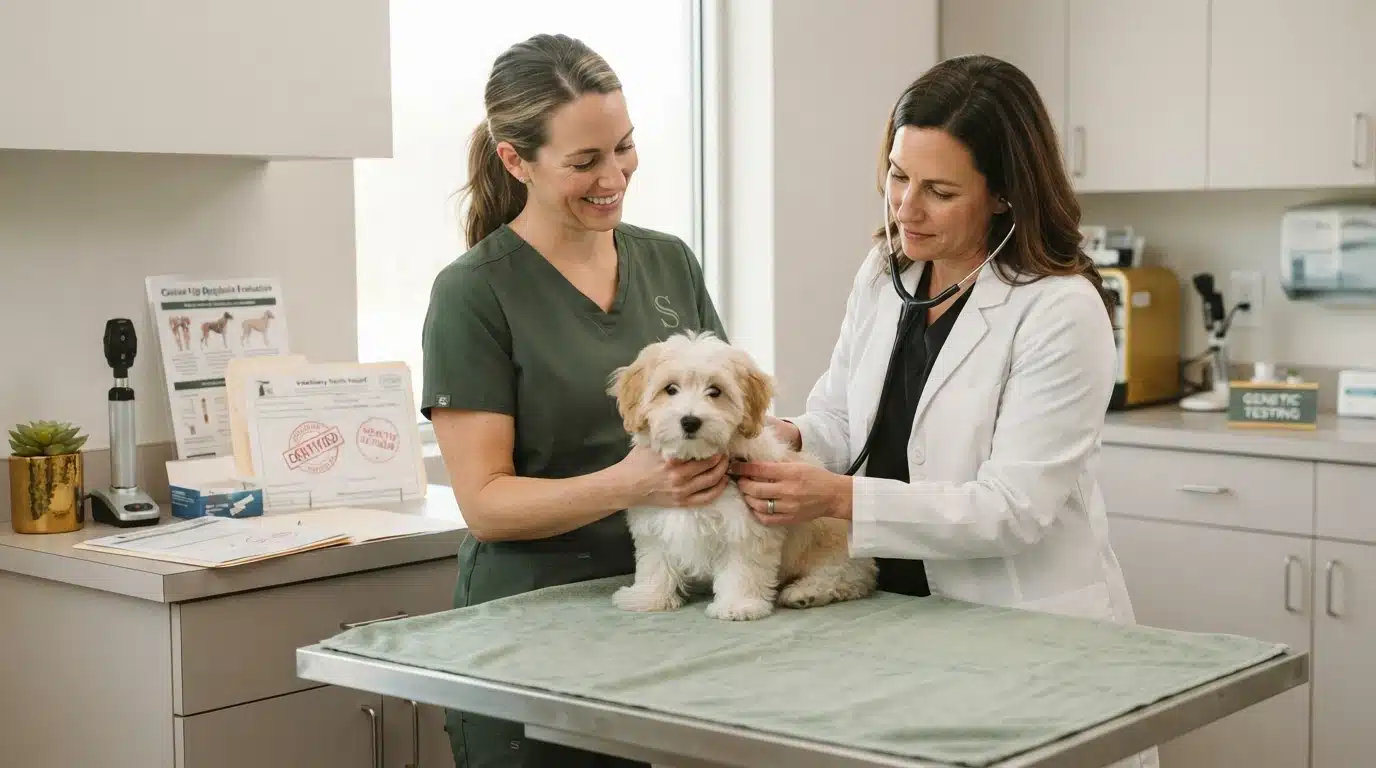
Quick Summary: Havapoo puppies aged 8 to 12 weeks generally need 15 to 20 minutes of structured exercise daily, split into two or three short sessions, plus free play, sniffing, mental enrichment, and plenty of rest. Use the five-minute rule as a starting point, but follow the puppy’s behavior: add small activity bursts for zoomies or nipping, and reduce sessions for heavy panting, lagging, wobbliness, or stiffness. Stick to low-impact walks, gentle games, and training now, while postponing stairs, jumps, long runs, and rough play until a veterinarian clears them after the vaccination series.
Your first week with a Havapoo puppy is usually a blur of tiny naps, one puddle on the rug, and a quiet worry that you are not doing enough. Here is the honest answer: most puppies between 8 and 12 weeks need about 15 to 20 minutes of structured activity each day, split into short sessions, on top of free play and mental work. That surprises a lot of new owners, because how much exercise puppies need at this age is far less than most people guess. The real challenge is knowing which activities are safe right now and which should wait until your puppy is older and fully vaccinated. This Havapoo exercise guide sorts that out for you. You will get a copyable daily routine, a clear list of safe-now versus wait exercises, and the warning signs that tell you when to scale back. Every tip here comes from raising and placing Havanese, Havapoo and Cavapoo puppies at our South Jordan, Utah program since 2025.
How Much Exercise Does a Havapoo Puppy Need at 8 to 12 Weeks?
A Havapoo puppy between 8 and 12 weeks needs about 15 to 20 minutes of structured exercise each day, split into two or three short sessions. Everything beyond that should be free play, sniffing, and rest. The popular five minute rule for puppies helps here: roughly five minutes of structured activity per month of age, once or twice a day, keeps growing joints safe while still burning puppy energy.
Daily minutes by age, from 8 weeks to 6 months
If you want how much exercise puppies need laid out by stage, this puppy exercise by age table is the short version:
| Age | Structured exercise per day | Sessions |
|---|---|---|
| 8 to 10 weeks | 10 to 15 minutes | 2 to 3 tiny sessions |
| 10 to 12 weeks | 15 to 20 minutes | 2 to 3 short sessions |
| 3 to 4 months | 15 to 20 minutes | 2 sessions |
| 4 to 5 months | 20 to 25 minutes | 2 sessions |
| 5 to 6 months | 25 to 30 minutes | 1 to 2 sessions |
These numbers cover walks and games you lead. Free play around the house or a fenced yard does not count against the limit, because your puppy stops when tired. Rest matters just as much, so plan naps between sessions.
What counts as exercise for a Havapoo puppy
Structured exercise is anything you start and control. That includes a short leash walk, five minutes of fetch down a hallway, gentle tug, and basic training reps. Mental enrichment for puppies counts too, and often tires a Havapoo faster than walking: puzzle feeders, snuffle mats, and two minutes of name or sit practice all qualify. Per the AKC’s puppy guidance, keeping leash training sessions to five or ten minutes works well. What does not count: chasing your kids, wrestling with another dog, or sprinting laps in the yard. That self-directed play is fine, but it adds up, so watch for an overtired puppy getting nippy or clumsy.
How many walks a day does a Havapoo puppy need?
Two short walks a day fits most Havapoo puppies at this age. Keep each one under ten minutes and let the sniffing set the pace. Three options that work:
- Two 8 to 10 minute walks, morning and evening
- One short walk plus two indoor play or training sessions
- Before and after nap potty trips that turn into mini walks
Save longer neighborhood walks until your vet clears exercise after the full vaccination series, usually around 16 weeks.
The Five-Minute Rule and How to Adjust It
The five-minute rule for puppies says your pup needs five minutes of structured exercise per month of age, once or twice a day. So a ten-week-old puppy (about two and a half months) gets roughly 12 to 15 minutes. It is a decent starting point for how much exercise puppies need, but it leaves real things out: your puppy’s energy on a given day, hot or cold weather, growth plate safety, and the fact that free play indoors counts toward the total.
Adjusting for a Havapoo’s build, energy and health
Havapoos are small but not fragile, which changes how you apply the rule. Their joints are still forming, so skip forced running, stairs sprints and long fetch sessions even when the math says “plenty left.” Watch your puppy, not the calendar. A burst of zoomies counts as exercise, and so does a puzzle feeder. Some lines carry a bit more energy than others; if you want a deeper read on temperament differences, our comparison of Havapoo and Havanese energy needs walks through what to expect as they mature. Size also matters at pickup: a slightly smaller pup may need shorter sessions than the rule suggests.
Treat the five-minute rule as a floor, not a quota. The puppy’s behavior decides the ceiling.
When to add more time, and when to pull back
Add minutes when your puppy settles calmly after sessions, sleeps well, and still nudges the leash for more. Bump sessions by five minutes each week rather than doubling them. Pull back when you see signs of over-exercising a puppy: heavy panting, lagging on walks, a limp, or crankiness afterward. Hot pavement, a missed nap, or a vaccine visit all call for a lighter day. Honest breeders in Utah and beyond will tell you the same thing: flexibility beats a fixed number every time.
Building a Daily Routine That Fits Your Schedule
A good routine for a Havapoo puppy looks like this: a potty trip and 5 to 8 minutes of gentle play when she wakes up, breakfast, another potty break, then a nap. Around midday, add a short walk or a game of fetch in the hallway. In the evening, repeat the pattern with a slightly longer play session and a calm chew before bed. The exact clock times matter less than the rhythm: activity, potty, rest, repeat.
A sample routine for an 8 to 12 week old Havapoo
At this age, your puppy needs about 15 to 20 minutes of structured exercise per day, split into two or three short sessions. Here is a workable day:
| Time | Activity | Length |
|---|---|---|
| 7:00 am | Potty break, gentle play | 5 to 8 minutes |
| 7:15 am | Breakfast, then potty again | 10 minutes |
| Midday | Leash practice in the yard | 5 to 8 minutes |
| Afternoon | Nap and quiet chew time | 1 to 2 hours |
| 6:00 pm | Short walk or indoor game | 8 to 10 minutes |
| 9:00 pm | Final potty, settle in the crate | 10 minutes |
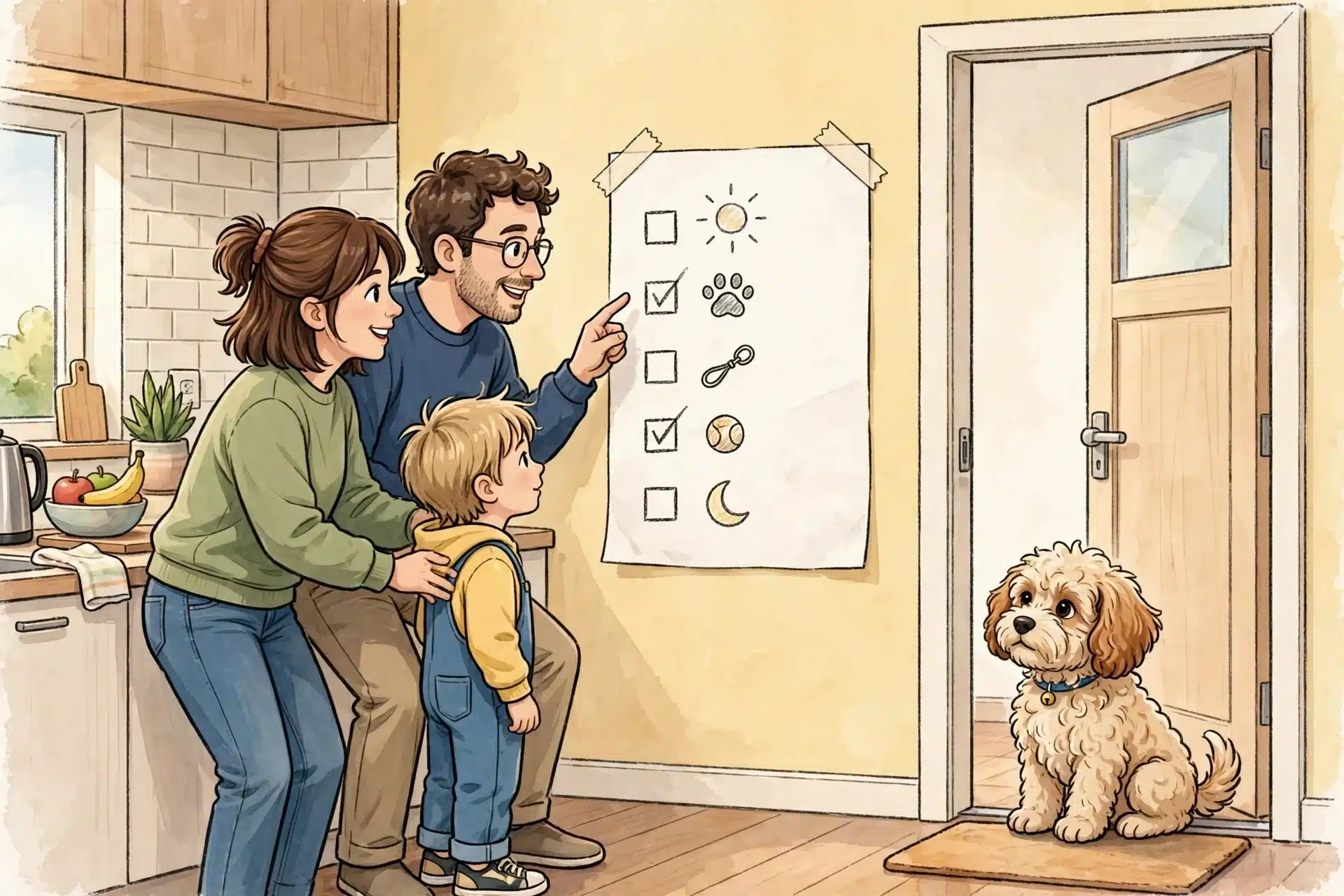
Everything between sessions should be free play and naps, which is where most of a young puppy’s movement actually happens.
Working around workdays and crate time
If you work away from home, shift the structured sessions to mornings, evenings and any lunch visit you can manage. Crate time counts as enforced rest, not lost exercise. A 10-week-old puppy can only handle a few hours in the crate anyway, so ask a neighbor, a family member or a dog walker to add one midday potty break during the first months. If you are still shaping the wider day, our guide to a feeding schedule and daily routine for Havanese puppies maps meals, potty trips and naps hour by hour.
Adding mental work so the body can rest
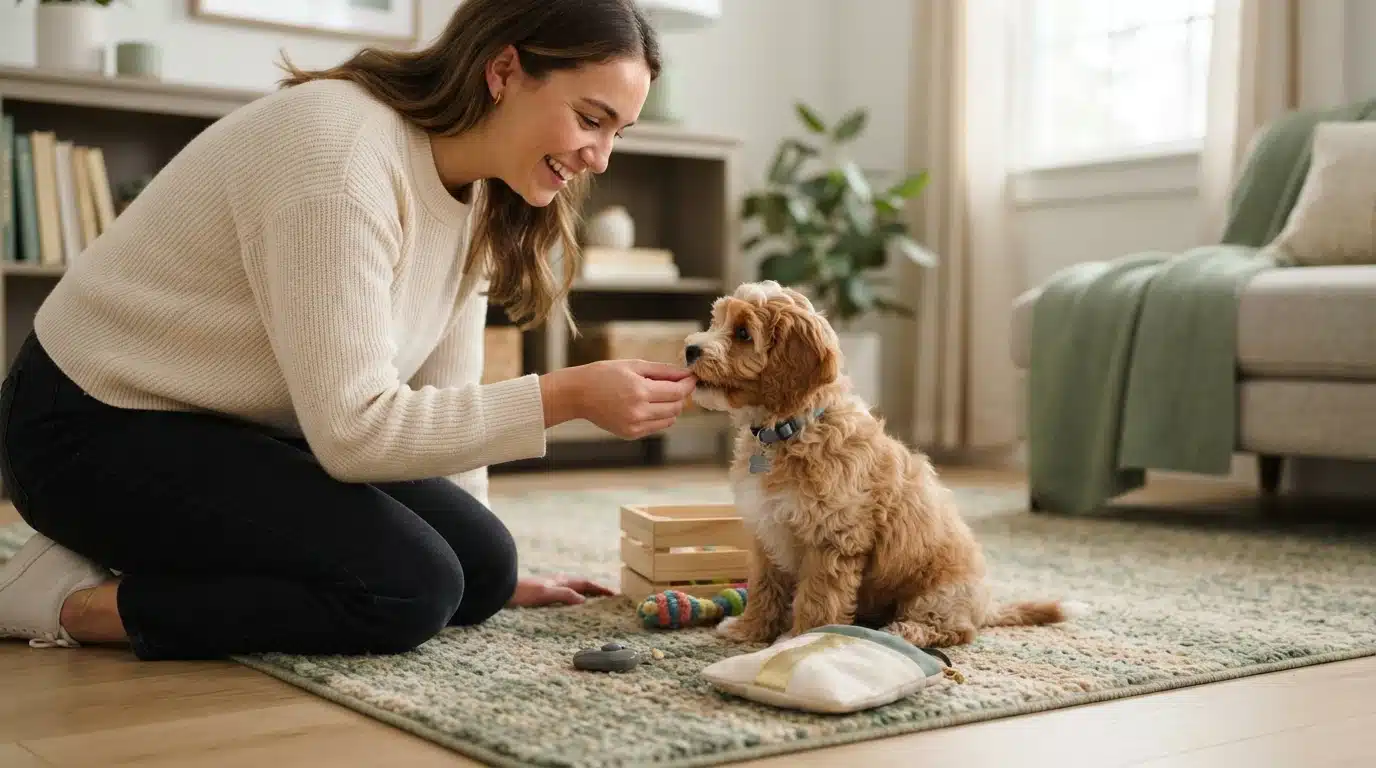
Five minutes of training tires a puppy like a much longer walk. Scatter a handful of kibble in a snuffle mat, teach a sit or a name game, or hide treats around one room. Puzzle feeders work well at breakfast, so the mental enrichment happens before the day even starts. Rotating two or three simple games keeps them fresh, and a mentally tired puppy settles faster in the crate.
Safe Exercises to Do Now and Ones to Save for Later
Safe activities for young Havapoos
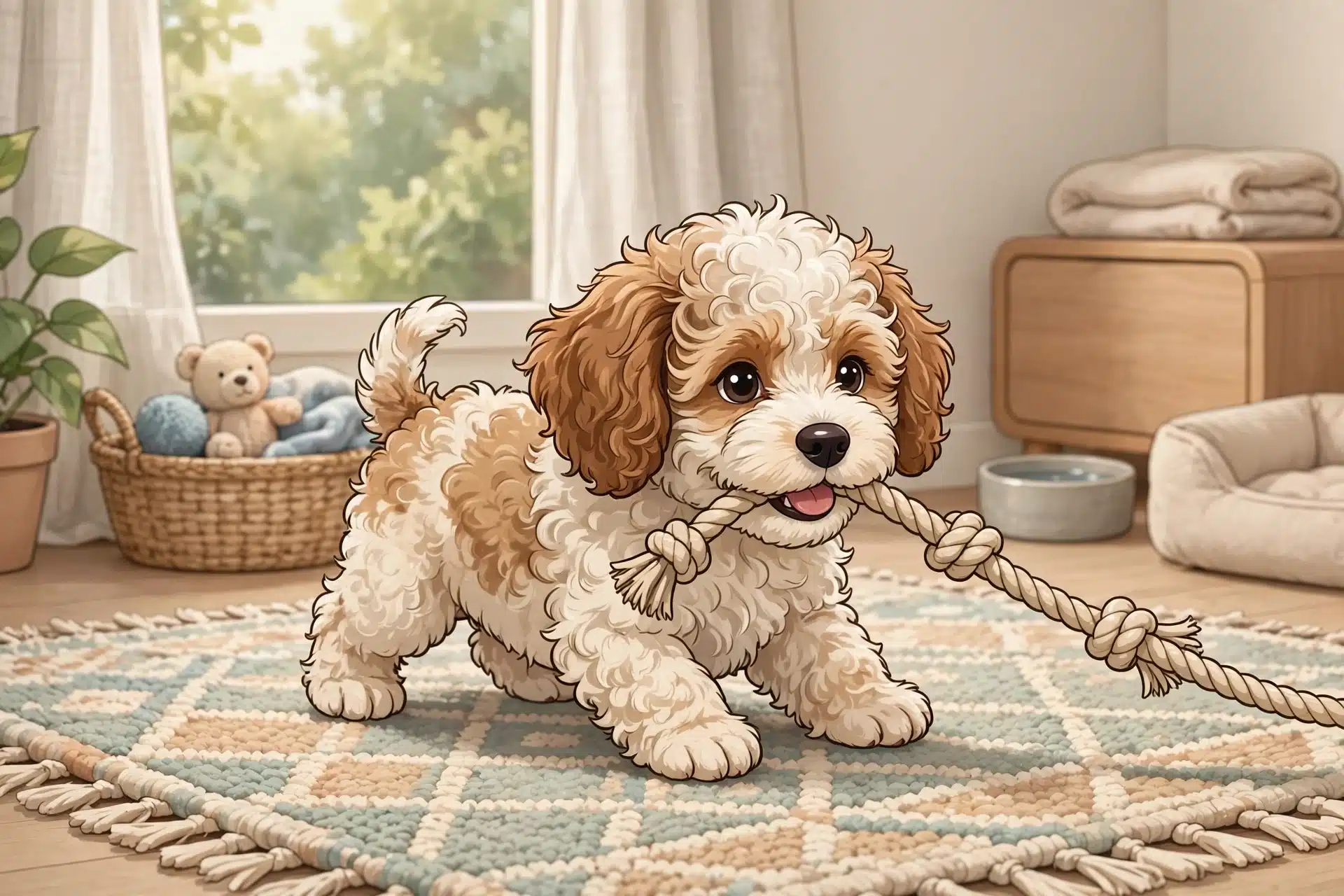
Safe now: short sniffy walks on grass, gentle tug with a soft toy, indoor fetch across a carpeted room, basic leash practice, trick training, and puzzle feeders. Wait until later: stairs, jumping off furniture, long runs, and rough play with big dogs.
These low-impact games build muscle and burn energy without stressing the growth plates, the soft areas at the ends of a puppy’s bones. At 8 to 12 weeks, keep each burst short and let her stop whenever she wants. Free play in a puppy-safe yard counts too, because she controls the pace.
Save these for later: stairs, jumps, long runs and rough play
Some activities strain a young skeleton, so hold off until your vet clears them near maturity.
| Activity | Why it waits | Try instead |
|---|---|---|
| Stairs | Repeated climbing stresses hips and knees | Carry her, or block the stairs |
| Jumping off couches | Landing jars growing joints | Ramps or supervised steps |
| Long runs or jogs | Forced pace outstrips her stride | Short free play she can quit |
| Rough play with big dogs | Knockdowns injure small frames | Matched play with calm small dogs |
Hard pavement adds strain on top of this, so favor grass where you can. Growth plates close well before adulthood, and until then strenuous, repetitive exercise can injure them.
Weather checks for Utah summers and winters
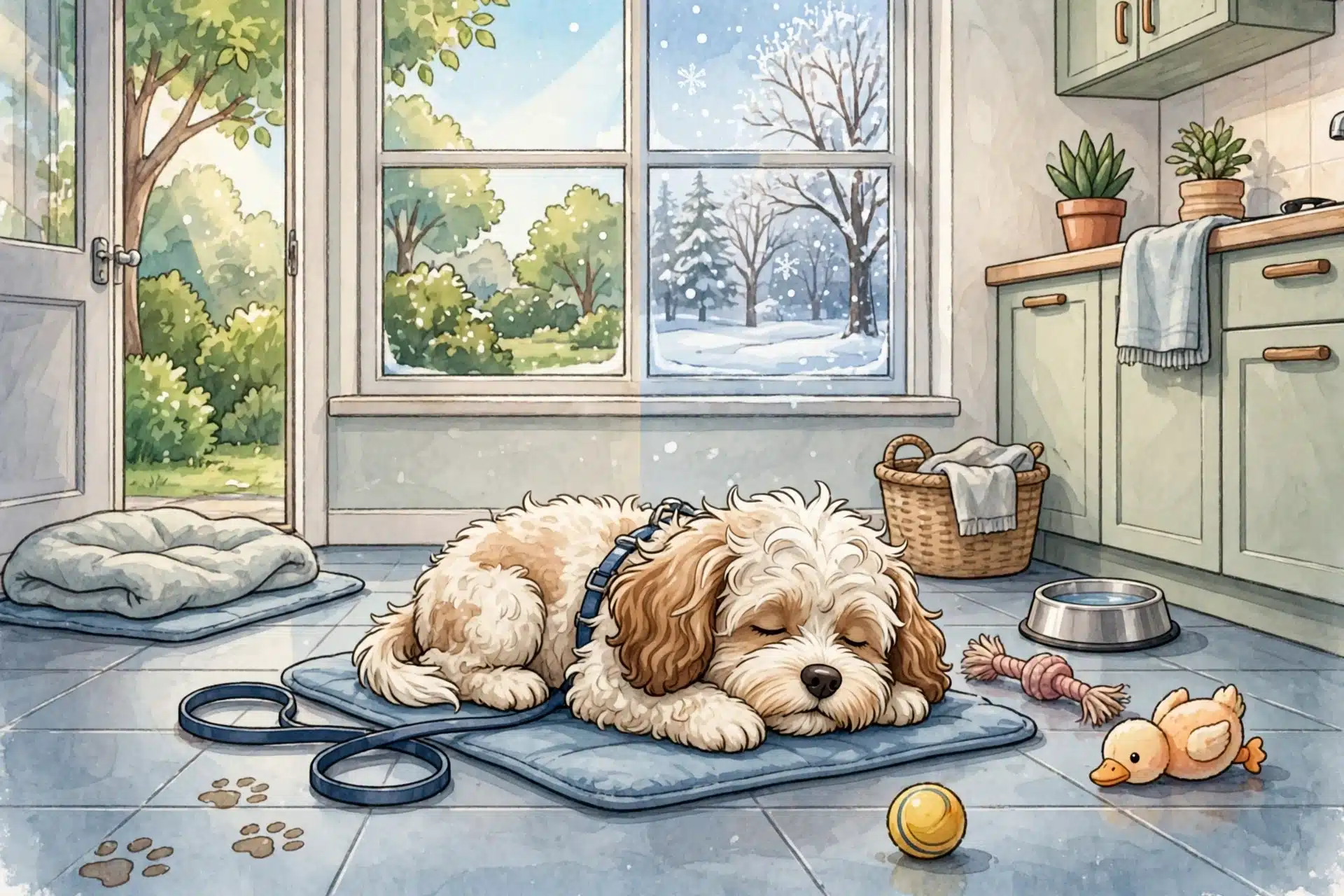
Utah weather demands an extra check before every session. On hot days, press the back of your hand to the pavement for seven seconds. If it stings you, it burns her paws, so walk early or stick to shade and grass. Heavy coats also make small dogs overheat faster than you expect.
In winter, watch for shivering, lifted paws, or ice balls between her toes, and keep sessions brief on bitter days. Salted sidewalks irritate pads, so rinse her feet after icy walks. When the weather turns, shift exercise indoors: hide kibble around the room, run a short training session, or roll a ball down a hallway.
Reading Your Havapoo’s Energy Signals
A schedule only works if you adjust it, and your puppy tells you how. Watch her behavior for a few days and the pattern becomes obvious. Some puppies bounce off the walls because they need more activity. Others slow down, get clumsy or stop listening because they have had enough. Here is how to read both.
Signs your puppy needs more activity
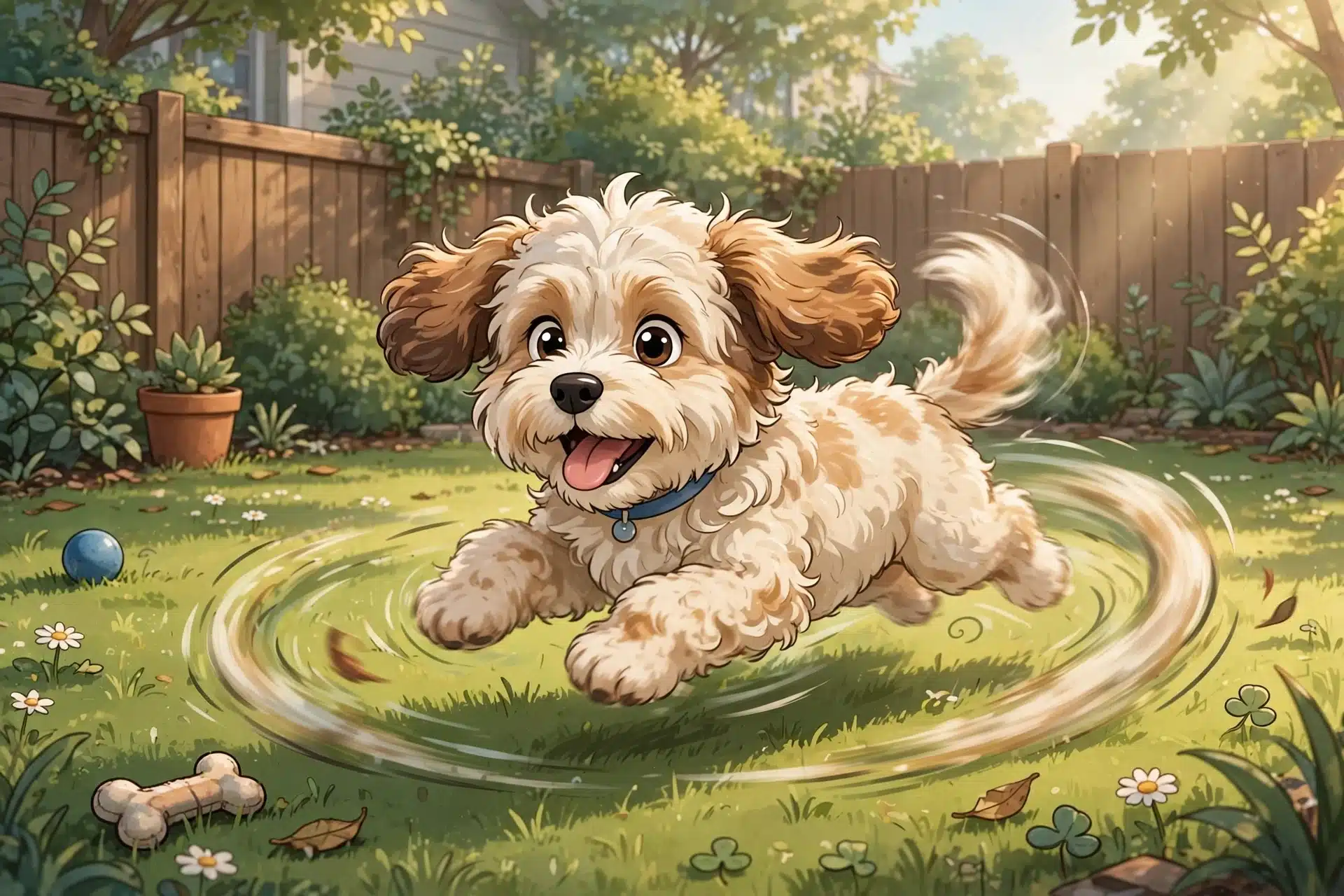
Under-exercised puppies usually show it through behavior, not tiredness. Watch for these cues:
- The zoomies, sudden frantic laps around the house, especially in the evening
- Nipping at hands, ankles and pant legs more than usual
- Getting into things she normally ignores, like shoes or trash cans
- Whining and pacing even after a potty break
- Trouble settling at bedtime, then collapsing mid-crate
If two or more of these show up daily, add one five-minute play or sniffing session. Spread extra activity across the day rather than making one long session. Small bursts fix the problem without stressing young joints. Mental enrichment counts too, so a puzzle feeder can settle an evening pest as well as a walk can.
Signs your puppy is overdoing it
Puppies push past their limits because everything is fun, so you have to notice the slowdown for her. Stop the activity and offer water and a rest spot if you see:
- Heavy panting that does not settle within a few minutes of stopping
- Lagging behind on the leash, lying down mid-walk or sitting without prompting
- Wobbliness, stumbling or seeming confused
- Extreme thirst that seems out of proportion to the effort
- Soreness the next morning, a stiff gait or refusing stairs she handled fine the day before
One tired evening after a busy day is normal. Repeated soreness means the plan is too much, so trim sessions back by five minutes and rebuild slowly.
When to check in with your veterinarian
Some signs are never just tiredness. Call your vet promptly if your puppy limps, yelps when touched, refuses to bear weight on a leg or seems painful after gentle play. Small breed puppies can also have low blood sugar after hard activity, so sudden weakness, trembling or collapse needs same-day care rather than a wait-and-see approach. Persistent coughing after exercise, labored breathing or a pale or bluish gum color also warrant a visit. For routine questions like how hard to push leash practice at 10 weeks, a quick call during a wellness check works well. When you bring home a Havapoo from a breeder such as Sage Puppies, keep your first vet visit within a few days of pickup so your vet can set baseline expectations for this specific puppy. Trust your gut: you know her normal better than anyone, and asking early is always the cheaper choice.

A short, steady routine is all a Havapoo puppy needs, and you now have the plan to give it. If you’re still choosing your puppy, Sage Puppies raises Havanese, Havapoo and Cavapoo puppies in South Jordan, Utah, and helps families nationwide match with the right companion. Browse available puppies or start the application today.
Frequently Asked Questions
Q1: How much daily exercise do Havapoo puppies need at 8 to 12 weeks old?
About 15 to 20 minutes of structured exercise per day, split into two or three short sessions, plus free play and naps.
Q2: How many minutes of exercise should a Havapoo puppy get per day?
Follow the five-minute rule: roughly five minutes of structured activity per month of age, once or twice daily. At 10 weeks, aim for 12 to 15 minutes.
Q3: How many walks a day does a Havapoo puppy need?
Two short walks, each under ten minutes, suit most puppies at this age. Keep longer neighborhood walks until your vet clears them after full vaccinations, usually around 16 weeks.
Q4: Can my puppy exercise before all vaccinations are done?
Gentle play at home and in puppy-safe yards is fine. Avoid public grass and dog areas until the vaccine series finishes.
Q5: What are signs I’m over-exercising my Havapoo puppy?
Heavy panting, lagging mid-walk, wobbliness, next-day stiffness, or crankiness mean it’s time to trim sessions by five minutes.
Q6: Does mental enrichment count as exercise?
Yes. Puzzle feeders, snuffle mats, and five minutes of training tire a puppy like a much longer walk, and they’re safe at any age.
Wrapping Up
A Havapoo puppy between 8 and 12 weeks needs 15 to 20 minutes of structured exercise a day, split into short sessions, plus plenty of free play and naps. The five-minute rule gives you a starting point, but your puppy’s behavior sets the real limit. Stick to low-impact games and sniffy walks now, and save stairs, jumps and long runs until her growth plates close and your vet clears her. Watch for the telltale signs on both sides: zoomies and nipping mean add activity, while heavy panting or next-day stiffness means cut back. Adjust the routine week by week, keep mental work in the mix, and you’ll raise a tired, happy, well-rested puppy.