Quick Summary: Plan for $3,500 to $4,500 for a well-bred family-raised Havanese, Havapoo, or Cavapoo, but budget about $6,500 to $8,500 for the first year once supplies, vet care, food, grooming, and an emergency reserve are included. After year one, expect roughly $150 to $250 per month, with grooming often the largest ongoing cost for these breeds. Compare quotes line by line, because a lower puppy price may exclude health testing, vaccinations, records, or delivery, and Sage Puppies emphasizes written pricing and health records so buyers can compare like for like.
Two families can both hear “about $4,000” for a family-raised puppy, and one will still spend thousands more in year one. The difference? One price included a health record, a first vet exam and a starter crate. The other did not, and those costs quietly moved to the buyer.
That is the problem with most puppy price talk: it skips the labeled assumptions. So how much is a puppy, really? This guide breaks down a full puppy cost, from deposit to first birthday, for Havanese, Havapoo and Cavapoo families. We show a worked example with every assumption spelled out, cover the cost of raising a puppy in the first year and beyond, and end with a written-questions checklist. At Sage Puppies in South Jordan, Utah, we price transparently, so you can compare any two numbers fairly.
What Family-Raised Actually Means, and Why It Changes the Price
“Family-raised” should describe where the puppy spends its first weeks, not just how a breeder markets. In a real family home, a puppy is born inside the house, handled daily, and exposed to ordinary household life: children, vacuum cleaners, doorbells, car rides. That daily care takes labor, and it is a large part of why the price of a well-raised puppy runs higher than a bargain ad.
The Difference Between a Family Home and a Kennel Environment
A puppy from a kennel setting may see limited handling and few new experiences before pickup. A family-raised puppy gets the opposite: individual attention, early socialization, and house habits already underway. If you ask how much is a puppy worth beyond the sticker, this is where the difference shows up. At Sage Puppies, puppies grow up inside a South Jordan home with that daily handling, which is part of the price you pay.
Questions That Confirm a Real Family Environment
Ask any breeder directly and listen for specifics:
- Where do the puppies sleep, and who handles them each day?
- What household sights and sounds do they meet before eight weeks?
- Can you visit, or see video of the actual space?
- Have the parents had health testing, and can you see results?
A reputable program answers without hesitation. Vague replies are a signal to keep looking.
The Purchase Price: What You Pay and What Drives It
A Real Price Range for a Family-Raised Small Breed Puppy
Short answer: plan on $3,500 to $4,500 for a well-bred Havanese, Havapoo or Cavapoo puppy in 2026. That is what a small program like our pricing and reservation page publishes, and boutique breeders across the country sit in a similar band. If someone quotes far less, ask what was cut. Price drivers include:
- Health testing of both parents (heart, hips, eyes, DNA panels)
- Age of the dam and how often she is bred
- Socialization time, which costs labor, not equipment
- Vet care before go-home, including exams and first vaccines
- Demand for the exact mix, since rarer litters cost more
What Should Be Included in the Price You Are Quoted
Ask what the quote actually covers before you compare anything. A complete puppy price breakdown usually includes the pre-go-home vet exam, age-appropriate vaccinations and deworming, a microchip, a health record, a starter kit, and ongoing breeder support. Some programs add puppy delivery and travel cost as a separate line, so the same “price” can differ by hundreds of dollars once you add it up. Get the list in writing. Then two quotes describe the same puppy, not two different ones.
Deposits, Balances and Guardian Arrangements
Most programs hold a spot with a deposit, often $300 to $500, with the balance due before pickup or delivery. Some breeders also use guardian homes, where a breeding dog lives with a family and the family pays little or nothing up front. Guardian terms vary a lot, so read the contract closely and ask how many litters, co-ownership duties and end dates are spelled out.
Startup Costs Before the Puppy Even Arrives
The purchase price is only the first line. Before your puppy comes home, you will pay for gear, grooming tools and travel. These one-time puppy cost items often add $400 to $800 on top of the $3,500 to $4,500 you planned for a well-bred Havanese, Havapoo or Cavapoo.
The Starter Kit: Crate, Pen, Bed and Safe Space
A small-breed starter kit usually runs $150 to $500. The big three are a crate for nighttime and potty training, a playpen for safe daytime roaming, and a washable bed. Add stainless bowls, a leash and harness, ID tag, puppy-safe chews and enzyme cleaner for accidents. Budget figures here are estimates; actual prices vary by brand and size, so check current listings before you shop. One cost calculator pegs the starter kit at $150 to $500 depending on what you buy, which matches what most families actually spend. Buy the right size now, because small breeds outgrow cheap gear fast.
If you want a full list with timing suggestions, this Havapoo puppy checklist covers supplies and the first week in one place.
Grooming Gear for Havanese and Havapoo Coats
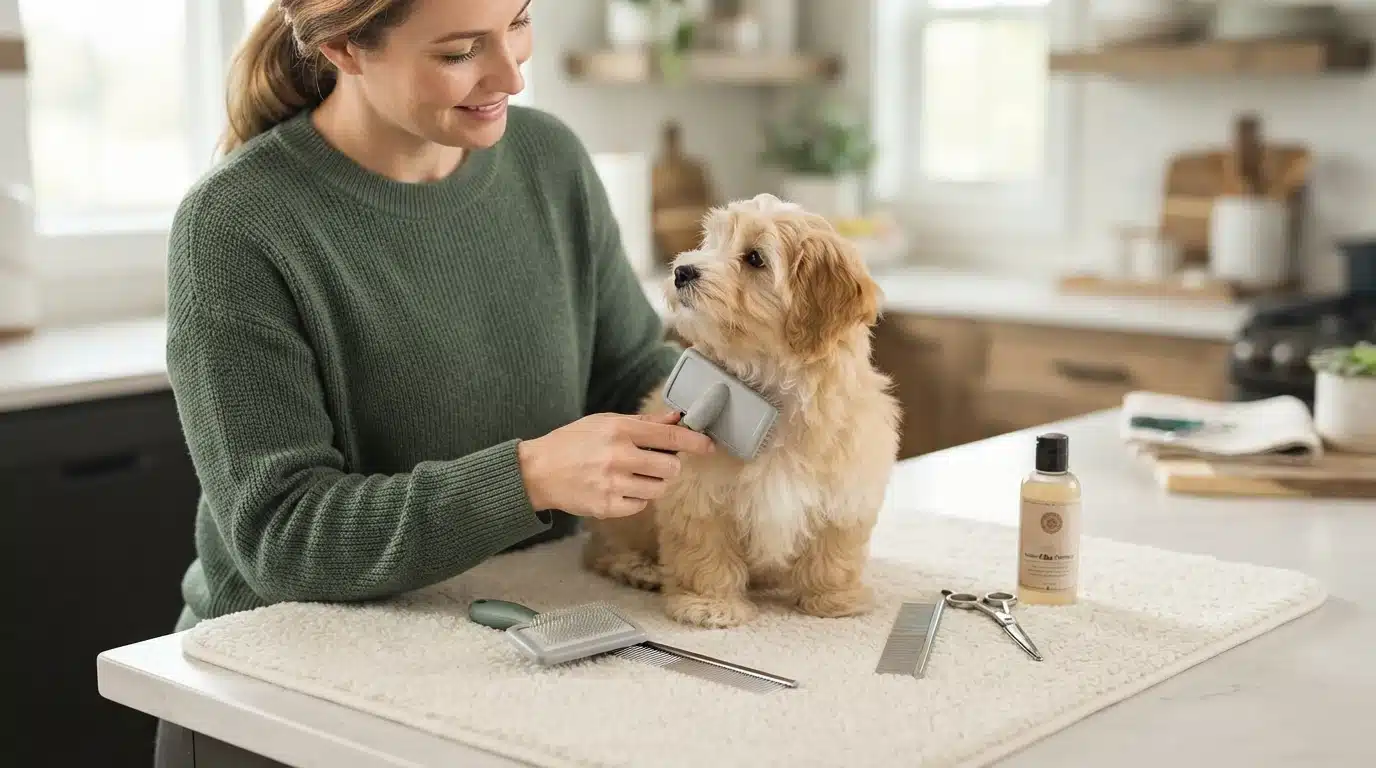
Havanese and Havapoo coats mat without weekly care, so grooming gear is not optional. Plan on a slicker brush, a metal comb, grooming scissors, dog shampoo and a low-heat dryer. Most families spend $50 to $150 here. Skip the bargain brushes; a $15 brush on a matted coat costs more in dematting sessions than it saves.
Travel and Delivery Costs to Your Home
Local pickup in Utah is usually free beyond your gas money. Out-of-state families choose between ground transport, a flight nanny who carries the puppy in-cabin, or flying to Salt Lake City yourself. Ground transport often runs a few hundred dollars, and flight nannies typically cost more because of airline tickets and the escort’s time. These delivery and travel cost ranges are labeled estimates, not quotes, so ask each program for a written figure before you reserve. The choice between pickup and delivery changes the math, so compare puppy delivery vs pickup options before you commit.
Tip: Ask whether delivery is billed separately or folded into the price. Some programs bundle it, others do not, and a “cheap” puppy with $600 of required transport may not be cheap at all.
How Much Does a Family-Raised Puppy Cost in the First Year?
For most families, the first year costs about $6,500 to $8,500 on top of wondering how much is a puppy in the first place. That total combines a $3,500 to $4,500 puppy, starter supplies, food, routine vet care, grooming, and a reserve for surprises. The exact figure depends on your choices, so the honest way to answer it is a line-item example with every assumption labeled.
A Worked Example You Can Rewrite for Your Own Family
Here is a labeled budget for a hypothetical Havapoo. Change any line and the total moves with it.
| Item | Assumption | First-Year Cost |
|---|---|---|
| Puppy | $4,000, mid-range for a health-tested litter | $4,000 |
| Starter kit | Crate, bed, bowls, brush, toys | $350 |
| Vet and vaccines | Exam series, rabies, spay or neuter | $600 |
| Food | Small-breed kibble, $35/month | $420 |
| Grooming | Every 6 weeks from 16 weeks old | $375 |
| Emergency reserve | Set aside, not spent | $500 |
| Total | $6,245 |
Recurring Costs Placed Into the Months They Happen
Timing matters as much as the total. Grooming bills start light, then land every six weeks once the coat needs it. Food is steady at roughly $35 monthly for a small breed. Vet visits cluster early, with the vaccine series in the first four months, then the spay or neuter bill near the end of year one. Spreading these across twelve months shows most families pay closer to $200 monthly than one giant bill.
Building an Emergency Reserve Without Inflating the Budget
Set aside $400 to $600 before pickup, and treat it as untouchable. Add $25 a month after that. It is not part of routine spending, so it never pads the puppy price you quote relatives. It just exists, quietly, for the ear infection or the eaten sock.
Veterinary, Food and Training Costs You Cannot Skip
Preventive Care and the First Year of Vet Visits
The first year carries most of the routine vet work. Expect a puppy exam series, the core puppy shots spread across several visits, rabies, and deworming. Then comes the big one: spaying or neutering, which for a small breed often runs $200 to $500 depending on your vet and area. Add flea and tick prevention, and a first-year total of $600 or more is normal for a healthy puppy. Well-bred litters start with cleared parents, but you still budget for this care yourself.
Food, Daytime Care and Training
Small breeds eat less than big dogs, which keeps this bill friendly. Quality small-breed kibble runs about $35 a month, so food costs roughly $420 across the first year. Training matters more for the money. A puppy kindergarten class usually costs $100 to $300, and it teaches skills that prevent chewed baseboards later. Factor in a midday potty break or puppy daycare if you work away from home, since young puppies cannot hold it all day.
Ask your vet what vaccine schedule they follow. Clinics differ on the number of visits, and that changes your first-year puppy cost.
Costs After Year One: The Small Breed Long View
What a Steady Year Two and Beyond Looks Like
After the first year, the bills flatten out. You trade startup costs for a repeating set: food, vet checkups, grooming, and preventives. The AKC estimates small dogs cost about $1,831 per year to care for, which lines up with the roughly $35 monthly food bill and six-week grooming cycle we used above.
Lifetime Cost Framing for Small Breeds
Small breeds like Havanese, Havapoo and Cavapoo often live 12 to 15 years, so annual costs compound. One Synchrony survey puts yearly dog spending at $1,591 to $2,770, which means a 13-year dog can cost $20,000 or more across its life, before emergencies. That number surprises people, so plan for it early rather than reacting later.
Grooming as a Long-Term Line Item
Grooming is the line item families underestimate most with these breeds. Their coats keep growing, so professional grooms every six to eight weeks run roughly $600 to $1,000 a year, and a coat that gets matted costs extra to fix. The habits you build now matter, so our Havanese puppy grooming schedule covers the tools and brushing routine that keep that yearly bill at the low end.
The Costs Most Buyers Forget to Budget For
First-time owners usually forget three cost groups: emergency vet care, changes to your home and routine, and coat upkeep. Here is what each one actually costs.
Emergency and After-Hours Veterinary Pricing
Surprise vet visits top the list. Exam fees at an emergency clinic often start around $100 to $300 and climb higher after hours or on weekends, and total bills can reach several thousand dollars for hospitalization or surgery, according to WebMD’s breakdown of emergency vet costs. BluePearl’s emergency team puts the range at about $200 to several thousand, so ask your local clinic for its intake fee now and keep that reserve separate from your grooming and food budget.
Household Costs and Lifestyle Adjustments
Your house and schedule need adjusting too. Gates, cord covers and a yard check cost little, but services add up fast: dog walking at $15 to $30 per visit, boarding at $25 to $75 per night, and puppy classes. A midday walker alone can add a few hundred dollars monthly if you work long days.
Coat, Tear Stain and Skin Care
Havanese, Havapoo and Cavapoo coats need brushing several times a week between professional grooms, plus tear stain wipes and gentle shampoo. Skip it and mats form quickly, turning a routine groom into a longer, pricier dematting session. Budget $10 to $25 monthly, and the coat care routine between professional grooms keeps those sessions short.
How to Compare Two Puppies That Cost About the Same
Two puppies priced at $4,000 can differ by thousands in real cost. To compare fairly, ask one question first: what does each price actually include? Work through this checklist, line by line, before you choose.
- List what’s bundled: health testing, first vaccines, microchip, spay or neuter, starter kit
- Add delivery or pickup travel for both quotes
- Add grooming, food and vet visits for year one
- Note the deposit and when the balance is due
- Total each column, then compare
Build a Like-for-Like Comparison Sheet
Put both quotes in a simple table with the same line items on each side. Label every assumption, so “includes shots” gets a note on which shots and how many. A puppy with $600 of required transport may not be cheaper once you add it. Our page on questions to ask before buying a health-tested puppy gives you the wording to use.
Verifying Health, Records and Ancestry
Ask each program for proof, not promises. That means parent health test results you can read, a vet exam record dated after birth, and vaccine dates with the clinic’s name. Ask to meet the mother or see her on video. Breeders who test honestly send paperwork without being asked twice.
Walking Away From a Quote That Does Not Add Up
A price that drops under pressure is a warning, not a deal. If a breeder avoids written terms, pushes same-day payment, or can’t explain why one litter costs more, thank them and keep looking. The same deposit and payment questions should get the same clear answers from any program you’d trust with $4,000.

Wondering how these numbers fit your budget? That’s a good instinct, and you don’t have to guess alone. Sage Puppies walks every family through pricing, health testing and matching with clear answers at each step. Apply today, ask your questions, and meet a puppy raised with care.
Frequently Asked Questions
Q1: How much does a family-raised puppy cost?
Plan on $3,500 to $4,500 for a well-bred Havanese, Havapoo or Cavapoo in 2026. Always ask what the quote includes, because health testing, vaccines, microchip and delivery can shift the real total by hundreds of dollars.
Q2: What should I pay for a family-raised puppy in 2026?
A fair price covers parent health testing, daily handling, a pre-go-home vet exam and written records. A quote far below $3,500 usually means something was cut. Get every included item in writing before you compare programs.
Q3: How much does a family-raised puppy cost in the first year?
Most families spend $6,500 to $8,500 in year one. That combines the puppy, starter supplies, food, vaccines, spay or neuter, grooming and an emergency reserve, and works out closer to $200 monthly than one big bill.
Q4: Is a $500 deposit refundable if I change my mind?
Deposits of $300 to $500 typically hold your spot, and most programs apply it to the balance. Refund terms vary by breeder, so read the contract before you pay and ask directly.
Q5: How much should I budget monthly after the first year?
Plan roughly $150 to $250 per month for food, grooming, preventives and checkups. Grooming every six to eight weeks is the biggest line item for these coats.
Q6: Do cheaper puppies actually cost less?
Rarely. A bargain quote often excludes vet care, testing or delivery, and those costs move to you. Add each missing line back and compare totals before deciding.
Conclusion
A family-raised puppy costs $3,500 to $4,500 up front, but the honest number is year one: $6,500 to $8,500 for a Havanese, Havapoo or Cavapoo, then roughly $150 to $250 monthly after that. The price itself matters less than what it includes, so compare two quotes line by line with every assumption written down. Health testing, daily handling, vet records and delivery terms explain why well-raised puppies cost more than bargain ads. Budget for grooming, an emergency reserve and the small breed lifetime cost, and you’ll never be surprised by the real cost of raising a puppy.