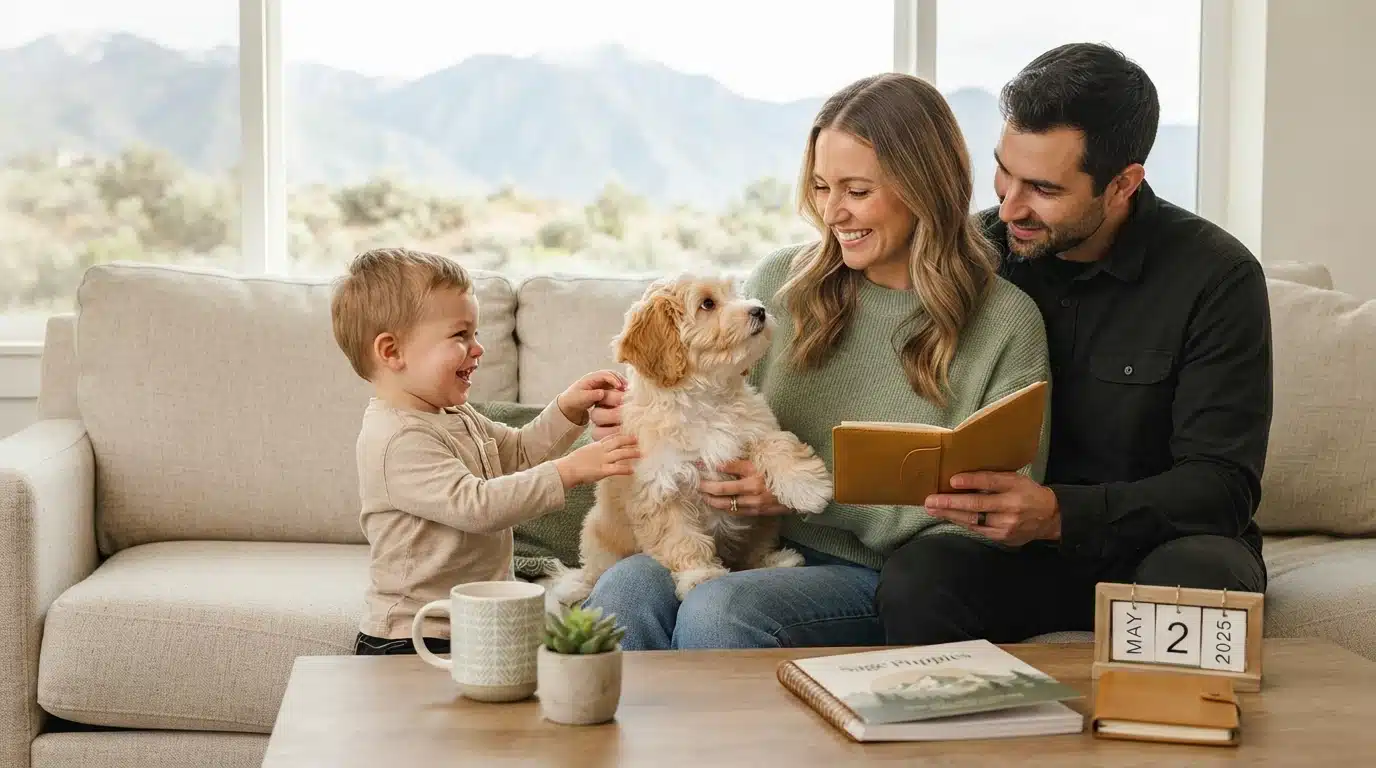
Quick Summary: Havapoos are warm, playful, and smart companions who bond deeply with their families, inheriting their people-focused nature from the Havanese and intelligence from the poodle. They thrive in homes where someone is around most of the day, need only moderate exercise, and respond best to gentle, reward-based training since harsh corrections shut them down. Common challenges include alert barking, separation stress when left alone too long, and sensitivity to rough handling, which is why early socialization and matching the dog’s social needs to your household are so important.
You can already picture a happy Havapoo curled up on your couch. The bigger question is what is going on inside that curly head, because temperament decides whether a puppy fits your family. Many guides repeat vague words like “friendly” and stop there.
This guide digs into Havapoo temperament and personality with real detail. You will see which traits come from the Havanese and poodle parents, which ones socialization and early training shape, and how it all plays out in homes with kids, other pets, and first-time owners.
Every claim here comes from documented breeder experience and the breed histories behind the cross, so you can judge the fit with confidence. That is the heart of understanding Havapoo temperament and personality.
What Shapes a Havapoo’s Personality
Where the Havapoo’s Traits Actually Come From
A Havapoo inherits its core nature from two parents. The Havanese side brings a people-focused, cheerful temperament and a strong desire to stay close to family. The poodle side, usually miniature, adds intelligence, sensitivity, and a playful streak. Because the Havapoo is a crossbreed, each puppy gets a different mix of these genes, so breeders shape temperament most through careful parent selection.
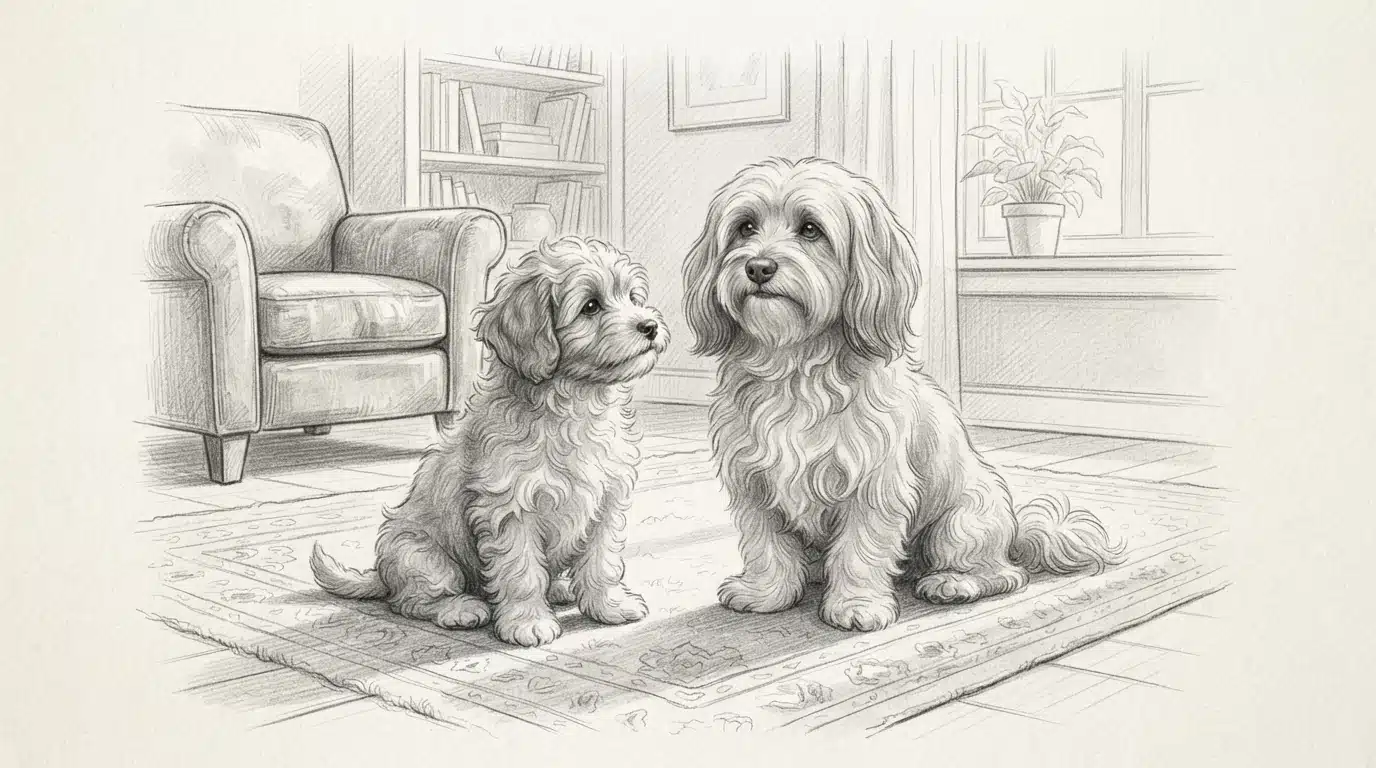
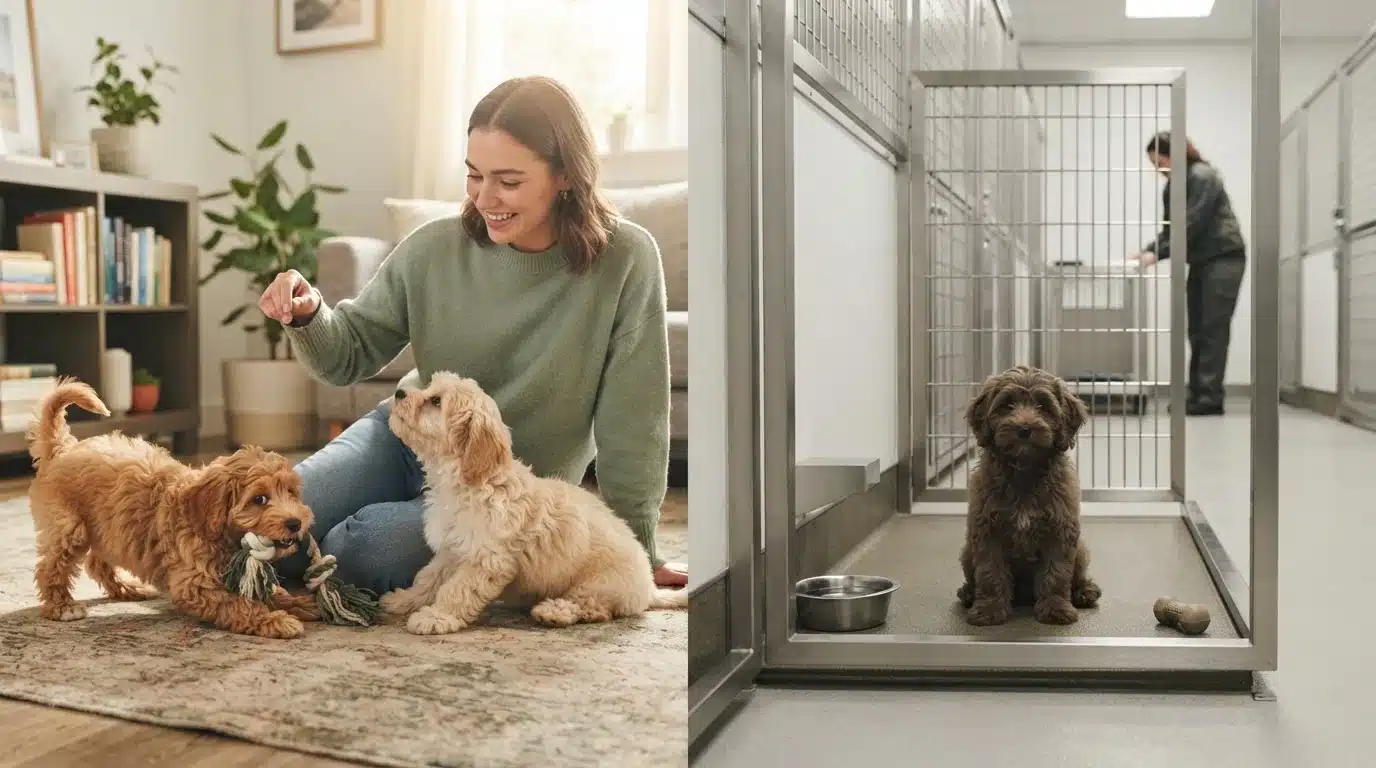
Socialization then layers on top of genetics. Puppies raised in a busy home, handled daily, and exposed to normal household sounds tend to grow into more confident adults than puppies raised quietly in kennels. When you compare litters, ask how the breeder raises pups before they come home, since that early care shapes what you will see in your Havapoo puppy’s first weeks with you.
Why Two Littermates Can Behave Differently
Even within one litter, personalities vary. Genetics recombine in each puppy, so one pup may lean toward the Havanese’s velcro nature while a sibling shows more of the poodle’s independence and quick learning. Birth order plays a role too; earlier pups sometimes act bolder because they got first access to nursing and handling.
Environment widens the gap. The puppy that gets the most handling during weeks three through eight often becomes the most outgoing. For families sizing up the breed, reading how the Havapoo compares with the Cavapoo helps, but meeting individual puppies matters more than any breed average.
Core Havapoo Temperament Traits
Most Havapoos share a recognizable personality: warm, playful, smart, and closely attached to their families. Both parent breeds score high for friendliness, playfulness, adaptability, and intelligence, which is why the mix tends to be so consistent, as PetMD notes. Still, each puppy is an individual, so think of these traits as strong tendencies rather than promises.
Affectionate and People-Oriented
Havapoos want to be where you are. They follow family members from room to room, climb into laps, and greet guests like old friends. This warmth comes straight from the Havanese side, a breed historically kept as a companion dog, and from the sociable Poodle. For families who want a dog that genuinely enjoys people, few small breeds deliver more.
The flip side is real, too. A Havapoo that gets too little company can become clingy or anxious, so this mix suits households where someone is home most of the day. If you’re comparing mixes before choosing, a side-by-side look at Havapoo and Cockapoo temperament shows how these affection levels differ between similar doodles.
Playful but Not High-Drive
A Havapoo will happily play fetch in the yard or tumble with the kids, then settle on the couch an hour later. The Poodle parent brings working-dog energy, but the Havanese tempers it, so most Havapoos land at a moderate activity level. Short daily play sessions plus a couple of walks usually meet their needs.
That balance matters for busy families. You don’t need to schedule hours of exercise or provide a job to do, unlike some larger doodle mixes. Puppies bounce more than adults, and energy levels vary by individual, but the breed as a whole is better described as cheerful than driven. If your household wants a dog that plays hard and then relaxes, this profile fits well.
Intelligent and Trainable
Both parent breeds rank among the smartest companion dogs, and the Havapoo inherits it. Puppies pick up house training, crate routines, and basic cues quickly when training stays short, positive, and consistent. Many owners teach tricks within days simply because the dog keeps offering behaviors to earn a reward.
Sharp minds need use, though. A bored Havapoo invents games, and not always the ones you’d choose, like unstuffing a laundry basket. Rotate a few puzzle toys, practice cues in short bursts, and involve the kids in training sessions. Because they’re so eager to please, harsh corrections backfire; gentle, reward-based methods work fastest with this mix.
Sensitive and Tuned to Their People
Havapoos read the room. They notice tone of voice, changes in routine, and tension in the household, which makes them excellent emotional companions but also easy to hurt. Loud arguments or rough handling can rattle a puppy for days. The Havanese influence shows here: these dogs bond deeply and stay alert to your mood.
Raise them with calm, consistent handling, and that sensitivity becomes a strength. It’s also why early socialization matters so much, since a well-introduced puppy grows into a confident adult.
Havapoo Personality in a Family Home
A Havapoo fits a family home the way a good neighbor fits a neighborhood: friendly, adaptable, and eager to be part of things. Most Havapoos want to be wherever the action is. That eagerness shapes how they handle kids, other pets, and new people, so it helps to look at each setting on its own.
With Children and Respectful Kids
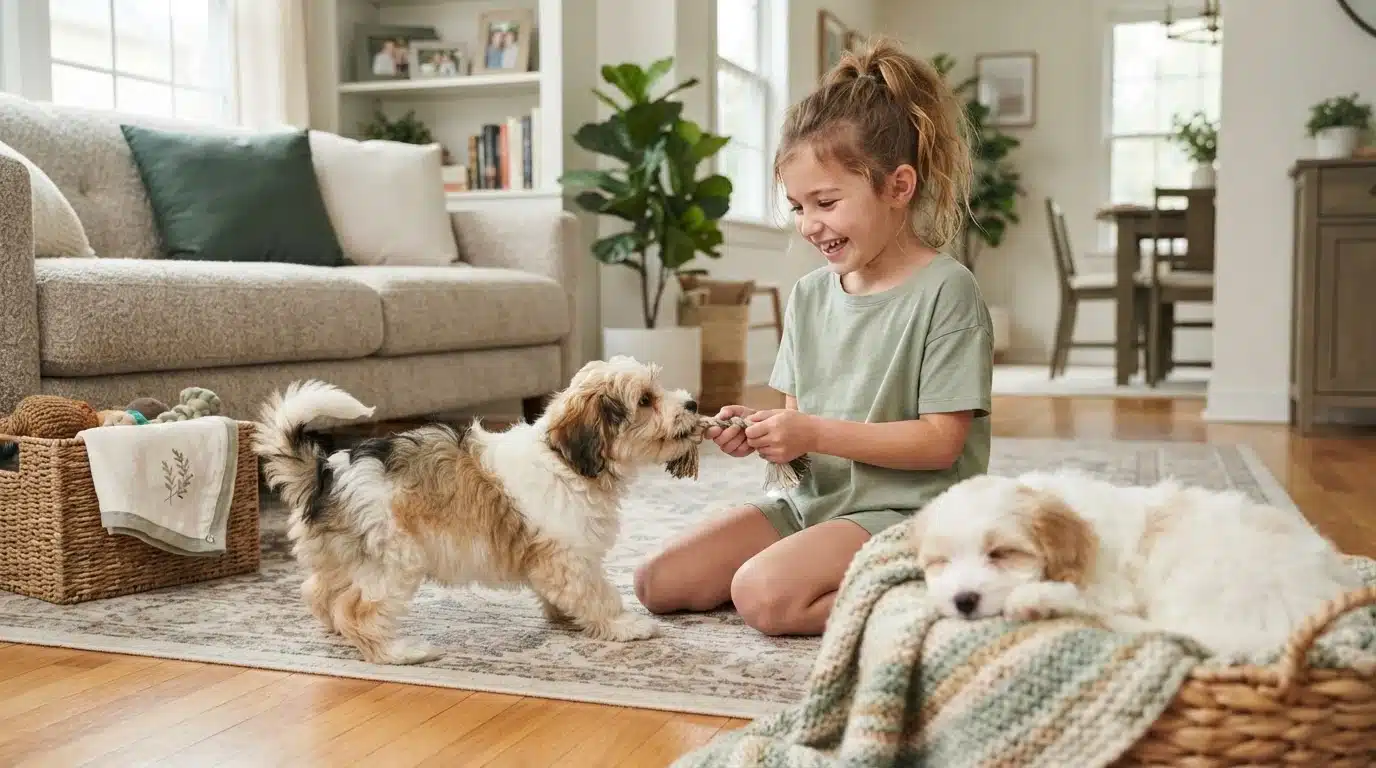
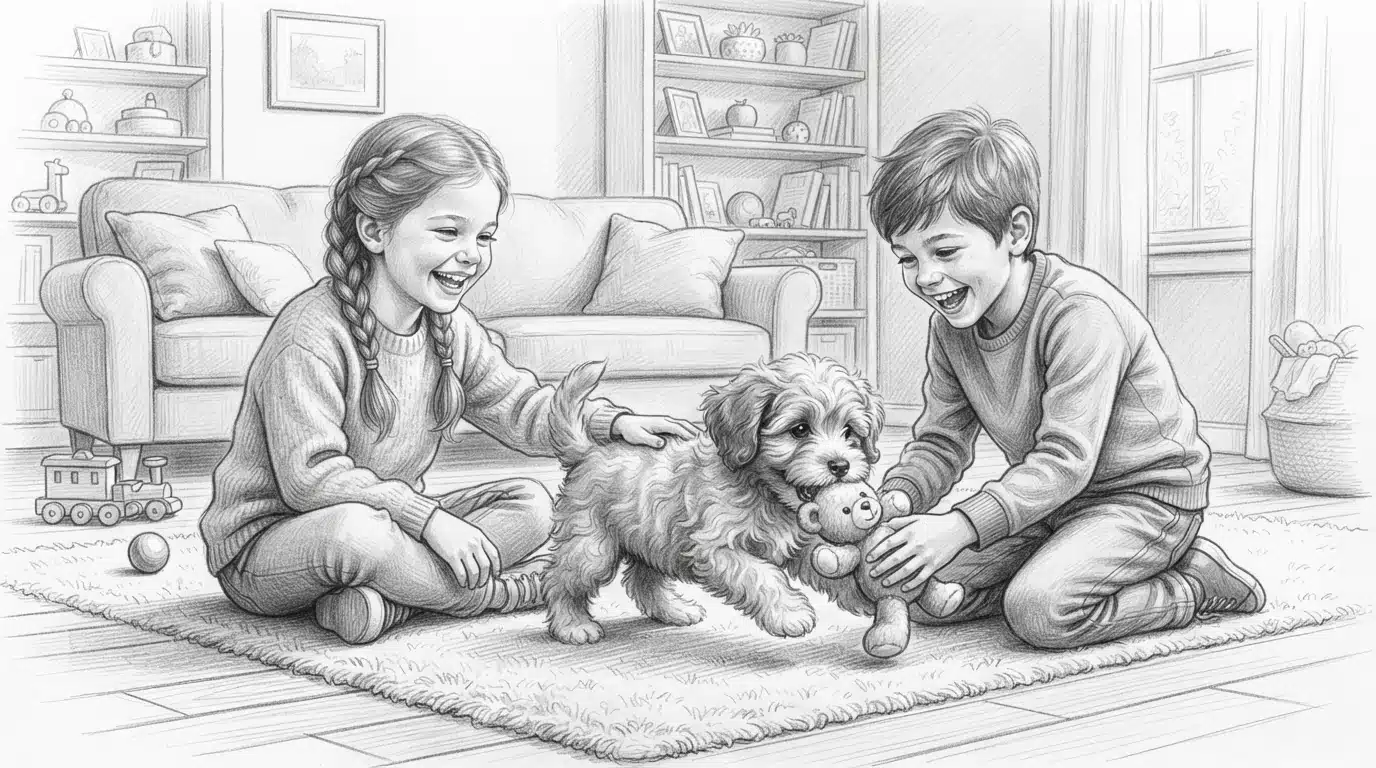
Havapoos get along well with people of all ages, though their small size means very young children need supervision, according to PetMD’s breed overview. A dog that weighs 10 to 20 pounds can be hurt by a fall or a rough hug, even a loving one.
The good news is that most Havapoos are patient and playful. They enjoy games, follow kids from room to room, and recover quickly from noisy households. Their Havanese parent breed was built to be a companion, so charm runs deep.
Set ground rules early. Teach children to sit on the floor for pickups, avoid grabbing ears or tails, and let the dog walk away when it wants. A dog that can choose to opt out rarely feels cornered, and a dog that never feels cornered rarely snaps. That trade protects both sides.
With Other Pets and Dogs
Havanese tend to do well with dogs, cats, and other pets, and often want to play with them, as Orvis notes. Havapoos usually inherit that same social streak. Expect curiosity first, then play bows and zoomies once your resident pet accepts the newcomer.
Introductions still matter. Keep the first meetings short, on neutral ground if possible, and let the slower animal set the pace. Cats need an escape route, and small pets like birds or hamsters should stay safely housed, because a doodle’s play drive can misread a flutter as an invitation.
Watch size gaps too. A Havapoo can hold its own with most family dogs, but a giant breed can injure it in ordinary roughhousing. Separate play when the size difference is extreme, and you avoid most trouble.
With Strangers, Guests, and New Situations
Most Havapoos greet guests warmly rather than warily. The Havanese line gives many of them a “love everyone” streak, though individual dogs vary, and some bond hardest with one person, a pattern Havanese owners often describe. Expect happy wiggles at the door, then a settle once the novelty fades.
Early socialization shapes this more than genes do. Between 8 and 16 weeks, expose your puppy to doorbells, strollers, car rides, and calm strangers. Keep each new thing short and positive, and pair it with treats.
The Havapoo’s gentle, warm nature makes it reliably friendly with respectful visitors, and steady exposure keeps new situations from becoming scary ones later in life.
Behavior Challenges Unique to the Havapoo Personality
Havapoos are easy to love, but no breed is trouble-free. The same traits that make them charming, deep attachment, sharp hearing, and a clever mind, can create friction in the wrong setting. Knowing which quirks are inherited helps you respond with training instead of frustration.
Companionship Needs and Alone-Time Frustration
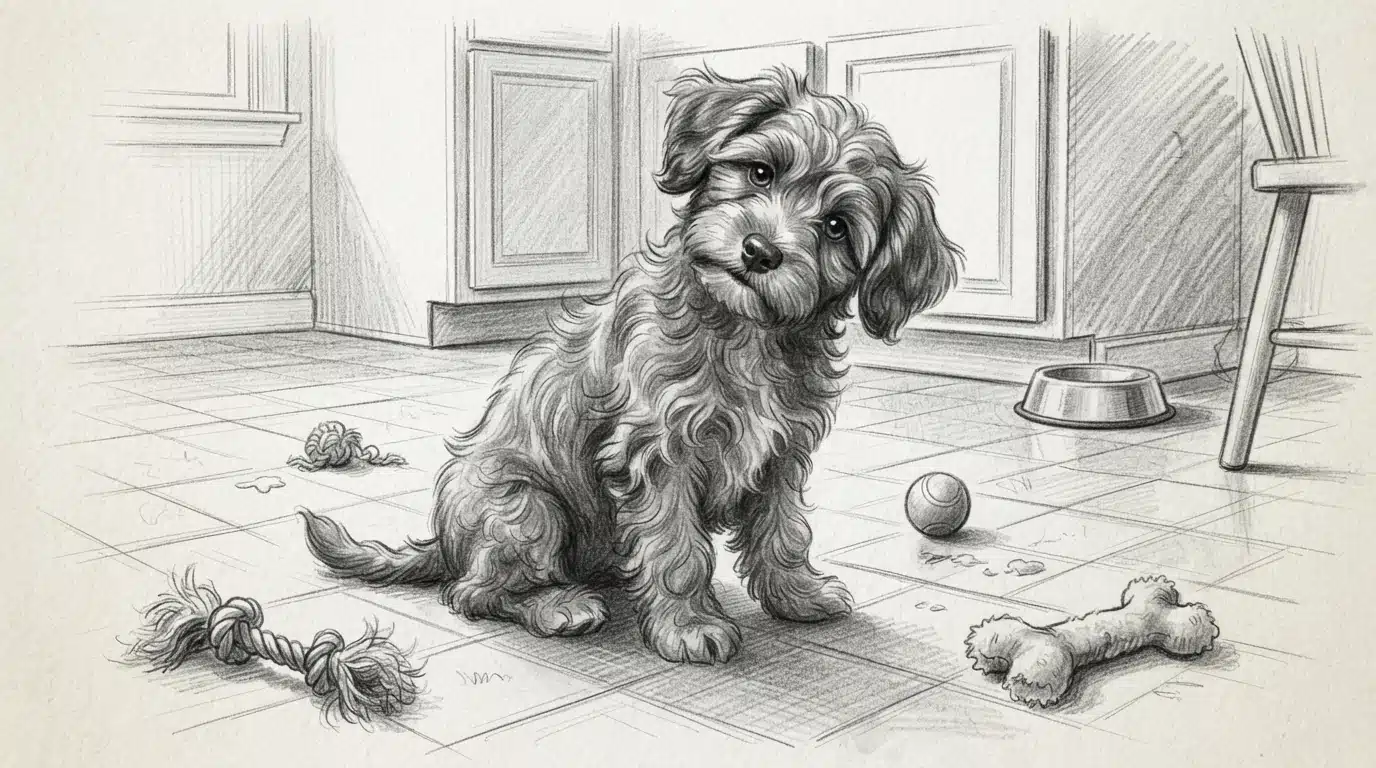
A Havapoo bonds hard with its people. That loyalty has a flip side: many struggle when left alone, and long hours can lead to whining, pacing, or housetraining slips. The ASPCA notes that dogs with separation anxiety bark or howl persistently once their person leaves, along with other distress behaviors. Havapoos “don’t enjoy being alone for long” and may bark excessively without enough attention, according to PetMD’s breed overview. If your household is gone ten hours a day, plan for a dog walker, midday break, or a second pet before you commit.
Alert Barking and the Watchdog Trait
The Havanese side brings a built-in alarm system. These dogs notice every delivery, squirrel, and neighbor, and they like to report it. That watchfulness is useful if you want a small alert dog, but it becomes a habit fast. Teach a “quiet” cue early, reward calm moments, and avoid accidentally rewarding barking with attention. Families in apartments should take this trait seriously, because thin walls amplify a committed barker.
Stubborn Streaks and the Sensitive Side
Havapoos are smart, and smart dogs sometimes negotiate. You may see selective hearing during training, especially when something more interesting is nearby. The fix is short, upbeat sessions with real rewards, not repetition drills. Here is the other half of the picture: Havapoos are sensitive, so harsh corrections backfire and can shut a puppy down. Keep your voice light and let the dog choose to succeed. Breeders who raise puppies in the home, like the team at Sage Puppies, can tell you which pups lean bold and which lean soft, which helps with matching.
Matching a Havapoo’s Personality to Your Lifestyle
A Havapoo thrives when its home matches its social, people-first nature. Before you fall for the fluffy face, check how your daily routine lines up with what this mix actually needs. The Havapoo temperament study from Sage Puppies breaks down how these traits compare to the Cavapoo, which helps if you are still deciding between the two.
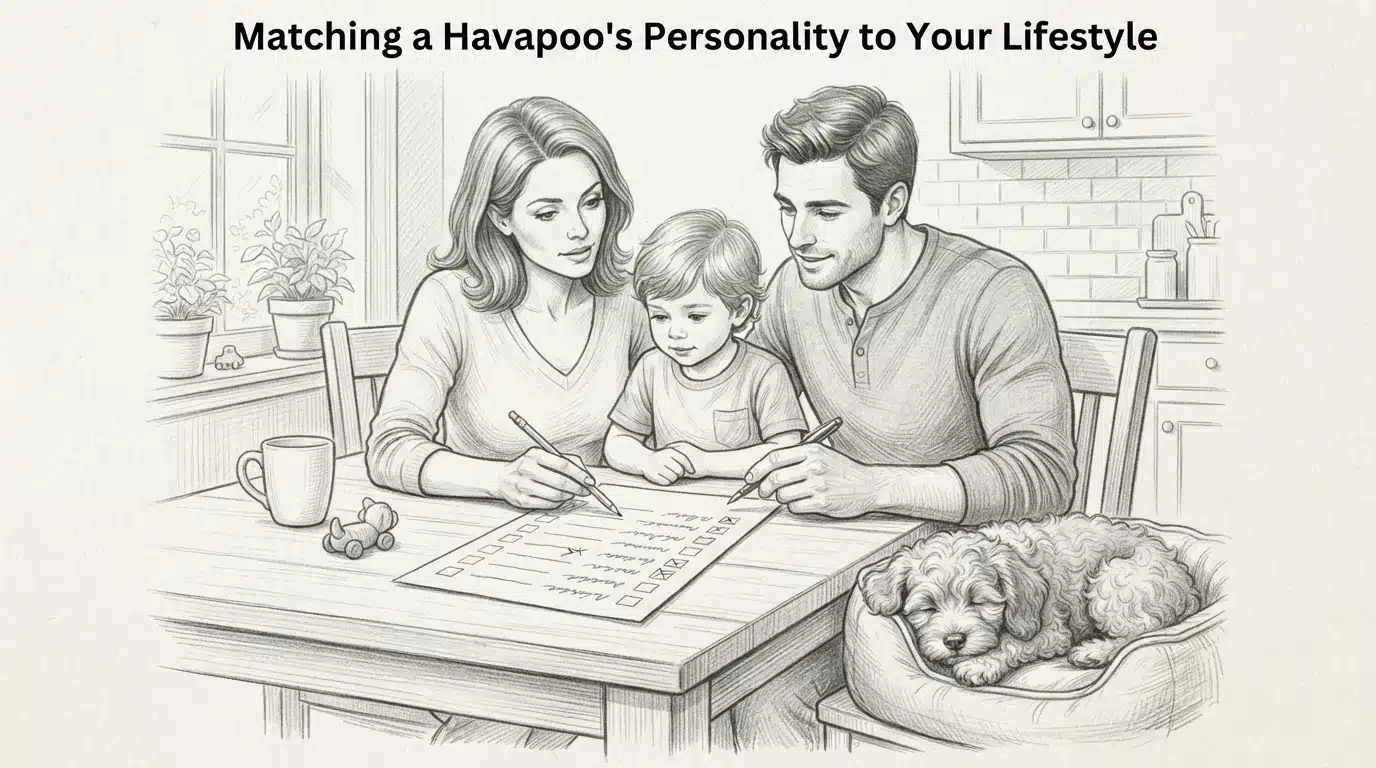
A Quick Personality Fit Checklist
Score yourself honestly on each point:
- Company most of the day. Havapoos bond hard and dislike long solo stretches. Can someone be home most days?
- Time for short play sessions. Plan two or three 15-minute play or walk blocks daily.
- Patience for grooming. Brushing several times a week is non-negotiable with that coat.
- Gentle kids or calm adults. These dogs are sturdy for their size but still small.
- Openness to training. They are eager to please, yet they still need consistent, kind guidance.
- Budget for care. Grooming, quality food, and vet visits add up over 12 to 15 years.
Four or more yes answers? Good fit.
Best and Toughest Home Setups for a Havapoo
| Home Setup | How It Fits |
|---|---|
| Retirees or remote workers | Steady company suits their companion nature |
| Families with gentle, school-age kids | Playful, tolerant, and eager to join the action |
| Homes with another friendly small dog | Built-in playmate eases alone time |
| Full-time office households with no pet plan | Long hours alone can fuel separation stress |
| Loud, chaotic, high-traffic homes | Sensitive dogs may stay on edge |
The toughest fit is long, quiet days with no one home. If that describes your week, a dog walker or doggy daycare can bridge the gap, but plan for it before puppy arrives.
How Early Development Shapes Real Havapoo Temperament
Genes set the range, but a puppy’s first months decide where a Havapoo lands inside it. Two pups from the same litter can grow into very different adults depending on what they experienced early on.
Socialization Window and Personality Foundations
The primary socialization window runs from about 3 to 14 weeks of age, according to the AVSAB position statement, and what happens then sticks for life. Puppies who meet calm adults, kids, other dogs, and everyday sounds during this period tend to stay confident later. Those who miss it often grow shy or reactive, even with great genetics. Breeders handle the earliest weeks, so ask how puppies were raised before they come home.
What Health Testing and Early Handling Add Up To
Temperament also depends on comfort. A puppy screened for inherited conditions and gently handled from day one learns that people are safe, which shows up later as easy grooming and vet visits. This is where the parent breeds’ health history and a breeder’s daily routine matter more than looks. Read a program’s early development approach before you commit, because those first weeks shape the dog you will live with.

A gentle, people-focused Havapoo starts with a breeder who shapes temperament from day one. If that’s the companion your family wants, Sage Puppies matches families with well-socialized Havapoo puppies through a simple, owner-managed process. Visit the site to see available puppies and start your application today.
Frequently Asked Questions
Q1: havapoo temperament and personality traits
Havapoos are warm, playful, smart, and deeply attached to their families. They inherit a people-focused nature from the Havanese and intelligence from the poodle, so expect a cheerful companion that follows you around, learns fast, and needs steady company.
Q2: Do Havapoos bark a lot?
They can. The Havanese side makes them alert watchdogs who report every delivery and squirrel. Teach a “quiet” cue early, reward calm behavior, and don’t reward barking with attention, especially in apartments.
Q3: Are Havapoos good with children?
Yes, with supervision. Most are patient and playful with school-age kids, but a 10 to 20 pound dog can be hurt by rough hugs or falls. Teach children gentle handling and let the dog opt out.
Q4: Can a Havapoo be left alone during the workday?
Long solo stretches stress many Havapoos. If your household is gone ten hours, plan a midday dog walker, daycare, or a second pet before you commit.
Q5: How much exercise does a Havapoo need?
Short sessions. Two or three 15-minute play or walk blocks daily usually meet their needs. They play happily, then settle on the couch, so no hour-long runs required.
Q6: Are Havapoos easy to train?
Usually, yes. Both parent breeds are smart and eager to please, so short, positive sessions work fast. Harsh corrections backfire because these dogs are sensitive.
Q7: Do Havapoos get along with cats and other dogs?
Most do. Expect curiosity, then play once your resident pet accepts the puppy. Keep early meetings short and neutral, give cats an escape route, and separate play with much larger dogs.
Conclusion
A Havapoo’s temperament blends the Havanese’s warm, people-first nature with poodle intelligence and playfulness. The result is a cheerful, trainable companion that thrives on company, gets along with gentle kids and other pets, and adapts well to first-time owners.
Genes set the range, but early socialization and handling decide where your puppy lands within it. The same traits that charm can create challenges: sensitivity to harsh handling, alert barking, and real difficulty with long hours alone.
Match the dog’s social needs to your household honestly, and a Havapoo rewards you with years of loyal, affectionate company.