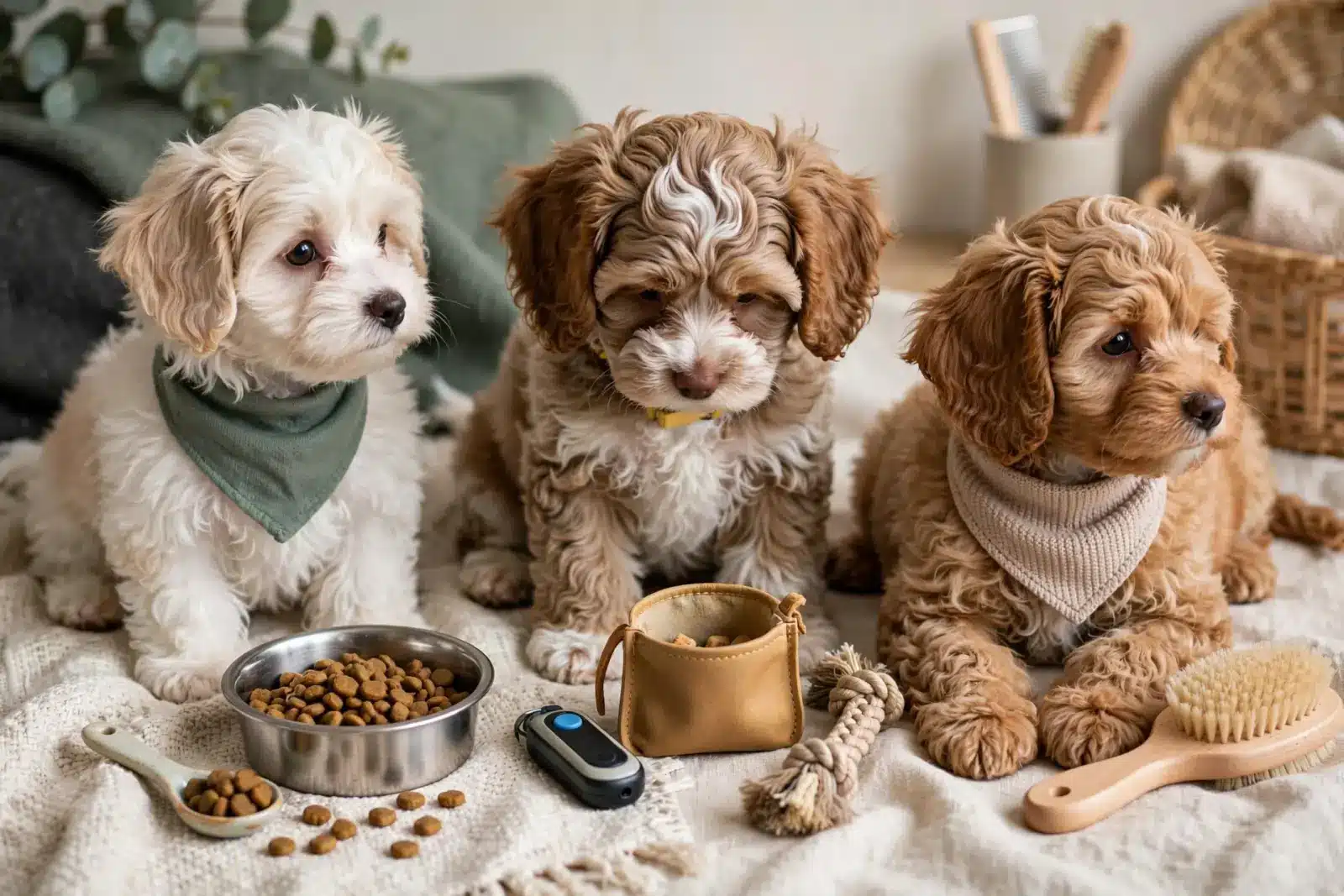
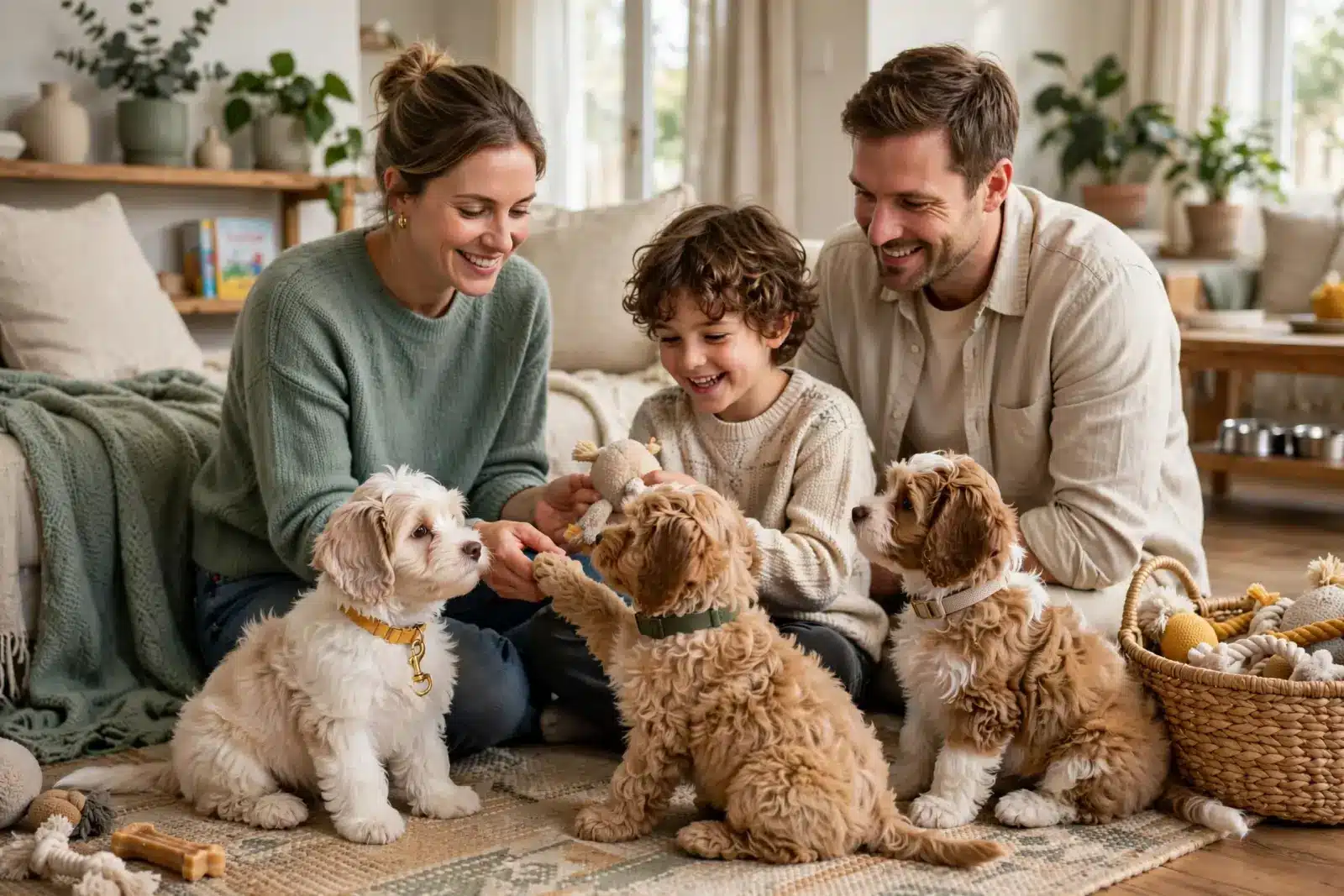
Quick Summary: Havapoo puppy training works best through short, reward-based routines that adapt to your puppy’s age, sleep, meals, and signals rather than a fixed schedule. Start with name recognition, a marker word, attention, handling, consistent potty breaks, crate rest, basic cues, bite inhibition, and loose-leash walking, using calm guidance instead of punishment. Keep sessions to three to five minutes, reward desired behaviors immediately, and end on an easy win.
The first night with a new Havapoo, you hear tiny claws on the kitchen floor and a soft, questioning whine from the crate you set up two hours ago. You have read the potty articles, the pads are ready, and you still do not know what to do at 11 p.m. This guide is the plan for that night and every one after it.
Most first-time owners struggle because they expect a schedule instead of skills. Real Havapoo puppy training is not a fixed calendar. It is a small set of routines you adjust as your puppy grows: reward-based marker work, gentle crate practice, a potty routine, and reading your dog’s signals. As a small Havanese-poodle-mix breeder program in South Jordan, Utah, we raise these puppies daily and built this guide around what actually helps new families in the first month.
Set Up Your Home and Your Plan Before the Puppy Arrives
How long should Havapoo puppy training sessions be? Keep each one to three to five minutes, and repeat them two to four times a day. Short, happy sessions beat one long lesson, because a young puppy’s focus fades fast.
Building a Calm Base Before You Teach Anything
Puppy-proof one room first. Move cords, shoes and plants out of reach, then set up a rest zone with a crate, a bed and a water bowl. A quiet space lowers stress, and a settled puppy learns faster. Havapoos are sensitive, so calm handling from day one matters more than any drill.
Choosing Treats, a Marker and a Session Length
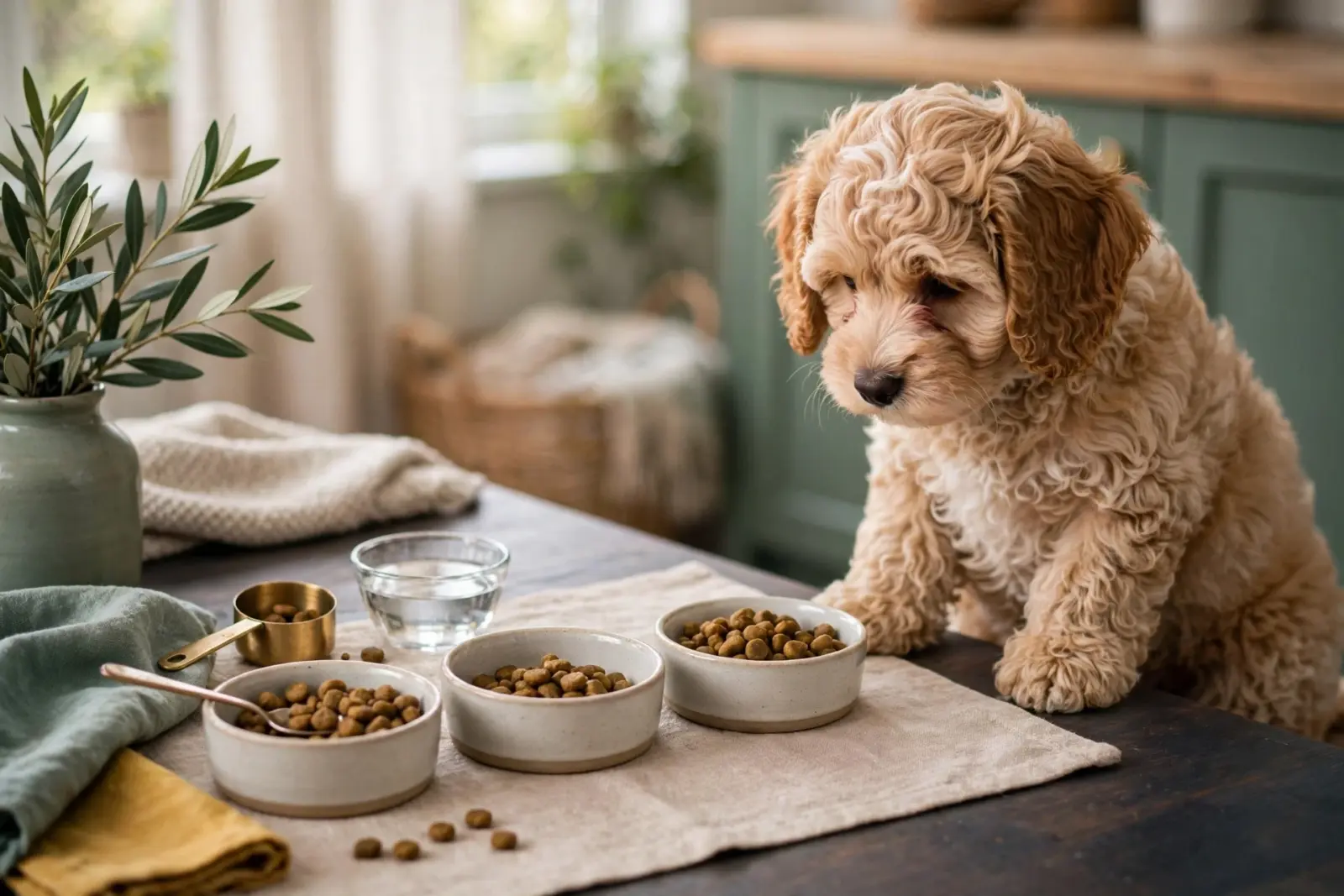
Pick soft, pea-sized treats your puppy can swallow in a second. Then choose a marker, a short word like “yes” or a clicker, and pair it with a treat until the sound itself feels like a reward. That is the core of reward-based puppy training. Keep sessions to three to five minutes and end while your puppy still wants more.
An Adaptable Daily Rhythm, Not a Fixed Schedule
Skip rigid calendars. Build your day around sleep, meals, potty breaks and play, and slot training into moments you already have, like before dinner. Every Havapoo matures at a different pace. For what the first month looks like in practice, see our first 30 days with a Havapoo puppy.
Day One Skills: Name, Marker, and Attention
Your puppy’s first training day needs no commands. Three small skills, started now, make every later lesson easier: a name that means “look at me,” a marker word, and calm handling.
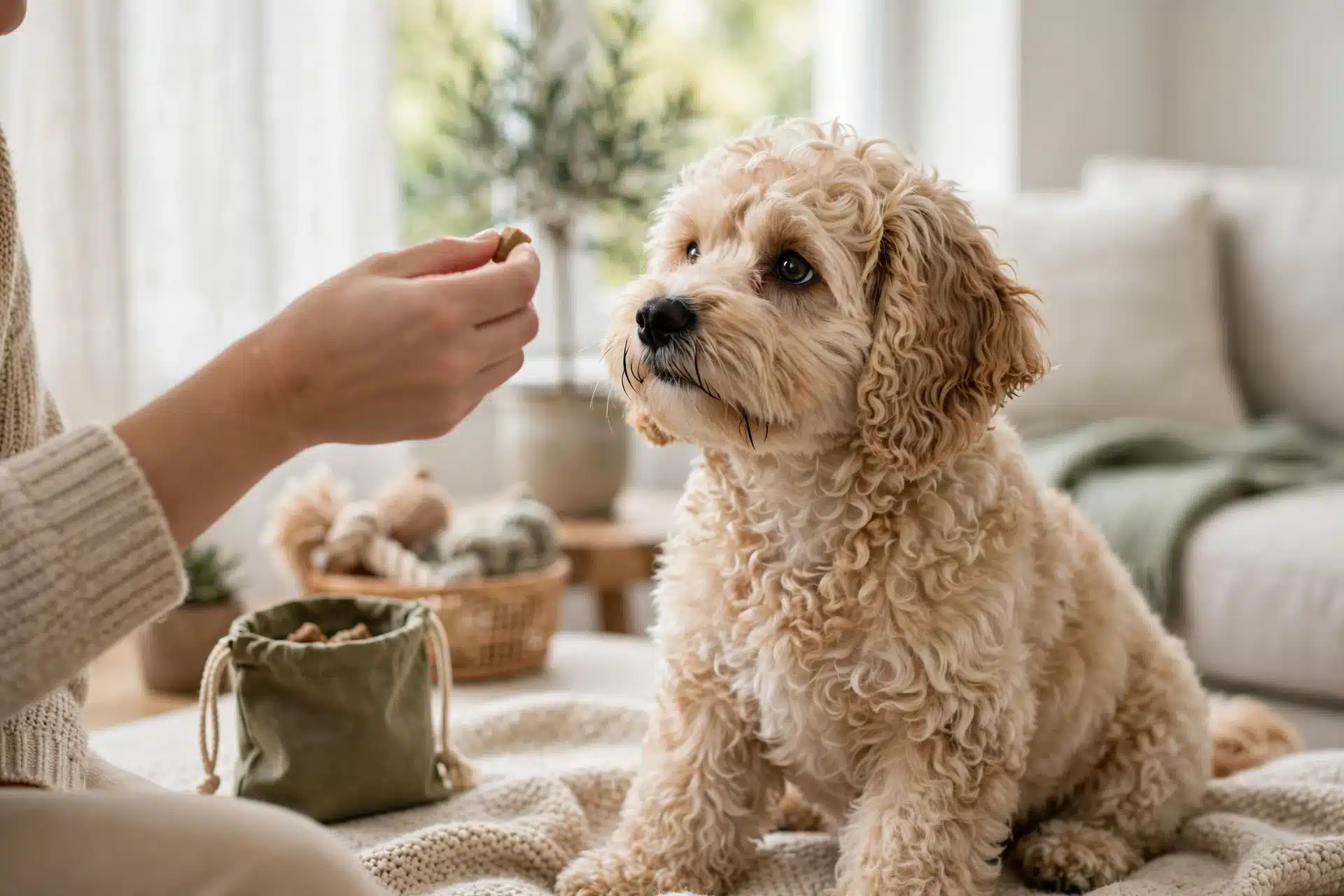
Making the Name Meaningful in One Afternoon
Say your puppy’s name once, in a happy voice. The moment she glances at you, say “yes” and give a treat. Then wait a minute and try again. Repeat five or six times, then stop. Skip “no” after the name, and never repeat it twice, because that teaches her the second call is the real one. Within an afternoon, a Havapoo usually starts checking in whenever she hears it.
Building Attention Before You Ask for Anything
A marker word, usually “yes,” tells your puppy the exact moment she earned a reward, which makes reward-based training far clearer than praise alone. Load it first: say “yes,” feed a treat, pause, and repeat ten times. Now attention itself becomes a skill. When she chooses to look at you, mark and pay. Trainers who use markers report dogs learn faster because the timing is precise, so protect eye contact instead of demanding it.
Handling and Paw Checks the Easy Way
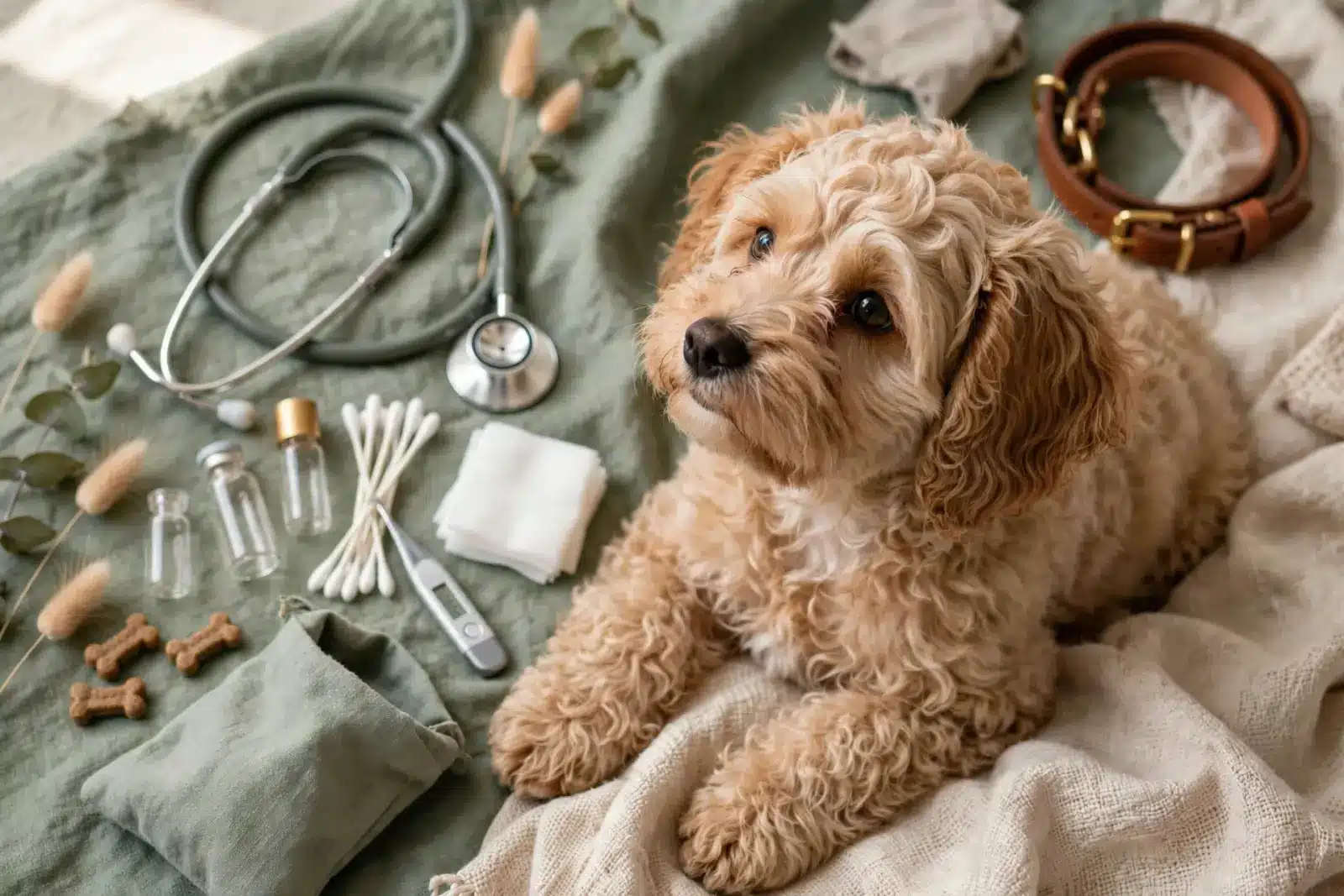
Havapoos need regular grooming, so handling should start on day one. Touch a paw, mark, treat. Handle an ear, mark, treat. Keep each session under two minutes and end while she is still happy. If your puppy is teething or sore, check her over gently and read about a Havapoo puppy health checklist before brushing becomes a battle.
Potty Training Basics That Fit Your Puppy’s Needs
House training a Havapoo puppy starts with three habits: one toilet spot, a written log, and calm cleanup. Pick the spot before your puppy comes home. Take her out on waking, after meals, after play, and right before bed. Reward with a small treat the moment she finishes, not back inside. That timing is what teaches her where to go.
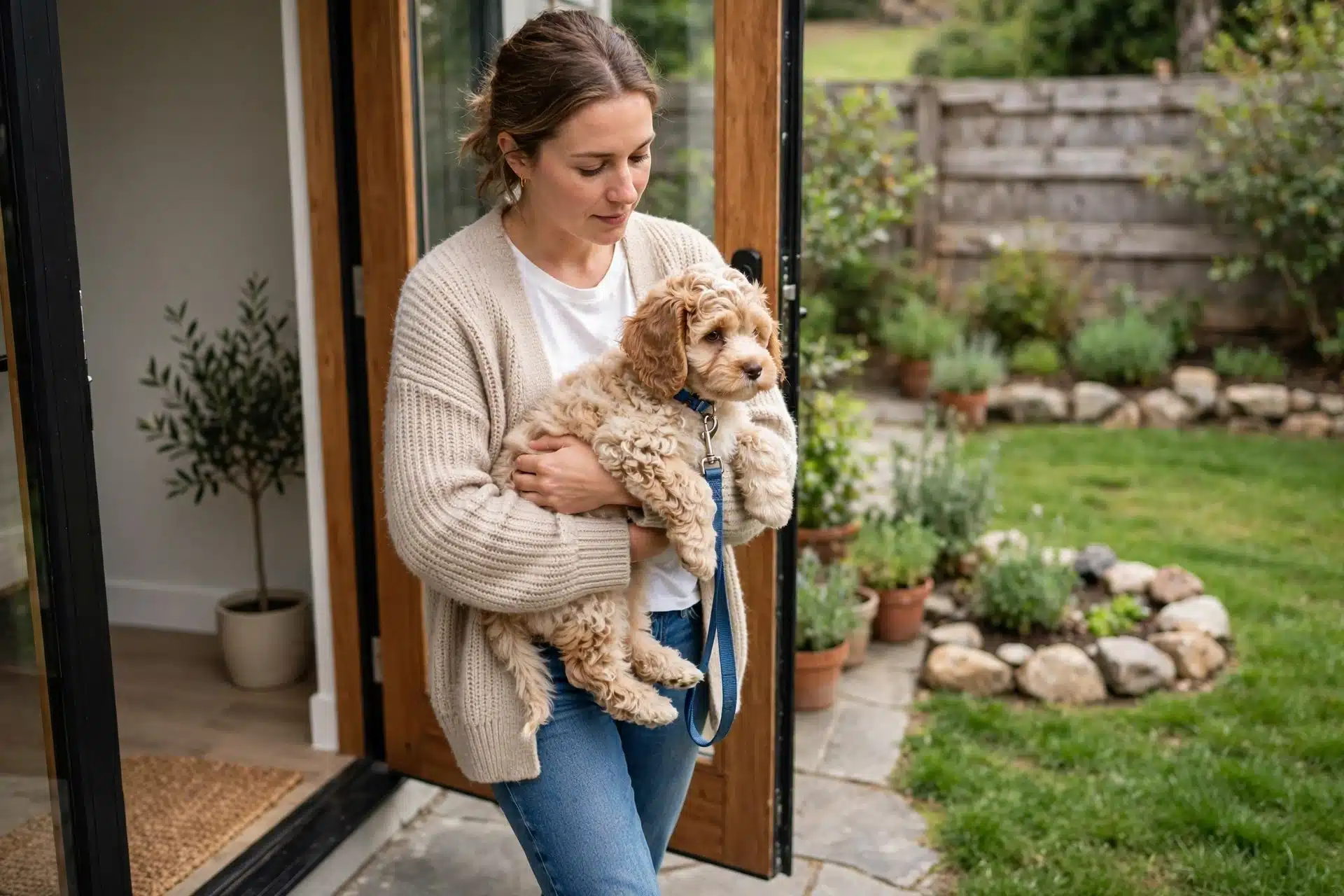
Set Up One Toilet Area and Use It Every Time
Choose a small patch of grass or one pad station and go there for every trip. Puppies learn by scent, so each success at the same spot builds the habit faster. Keep the route the same too: out the same door, to the same place. For families working on the wider puppy potty training routine, consistency matters more than speed.
Finding Your Puppy’s Own Rhythm by Logging
Keep a simple log for the first two weeks. Write down each potty time, meal, nap, and accident. After a few days, a pattern appears, and most Havapoos settle into a rhythm of needing out within 15 to 30 minutes after eating or drinking. Your log tells you when, so you stop guessing and start leading your puppy outside on her schedule, not a fixed calendar.
Accidents, Cleanup and Why Punishment Backfires
Accidents will happen, and how you respond shapes everything. Never scold or push a puppy’s nose into the mess. Modern veterinary behavior guidance warns that punishment after the fact teaches fear, not manners, and it often hides the problem: puppies learn to potty out of sight. Clean soiled spots with an enzymatic cleaner so no scent remains, and watch for signs like sniffing or circling to catch the next one early.
Crate Training as Rest, Not Punishment
A Havapoo who treats the crate as a bedroom naps there happily for life. One who gets shut in as a penalty learns to dread it. So the crate means rest, chews, and calm, never timeouts. Introduce it like this: set it up with the door open, let the puppy wander in on its own, and drop treats inside without closing anything. Feed one meal a day just inside the doorway.
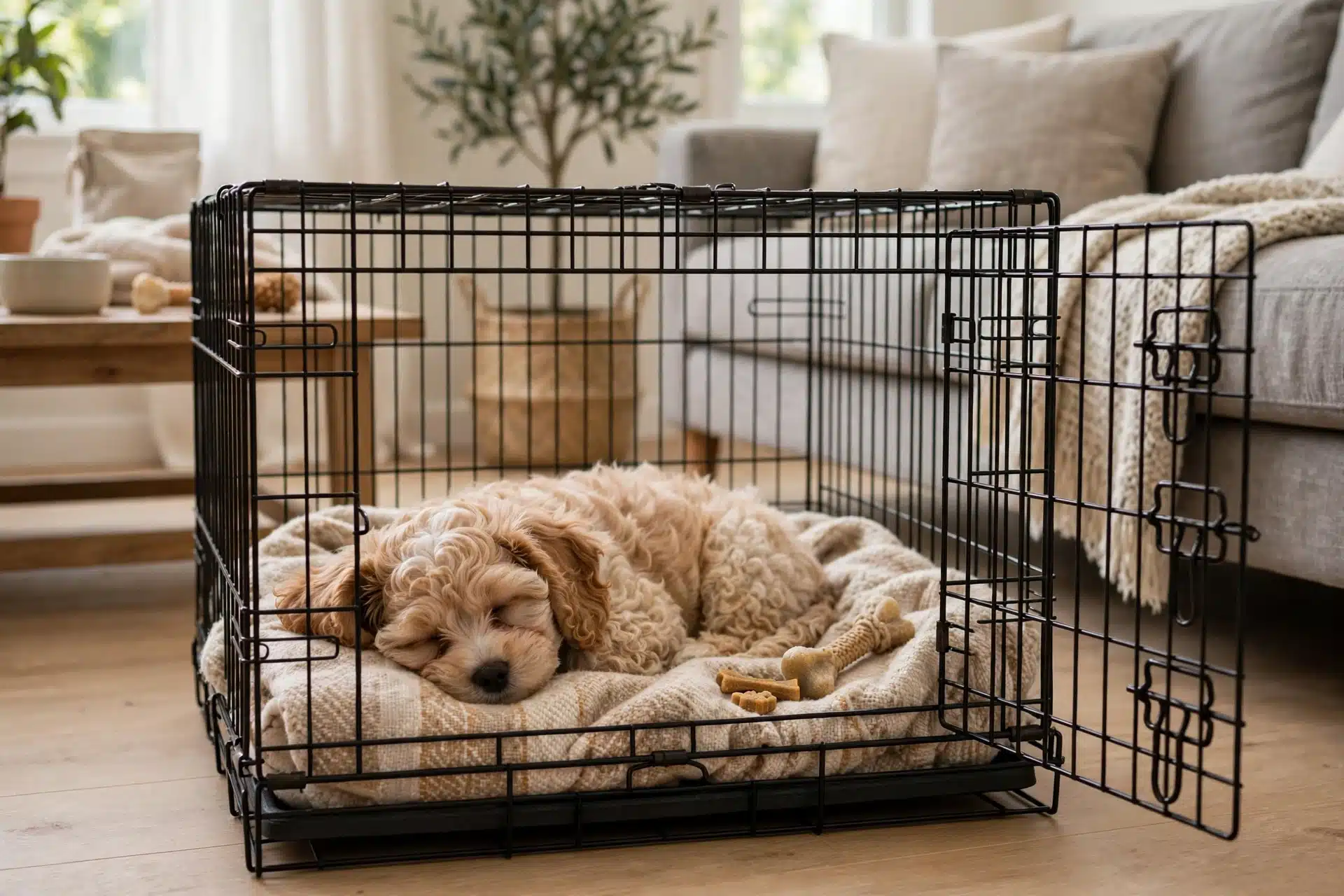
Introduce the Crate Like a Piece of Furniture
For the first few days, the crate just sits there. Door open, soft bedding inside, a few kibble tossed in when the puppy strolls past. Let your Havapoo sniff it, nap beside it, and claim it at their own pace. Rushing this step is why so many small breed puppies fight the crate later.
Going In, Staying In, and Coming Out Calmly
Once the puppy goes in easily, add a cue word, then close the door for one minute while you sit nearby. Build up slowly: five minutes, ten, then short absences. The hard part for most first-time owners is the exit. Wait for calm, open the door quietly, and never let a barking puppy out. Calm earns freedom; fuss resets the clock.
When Crate Distress Shows Up
Whining for a few minutes is normal. True distress looks different: nonstop howling, drooling, or scratching at the door. If that happens, shorten the sessions, move the crate into your bedroom, and slow the whole plan down. If panic continues past the first week, ask your vet, since ongoing crate distress can point to separation anxiety rather than a training gap.
The Core Skills: Sit, Down, Come, and Leave It
The basics of Havapoo puppy training come down to four cues, taught with rewards in short sessions:
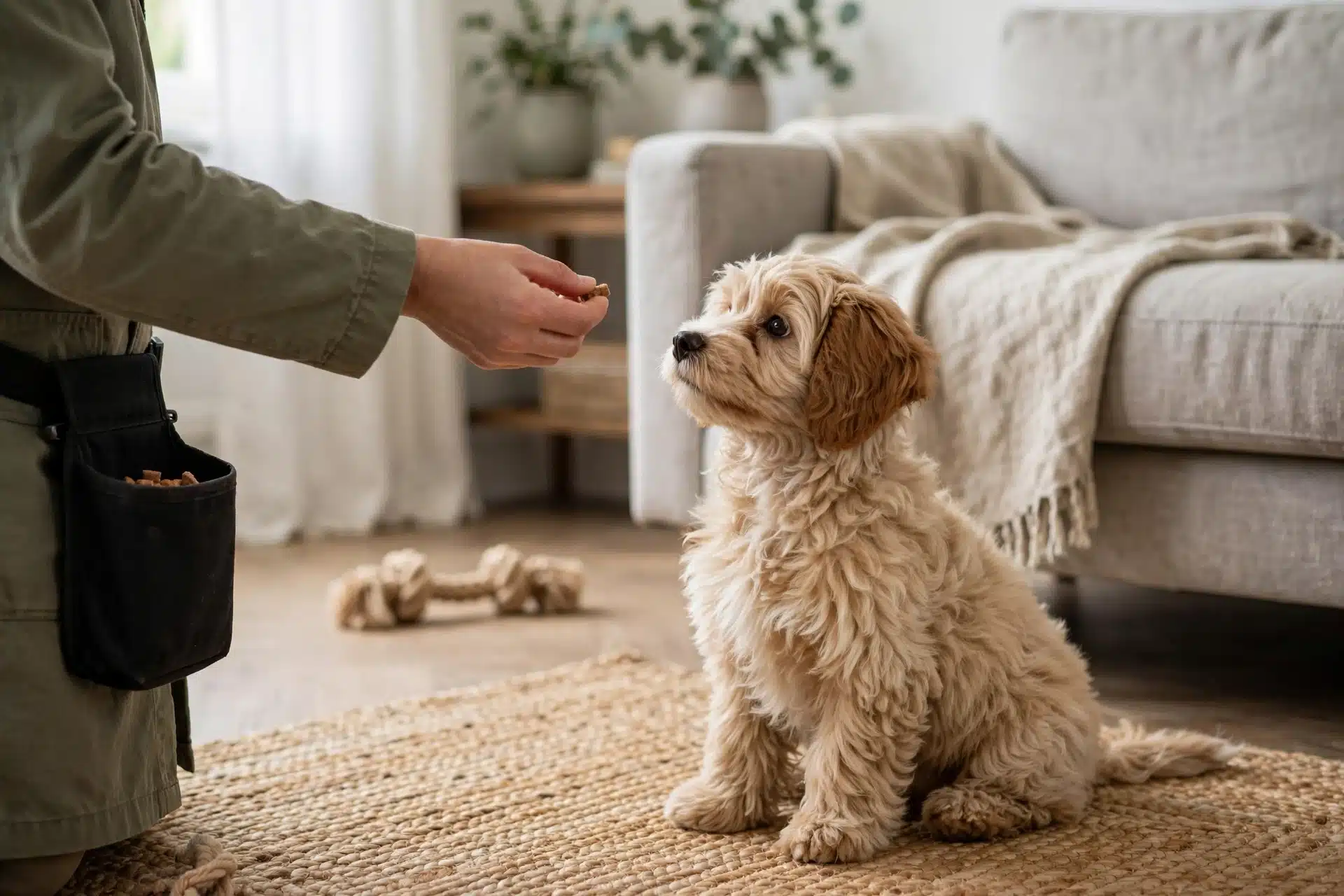
- Sit: hold a treat at your puppy’s nose, lift it back over the head, and mark the moment the rump lands.
- Down: lure from the sit straight to the floor, then reward on the ground.
- Come: say the cue once, run a step away, and pay generously every time.
- Leave it: cover a treat, wait for eye contact away from it, and trade up for something better.
Sit and Down: Two Cues You Can Teach at the Same Time
Teach sit first because most other skills build on it. Lure with a small treat over the head, then mark and reward. For down, move the lure straight down between the front paws. Say each word once, only after your puppy already offers the move, so the cue stays clean. Two or three sessions a day of under five minutes beat one long one, which is easy to fit around the naps that fill a young Havapoo’s day.
Build a Recall That Feels Good
Recall has one rule: coming to you should always be the best part of your puppy’s day. Start indoors, one step away, with high-value treats and a happy voice. Say the name and cue once, reward every arrival, then release your puppy back to the fun. Never call your puppy to do something unpleasant, like a nail trim; go get him instead. Once indoor recall is quick, add mild distractions, then a long line in the yard. As Cornell’s canine health center advises, keep early cues brief and end on success.
Leave It: Trading, Not Taking
Leave it teaches your Havapoo to turn away from something tempting instead of grabbing it. Hold a treat in a closed fist, let him sniff and paw, then mark the moment he backs off and pay with a different, better treat. That trade structure matters: he learns giving things up pays well, so he will not learn to guard objects from you. Practice with a toy on the floor, then in more distracting spots. This skill is a safety tool as much as a manner, since it covers dropped food, socks, and street finds.
Mouthy Play, Chewing and Bite Inhibition
Why Puppies Mouth and What You Want Instead
Mouthing is normal. Puppies explore with their teeth and practice bites on littermates, so your hands and sleeves are fair game in their mind. The goal is not a mouth-free puppy by week two. It is bite inhibition, a dog’s learned ability to control how hard it bites. The ASPCA treats this as a core puppy lesson, not a flaw to punish.
Teaching a Soft Mouth, One Step at a Time
Let gentle mouthing happen at first. When a bite hurts more, yelp and pause play for a few seconds. Resume. If the hard bites return, end the game briefly. Consistency teaches pressure limits faster than scolding ever will. Once mouthing is soft, teach that teeth on skin ends fun entirely, and redirect to a toy.
Choosing Chew Items That Survive a Havapoo
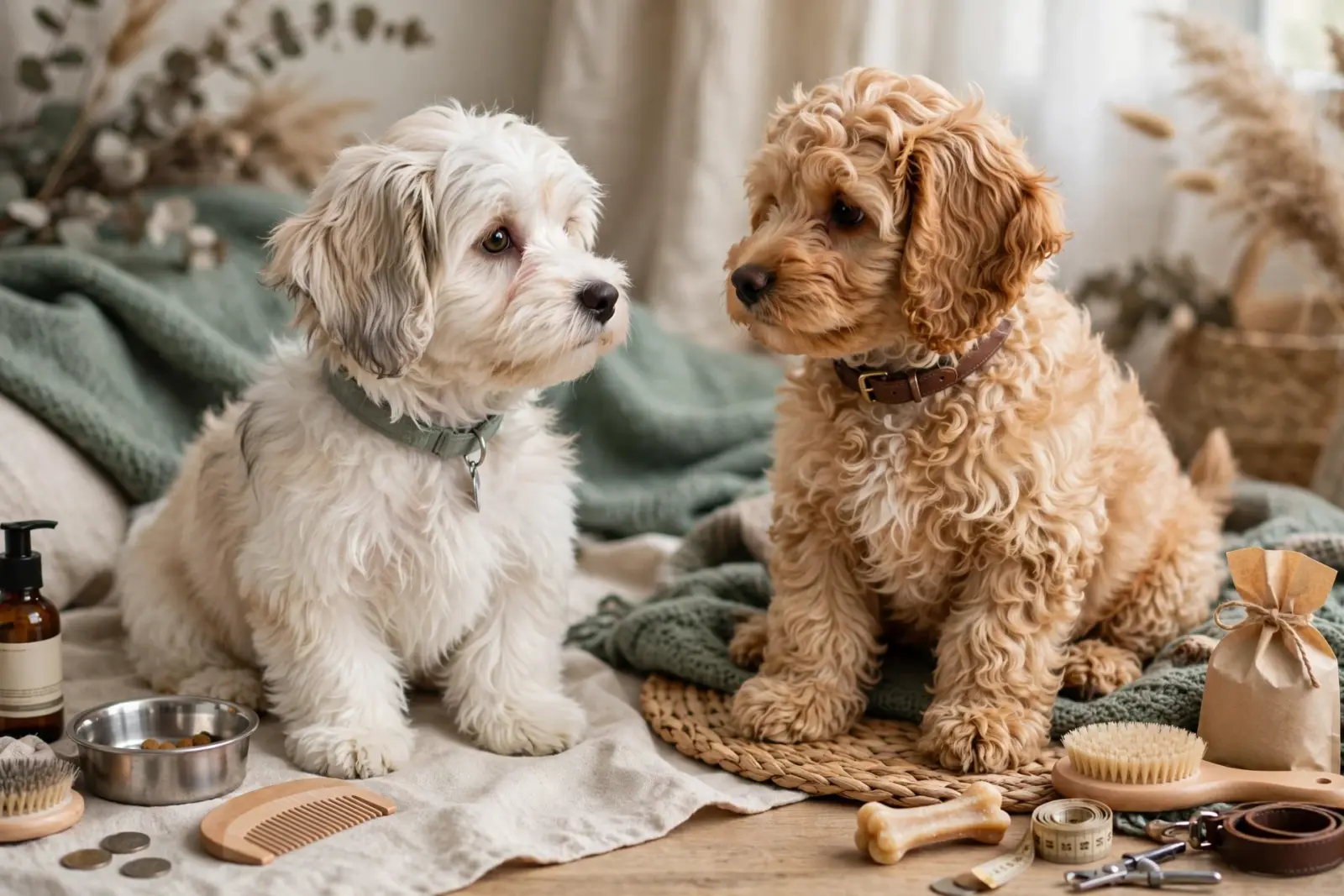
A Havapoo’s small jaw still damages cheap toys, so pick items sized for small breeds with no easily shredded stuffing. Rotate two or three chews so novelty lasts. If a toy cracks or tears, replace it. Our small breed puppy care guide covers safe chew sizing in more detail.
Loose-Handed Leash Walking and Everyday Manners
A Havapoo is small, so pulling feels harmless. It is not. A dog who drags on the leash learns that pulling works, and that habit follows you everywhere. Loose-lead walking for small dogs starts the same way it does for big breeds: reward the slack, never move into tension.
Getting the Equipment and the First Loose-Line Walk Right
Use a flat harness and a four to six foot leash. Skip retractable leads; they teach pulling by paying it out. Start indoors or in the yard with no distractions. When your puppy is near you with slack in the line, mark it (“yes!”) and treat at your seam. The UC Davis veterinary teaching hospital recommends rewarding what you want instead of correcting what you do not, which is exactly how this works. Two minutes of practice beats twenty of nagging.
A Mat Settle and Calm Greetings
Puppy settling on a mat gives your Havapoo a portable “place.” Toss a treat on the mat, mark when all four paws land, and build duration slowly. Later, take the mat to a friend’s porch or a cafe. Greetings follow the same rule: your puppy earns attention with four paws down. If she jumps, the person turns away. Reward-based puppy training lets the puppy choose the right behavior instead of forcing it.
Building Walks Up Gradually
Keep early walks short, five to ten minutes, in quiet spots. If the leash tightens, stop and wait. The moment she returns or softens, mark and move again, so tension becomes a red light and slack a green one. Lengthen walks as she succeeds, and vary routes so the skill holds up anywhere. If your Havapoo’s breeder started leash exposure early, as good programs like Sage Puppies do, you are building on a head start rather than starting cold.
Common Mistakes to Avoid
Corrections That Take One Minute
Most first-month mistakes come from good intentions, not lazy training. Watch for these.
- Skipping rest. A Havapoo puppy that nips and loses its mind is often just overtired. Enforced naps in the crate fix more behavior than any training session.
- Repeating cues. Say “sit” once. Repeating it teaches your puppy to wait for the third ask.
- Correcting accidents. Never rub a nose in it. Just clean with an enzymatic cleaner and stick to your routine.
- Free-feeding. Predictable meals make your potty schedule work; grazing makes timing a guess.
- Letting biting go “because it’s cute.” Redirect to a toy now, before the jaws get stronger.
Quick fix: if a session goes badly, end it on an easy win and try again after a nap.
Small corrections, made early, keep bad habits from ever settling in.

Training works best when it starts on day one, and the right puppy makes those first weeks easier. If you want a well-bred Havapoo with a head start on handling and socialization, visit Sage Puppies to see available puppies and start your application.
Frequently Asked Questions
Q1: What are the Havapoo training basics for beginners?
Start with a marker word, a name that means “look at me,” short three-to-five-minute sessions, a consistent potty spot, and crate practice that means rest, never punishment. Those four routines cover most of the first month.
Q2: How long does it take to potty train a Havapoo puppy?
Most owners see real progress within two to four weeks of a consistent routine. Keep a log, reward outside immediately, and clean accidents with an enzymatic cleaner. Progress depends on your consistency more than your puppy’s age.
Q3: How much sleep does a Havapoo puppy need?
Puppies this age need 18 to 20 hours of sleep a day. An overtired Havapoo nips and melts down, so enforced crate naps prevent most problem behavior.
Q4: When should I start leash training my Havapoo?
Right away, indoors or in the yard. Reward slack in the line with a flat harness and a four-to-six-foot leash, and keep early walks to five or ten quiet minutes.
Q5: Should I use a clicker or a marker word?
Either works. A short word like “yes” is always with you; a clicker gives sharper timing. Load whichever you choose with ten treat pairings before using it in training.
Conclusion
Havapoo puppy training in the first month comes down to a few adaptable routines, not a fixed calendar. Use a marker word and short, happy sessions; teach the name, sit, down, come, and leave it; keep potty habits consistent; treat the crate as rest; and guide mouthing toward bite inhibition through trade, not punishment. Adjust the pace to your own puppy, because every Havanese poodle mix matures on a different schedule. Small breed puppy training rewards patience and consistency over speed. Read your dog’s signals, end each session on a win, and the foundations you set now will carry you both for years.