Quick Summary: A Havapoo puppy needs DHPP shots from 6 to 8 weeks through at least 16 weeks, plus rabies between 12 and 16 weeks, with non-core vaccines based on local risks and lifestyle. Before pickup, verify vaccine and deworming records, then schedule a vet visit within a few days to confirm the plan. During the first year, prioritize four to five wellness visits, regular parasite testing and prevention, and weekly checks of weight, teeth, skin, ears, and movement. Sage Puppies provides documented health records, but your veterinarian should determine boosters, rabies timing, and other care decisions.
An eight-week-old Havapoo can look perfectly healthy and still be weeks away from full parvovirus protection. So the most useful thing you can do at pickup is not cuddle first, it is read the vaccine record and book the next appointment before you leave. That gap between cute and protected is the problem this Havapoo health checklist solves. Think of it as a practical Havapoo vaccine guide: what to verify in your puppy vaccination records, which core and non-core puppy vaccines come next, when to schedule the first puppy wellness exam, and which calls belong to your own veterinarian. We raise Havapoo puppies at Sage Puppies in South Jordan, Utah, and we hand every family a documented health record at pickup. This checklist walks you through it stage by stage, so nothing slips through the cracks during those busy first months.
Which Vaccines Does a Havapoo Puppy Need, and When?
A Havapoo puppy needs two core vaccine groups: the DHPP combination shot (distemper, hepatitis, parainfluenza, and parvovirus) and rabies. DHPP starts at 6 to 8 weeks, repeats every 2 to 4 weeks until at least 16 weeks, and rabies is given once between 12 and 16 weeks, with timing set by state law and AAHA guidance. Anything beyond these depends on your dog’s lifestyle, so ask your veterinarian before adding shots.
The core vaccines: DHPP and rabies
DHPP protects against four dangerous, highly contagious diseases, and parvovirus is the biggest threat to a small breed puppy. Rabies is legally required in nearly every US state. Puppies usually get their first DHPP at 6 to 8 weeks and the first rabies shot between 12 and 16 weeks, per the AAHA schedule. Your vet sets the final rabies date based on your state’s rules.
Why the series repeats every few weeks
Maternal antibodies from the mother’s milk block early vaccine doses from fully working. Nobody can predict exactly when they fade, so the series repeats to catch that window. The AAHA guidelines call for the last dose at 16 weeks or older, and a booster one year later. Stopping early is the most common reason puppies stay at risk, so finish every round your vet schedules.
Age-by-age vaccine table for a Havapoo puppy
Here’s the core Havapoo puppy vaccines schedule at a glance. Non-core shots like Bordetella or lepto stay a vet decision based on where you live and your puppy’s exposure, and your Havapoo health checklist should track every dose.
| Puppy’s Age | Vaccine Visit | Notes |
|---|---|---|
| 6 to 8 weeks | First DHPP; deworming check | Breeder often starts this round |
| 10 to 12 weeks | Second DHPP | Vet exam and weight check |
| 14 to 16 weeks | Third DHPP plus first rabies | Rabies timing follows state law |
| 12 months | DHPP and rabies boosters | Annual or multi-year protocols |
Keep the printed records from each visit in one folder. If you’re still choosing a breeder, knowing how to read a health record helps you confirm the first doses were given on time.
Non-Core and Lifestyle Vaccines to Discuss With Your Vet
Core, non-core, and recommended categories explained
Core vaccines, like DHPP and rabies, are given to every puppy. Non-core vaccines depend on where you live and how your dog lives, so your vet picks from a menu. Any good Havapoo health checklist treats these as a discussion, not a checkbox, because the right answer changes from Utah suburbs to tick-heavy woods.
Leptospirosis, Bordetella, and Lyme: when they make sense
Leptospirosis is a bacterial disease spread through standing water and wildlife urine, so it matters if you hike or visit dog parks. Bordetella protects against one cause of kennel cough, and most boarding or grooming facilities ask for it. The Lyme vaccine makes sense mainly where deer ticks are common. AAHA guidance groups these as lifestyle choices, which means your vet weighs local risk for you.
How to have the conversation at the appointment
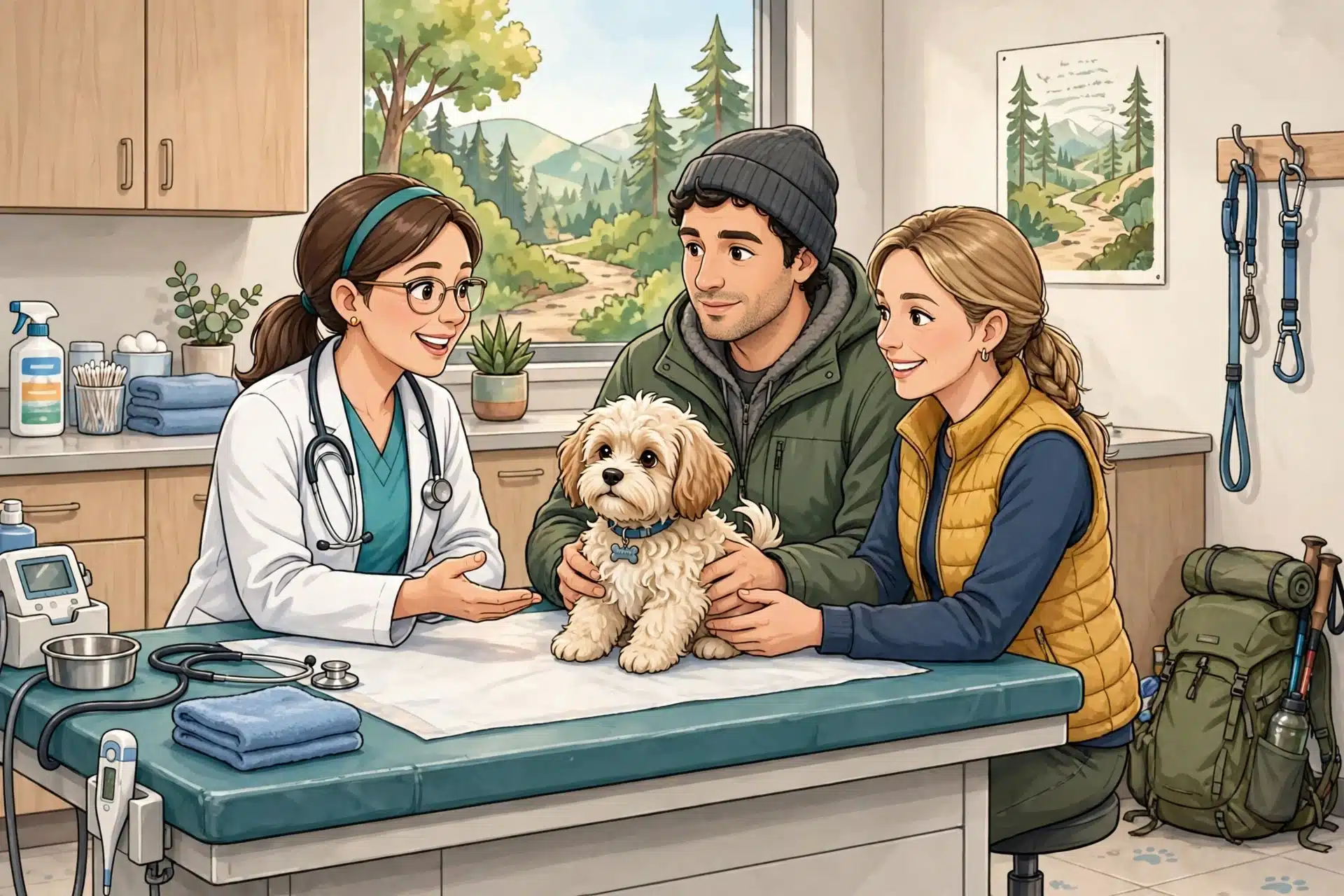
Bring three questions: which non-core shots fit our area, what activities will our puppy actually do, and what boosters come later. Ask what each vaccine protects against and its known limits. Your vet, not a checklist, decides. They know local disease patterns and your puppy’s exam findings, and those two facts drive the plan.
Your Vet Visit Schedule Through the First Year
Most Havapoo puppies see the vet four to five times in the first year. Here is the usual pattern:
- First wellness visit within a few days of coming home, often at 8 weeks
- Second visit at 10 to 12 weeks for the next DHPP dose
- Third visit at 14 to 16 weeks for the final DHPP and first rabies shot
- Fourth visit around 4 to 5 months, sometimes for spay or neuter planning
- Fifth visit at 12 months for boosters and an adult checkup
The AAHA life-stage guide puts puppy visits every 3 to 4 weeks until 4 to 5 months old. Puppies from Sage Puppies usually arrive with the first rounds already done, so your vet picks up the schedule from there.

The four to five visits that matter most
Each visit builds on the last. Early appointments layer vaccine doses and catch parasites. The mid-year visit tracks growth and teething, including retained puppy teeth. The one-year visit wraps up boosters and sets your adult care routine.
What a puppy wellness exam actually covers
A puppy wellness exam is a nose-to-tail physical. Your vet checks weight, heart, lungs, eyes, ears, skin, teeth and coat, then reviews deworming and prevention plans. This is also when your questions about feeding and training get answered.
Calls that should not wait for the next scheduled visit
Call the same day if your puppy has vomiting or diarrhea that lasts more than a few hours, refuses food, seems weak, coughs or strains to urinate. Small breeds drop blood sugar fast, so trust your gut and call.
Parasites, Deworming, and Preventive Care
Fecal testing and the early deworming routine
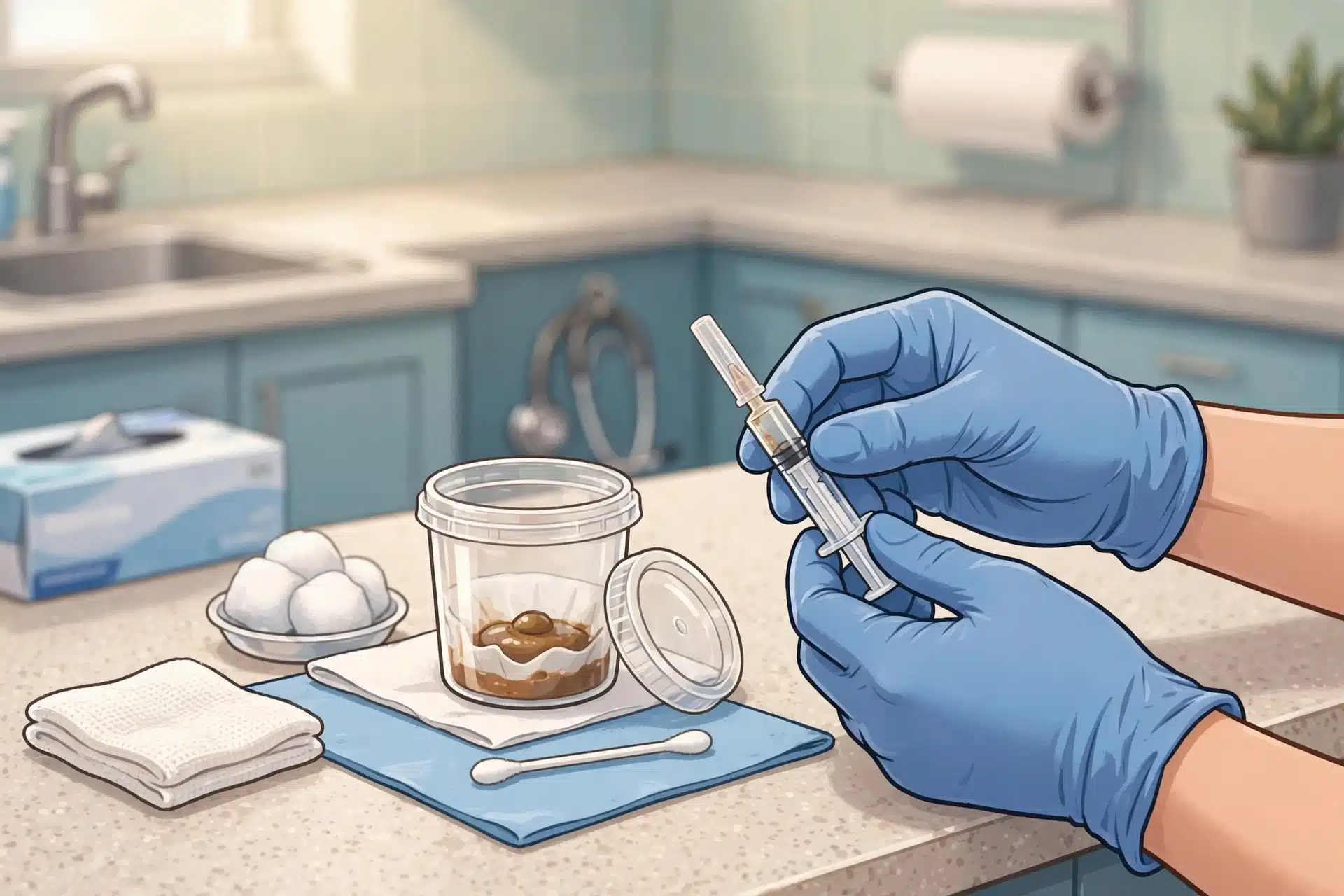
Most puppies carry roundworms, so breeders start deworming at 2 weeks of age and repeat it every 2 weeks until the puppy goes home. The AAHA parasite guidelines also call for deworming against hookworms and roundworms, then a fecal test to confirm the treatment worked. Ask for the dates and products used so your vet can pick up the schedule.
Heartworm, flea, and tick prevention for small breeds
Heartworm prevention matters everywhere, not just in warm states, and it is easier to prevent than to treat. The Companion Animal Parasite Council recommends year-round monthly prevention plus an annual heartworm test. Small breeds handle monthly chewables or topical treatments well, but weight matters, so dose by your puppy’s current weight at each visit. Ask your vet which flea and tick product fits your region and your Havapoo’s size.
Safety notes for products and doses
Never split a large-dog dose or use a product labeled for another species. Some dog flea treatments are toxic to cats in the same home. Weight-based dosing, product choice, and deworming decisions belong to your veterinarian, so bring your puppy’s records to the first visit and let the clinic set the plan.
Health Checks That Have Nothing to Do With Needles
Vaccines are only half the story. Between shots, a puppy wellness exam covers plenty that you can track at home yourself.
Weight, growth, and body condition tracking
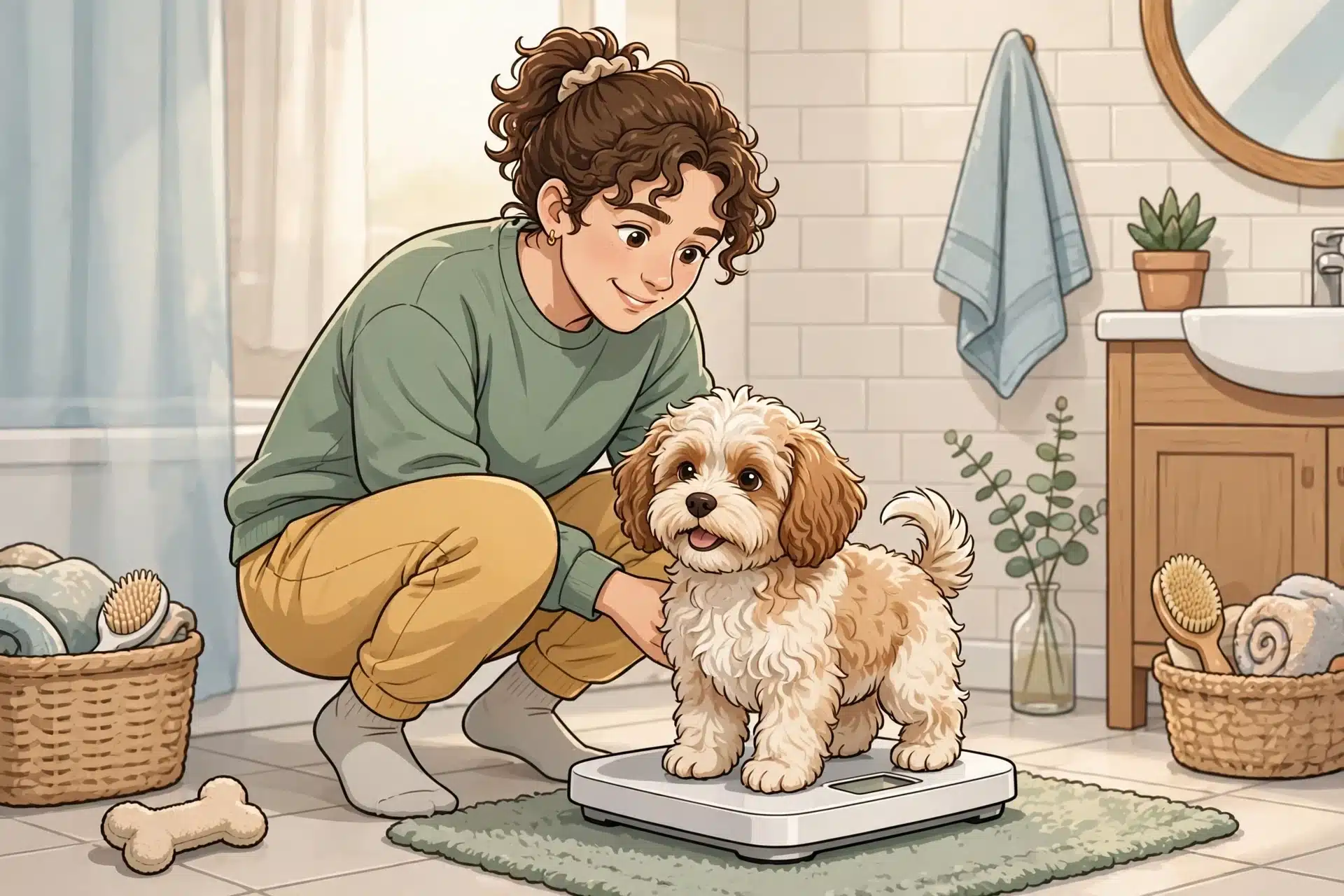
Weigh your Havapoo weekly and write the number down. Small breeds grow fast, so steady gain is a better sign than any single reading. Feel the ribs: you should find them easily under a thin fat layer, but not see them. Sudden loss or a hard round belly both deserve a call.
Teeth, gums, and the small-breed mouth
Small breeds lose puppy teeth on a tighter timeline, and retained baby teeth show up more often in small-breed dogs. By five months, check for double teeth along the gumline. A baby tooth still sitting beside an adult one usually needs removal, so ask your vet. VCA hospitals recommend acting early, before crowding traps plaque. Start brushing now with dog toothpaste.
Skin, coat, ears, and mobility
Run your hands over the coat once a week. Look for flaky patches, red spots, or scabs behind the ears. Flip each ear and sniff: a yeasty smell means a vet visit. Watch how your puppy moves after play. A limp or a stiff gait is worth checking, even in a young dog.
Verifying Records Before and After Pickup
Good records prove your puppy’s vaccine schedule and health history actually happened. Ask for everything before you commit, not after.
The documents to request before you commit
Before pickup day, ask the breeder for:
- A vaccination record listing each vaccine, the date given, the vaccine brand, and the lot or serial number
- Deworming dates and any fecal test results
- A veterinary health certificate issued within 10 days of pickup or delivery
- The vet’s name and clinic phone number
- Microchip paperwork, if your puppy has a chip
- A written feeding and care summary
A breeder who keeps clean records usually runs a clean program.
Reading a record sheet without guessing
Check that the first DHPP dose happened at 6 to 8 weeks, with follow-up doses every 2 to 4 weeks after that. Each entry should name the vaccine, not just say “shot.” Rabies should not appear before 12 weeks, and the administering vet’s license number should be listed. If dates are missing or entries look typed in one batch, ask questions.
Transferring records to your own vet
Book your puppy’s first visit within a few days of coming home. Bring every original record, then let your vet confirm the dates and build the remaining schedule. Your vet decides what comes next, including boosters, deworming, and rabies timing under your state’s rules. Sage Puppies sends each puppy home with a complete record folder for exactly this handoff.
After the First Year: Boosters and Ongoing Health
From puppy series to adult boosters
Your Havapoo’s puppy series ends with the one-year booster visit. The AAHA guidelines call for a DHPP booster one year after the final puppy dose, and rabies boosters follow your state’s schedule, either yearly or every three years. After that, most adult dogs move to booster cycles every one to three years, depending on the vaccine and your vet’s judgment.
Adult wellness and the small-breed checklist
Plan on a wellness exam once a year. For small breeds like the Havapoo, each visit should cover a few breed-specific points: weight and body condition, dental checks for retained puppy teeth and tartar buildup, a heartworm and flea prevention plan, and a fecal test if your dog spends time at parks or boarding. Ask about kneecaps (patellas) too, since small breeds can be prone to loose kneecaps.
Health terms worth checking in any contract
Before you sign, read how the contract handles health issues. Look for a clear window to have your own vet examine the puppy, how a serious congenital condition is defined, and what happens if one appears. Whatever the terms say, decisions about boosters, prevention and spay or neuter timing belong to your veterinarian, so keep those conversations with them rather than with the paperwork.
Common Mistakes to Avoid
Timing and record shortcuts
Skipping a dose or spacing the DHPP series too far apart leaves gaps when maternal antibodies fade, so the puppy sits unprotected. Another trap is taking “fully vaccinated” at face value. The last dose needs to land at 16 weeks or older, and rabies should never appear on a record before 12 weeks. Ask your vet to read the records, not just file them.
Exposure and prevention myths
It is safe to carry a puppy into the yard before shots finish, but public sidewalks, dog parks and pet store floors are a different story until the series ends. Waiting on heartworm and flea prevention is another common slip; most vets start it early. One missed roundworm treatment matters too, so keep deworming and fecal tests on the calendar.
Health claims and quick fixes
Be careful with breeders or sellers who promise health guarantees in place of real veterinary records, or who push “natural” alternatives to core vaccines. Evidence-based care from your own veterinarian should always guide rabies timing, non-core vaccines, deworming and spay or neuter decisions. When a claim sounds too tidy, ask for the paperwork.

Print this checklist, compare it against your puppy’s vaccine record, and call your vet with any gaps before pickup day. A Havapoo from Sage Puppies comes home with documented care, so your first visit is about building trust with your vet, not catching up on missed shots.
Frequently Asked Questions
Q1: What vaccines does a Havapoo puppy need and when?
DHPP and rabies are the core puppy vaccines. DHPP starts at 6 to 8 weeks and repeats every 2 to 4 weeks until at least 16 weeks. Rabies comes once between 12 and 16 weeks, timed to your state law.
Q2: How often should a Havapoo puppy see the vet in the first year?
Plan on four to five visits: a wellness exam within days of coming home, then vaccine visits at 10 to 12 and 14 to 16 weeks, a spay or neuter planning visit, and a one-year booster checkup.
Q3: When should a Havapoo puppy get its first rabies and DHPP shots?
First DHPP lands at 6 to 8 weeks, often given by the breeder. First rabies comes between 12 and 16 weeks, with the exact rabies vaccination age set by state rules and your vet.
Q4: Can my Havapoo puppy go outside before shots are finished?
Your own yard is fine if carried or supervised, but skip sidewalks, dog parks and pet stores until the DHPP series ends after 16 weeks.
Q5: Which vaccines are optional for Havapoos?
Leptospirosis, Bordetella and Lyme are non-core choices based on your area and lifestyle. Discuss them with your vet rather than treating them as automatic.
Conclusion
A healthy Havapoo puppy is built on a few steady habits: core DHPP and rabies shots on schedule, deworming and fecal tests, heartworm and flea prevention, and four to five wellness exams in year one. Your job before pickup is to verify the records; your vet’s job is to decide everything that depends on state law, local risk, and your puppy’s exam. Keep every entry from the Havapoo health checklist in one folder, watch weight, teeth, ears and gait at home, and bring questions to each visit. Do those things, and the first year protects your puppy for many more.