Quick answer: No Havapoo is guaranteed allergy-compatible. Low shedding and coat texture do not establish lower allergen levels or medical suitability. Discuss allergies or asthma with an allergist before choosing a puppy or arranging exposure. See AAAAI’s dog-allergy guidance.
The complete Havapoo guide explains ancestry, care and family fit. Our Havapoo breed page covers Sage’s program and current-puppy next steps.
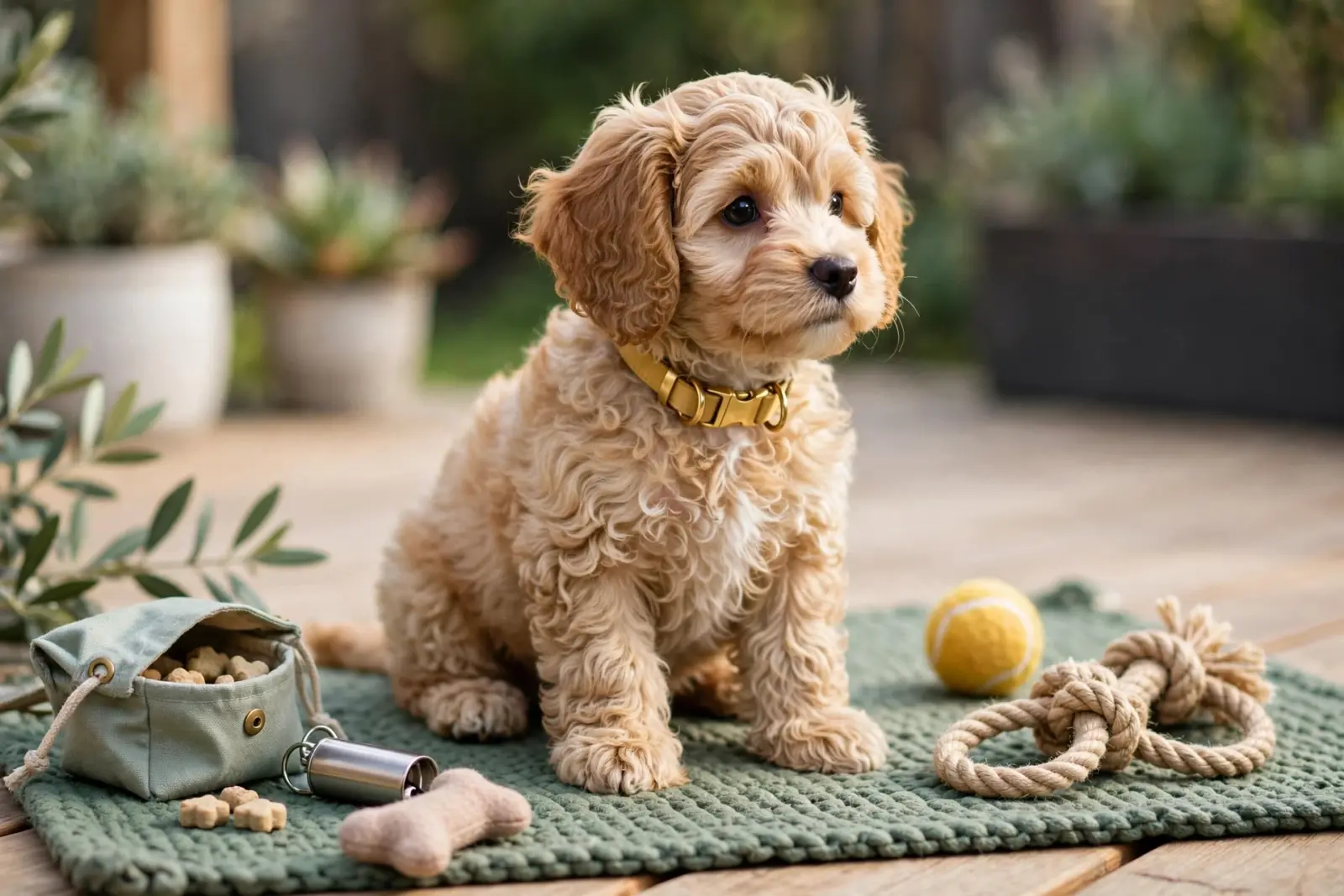
A soft, tight curl can make a Havapoo puppy seem like the clear pick for an allergy-sensitive home. Yet one photo cannot show how that coat will change, how much brushing it needs, or how your family will react to the dog’s allergens.
The hard truth is that no Havapoo is a guaranteed hypoallergenic mixed breed. Coat texture can hint at grooming needs, but it cannot predict shedding, dander, or allergy comfort with certainty.
This guide helps you compare Havapoo coat types, grooming work and breeder claims. Use it for care planning; discuss allergy or asthma concerns with an allergist before choosing a dog.
Sage Puppies raises Havapoo puppies in a home setting for families in Utah and across the United States. We believe clear expectations matter more than calling any dog a hypoallergenic mixed breed.
Start With the Coat, Not the Label
What Havapoo Coat Types Can Look Like
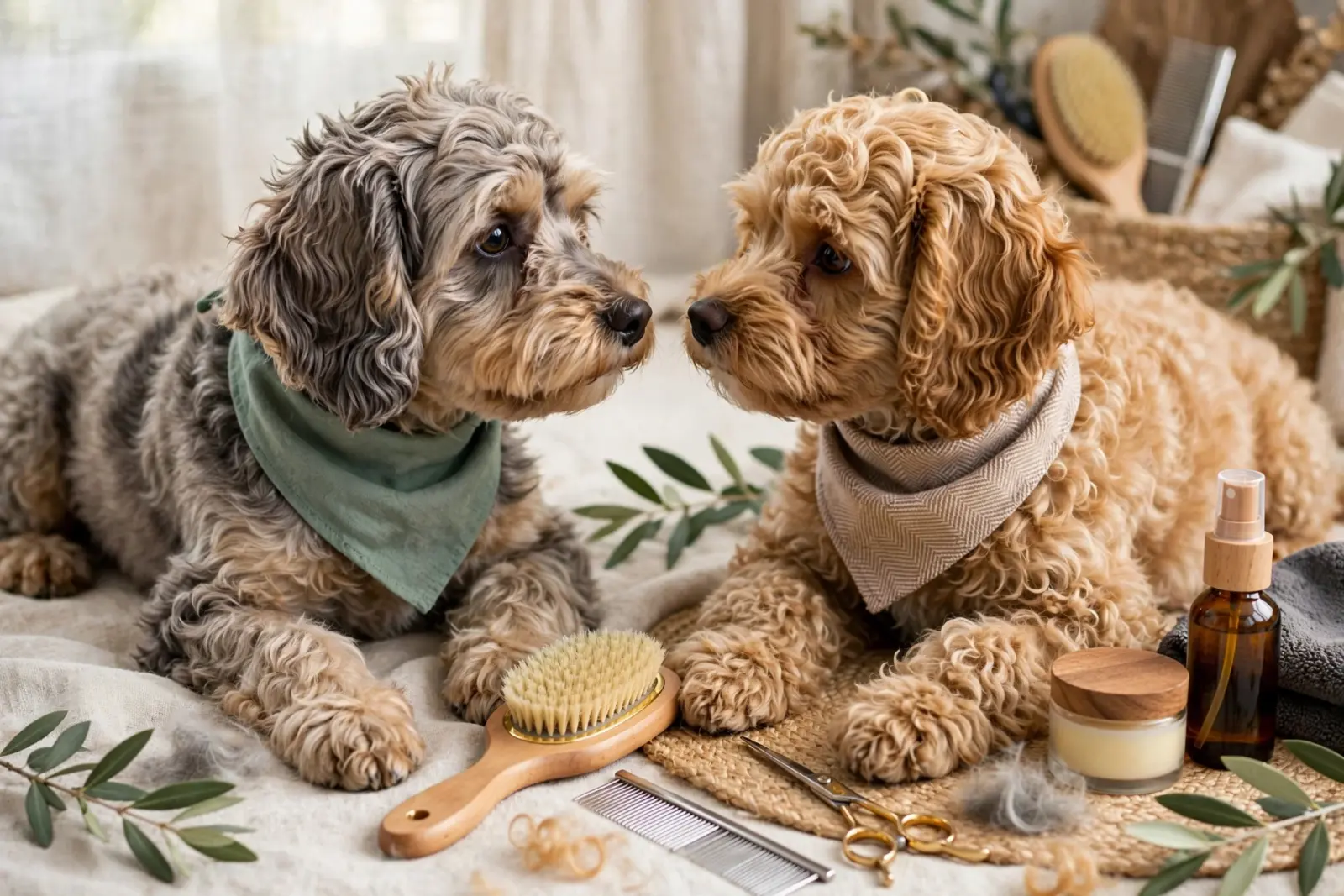
A Havapoo can inherit a straight, wavy, curly, or mixed coat. The label “Havapoo” does not predict one exact texture.
Look at the puppy in front of you, plus both parents, before deciding what grooming and shedding may look like at home.
| Coat look | What you may notice | Home care need |
|---|---|---|
| Straight or silky | Hair lies flatter and may shed more visibly | Brush several times weekly |
| Wavy | Loose bends, fluffy face, and soft body coat | Brush most days to prevent knots |
| Curly | Tight curls or fleece-like texture | Daily checks and regular trims |
| Mixed | Different textures on ears, body, and legs | Adjust care by each area |

Ask the breeder for recent photos in natural light. A puppy coat can also change as the adult coat grows in.
A hypoallergenic mixed breed is not a coat type. Treat it as a marketing phrase, then ask clear questions about the individual puppy’s coat, parents, and grooming needs.
Low Shedding Does Not Mean Allergy-Free
Less loose hair can make cleanup easier. It does not mean a dog cannot trigger symptoms.
Dog allergens come from dander, saliva, urine, and blood, not just fur. The National Institute of Environmental Health Sciences explains that every breed, including hairless dogs, can cause allergies.
Before bringing home a Havapoo:
- Discuss any proposed puppy visit with your allergist before arranging exposure.
- Talk with an allergist if anyone has known reactions or asthma.
- Plan for frequent brushing, bathing, and HEPA vacuuming.
- Keep the dog out of the allergy-sensitive person’s bedroom.
Never let a breeder promise an allergy-safe puppy. A low-shedding coat may suit some homes better, but no hypoallergenic mixed breed can guarantee a symptom-free match.
Also Read: Havanese, Havapoo & Cavapoo Puppy Care Blog
Evaluate What the Breeder Actually Promises
A good breeder explains what they know about a Havapoo puppy’s coat and what they cannot promise. That honest line matters most for allergy-sensitive homes.
Green Flags in a Coat and Allergy Conversation
Look for clear, limited claims. A breeder may say a puppy has a wavy or curly-looking coat, sheds lightly, or needs regular brushing. They should also explain that a crossbreed coat can change as the puppy grows.
Strong signs include:
- Photos of both parents and current puppies
- A plain description of coat texture, grooming needs, and likely shedding
- Health-testing details for the parents
- An invitation to meet the puppy or arrange a careful visit
- No pressure to reserve before your questions are answered
Dog allergens come from dander, saliva, urine, and blood, not fur alone. The National Institute of Environmental Health Sciences states that every breed can trigger allergies.

A responsible breeder can discuss lower-shedding coats without calling any Havapoo truly allergy-safe.
| Breeder statement | What a careful promise sounds like |
|---|---|
| Coat prediction | “This puppy appears wavy, but adult texture can vary.” |
| Allergy discussion | “Discuss allergies with your allergist before arranging contact with a puppy.” |
| Grooming | “Plan for home brushing and routine professional grooming.” |
Red Flags That Should Slow You Down
Pause if a breeder promises a hypoallergenic puppy, a cure for allergies, or zero shedding for life. Research has found no solid basis for labeling a dog breed hypoallergenic, and allergen levels can differ among individual dogs.
Watch for:
- “Guaranteed allergy-free” language
- Refusal to share parent records or current photos
- Vague claims such as “non-shedding” with no grooming talk
- Pressure to pay before you can ask practical questions
- Dismissal of asthma or past severe reactions
If someone in your home has asthma or strong dog reactions, do not treat a coat type as a medical answer.
Questions to Ask Before You Reserve
- What coat type do you see now, and what may change?
- How often will this puppy likely need brushing and grooming?
- Can we meet the puppy or arrange a visit before reserving?
- Which parent health records can you share?
- What support do you offer as we prepare for pickup or delivery?
Also Read: Puppy Care Blog & Resources | Sage Puppies
Verify Health Testing Before You Treat Coat as a Quality Signal
Ask for Specific Records, Not General Reassurance
A soft, curly coat can be lovely. It cannot prove a puppy comes from carefully chosen parents.
Ask the breeder for the registered names of both parents, the tests completed, test dates, and the actual reports or database links. The OFA database lets buyers research many health-screening records by dog name, breed, and condition.
Use this quick comparison:
| Ask for | Why it matters |
|---|---|
| Parent names and registration details | Lets you match records to the right dogs |
| Eye, heart, and patella results | Screens key areas that may affect small companion breeds |
| Relevant DNA test results | Shows how the breeder planned the pairing |
| A clear explanation of results | Helps you understand facts, not sales language |

A health-tested parent is not a promise that any puppy will never face a health issue. It is evidence that the breeder used real information to lower known risks.
Be cautious if a breeder says only, “Our dogs are healthy,” but will not share records. Also ask what testing applies to both sides of a Havapoo’s family: Havanese and Poodle.
Why Health, Temperament, and Coat Belong Together
Coat type affects grooming needs and may shape how much dander a family notices. It does not predict a puppy’s health or personality.
A thoughtful breeder looks at the whole dog:
- Health history and screening results
- Stable, friendly parent temperaments
- Coat traits and expected grooming
- Early home-based care and social time
The OFA explains that CHIC screening plans are breed-specific and built with parent clubs around the health concerns seen in each breed. A CHIC number means required screenings were completed and results made public, not that a dog is risk-free. See the OFA’s CHIC program guide for that distinction.
For an allergy-sensitive household, start with an allergist’s assessment. If contact with a dog is appropriate, follow that advice when discussing visit options. Evaluate the puppy’s ordinary care and family fit separately from allergy compatibility.
Match the Coat to Your Real Allergy and Grooming Routine
How to Assess Your Own Response Responsibly
A wavy or curly Havapoo coat may shed less visibly, but it cannot promise an allergy-free home. Dog allergens come from dander, saliva, urine, and blood, not fur alone. Every breed can trigger symptoms, according to the National Institute of Environmental Health Sciences.
Before you commit, take these steps:
- Ask your allergist whether any contact with dogs is appropriate and how it should be managed.
- Do not provoke symptoms to test a puppy’s suitability; follow individualized medical advice.
- Talk with an allergist if anyone has asthma, strong reactions, or unclear symptoms.
- Ask the breeder about the puppy’s coat texture, expected brushing needs, and adult coat changes.
A low-shed coat can reduce loose hair around the house. It does not make a Havapoo hypoallergenic.
Plan for Grooming Before the Puppy Comes Home
Choose the coat you can truly maintain. Soft, loose waves often need regular brushing. Dense curls can trap loose hair, but mats form fast if brushing slips.
| Coat pattern | Home care | Practical fit |
|---|---|---|
| Wavy | Brush 3-4 times weekly | Families who want a softer, easier look |
| Curly | Brush most days, plus combing | Families ready for a set routine |
| Mixed | Check often for tangles | Homes that can adjust as the coat changes |
Set up your routine before pickup:
- Buy a slicker brush and metal comb.
- Book regular grooming visits.
- Teach calm handling with short, gentle sessions.
- Check behind ears, under the collar, legs, and tail daily.
A short trim can make care easier, but it will not remove allergens.
Use Household Controls Without Expecting Perfection
Keep the dog’s bed out of the allergy-sensitive person’s bedroom. Wash hands after play, vacuum with a HEPA filter, and clean soft surfaces often. A portable HEPA air cleaner can also help reduce airborne particles.
Pet allergens can accumulate on furniture, rugs and clothing. Discuss environmental controls with your allergist; cleaning cannot make a dog allergen-free.
Choose a Havapoo only if the whole household can support the care plan.
Also Read: 10 Signs a California Puppy Listing Is a Scam – Sage Puppies
Compare Havapoo Breeders Using a Balanced Scorecard
The Five Categories That Matter Most
A polished website should not decide where you get your puppy. Compare each Havapoo breeder on the same five areas, then look for proof behind every claim.
| Category | What to check | Strong sign |
|---|---|---|
| Parent health | Test results, parent records, known risks | Documents shared clearly |
| Puppy raising | Home setting, handling, early routines | Specific socialization details |
| Coat honesty | Range of likely coats and grooming needs | No allergy guarantees |
| Family fit | Questions about your home and schedule | Breeder screens you, too |
| Support and terms | Contract, pickup or delivery, follow-up | Clear written process |
Ask to see health testing for both parents. Health screening lowers risk, but it cannot promise a puppy will never have a health issue. The AKC guide to health testing also advises buyers to review the parents’ results.

Give each category a score from 0 to 2:
- 0 – vague answer, missing records, or pressure to decide fast
- 1 – acceptable answer, but limited detail
- 2 – clear proof, thoughtful answers, and no unrealistic promises
A breeder who says a Havapoo is hypoallergenic deserves a lower coat-honesty score. No dog is allergy-proof. Focus on your own allergy plan and time with the specific puppy.
A Simple Comparison Worksheet
Use this sheet after calls, video visits, or in-person meetings. It keeps price from becoming the only deciding factor.
| Breeder | Health | Raising | Coat honesty | Fit | Support | Total |
|---|---|---|---|---|---|---|
| Breeder A | /2 | /2 | /2 | /2 | /2 | /10 |
| Breeder B | /2 | /2 | /2 | /2 | /2 | /10 |
| Sage Puppies | /2 | /2 | /2 | /2 | /2 | /10 |
Before you reserve, write down:
- The exact documents you reviewed.
- What the breeder said about coat change and grooming.
- How they match puppies with families.
- What happens at pickup or delivery.
- Who you can contact after your puppy comes home.
A responsible breeder should welcome careful questions and ask about your household in return, as AKC breeder guidance explains.
Also Read: Havanese Hypoallergenic Coat Care: What New Owners Should Know
Make the Final Decision With a Clear Family-Fit Test
Proceed, Pause, or Keep Comparing
Choose proceed only when the puppy, breeder, and your home plan all feel clear. You should understand likely coat care, adult size range, daily routine, and the real limits of allergy claims.
A responsible breeder should share parent health-testing records, answer direct questions, and care about whether your household is a match. AKC guidance on responsible breeders also recommends meeting the breeder and observing the dogs, in person or by video when needed.
| Decision | Use it when | Next step |
|---|---|---|
| Proceed | Records are clear and your family can meet the care needs | Complete the application and prepare your home |
| Pause | Allergy response, grooming costs, or schedule are uncertain | Discuss medical suitability with an allergist and revisit your care budget |
| Keep comparing | Claims feel vague or paperwork is withheld | Ask other breeders the same written questions |
No Havapoo is guaranteed allergy-compatible. Resolve the medical question with an allergist before reserving; a coat label or informal visit cannot settle it.
Your Final Havapoo Evaluation Checklist
Use this short test before you commit:
- Can we brush and comb this coat several times each week?
- Have we budgeted for regular professional grooming?
- Did we see parent health-test results and ask what they mean?
- Have we met the puppy or had a live video visit?
- Have we discussed allergy or asthma concerns with an allergist before committing?
- Does the breeder explain both strengths and possible challenges?
- Are pickup or delivery details, contract terms, and support clear?
Health testing lowers risk but cannot promise a problem-free dog, as AKC’s health-testing guide explains. Sage Puppies families can use this same standard before choosing a home-raised Havapoo.

Ready to compare Havapoo puppies with clear eyes? Sage Puppies helps families ask thoughtful coat, parent-health, and allergy-related questions before choosing a puppy. View available puppies, learn about the home-raised process, and take the next step with local South Jordan pickup or nationwide delivery.
Frequently Asked Questions
Q1: Best small hypoallergenic Havapoo breeders?
Look for breeders who discuss coat limits honestly, share parent health testing, and raise puppies in a home setting. No breeder can promise an allergy-safe dog. Sage Puppies welcomes practical questions from allergy-sensitive families.
Q2: Are Havapoos truly hypoallergenic?
No. Havapoos may shed less than many dogs, especially with curlier coats, but all dogs produce dander and saliva proteins that can trigger allergies.
Q3: Which Havapoo coat sheds least?
A dense, curly coat often traps loose hair best. Still, shedding level varies by puppy, even within one litter.
Q4: Can we test our allergies before reserving?
Ask an allergist about appropriate medical assessment before reserving. Do not provoke symptoms by handling a puppy to test whether it is suitable; a short visit cannot guarantee long-term tolerance.
Q5: Do straight-coated Havapoos cause more allergies?
Not always. Straighter coats may release more loose hair, but allergy response depends on the person and the individual dog.
Conclusion
A Havapoo’s coat can range from soft waves to tight curls, and each type brings different brushing, trimming, and shedding needs. Ask breeders to describe the puppy’s current coat, the parents’ coats, and the grooming routine it will likely need.
Do not treat low-shedding as allergy-safe. Dog allergens come from dander, saliva, and other sources, not fur alone. The National Institute of Environmental Health Sciences notes that every breed can trigger allergies.
Choose the individual puppy and breeder with care, then make allergy decisions based on real contact and medical guidance.
A clear breeder will discuss coat uncertainty honestly, share parent health information, and never promise a hypoallergenic puppy.