
Quick Summary: Havanese puppies are friendly, social, and thrive in close, active family environments. They require regular grooming, early socialization, and consistent training, making them ideal for families with gentle kids and those who can dedicate daily attention. They do best in homes where they are not left alone long hours and where owners are prepared for their coat care needs.
A Havanese puppy looks easy to love. The harder question is whether your home fits a dog that wants people nearby, needs steady grooming, and does best with daily training and attention. That is where many families get stuck. They want a sweet small dog, but they do not always know if a Havanese family companion truly matches their schedule, kids, or home routine.
This guide clears that up. You will learn what to expect from temperament, coat care, exercise, and day-to-day family life so you can judge whether a Havanese family companion is the right choice. We also cover what first-time buyers often miss before bringing one home.
Our goal is simple: give qualified families clear, breeder-level guidance based on real life with a Havanese family companion, not just breed hype.
What Makes a Havanese a True Family Companion
A Havanese feels like part pet, part shadow. This breed was shaped for companionship, and the AKC describes the Havanese as cheerful, bright, and social, which matches what many families want in a small house dog.
Cheerful, social, and people-oriented
Havanese usually want to be near their people. They tend to follow family members from room to room, greet guests with interest, and settle in fast when they feel included. The breed standard also calls them friendly, playful, alert, and intelligent with a sweet disposition, according to the official AKC breed standard.
That people focus is a big reason they work so well in family homes:
- They often bond with both adults and children
- They usually enjoy daily interaction
- They respond well to kind, steady training
A Havanese is rarely the best fit for a home where the dog will be alone most of the day.

Moderate energy in a small package
This breed is playful, but not extreme. Most Havanese do well with a simple routine:
- A couple of short walks
- Indoor play
- Brief training sessions
- Time with their people
Their size makes them easier to manage in apartments, townhomes, or busy family schedules. You still need to give them structure, but you usually do not need a huge yard or long runs.
Who tends to enjoy this breed most
Havanese often suit:
- Families with gentle kids
- First-time dog owners
- Retirees
- Utah families wanting local pickup
- National buyers who want a small companion for delivery travel
At Sage Puppies, this kind of breed fit matters more than impulse. The best match is a home that wants closeness, daily care, and a dog that truly lives with the family.
Also Read: 10 Adorable Havapoo Colors You Need to See (2026)
How Havanese Puppies Usually Fit into Real Homes
Havanese puppies usually do best in homes where people want a true companion close by. The breed is known for a friendly, playful, social nature, and the AKC notes they tend to be happy with families, older adults, and other non-aggressive pets according to AKC.
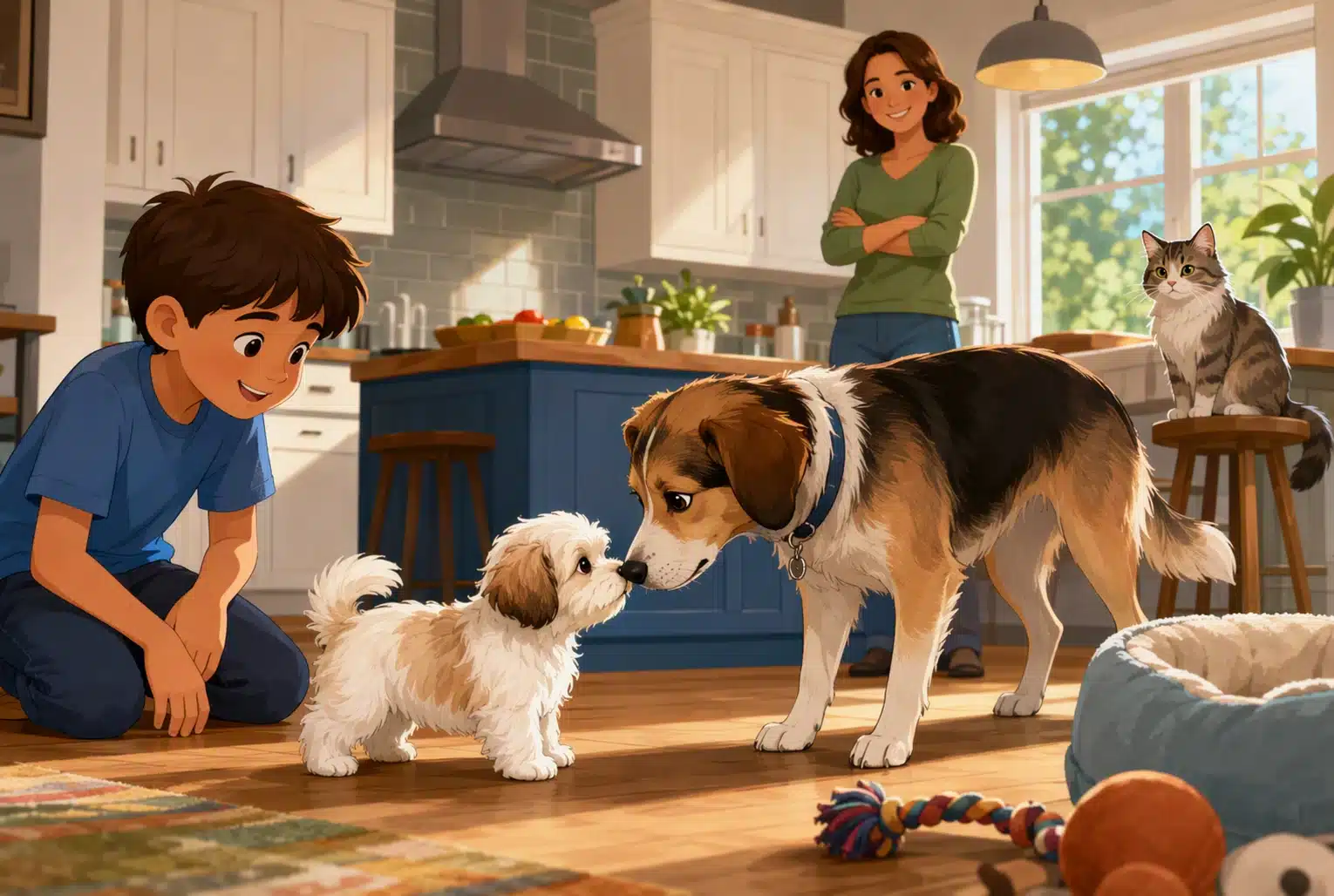
Families with children and other pets
Most Havanese fit well with gentle kids and calm household pets. They are small, but they are not fragile in temperament. They like being part of the action and often bond with everyone in the home.
- Best with children who know how to hold, pet, and play softly
- Usually good with respectful cats and friendly dogs
- Early social time matters more than luck
A Havanese is a family dog, not a backyard dog. Daily closeness shapes the temperament you live with later.
Busy schedules and alone time
This breed is a poor fit for homes that stay empty all day. Havanese were bred as companion dogs, and breed standards describe them as affectionate, playful, and people-focused in the AKC breed information. Short alone periods are fine when training starts early, but long, repeated isolation can create barking, stress, or clingy habits.
- Build crate time slowly
- Use short departures first
- Keep a steady routine
- Plan midday care if workdays run long
Small homes, travel, and Utah/national lifestyles
Havanese adapt well to apartments, townhomes, and larger houses. Size helps, but the bigger reason is temperament. They want to be near their people, whether that means a South Jordan neighborhood walk, weekend cabin trip, or a puppy delivered to another state through a clear, well-planned handoff.
- Great for smaller spaces
- Easy to bring on trips
- Better for families who want an indoor companion
Also Read: Havanese, Havapoo & Cavapoo Puppy Care Blog
Coat Care: What Havanese Owners Need to Plan For
Understanding the Havanese coat
A Havanese coat is pretty, but it is not low-effort. The breed standard describes it as a long, soft, light, often wavy double coat, and the undercoat may even be sparse or absent in some dogs, according to the AKC Havanese standard. That soft texture is part of the charm, but it also means tangles can build fast.
Puppy coat often feels easier at first. Then the adult coat comes in, and mats can show up behind the ears, under the collar, and in the legs.
Plan for regular coat care from day one, not once mats start.
A realistic grooming routine
Most families do best with a simple, steady routine. The Havanese Club of America grooming guidance says puppies should be brushed and combed about three times per week, while full-coated adults may need brushing two to three times weekly and baths every one to two weeks.
A workable home plan looks like this:
- Brush and comb 3 times a week.
- Check friction spots after play, harness use, or sweaters.
- Wipe eyes daily if staining starts.
- Bath and dry fully on a set schedule.
- Book grooming early so your puppy learns the routine young.
- Use a comb after brushing
- Never ignore small tangles
- Keep sessions short and calm
Short clip or long coat: choosing what works
You do not need a floor-length coat to enjoy a Havanese. A shorter puppy clip is easier for many busy families, especially with kids, travel, or outdoor play. A long coat looks lovely, but it asks for more brushing, more bathing, and better drying.
| Coat choice | Best for | What to expect |
|---|---|---|
| Short clip | Busy families, first-time owners | Less daily work, regular groomer visits |
| Medium trim | Families wanting some fluff without full upkeep | Moderate brushing, easier cleanup |
| Long coat | Owners who enjoy grooming | More time, more mat risk, more product and drying care |
Choose the coat you can maintain well, not the one that only looks good in photos.
Also Read: Havanese Puppies: Temperament, Care, and Coat Basics
Health Awareness and Why Parent Testing Matters
Havanese are often healthy, long-lived little dogs, but no breed is risk-free. Parent testing matters because it helps breeders make better pairing choices and gives families clearer health information before they reserve a puppy.
Common Havanese health concerns to understand
A few issues come up more often in Havanese lines than buyers expect. The Havanese Club of America lists concerns such as patellar luxation, hip dysplasia, eye disease, cardiac issues, liver shunt, and Legg-Calve-Perthes among the health topics owners should know about in its breed health guide.
That does not mean every Havanese will face these problems. It means smart buyers should ask better questions.
Watch for breeders who speak clearly about:
- knees and hips
- annual eye exams
- heart screening
- family history, not just one puppy exam
A clean vet visit at pickup is helpful, but it is not the same as long-term parent health screening.

What responsible health testing is meant to support
Good testing is meant to lower risk, support wiser breeding, and make results easier for buyers to verify. The Havanese Club of America states that CHIC-related testing for Havanese includes hips, patellas, and annual CAER eye exams, with results reported through OFA for public review through the breed’s health statement.
Here is the key point: testing is a tool, not a promise.
Responsible testing helps breeders:
- spot inherited risk earlier
- avoid poor pairings
- track patterns across relatives
- show buyers real records, not vague claims
For a boutique breeder like Sage Puppies, this kind of openness supports trust. It also shows the breeder is planning for the breed’s future, not just the next litter.
Questions to ask any breeder before reserving
Keep your questions simple and direct. A good breeder should answer them without getting defensive.
Ask:
- Which health tests were done on both parents?
- Can I see the results, not just hear a summary?
- Were eye exams current and done yearly if needed?
- Are OFA or CHIC records publicly searchable?
- What health issues have appeared in related dogs?
- What support do you offer if concerns come up after pickup or delivery?
A quick checklist helps:
| Ask this | Why it matters |
|---|---|
| Were both parents health tested? | Confirms planning before breeding |
| Can I review documentation? | Helps you verify claims |
| What runs in the line? | Gives fuller context than one exam |
| How do you raise and place puppies? | Health and temperament go together |
If a breeder avoids records, rushes a deposit, or says testing is unnecessary, pause there.
Training, Socialization, and Early Routine
Positive reinforcement works best. Havanese puppies usually respond fast to calm, reward-based training. The American Veterinary Society of Animal Behavior says positive, consistent training is tied to fewer behavior problems and better obedience in puppies according to AVSAB. Keep sessions short and clear:
- reward the behavior you want
- use the same cue words
- stop before your puppy gets tired
Skip harsh corrections. Soft companion breeds often shut down when training feels scary.
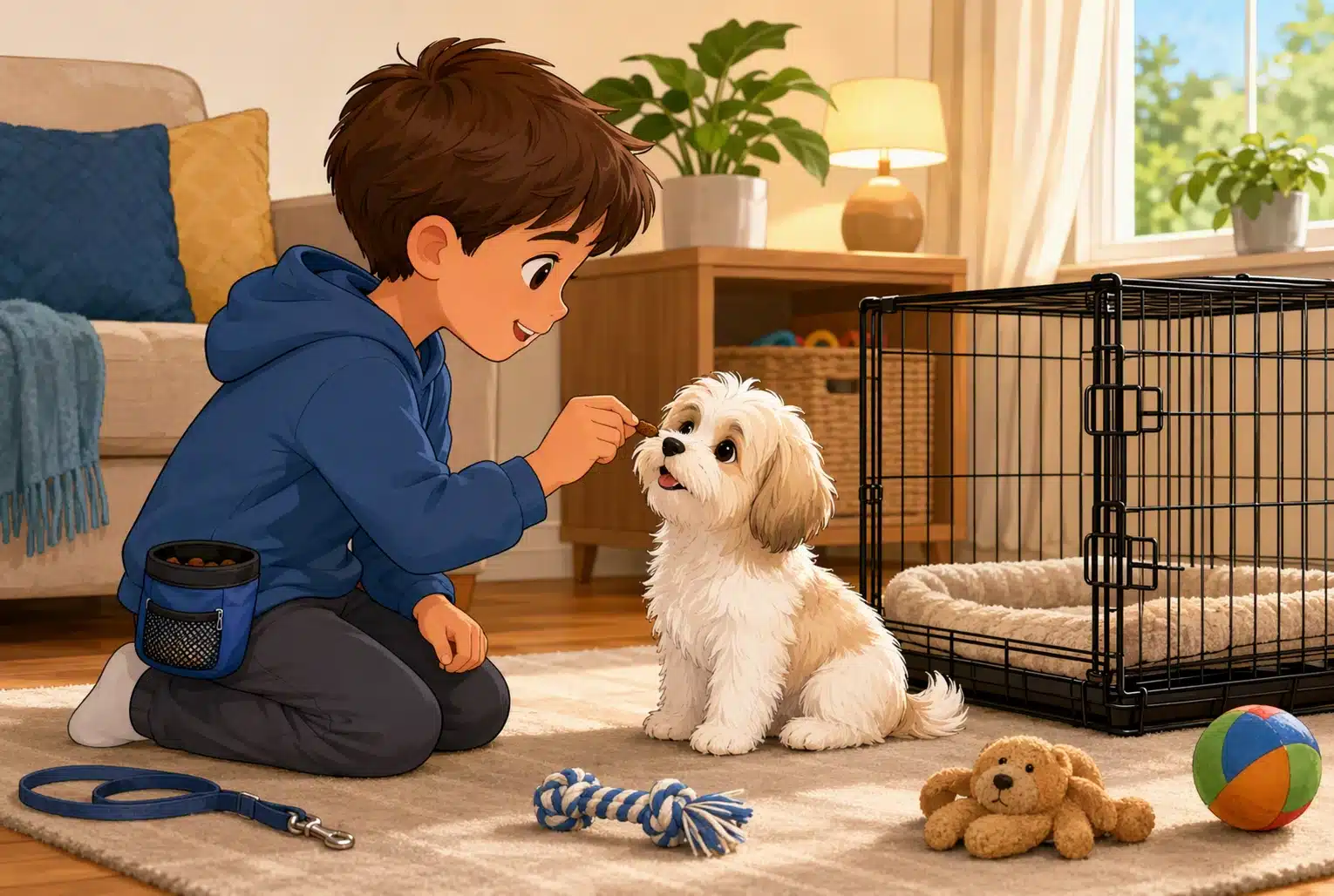
Early socialization and handling matter just as much as basic commands. AKC notes the first three months are a key socialization window, and gentle exposure to people, sounds, surfaces, and safe settings can shape adult confidence in this puppy socialization guide. Focus on calm, positive exposure:
- friendly adults and respectful children
- grooming touch on paws, ears, and face
- car rides, carriers, and household sounds
New things should feel safe, not intense. One good experience beats five overwhelming ones.
Simple routines help puppies settle in fast. A steady day lowers stress and makes house training easier. Keep meals, potty trips, naps, play, and bedtime on a simple schedule. Most new families do well with:
- potty break after waking, eating, and play
- short crate time with a chew
- one or two mini training sessions daily
Sage Puppies families in Utah and across the U.S. usually do best when they keep the first week quiet and predictable.
Also Read: Puppy Care Blog & Resources | Sage Puppies
How to Choose the Right Havanese Puppy and Breeder
What to look for in a boutique breeder
A good breeder should feel careful, not rushed. You want clear answers, a written process, and proof that the parents were health tested. The Havanese Club of America says buyers should ask about parent testing, contracts, references, and long-term breeder support in its owner and puppy buyer education.
Use this quick checklist:
- Health testing on both parents, with records you can review
- Home-raised socialization, not just kennel care
- A contract you can read before sending money
- Questions for you about your home, schedule, and kids
- Ongoing support after pickup or delivery
If a breeder seems focused on color, speed, or deposits first, slow down.
| Green flag | Why it matters |
|---|---|
| Shares parent health records | Helps you judge breeding care |
| Explains routine and socialization | Early handling shapes confidence |
| Screens buyers carefully | Good breeders place, not just sell |
How to think about temperament and timing
Pick the puppy for your home, not just the cutest face. The AKC describes the Havanese as friendly, playful, alert, and intelligent in the official breed standard. That gives you a breed baseline, but each puppy still has its own energy level and recovery style.
Ask the breeder:
- Which puppy settles fastest after play?
- Which one enjoys being held without going limp or stiff?
- Which one handles new sounds best?
- Which puppy fits a quieter home or busy family?
Timing matters too.
- Families with travel or big school changes coming soon may want to wait
- Young children need active adult supervision
- Winter delivery plans should be discussed early if you live outside Utah
The right puppy at the wrong time can still feel hard.
Next steps for Utah and nationwide families
Start with an application, then have a real conversation. Good programs want to match you well. If you are local to South Jordan or elsewhere in Utah, ask about in-person pickup timing, go-home routines, and what your first week should look like. If you are out of state, ask exactly how delivery works, what is included, and how updates are shared.
Before you reserve, confirm:
- pickup or delivery details
- payment schedule
- what records go home
- food and routine notes
- post-placement support
For families considering Sage Puppies, this kind of clear, family-first process is what helps the experience feel calm and trustworthy.
Also Read: Havanese Dog Breed: Complete Care Guide for First-Time Owners
Common Questions About Havanese Puppies
Families usually ask the same things first: Are Havanese easy to live with, do they shed, and are they good with kids? In most homes, the answer is yes – if you want a small dog that stays close, needs regular coat care, and does best with people around often.
- Temperament: Havanese are known for being friendly, playful, and bright, with a sweet disposition according to the AKC breed profile.
- Size: Most adults stay in the small-companion range, about 7 to 14 pounds per the Havanese overview.
- Grooming: Their soft, long coat needs steady brushing. A shorter trim can make upkeep easier.
- Family fit: They often do well with respectful children and can fit apartment or house living.
- Training: They learn well, but they are sensitive. Calm, consistent routines work best.
- Alone time: This breed likes company and may struggle if left alone for long stretches.
The best Havanese puppy for your family is not just cute. It should also come from careful breeding, early socialization, and a clear adoption process.

If you want a Havanese puppy with a sweet temperament, proper early socialization, and clear pickup or delivery options, start with Sage Puppies. You can review available puppies, learn the process, and apply when the fit feels right for your family, schedule, and home.
Frequently Asked Questions
Q1: Top Havanese breeders with health testing?
Look for breeders who share parent health testing, early socialization, and clear pickup or delivery steps. Ask for proof, not vague promises. For Utah families, Sage Puppies stands out for home-raised care, family-first screening, and straightforward communication.
Q2: Are Havanese good for first-time dog owners?
Yes, often. Havanese are small, people-focused, and eager to learn. They do best with gentle structure, daily attention, and basic training from day one. Families who want a close companion usually find them easier than more intense breeds.
Q3: Do Havanese puppies shed a lot?
They are low-shedding, not no-shed. Their hair keeps growing, so brushing matters more than sweeping fur. Expect regular grooming, face cleaning, and trimming. If you skip coat care, mats can form fast, especially behind ears and under legs.
Q4: Are Havanese good with kids?
Usually yes, especially with respectful children. Their small size means adults must supervise handling, play, and carrying. Teach kids to sit on the floor, use calm hands, and avoid rough grabbing.
Q5: Can a Havanese handle delivery to another state?
Yes, if the breeder has a clear, humane process. Ask how travel is arranged, what support you get before pickup, and how the puppy is prepared. Good breeders make delivery feel organized, calm, and transparent.
Q6: How much exercise does a Havanese need?
Not a huge amount. Most need short walks, indoor play, and training games each day. They want time with you more than hard exercise. A bored Havanese may bark or become clingy, so mental stimulation matters.
Conclusion
A Havanese can be a wonderful family dog if you want a small companion that stays close, learns well, and enjoys daily life with people. The big trade-off is coat care and together time. This breed is friendly, playful, and bright, with a sweet, social nature noted in the AKC breed profile and the AKC family fit guide.
The best match is a home ready for regular brushing, gentle training, and steady companionship. For first-time buyers, that means looking past size alone and choosing a puppy whose temperament, care needs, and breeder standards truly fit your family.

