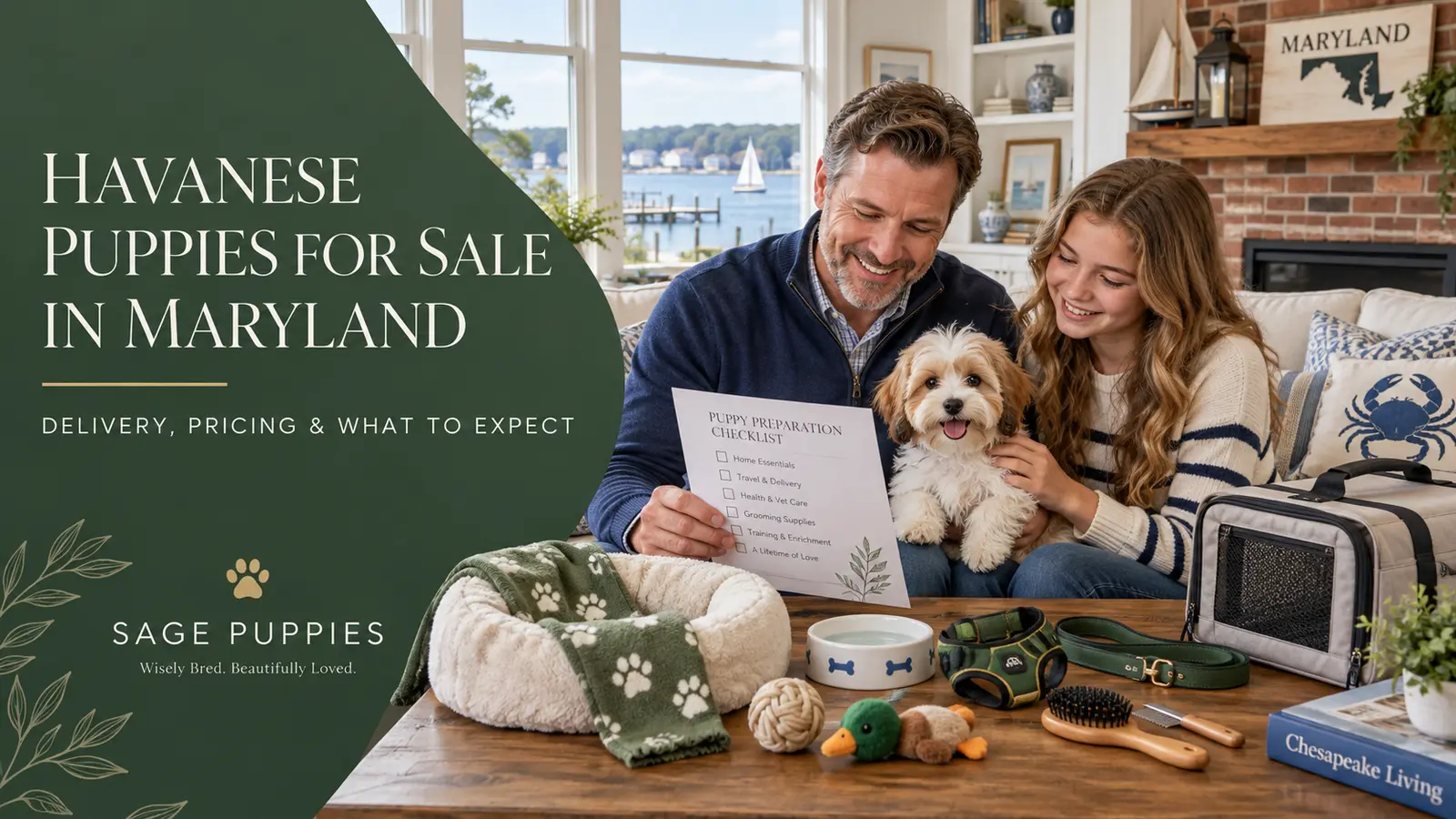
Family Dog Breeds for Children: Havanese & Best Family Dogs
Family Dog Breeds for Children: Havanese & Best Family Dogs introduces families to the joyful journey of finding a devoted companion that truly loves kids and enriches every household. This opening directly addresses the H1 heading by framing how thoughtful selection among family dogs shapes daily life, from playful mornings to calm evenings cuddled on the sofa. Whether you are drawn to small dog breeds like the charming Havanese and French Bulldog or larger favorites such as the Golden Retriever, Labrador Retriever, and sweet Newfoundland, understanding temperament, exercise needs, and grooming helps parents match a family dog to their lifestyle and apartment living realities. We will explore companion dogs and sporting dogs that blend loyalty, trainable nature, and gentle protective instincts, spotlighting why patience around children matters most. Discover actionable care tips, training advice, and veterinary insights to choose family dog breeds that thrive with kids and families with kids alike.

7 Proven Insights for Choosing Dog for Kids in Homes With Kids [Ultimate 2026 Checklist]
7 Proven Insights for Choosing Dog for Kids in Homes With Kids provides a practical 2026 checklist for parents navigating the exciting decision of adding a family dog. This section addresses the H2 heading directly by outlining how to evaluate temperament, size, energy, grooming, and trainability before bringing any dog breeds home. Families with kids need dogs that remain patient during noisy play, tolerate gentle handling, and recover quickly from surprising movements that children often make. According to guidance referenced from Purina, successful matches consider exercise needs, apartment living constraints, and long-term commitment rather than impulse appeal. For example, while an Alaskan Malamute may captivate with its beauty, its intense exercise demands and strong-willed dog personality can overwhelm first-time owners. Use this checklist to compare loyalty, protective instincts, and adaptability, ensuring your chosen companion dogs truly complement your household rhythm and thrive alongside children.
Decoding Dog Traits That Make Family Dogs Shine Around Kids
Decoding Dog Traits That Make Family Dogs Shine Around Kids means looking beyond cuteness to the core behaviors that ensure safety and joy. The best family dogs consistently display patience, a soft mouth, low reactivity to sudden noises, and a strong desire to remain near their household. These companion dogs tolerate the unpredictable movements and high-pitched voices of children without becoming anxious or defensive, a trait rooted in stable temperament and early socialization. For instance, sporting dogs like the Labrador Retriever and Golden Retriever were bred to work cooperatively with people, making them naturally trainable and eager to please, while still needing daily exercise to channel energy positively. Grooming demands, exercise needs, and protective instincts must also be weighed, since even gentle breeds require guidance. Families should observe individual dog personality over breed stereotypes alone, prioritizing dogs that seek contact, recover quickly from startling, and willingly share space.
Why Homes With Kids Thrive With Patient Companions: Breed Comparison for First-Time Owners [2026 Guide]
Why Homes With Kids Thrive With Patient Companions is central to understanding breed comparison for first-time owners, because patient temperament directly shapes daily harmony. First-time families often underestimate how a dog's patience influences everything from morning routines to homework time, and choosing a naturally tolerant family dog reduces stress for both parents and children. For example, the Cavalier King Charles Spaniel offers gentle affection with minimal exercise needs, while the Bernese Mountain Dog brings calm, watchful loyalty but requires significant grooming and space. The Border Terrier, though small and spirited, shows surprising patience with handling, whereas the American Eskimo Dog is bright and trainable but needs mental stimulation to avoid restlessness. This 2026 guide encourages owners to match dog personality to household rhythm, evaluating noise levels, activity, and supervision capacity rather than appearance alone to ensure long-term success.
Insights From Christine Borges on Family Routines and Dog Health Fundamentals
Insights From Christine Borges on Family Routines and Dog Health Fundamentals emphasize that structure is the foundation for thriving family pets. Borges highlights that consistent feeding times, daily exercise, and predictable sleep schedules help children learn responsibility while stabilizing a dog's temperament. She recommends integrating short training sessions into after-school routines, using positive reinforcement to reinforce boundaries that keep kids safe and dogs confident. Health fundamentals include regular preventive care, early socialization, and monitoring exercise needs to prevent obesity, especially in companion dogs like the Shih Tzu and Pug. Borges also stresses veterinary partnership from day one, scheduling wellness exams before behavioral issues arise, and teaching children how to read canine body language. By anchoring dog care within existing family rituals, households create a calm environment where loyalty and playful companions flourish without overwhelming busy parents.
How Geraldine A. Describes Everyday Joy With Family Dogs [Real Story]
How Geraldine A. Describes Everyday Joy With Family Dogs captures the lived experience that transforms a house into a home. Geraldine A. shares that mornings begin with her children giggling as their gentle companion nudges them awake, setting a positive tone before school. She notes that family dogs intuitively sense moods, offering quiet comfort during homework struggles and exuberant play after dinner, which strengthens loyalty and emotional resilience in kids. Her story emphasizes that consistent routines, like evening walks around the neighborhood and weekend grooming sessions, became rituals that taught responsibility without feeling like chores. Geraldine A. also credits regular veterinary checkups for keeping her dog healthy and energetic, allowing safe, supervised play that builds confidence in both children and pet. For her household, the joy is not just in grand adventures but in small daily moments where playful companions provide unconditional support and connection.
Insights From Christine Borges on Family Routines and Dog Health Fundamentals
Calm vs Playful: Breed Comparison of Golden Retriever Energy and Newfoundland Gentleness helps families decide which energy signature fits their lifestyle. The Golden Retriever brings exuberant, playful companions energy, thriving on fetch, swimming, and interactive games with children that can last for hours, requiring at least 60 minutes of exercise daily plus mental enrichment. In contrast, the Newfoundland is famously serene, often called a nursemaid breed for its instinct to watch over children calmly, content with moderate walks and then lounging nearby as a protective yet gentle presence. While both are excellent family dogs, the Golden Retriever suits highly active households that want a constant playmate, whereas the Newfoundland better suits families seeking a calm, steady guardian with immense loyalty. Grooming for both is intensive, but the Newfoundland's heavy coat and drool require extra commitment compared to the Golden Retriever's regular brushing needs.
Related Articles Curated by Christine Borges for Ongoing Dog Health Education
Related Articles Curated by Christine Borges for Ongoing Dog Health Education provide families with reliable, veterinarian-approved resources to extend learning beyond adoption day. Borges recommends articles covering preventive dog health, nutrition portioning, parasite control, dental hygiene, and age-appropriate exercise for growing children and puppies alike. These curated readings help parents understand why sporting dogs need joint support early, how to manage shedding cycles, and when to consult veterinarians about behavioral changes. By linking everyday care to professional guidance, families can anticipate seasonal grooming challenges, recognize early signs of allergies in breeds like the Poodle and American Eskimo Dog, and implement positive training that aligns with developmental stages of kids. This ongoing education empowers households to maintain wellness, strengthen the human-animal bond, and make informed decisions about diet, activity, and enrichment tailored to their chosen family dog.
5 Essential Family Dog Breeds That Love Kids — Best Family Dogs for Modern Households
5 Essential Family Dog Breeds That Love Kids showcases the best family dogs for modern households seeking affection, reliability, and kid-friendly temperament. This section directly fulfills its heading by spotlighting breeds proven to love kids through gentle interaction, patience, and playful enthusiasm. Leading choices include the Labrador Retriever and Golden Retriever, celebrated for trainable, loyal natures that blend seamlessly with active children, plus the friendly Havanese and intelligent Poodle for families needing low-shedding options. The Beagle also earns its place with curious, merry energy that delights school-age kids. Each of these family dog breeds brings unique strengths, yet all share protective instincts balanced with sweetness, making them trustworthy family pets. When evaluating household fit, consider exercise, grooming, and space, since even affectionate dogs need structure to thrive and keep daily life harmonious for everyone.

Why Small Dog Breeds Like French Bulldog Delight Families With Kids
Why Small Dog Breeds Like French Bulldog Delight Families With Kids comes down to adaptability, affection, and manageable care in busy households. This section directly answers its heading by showcasing how small dog breeds fit seamlessly into modern life, especially where space or time is constrained. The French Bulldog stands out for its even temperament, sturdy build that tolerates gentle handling by children, and minimal barking, making it ideal for apartment living without disturbing neighbors. Unlike high-energy sporting dogs, this companion thrives with short walks and indoor play, aligning well with families balancing school schedules and work commitments. Other delightful small companions include the Cavalier King Charles Spaniel, Shih Tzu, Pug, and West Highland White Terrier, each offering distinct dog personality traits from cuddly to spirited. When matched thoughtfully, these compact playful companions deliver big-hearted loyalty while requiring less exercise and grooming than larger family pets.
Insights From Christine Borges on Family Routines and Dog Health Fundamentals
French Bulldog Charm in City Apartments highlights why this compact companion excels where space is limited, a key focus of related articles on small-space dog health tips. The French Bulldog adapts well to apartment living thanks to its moderate exercise needs, quiet demeanor, and affectionate temperament that thrives on indoor closeness rather than expansive yards. Related health guidance emphasizes managing brachycephalic breathing concerns by avoiding overheating, scheduling short walks during cooler hours, and maintaining a healthy weight through portion-controlled feeding. Because French Bulldogs form strong bonds with children yet can be sensitive to rough handling, families learn to supervise play and teach gentle interaction. Regular veterinary monitoring of skin folds, ears, and breathing ensures this charming small dog breed remains comfortable and content in urban households, turning limited square footage into a cozy, loving environment for both kids and pet.
Beagle Curiosity and Scent-Driven Adventures: What Christine Borges Recommends
Beagle Curiosity and Scent-Driven Adventures: What Christine Borges Recommends centers on channeling this scent hound's natural instincts into safe, enriching family activities. Borges explains that Beagles possess an extraordinary nose with over 220 million scent receptors, driving them to follow trails with single-minded determination that children find fascinating. She advises families to use secure, fenced yards and long-line leashes for exploration, transforming curiosity into structured games like treasure hunts where kids hide treats for the Beagle to find. This approach satisfies exercise needs while reinforcing recall and trainability through positive rewards. Borges also cautions about vocal tendencies and the need for consistent training to manage baying, plus regular ear cleaning due to floppy ears. When families embrace scent work as daily enrichment, Beagles become engaged, trainable companions who bond deeply through shared adventure rather than frustration.
Patti K. on Raising a Beagle Alongside Toddlers: Lessons for Families With Kids
Patti K. on Raising a Beagle Alongside Toddlers offers real-world lessons for families with kids considering this merry hound. Patti K. explains that her Beagle, with its soft eyes and wiggly tail, quickly became her toddlers' shadow, following them room to room and turning everyday moments into scent adventures that captivated curious children. She emphasizes early training to manage the breed's independent streak, using short, treat-based sessions that kept both kids and dog engaged while building reliable recall despite enticing smells. Patti K. also highlights the importance of secure fencing and supervised outdoor time, as Beagles will follow their nose without hesitation. Regular ear checks, consistent exercise, and puzzle feeders prevented mischief and excessive vocalization. Her key takeaway is that Beagles reward patient, involved families with loyalty and joyful curiosity, thriving when children are taught to respect boundaries and participate in care routines.
Beagle Vocal Tendencies vs French Bulldog Quiet Companionship: Breed Comparison for Neighbors
Beagle Vocal Tendencies vs French Bulldog Quiet Companionship offers a practical breed comparison for families mindful of neighbors and shared walls. Beagles are famously vocal, using barks, bays, and howls to communicate excitement or alert to scents, a trait rooted in their pack-hunting history that children often find entertaining but apartments may not tolerate. Their curiosity and need for exercise mean they vocalize more when under-stimulated, requiring owners to provide scent games and training to reduce nuisance noise. Conversely, the French Bulldog is notably quiet, rarely barking without cause and preferring soft snorts and affectionate nudges, which suits apartment living and close neighborhoods. This comparison helps families with kids weigh auditory impact against lifestyle, since choosing between an expressive scent-driven Beagle and a serene French Bulldog directly affects household harmony and community relationships.
Calm vs Playful: Breed Comparison of Golden Retriever Energy and Newfoundland Gentleness
Golden Retriever Patience Compared to Newfoundland Nurturing guides parents in choosing dog for kids with confidence by contrasting two famously gentle giants. Golden Retrievers exhibit endless patience, forgiving clumsy hugs and re-engaging in play after brief rest, making them ideal playful companions for energetic children who need a resilient friend. Their trainable nature and eagerness to please simplify early obedience, though their exercise and grooming demands are notable. Newfoundlands, by contrast, demonstrate nurturing vigilance, instinctively positioning themselves near toddlers and remaining calm during chaos, embodying protective yet non-aggressive guardianship. Both breeds show profound loyalty and thrive in households where supervision and training are priorities, but Golden Retrievers lean toward active play while Newfoundlands offer calm reassurance. Understanding this nuance helps families align temperament expectations with daily life and select a companion that complements their children's age and activity level.
The Definitive Breed Selection Playbook: Matching Dog Breeds for Families to Your Lifestyle
The Definitive Breed Selection Playbook: Matching Dog Breeds for Families to Your Lifestyle delivers a strategic framework for aligning choice with daily reality. This H2 directly addresses how to evaluate dog breeds for families by mapping lifestyle factors like living space, work schedules, activity level, and children's ages to breed profiles. Active households may thrive with sporting dogs needing vigorous exercise, while apartment living favors calmer small dog breeds with lower exercise needs and quiet temperaments. Consider grooming commitments: a Poodle requires professional clipping but sheds minimally, whereas Beagles need minimal grooming but shed seasonally. Assess trainability, loyalty, and protective instincts, recognizing that highly trainable breeds ease first-time ownership. This playbook encourages visiting breeds in person, consulting veterinarians, and trialing exercise routines before committing, ensuring your selected family dog enhances household harmony rather than disrupting it.
Golden Retriever and Labrador: Why These Dog Breeds for Families Top Every List
Golden Retriever and Labrador: Why These Dog Breeds for Families Top Every List explains their perennial popularity among family dog breeds. Both breeds, including beloved Golden Retrievers and Labrador Retrievers, combine trainable intelligence, stable temperament, and affectionate loyalty that resonate with families with kids. As classic sporting dogs and companion dogs, they were bred to cooperate closely with humans, resulting in dogs that anticipate needs, tolerate handling, and respond eagerly to positive training involving children. The Golden Retriever charms with its silky coat and patient, gentle play style, while the Labrador offers robust, playful energy and adaptability to varied households. Their exercise needs are substantial, requiring daily walks, fetch, and swimming to stay balanced, yet this activity becomes family bonding time. Purina and veterinarians often cite their reliable dog personality, low aggression, and protective yet friendly instincts as reasons they consistently rank as top family pets and playful companions.
Golden Retriever Devotion vs Labrador Enthusiasm: Breed Comparison for Active Households
Golden Retriever Devotion vs Labrador Enthusiasm provides a focused breed comparison for active households weighing two iconic sporting dogs. Golden Retrievers display deep devotion, forming intense, gentle bonds with children and often shadowing them attentively, with a soft, patient approach to play that emphasizes loyalty and emotional attunement. Labrador Retrievers, including spirited Labrador options and versatile Labrador varieties, bring boundless enthusiasm, excelling in fetch, swimming, and high-energy games that match tireless kids. Both breeds are highly trainable and thrive on daily exercise, but Goldens tend toward sensitive responsiveness while Labradors exhibit exuberant, sometimes boisterous optimism requiring consistent impulse control training. Grooming needs are similar, with seasonal shedding in both, yet temperament nuances matter: devotion offers calm reassurance, enthusiasm fuels adventure. Families should assess whether they prefer a watchful cuddle companion or an energetic play partner when choosing between these beloved family dogs.
Calm vs Playful: Breed Comparison of Golden Retriever Energy and Newfoundland Gentleness
Newfoundland Gentle Giant Appeal addresses dog health considerations essential for families adopting large family dogs. While Newfoundlands enchant with calm, protective natures ideal for children, their massive size introduces specific veterinary needs that parents must anticipate. Joint health is paramount, requiring controlled exercise during puppy growth, joint supplements as advised by veterinarians, and weight management to reduce stress on hips and elbows. Their dense, water-resistant coat demands frequent grooming to prevent matting and skin infections, plus regular ear checks. Newfoundlands are also prone to cardiac issues and heat sensitivity, so exercise should be moderate and scheduled during cooler periods. Families should budget for higher nutrition and preventive care costs, and partner early with a trusted clinic for screening. When health planning matches their nurturing temperament, these gentle giants become steadfast, loving guardians for years.
How Geraldine A. Describes Everyday Joy With Family Dogs [Real Story]
Are Guard Dogs Suitable for Families With Kids? This section directly answers its heading by evaluating breed characteristics that determine safety and harmony. Guard-oriented dogs often possess heightened protective instincts, loyalty, and territorial awareness, which can be reassuring yet challenging in households with young children who have frequent visitors and unpredictable play. Breeds such as the Airedale Terrier and American Leopard Hound were developed for alertness and tenacity, requiring consistent training and clear boundaries to prevent overprotective reactions. Veterinarians emphasize that temperament, early socialization, and exercise significantly moderate guarding behavior, and families must honestly assess their ability to provide structure. While a protective dog can be a devoted family pet, suitability hinges on whether parents can invest time in training and ensure children understand respectful interaction. For many families, a balanced companion with gentle protectiveness is preferable to intense guarding.
Calm vs Playful: Breed Comparison of Golden Retriever Energy and Newfoundland Gentleness
Guard Dogs Versus Nurturers: Balancing Protection and Playfulness in Homes With Kids examines how to weigh protective behavior against gentle companionship. True guard breeds like the Airedale Terrier, Irish Setter, or American Leopard Hound may display strong protective instincts, alerting to strangers and showing loyalty that some families value, but they require experienced handling and extensive socialization to remain safe around unpredictable children. In contrast, nurturers such as the Bernese Mountain Dog, Alaskan Malamute, and Newfoundland exhibit protective presence without heightened reactivity, preferring to watch calmly rather than confront. Families must assess whether they need an alert guardian or a tolerant playmate, since misjudging protective traits can create stress in a household. The ideal balance involves selecting dogs with moderate protectiveness, high trainability, and a proven history of gentleness, ensuring children experience security without exposure to over-guarding behaviors.
Related Articles Curated by Christine Borges for Ongoing Dog Health Education
Veterinary Care Essentials for Large Family Dog Breeds at Your Local Location outlines proactive steps to keep big companions healthy near home. Large family dog breeds benefit from early baseline exams that assess joint conformation, cardiac function, and weight trends, allowing veterinarians to tailor exercise and nutrition before issues arise. Residents near Kennesaw can access comprehensive services at North Cobb Animal Hospital, where wellness plans cover vaccinations, parasite prevention, dental care, and orthopedic screening crucial for breeds like the Bernese Mountain Dog and Newfoundland. Large dogs often need controlled growth diets as puppies and regular grooming support to manage heavy coats. Families with kids should schedule visits that include children when appropriate, teaching them how veterinary care supports their pet's comfort and longevity. Local preventive care ensures these affectionate giants remain active, playful, and safe for years of shared family life.
Small Dog Breeds, Big Hearts: CESAR-Inspired Care and Veterinary Care for New Patients
Small Dog Breeds, Big Hearts: CESAR-Inspired Care and Veterinary Care for New Patients celebrates how attentive nutrition and medical support empower petite companions in family life. This H2 directly connects CESAR-inspired portion philosophy with comprehensive veterinary care, showing that small dog breeds like the French Bulldog, Shih Tzu, and Cavalier King Charles Spaniel thrive when families combine precise feeding with preventive health visits. These dogs bring enormous affection despite compact size, but their unique needs require careful attention to diet, dental health, and exercise suited to apartment living. New patients benefit from early wellness exams that establish baselines and educate children on respectful interaction. By pairing flavorful, balanced nutrition with professional guidance, households ensure small companions maintain healthy weight, bright temperament, and playful energy, reinforcing that big hearts flourish when care is both loving and clinically informed.

How Geraldine A. Describes Everyday Joy With Family Dogs [Real Story]
How CESAR Nutrition Philosophy Supports Small Dog Breeds and New Patients at the Clinic explains tailored feeding that complements veterinary wellness. CESAR philosophy centers on crafting perfectly portioned, highly palatable meals designed for the unique metabolism and preferences of small dog breeds, which often require nutrient-dense, appropriately sized servings to maintain ideal weight. For new patients arriving at the clinic, veterinarians can use this nutrition framework to address picky eating, weight concerns, and digestive sensitivity while educating families with kids about consistent feeding routines. Small dogs like the Pug and West Highland White Terrier benefit from precise portions that prevent overfeeding, a common issue when children share treats. By aligning CESAR-inspired nutrition with veterinary care plans, clinics help owners transition smoothly, monitor growth, and reinforce healthy habits that support longevity, energy for play, and overall dog health from the first visit onward.
Calm vs Playful: Breed Comparison of Golden Retriever Energy and Newfoundland Gentleness
Feeding Insights Inspired by CESAR Portions for Small Dog Breeds and Veterinary Care Advice connect precise nutrition to clinical wellness for petite companions. Small dog breeds have faster metabolisms and smaller stomachs, so measured, calorie-appropriate portions prevent obesity while maintaining energy for playful children-centered households. CESAR-inspired philosophy emphasizes balanced, palatable meals in controlled servings that appeal to selective eaters like the Shih Tzu and French Bulldog, complemented by fresh water and scheduled feeding times children can help monitor. Veterinarians advise pairing portion control with regular weigh-ins and dental care, since small mouths are prone to tartar buildup. This approach teaches kids about responsible feeding, avoids over-treating, and supports steady growth in puppies. By combining thoughtful nutrition with professional veterinary care advice, families ensure small dogs remain vibrant, healthy, and ready for daily cuddles and play.
Related Articles Curated by Christine Borges for Ongoing Dog Health Education
New Patients Welcome: What Your Nearest Location Offers for Preventive Dog Health outlines what families can expect when visiting a clinic for the first time. Nearest locations provide comprehensive new patient exams that establish baseline health, review vaccination history, and create tailored preventive plans covering parasite control, nutrition, grooming guidance, and exercise recommendations suited to your dog's breed and age. For small dog breeds and large family dogs alike, early screening for dental, joint, and skin issues prevents costly problems later. Clinics often offer puppy socialization advice, behavioral counseling for homes with kids, and convenient scheduling that accommodates school routines. Welcoming teams educate children on gentle handling during visits, reducing anxiety for both kids and pets. With clear communication and follow-up reminders, new patients gain a trusted medical home that supports lifelong wellness and strengthens the bond between family and dog.
Geraldine A. and Patti K. Recommend Trusted Veterinary Care for New Patients
Geraldine A. and Patti K. Recommend Trusted Veterinary Care for New Patients based on their positive experiences navigating puppyhood with children in the home. Both emphasize that a welcoming clinic environment, where veterinarians patiently explain preventive care and involve kids in age-appropriate tasks, builds trust and reduces anxiety for new patients. Geraldine A. highlights how her team provided tailored guidance for her companion's exercise needs and grooming, while Patti K. values practical tips for managing her Beagle's curiosity during exams. They jointly recommend seeking clinics that offer thorough first visits, clear follow-up plans, and accessible education on nutrition and behavior. Their shared advice encourages families to establish care early, before health concerns arise, ensuring dogs receive consistent monitoring that supports playful, safe interactions with children. Trusted veterinary partnerships become the cornerstone of confident, joyful pet ownership.
Related Articles Curated by Christine Borges for Ongoing Dog Health Education
Geraldine A. Shares Her Veterinary Care Journey With a French Bulldog Puppy illustrating how proactive visits build confidence for new owners. Geraldine A. recounts bringing her French Bulldog puppy for its first wellness exam, where veterinarians conducted a thorough check of breathing, skin folds, and joints, and guided her on appropriate exercise and temperature management for apartment living. She appreciated clear instructions on grooming, dental care, and socialization that involved her children in gentle, positive ways. Follow-up appointments allowed early detection of minor skin irritation and timely dietary adjustments that kept her puppy thriving. Geraldine A. emphasizes that consistent veterinary relationships turned anxious questions into empowered care, teaching her household to recognize healthy behavior and when to seek help. Her journey underscores that attentive veterinary care transforms puppyhood challenges into joyful milestones for families with kids.
New Patients Checklist: Preparing Your Location Visit for a Beagle or French Bulldog
New Patients Checklist: Preparing Your Location Visit for a Beagle or French Bulldog ensures a smooth, stress-free first appointment for both breeds. For a Beagle, bring notes on scent-driven behaviors, exercise routines, and any vocal tendencies, plus records of ear cleaning and diet, since this curious hound benefits from tailored enrichment advice. For a French Bulldog, document breathing patterns, heat sensitivity, and skin care needs, and note apartment living conditions that influence exercise planning. All new patients should bring vaccination history, feeding details, and a list of questions about grooming and training. Prepare children by explaining gentle handling during exams and bring a favorite blanket for comfort. Arriving early allows dogs to acclimate, and bringing stool samples aids prompt screening. This checklist helps veterinarians personalize care and sets families up for successful, ongoing wellness.
How to Choose Your Perfect Companion: Breed Selection, Location Tips & Dog Health [Q&A]
How to Choose Your Perfect Companion: Breed Selection, Location Tips & Dog Health provides a comprehensive Q&A framework for confident decision-making. This H2 directly answers its heading by guiding parents through matching temperament, size, and energy to household realities, evaluating location factors like Kennesaw climate, yard space, and proximity to North Cobb Animal Hospital for ongoing veterinary care, and planning for long-term dog health. Families with kids should prioritize patient, trainable breeds, assess grooming and exercise commitments, and involve children in supervised meet-and-greets to observe dog personality firsthand. Questions address apartment living versus suburban needs, allergy considerations with Poodle mixes, and balancing playful companions against protective instincts. By integrating breed research, local veterinary resources, and health planning into one actionable guide, this section empowers families to select a family dog that flourishes alongside children for years to come.
Patti K. on Why Havanese and Havapoo Rank Among Best Family Dogs for Kids
Patti K. on Why Havanese and Havapoo Rank Among Best Family Dogs for Kids provides firsthand insight into two exceptionally kid-friendly companions. Patti K. explains that the Havanese enchants families with its silky coat, expressive eyes, and trainable, people-pleasing temperament that thrives on daily interaction with children. Its moderate exercise needs and adaptable dog personality make it equally content in apartment living or a house with a yard, while its gentle play style suits toddlers and teens alike. The Havapoo, a Havanese-Poodle mix, inherits the Poodle's intelligence and low-shedding coat plus the Havanese's affectionate charm, resulting in playful companions that are highly trainable and allergy-friendly. Patti K. notes both breeds demonstrate loyalty, soft mouths, and patience during handling, embodying the ideal family dog for households seeking cuddly, interactive pets that love kids wholeheartedly.

Related Articles Curated by Christine Borges for Ongoing Dog Health Education
Patti K. Reflects on Havanese Adaptability as One of the Best Family Dogs, highlighting why this breed consistently earns top rankings for households with children. Patti K. notes the Havanese's remarkable ability to adjust its energy to match the moment, playing exuberantly with school-age kids and then settling calmly for cuddle time during quiet evenings. Its trainable, affectionate temperament, combined with a hypoallergenic-leaning coat that benefits from regular grooming, makes it suitable for allergy-sensitive families. Patti K. emphasizes that Havanese thrive on companionship, shadowing children gently without overwhelming them, and respond beautifully to positive reinforcement that kids can participate in. This adaptability, paired with moderate exercise needs and sturdy small-dog resilience, positions the Havanese as an ideal family dog for varied lifestyles, from busy urban apartments to active suburban homes seeking a loving, versatile companion.
What Makes These Family Dog Breeds Ideal for Homes With Kids Seeking Cuddly Companions
What Makes These Family Dog Breeds Ideal for Homes With Kids Seeking Cuddly Companions centers on affection-driven traits that create secure, nurturing bonds. Ideal cuddly family dog breeds combine soft temperaments, tolerance for handling, and a desire for close physical contact that comforts children during both joyful and challenging moments. Breeds like the Cavalier King Charles Spaniel, Shih Tzu, and Havanese excel because they seek laps, offer gentle licks, and remain calm during story time, reinforcing emotional security. Their moderate exercise needs and trainable natures make daily care manageable for parents, while their loyalty ensures they remain nearby as quiet confidants. Grooming becomes bonding time, and their protective yet gentle presence helps children feel safe. When families prioritize cuddly companionship, these breeds deliver consistent affection that strengthens household warmth and encourages empathetic, responsible interaction in kids.
French Bulldog Ease and Beagle Spirit: Breed Characteristics Families Adore
French Bulldog Ease and Beagle Spirit: Breed Characteristics Families Adore explores why these distinct personalities both captivate households. The French Bulldog is adored for its easygoing charm, compact sturdy frame, and affectionate temperament that thrives on lap time and short, playful bursts, making it a low-maintenance joy for busy families. Its quiet nature and tolerance for handling endear it to children who crave a cuddly shadow. Conversely, the Beagle's spirit shines through merry curiosity, soulful expression, and scent-driven enthusiasm that turns backyard explorations into adventures kids love. Beagles are trainable with patience and food motivation, rewarding families who invest in enrichment with loyal companionship. While the French Bulldog offers serene ease, the Beagle delivers spirited engagement, and both demonstrate loyalty and protective affection in their own ways. Families adore choosing based on whether they prefer tranquil cuddles or lively discovery with their canine companion.
French Bulldog Ease vs Beagle Energy: Dog Traits That Define Family Dogs in Apartments
French Bulldog Ease vs Beagle Energy: Dog Traits That Define Family Dogs in Apartments contrasts two popular choices for compact living. The French Bulldog exemplifies ease, with a calm temperament, minimal barking, and low exercise demands that align perfectly with apartment living and families with kids seeking relaxed companionship. Its affectionate, sturdy nature tolerates indoor play without requiring extensive outdoor time. In contrast, the Beagle brings lively energy, driven by curiosity and scent instincts that demand daily walks, puzzle toys, and secure exploration to prevent restlessness and vocalization. While both can be loving family dogs, the French Bulldog prioritizes quiet closeness whereas the Beagle craves active engagement. Families must weigh noise tolerance, exercise commitment, and dog traits like trainability and protective tendencies to choose a breed whose daily rhythm matches their household, ensuring harmony for children, parents, and neighbors alike.
Golden Retriever Loyalty and Labrador Friendliness: Dog Traits Every Parent Should Know
Golden Retriever Loyalty and Labrador Friendliness: Dog Traits Every Parent Should Know distills essential qualities that make these breeds enduring favorites. The Golden Retriever is renowned for unwavering loyalty, often following children from room to room, offering patient comfort and intuitive emotional support that helps kids build confidence and empathy. Its trainable, gentle temperament responds well to consistent routines and positive reinforcement that children can learn to deliver. The Labrador, including the classic Labrador and Labrador Retriever, radiates friendliness, greeting family members and guests with wagging enthusiasm and adaptable play that suits varied household energy levels. Both require ample exercise and grooming, but their protective yet non-aggressive instincts make them trustworthy family pets. Understanding these dog traits helps parents set realistic expectations, plan active bonding time, and nurture responsible pet care habits that benefit both children and dogs.