Quick Summary: A veterinary wellness exam matters most for the puppy you are taking home because it checks current heart, lung, joint, eye, dental, skin, and weight problems that DNA cannot detect. DNA screening and clinical tests on the parents matter more before choosing a litter because they reveal inherited disease risks, carrier status, and parentage, but they cannot guarantee a puppy’s present health. Request all three layers in writing: a dated puppy exam record, parent clinical screenings such as OFA and eye exams, and DNA reports listing the exact variants tested, and be wary of claims that come without supporting documents.
A DNA panel and a vet certificate for the same Havapoo puppy are two very different promises, and only one describes the dog in front of you. The short answer: the vet exam matters more for the puppy you take home today, while DNA screening matters more for the parents and what a breeder can honestly promise about future litters.
First-time buyers searching for health-tested puppies near them hear tested everywhere and cannot tell which check actually protects their new dog. Some sellers lead with DNA because it sounds advanced. Others show only a signed health certificate.
This comparison breaks down what each check finds, what each one structurally misses, when results arrive relative to go-home day, and what to request in writing before you reserve. That way you can judge any breeder’s claims, from a local pickup in Utah to a puppy arriving by delivery.
DNA Screening vs Vet Exam for Puppies: At a Glance
| DNA screening | Veterinary health exam | |
|---|---|---|
| What it evaluates | Known single-variant conditions such as hereditary eye and neuromuscular variants, plus carrier status and parentage | The actual physical condition of the puppy right now, including heart, lungs, eyes, ears, teeth, skin, hernias and growth |
| What it cannot detect | Hip or patella structure, hernias, heart murmurs, dental bite, infection, or the many multi-gene and environmental conditions | Carried or future-onset inherited variants, hip and patella soundness before radiographs, or diseases that emerge after the visit |
| Timing relative to go-home | Weeks to several months after the sample is processed, so results often arrive after you bring your puppy home | Typically performed in the days before pickup or delivery, so findings can still be discussed before you commit |
| Typical cost | Often billed by the breeder per dog or per litter, with direct-to-consumer panels sold to owners separately | A routine new puppy visit is commonly billed per appointment, with vaccine and fecal testing as separate line items |
| What to ask the breeder for | The laboratory name, the panel tested, and the result status for the parents and for the specific puppy | The completed exam record, the date, the clinic name, and the vaccine and deworming schedule |
How DNA screening and Veterinary health exam Compare
DNA screening
DNA screening is a lab test, usually from a cheek swab, that looks for known genetic variants tied to inherited conditions. It can also confirm parentage, which is why the AKC recommends breed-specific DNA tests for breeding dogs. It tells you about carried genes, not today’s physical health.
Key strengths
- Identifies known single-variant conditions and carrier status
- Confirms parentage for the puppy and its parents
Veterinary health exam
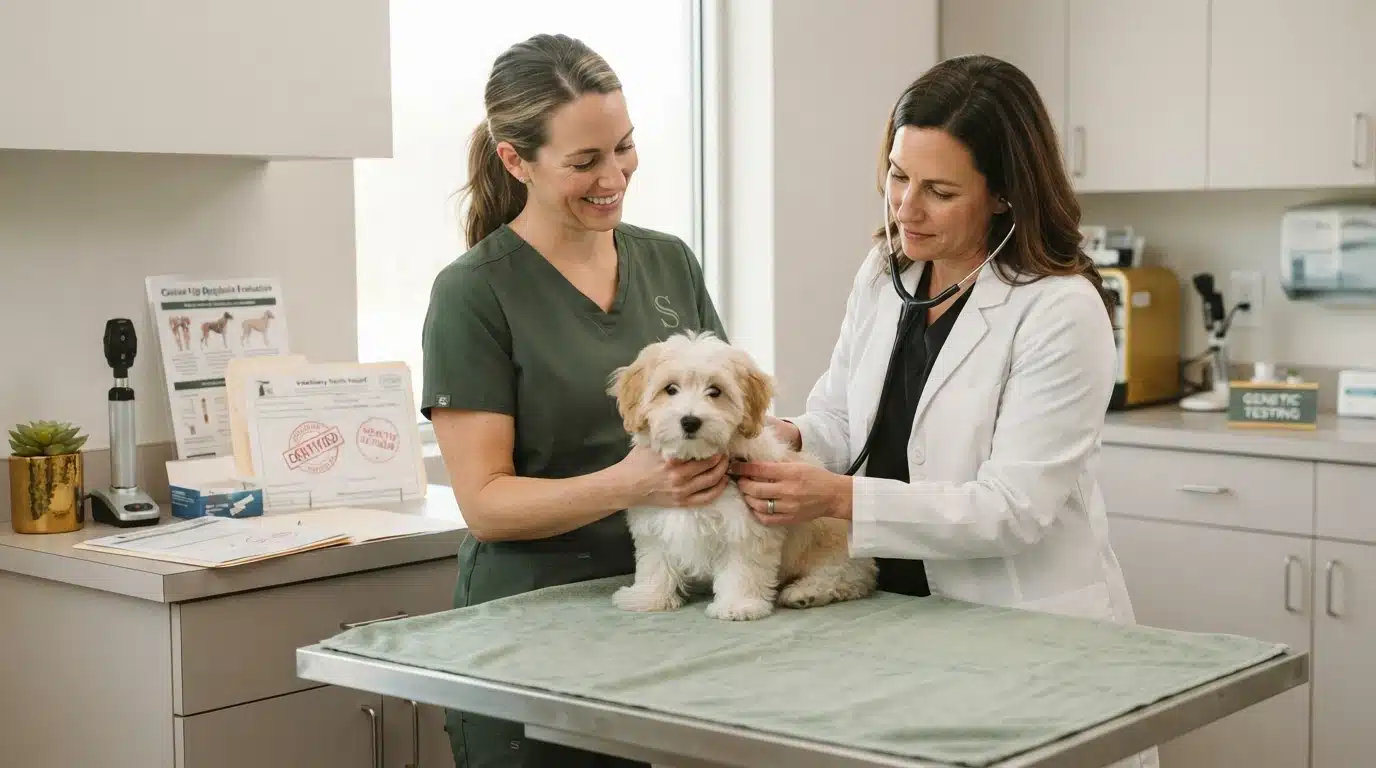
A veterinary health exam is a hands-on check by a vet, often called a puppy wellness exam. It records weight, heart and lung sounds, eyes, ears, teeth, skin, joints and more, and is typically done days before pickup or delivery. It shows how the puppy is right now, so the DNA test vs vet exam question comes down to future risk versus current condition.
Key strengths
- Catches current problems like murmurs, hernias or infection
- Findings can still be discussed before you commit
What DNA Screening Actually Proves About a Puppy
DNA screening reads a puppy’s genes for known disease variants, breed mix, and parentage. In the DNA screening vs vet exam question, it answers a different question than a checkup: what the puppy inherited, not how it looks today. Here is what a result can and cannot tell you.
Variants, carriers and why a clear result is not a guarantee
A lab checks a cheek swab against a list of mutations linked to inherited disease. A dog with two copies of a harmful variant may develop the condition. A carrier has one copy and usually stays healthy, but can pass the variant on, which is why breeders pair dogs so no puppy inherits two copies. So what does a clear result prove? Only that the puppy tested negative for the variants on that panel. It says nothing about heart murmurs, luxating patellas, or conditions with no known genetic marker. For families comparing health-tested Havanese, Havapoo and Cavapoo puppies, this gap is the biggest source of confusion, and our screening checklist walks through what each record covers.

Why the quality of the panel matters
Not every panel tests the same things. Some screens cover 30 conditions; broader canine genetic testing platforms like Embark screen for more than 270 health conditions. A “DNA tested” claim means little unless you know the list. Ask which lab ran the test and which diseases it covered for the breed. A Havanese panel should include variants relevant to that breed, not just generic ones. If a breeder cannot show the actual report, treat the claim as a breeder health claim to verify, not a fact.
Parentage and breed confirmation as a practical bonus
Most kits also confirm breed mix and parentage. For a Havapoo or Cavapoo, that verifies you got the mix you paid for. Parentage results also reveal whether the listed dam and sire are truly the puppy’s parents. Accurate ancestry matters because breed mix shapes adult size and coat. Vet records cannot prove any of this, which is why DNA vs vet exam puppy checks work best together.
What a Vet Exam Checks That a DNA Test Cannot
A DNA panel reads genes. A puppy wellness exam reads the puppy in front of the vet, right now. In the first 40-60 words, here is what an exam catches that no test can:
- Heart murmurs heard through a stethoscope
- Patella luxation felt by moving the knee joint
- Eyes, ears, teeth and bite checked by hand
- Coat, skin and body condition seen and touched
- Breathing, weight and alertness observed live
The hands-on findings only a physical exam can capture
A vet listens to the heart and lungs, then palpates the knees, hips and belly. Small breeds like Havanese, Havapoos and Cavapoos are prone to loose kneecaps, and a vet can feel this in seconds. Heart murmurs show up the same way; Cornell’s canine health center notes that a murmur is usually first heard during a routine exam, not found in bloodwork. Skin, eyes, ears and bite all get a close look too.
Vaccinations, deworming and parasite prevention planning
An exam visit is also where the care schedule gets built. The vet reviews your puppy’s vet record, confirms which vaccines are done, and plans the rest of the series. Deworming history gets checked, a fecal test may run, and heartworm and flea prevention starts on a date that fits your puppy’s weight and age. A DNA test plays no role in any of that.
The limits of an exam too
An exam is a snapshot. A vet sees your puppy for fifteen minutes on one day, so a clean visit does not rule out inherited disease that develops later. That is why breeder records matter: parent DNA results, OFA patella certifications and exam notes cover the genetic side. You want both layers, not one instead of the other.
Is DNA Testing or a Vet Health Exam More Important?
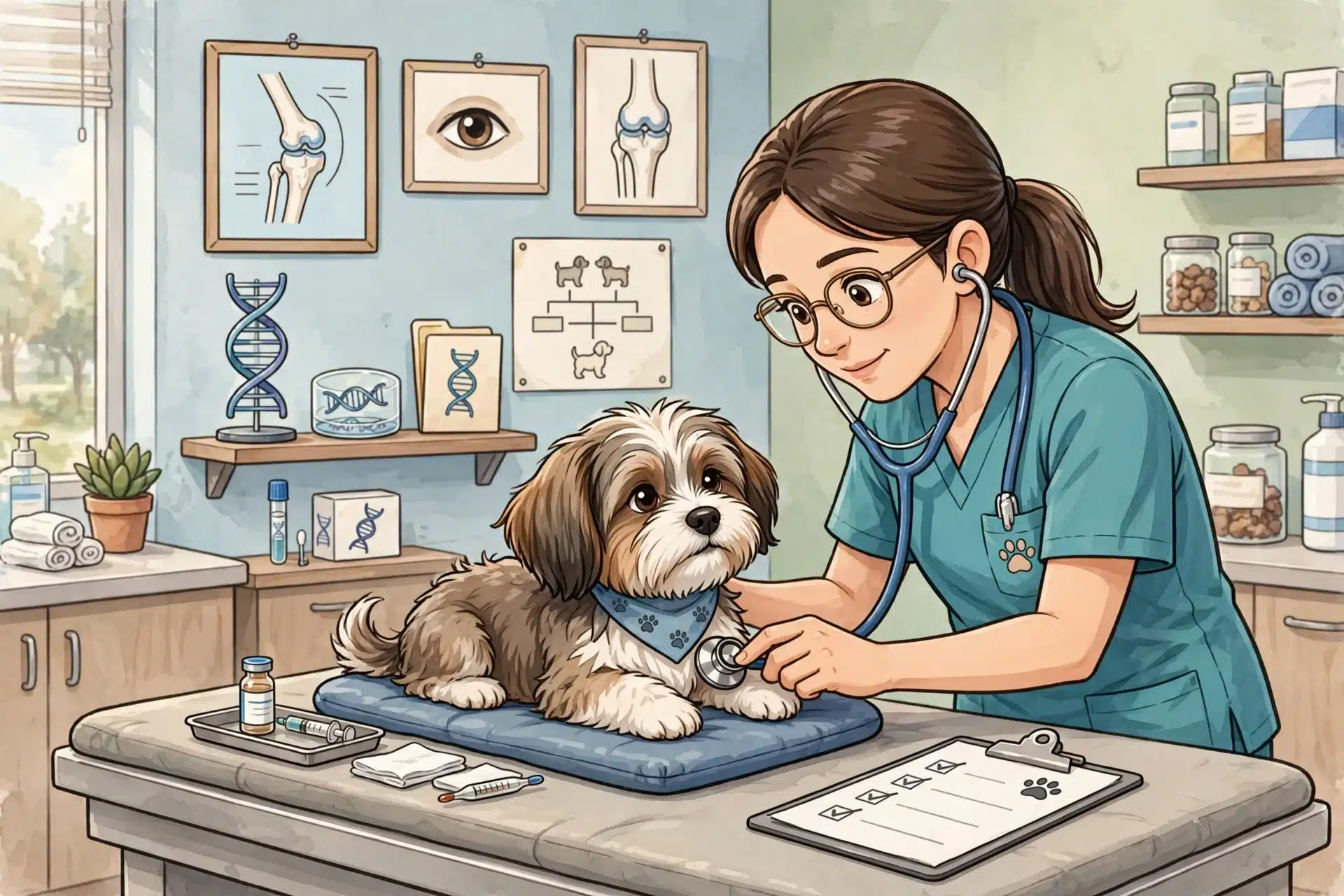
For the puppy in your arms right now, the vet exam matters more. It checks this dog: heart, lungs, hips, knees, eyes, ears, teeth and weight. A DNA panel predicts inherited risk from the parents’ genes, but it cannot hear a heart murmur today. In order of importance for a new puppy:
- A puppy wellness exam with vaccination records
- Parent clinical screening, like OFA hips, patellas and eye exams
- Parent DNA results for breed-specific variants
The short answer for a buyer holding a puppy
The exam answers “is this puppy healthy today?” That is your first concern, and a clean exam report with your own vet’s name on it is hard to fake. DNA results describe the parents, so they matter before the litter is even born. Ask for both, then weigh the exam first.
When DNA screening becomes the more important check
Before you pick a litter, DNA screening leads. It reveals carriers of inherited disease that no stethoscope can find, and the Havanese Club of America’s 2025 health statement sets the breed standard for eye, hip and patella screening on breeding dogs. Good breeders in Utah and elsewhere pair parent DNA results with those clinical tests, so you never have to choose just one.
Reading a Breeder’s Health Claims for Havanese, Havapoo and Cavapoo Puppies
A breeder’s health claim means little until you know which layer it sits on. “Health-tested parents” tells you about DNA. “Vet-checked” tells you about that one puppy on one day. Ask for both, in writing, and read each on its own terms.
Three layers buyers should see separately
- Puppy exam records: a licensed vet examined your puppy, noted the heart, hips, eyes, ears and patellas, and dated the visit.
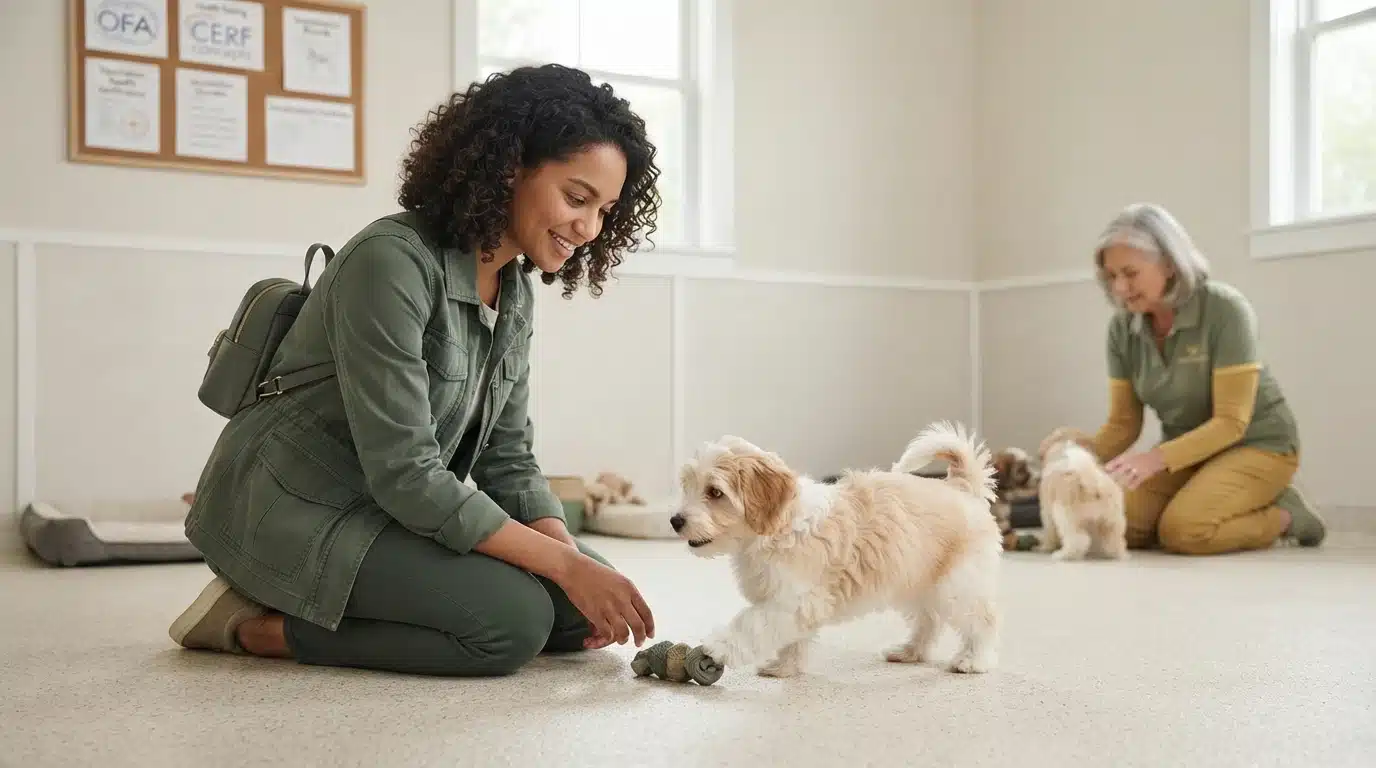
- Parent clinical screening: OFA or CERF results on the dam and sire, such as patella certification and eye exams.
- DNA variant results: lab reports showing whether either parent carries gene variants for inherited disease.
A healthy exam does not prove the parents are tested, and clear DNA does not guarantee a sound heart today. Strong breeders show all three. At Sage Puppies, every claim maps to a document you can read before you commit.
What Havanese CHIC actually asks for in 2025
CHIC certification, run through the Orthopedic Foundation for Animals, is a benchmark that says a Havanese’s results were posted publicly. For Havanese, the current requirements call for an ophthalmologist eye exam (ACVO), patella evaluation, and cardiac exam, with hip radiographs listed as optional. CHIC does not certify that results are good. It confirms the tests were done and published, so a breeder who hides behind “CHIC pending” without numbers is telling you nothing yet.
Why Havapoo and Cavapoo litters need their own conversation
Mixed litters have no single breed requirement, so a breeder’s choices matter more. Ask which tests were run on each parent for both contributing breeds, and expect a clear answer rather than a logo. A Poodle side tested only for hips leaves plenty unchecked.
Questions to Ask a Breeder and Records to Request
Good answers to a few direct questions tell you whether a breeder’s health claims hold up. Ask these seven, and take notes on what each one reveals.
Seven questions that reveal how testing was done
- Which DNA variants did both parents test negative for, and can you send the actual reports?
- Did an OFA or CHIC listing come back on each parent, not just “the hips look fine”?
- Who read the patella and hip evaluations, a vet or the breeder?
- How old were the parents when they were tested?
- Can I see the puppy’s vet exam record with the date and the examiner’s name?
- Which vaccines has the puppy had, and what’s still due?
- What heart or eye issues run in your lines, and how do you screen for them?
Red flags in health language
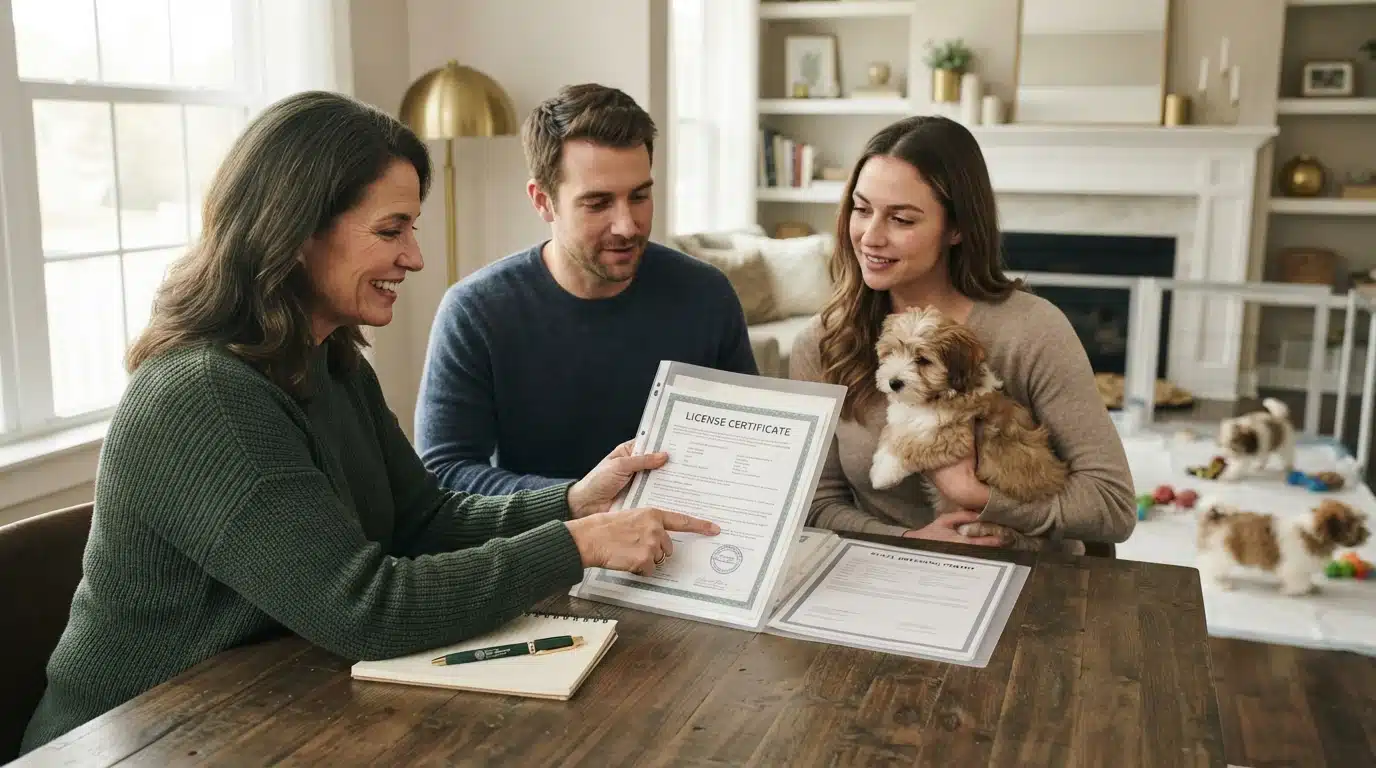
Watch for vague phrases like “vet checked,” “healthy lines,” or “parents tested” with no reports attached. Real screening produces paperwork: a DNA report naming the variants, an OFA number you can look up, and a dated puppy wellness exam sheet. Ask for copies before you pay a deposit. A confident breeder sends them the same day, because health-tested Havanese, Havapoo and Cavapoo puppies come with a paper trail, not adjectives.
Which Should You Choose: DNA Screening or Vet Exam?
You do not choose one. You need both, and they answer different questions. DNA screening looks ahead: it shows which inherited variants a puppy or its parents carry, including some linked to late-onset disease. A vet exam looks at today: heart, lungs, eyes, patellas, weight and overall condition. A clean exam says nothing about genes. A clear panel says nothing about this morning’s heart murmur.
How to decide for your specific puppy
Start with the breed’s known risks. Health-tested Havanese, Havapoo and Cavapoo puppies should come from parents with DNA results covering breed-relevant conditions, plus OFA patella certification and eye exams where the club requires them. Ask which variants the panel covered. A broad canine genetic testing platform like Embark screens for more than 270 health conditions, so a narrow test may have skipped something.
Then weigh the puppy’s age. Before eight weeks, the exam is brief, so parent records carry more weight. After that, the puppy’s own wellness exam matters more.
If a breeder offers only one type of proof, treat the missing piece as a question to ask, not a reason to walk away. The answer tells you a lot.
What a complete record looks like before you say yes
Ask for four things:
- DNA results for both parents, listing variants tested and cleared
- Clinical screening on parents: patellas, eyes, cardiac where required
- Puppy exam record dated within a few days of pickup or delivery, signed by a licensed vet
- Vaccination and deworming history matched to the puppy’s age
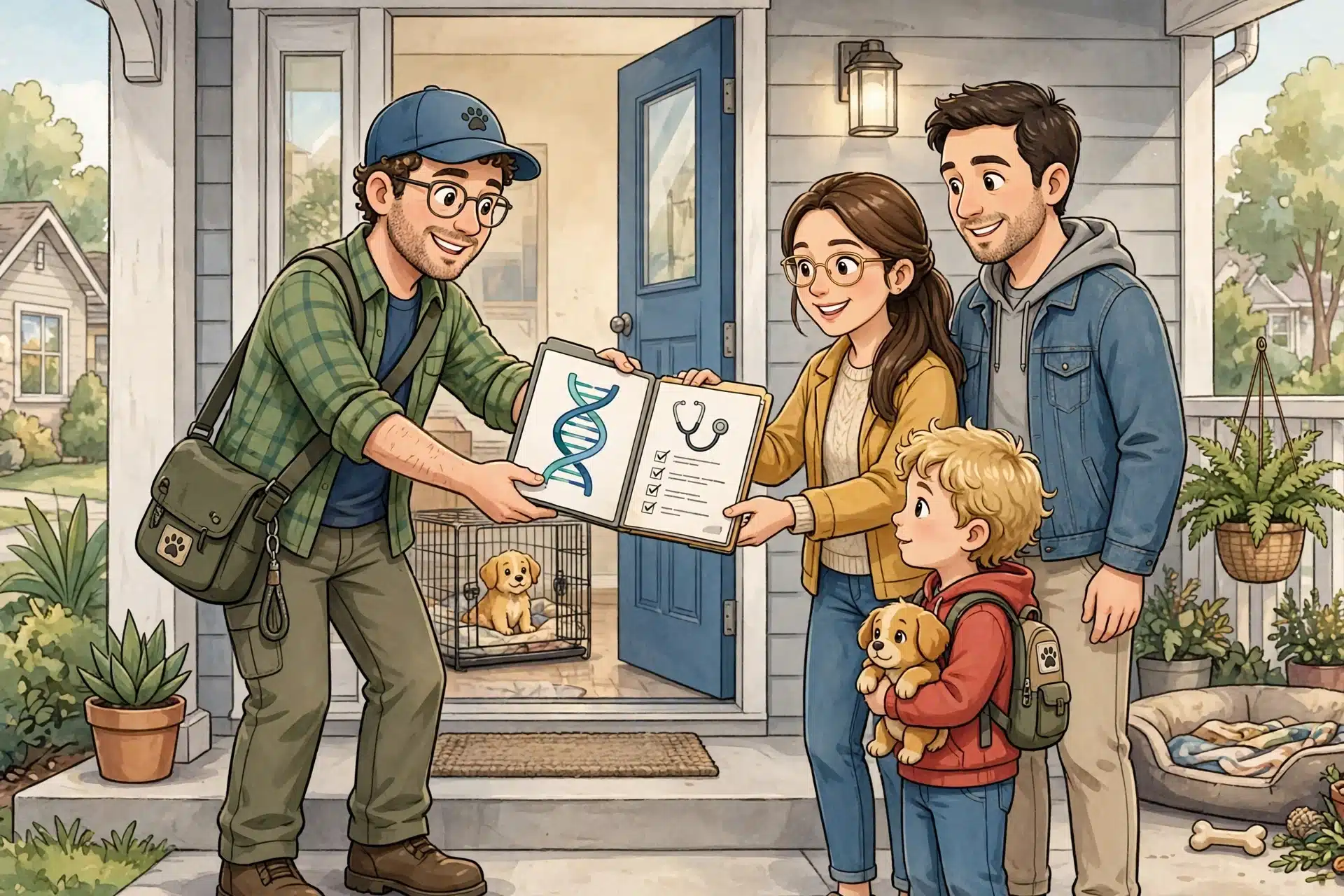
A complete file is a folder, not a single page. If records arrive late or partly missing, ask for copies in writing before your deposit becomes final. Both proofs together give you the real answer to the DNA test vs vet exam question.
| Record | What It Proves | What It Cannot Prove |
|---|---|---|
| Parent DNA panel | No inherited variants carried | The puppy is healthy today |
| Puppy wellness exam | Current heart, eyes, patellas, weight | No hidden late-onset genes |
| Vaccination record | Age-appropriate protection | Anything about breeding stock |
| CHIC or club listing | Parents met required screens | The specific puppy was examined |
Choose a breeder who keeps all three layers, ask for copies, and you stop guessing.

Both checks matter, but they answer different questions: a vet exam confirms today’s health, while DNA screening reveals what your puppy inherited. Sage Puppies pairs health-tested parents with hands-on care for its Havanese, Havapoo and Cavapoo puppies. Ready to meet a wisely bred companion? Visit Sage Puppies and start your application today.
Frequently Asked Questions
Q1: Is DNA testing or a vet health exam more important for a new puppy?
The vet exam matters more for the puppy you take home today. DNA screening predicts inherited risk from the parents, so ask for both records.
Q2: What health tests should a breeder run on puppies before sale?
Expect a dated puppy wellness exam by a licensed vet, plus vaccination and deworming records matched to the puppy’s age.
Q3: What does a vet exam check that a DNA test cannot?
Heart murmurs, patella looseness, hernias, eyes, ears, teeth, skin and weight. A panel reads genes; the exam reads the actual puppy.
Q4: Should I see the puppy’s DNA report or just the parents’?
Both. Parents’ results matter most, but a report confirms breed mix and parentage for your Havapoo or Cavapoo.
Q5: What does “CHIC pending” really mean?
Only that required tests are not yet posted. Ask for actual OFA numbers and results before paying a deposit.
Conclusion
The DNA test vs vet exam question has a clear answer: you need both, weighted differently. The puppy wellness exam proves the dog in front of you is healthy today. Parent DNA results and OFA screening reveal inherited risk. Ask breeders for all three layers in writing: dated exam records, clinical screening on the parents, and lab reports naming every variant tested. Health-tested Havanese, Havapoo and Cavapoo puppies come with paperwork, not adjectives, so treat any claim without a document as an open question before your deposit becomes final.