Quick Summary: Havanese are the easiest all-around for families wanting a friendly, low-shedding dog with manageable grooming. Cavapoos offer a cuddly, variable coat but require regular grooming and can be unpredictable. Bichon Frises have a classic white look and low shedding but need frequent, detailed grooming. Overall, Havanese strike the best balance for first-time owners seeking a cheerful, adaptable companion.
If you want the fast answer, start here. A Havanese is often the safest all-around pick for families who want an easygoing, sweet dog with a lighter day-to-day grooming feel. A Cavapoo often wins on charm and cuddle appeal, but Cavapoo characteristics can vary more from puppy to puppy. A Bichon Frise suits buyers who love that bright white look and feel ready for more coat work.
Many first-time owners narrow these breeds down for the same reason. They are small, cute, and built for companionship. Still, they differ in coat texture, shedding, allergy expectations, and how much brushing and grooming you will actually do each week.
This guide focuses on the points that matter before you commit: Cavapoo characteristics, Havanese temperament, and each key Bichon Frise comparison point that changes daily life. You will get a clear side-by-side view, practical coat insight, and honest trade-offs. We work from the breeder side, where Cavapoo characteristics and family fit matter most long before pickup day.
Cavapoo vs Havanese vs Bichon Frise: At a Glance
| Cavapoo | Havanese | Bichon Frise | |
|---|---|---|---|
| Size | Small to small-medium; about 9–14 in, 8–25 lb | Small; about 8.5–11.5 in, sturdy build | Small; about 9–11.5 in, compact |
| Coat type | Wavy to curly; variable by parentage | Long, silky, wavy double coat | Dense white double coat with soft corkscrew curls |
| Shedding level | Low to moderate, not guaranteed low-shed | Low to moderate; coat still needs upkeep | Low; coat still mats without care |
| Temperament | Affectionate, playful, people-focused | Friendly, playful, intelligent, non-quarrelsome | Friendly, outgoing, lively |
| Grooming needs | Moderate to high; regular brushing and clipping | Moderate; coat care is ongoing | High; regular brushing and trimming |
| Best for | Families wanting a cuddly companion with Poodle influence | Families wanting a cheerful, adaptable companion | Owners who want a bright companion and can keep up with coat care |
Meet the Contenders
Cavapoo
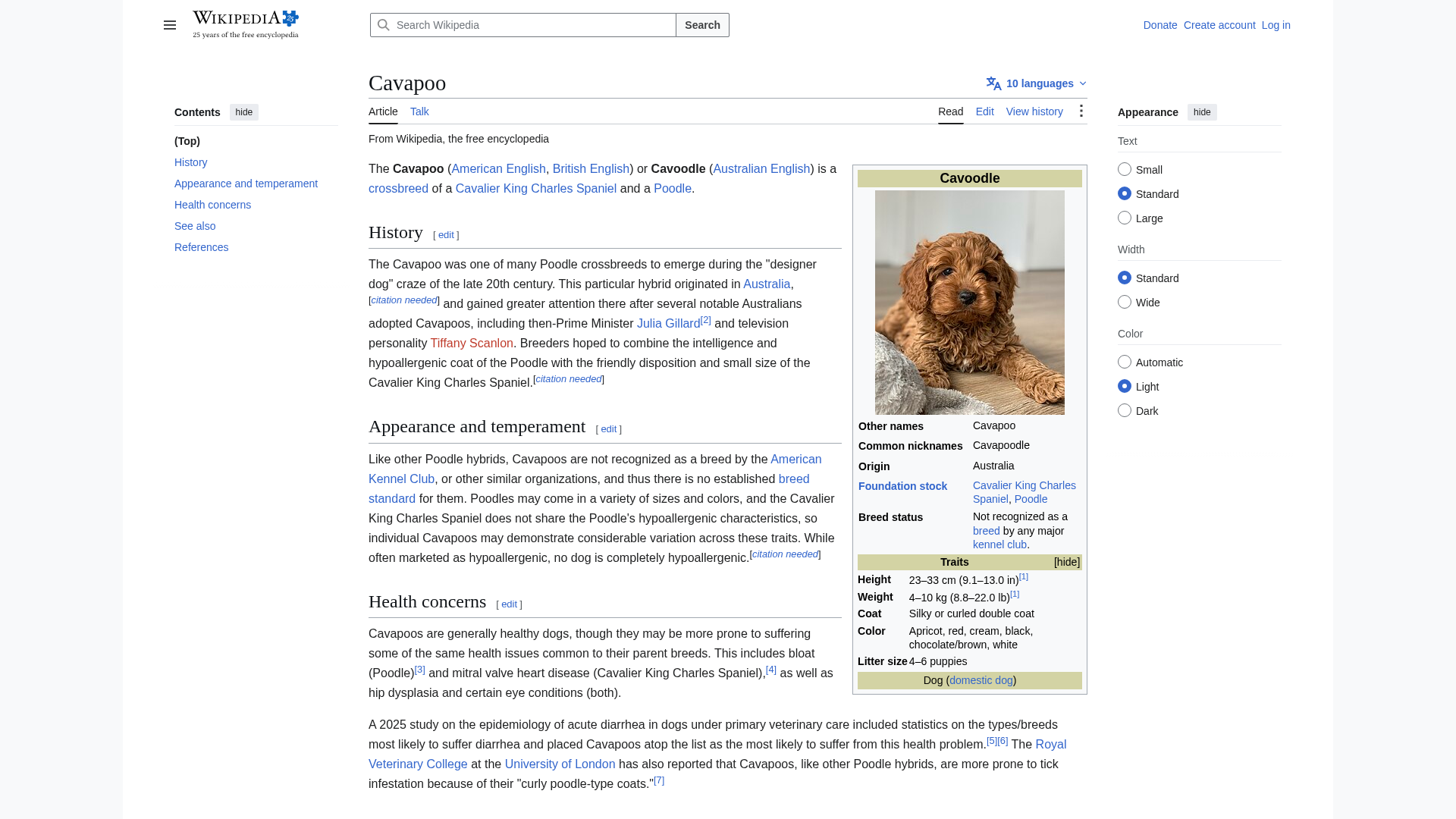
A Cavapoo is a Cavalier King Charles Spaniel and Poodle cross with a cuddly, people-first style. It fits families who want a small companion with a soft, often wavy coat, but coat type and shedding can vary by lineage, as noted in Chewy’s Cavapoo profile.
Havanese
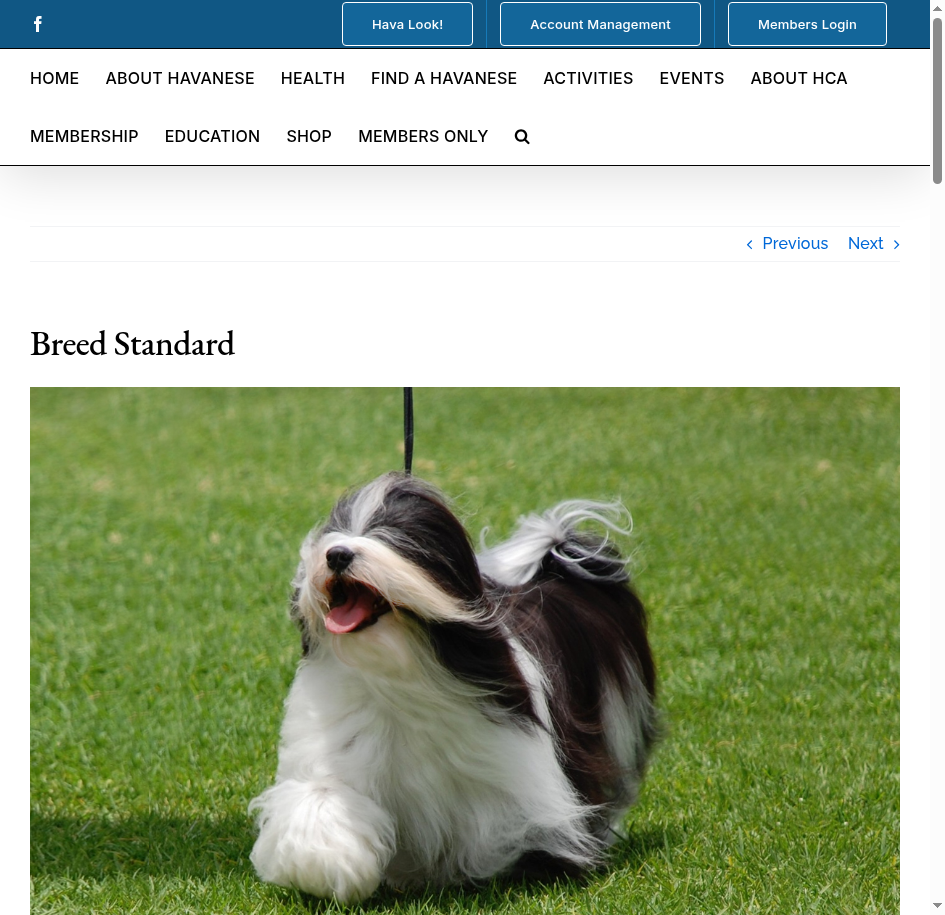
The Havanese is a small, sturdy companion breed known for a long, soft, wavy coat and a cheerful nature. It suits buyers who want a playful house dog with a more established breed look and temperament.
Bichon Frise
The Bichon Frise is a compact white companion dog with a plush curly coat and bright, social personality. It works well for owners who love a lively small dog and can stay on top of regular coat care.
Size and coat type: the differences you’ll notice first
The first thing most families notice is not personality. It is how the dog feels in your hands and how much coat care shows up in daily life. For the full side by side breakdown, go back to the parent guide on Cavapoo vs Havanese vs Bichon Frise.
Why coat predictability matters more than coat length
A long coat does not always mean hard care. A shorter coat does not always mean simple care either. What matters most is predictability.
A Havanese has a more set breed coat. The AKC standard describes it as long, soft, light, and wavy, not harsh or woolly in the official Havanese standard. A Bichon Frise is also more predictable, with a soft undercoat and loose corkscrew curl that creates that powder-puff look under the FCI breed standard.
A Cavapoo is different. Because it is a cross, coat outcome can vary a lot even within one litter.
- Some feel silky and loose
- Some turn fleece-like and dense
- Some shed less, but mat faster
- Some look “easy” until the coat changes with age
If you want fewer surprises, pure breeds usually give you a clearer idea of adult coat texture than a mix.
| Breed | Coat predictability | What families usually notice first |
|---|---|---|
| Cavapoo | Lowest of the three | Texture can range from silky to curly |
| Havanese | High | Soft, airy, flowing coat |
| Bichon Frise | High | Plush, curly, cottony feel |
What each coat feels like in real life
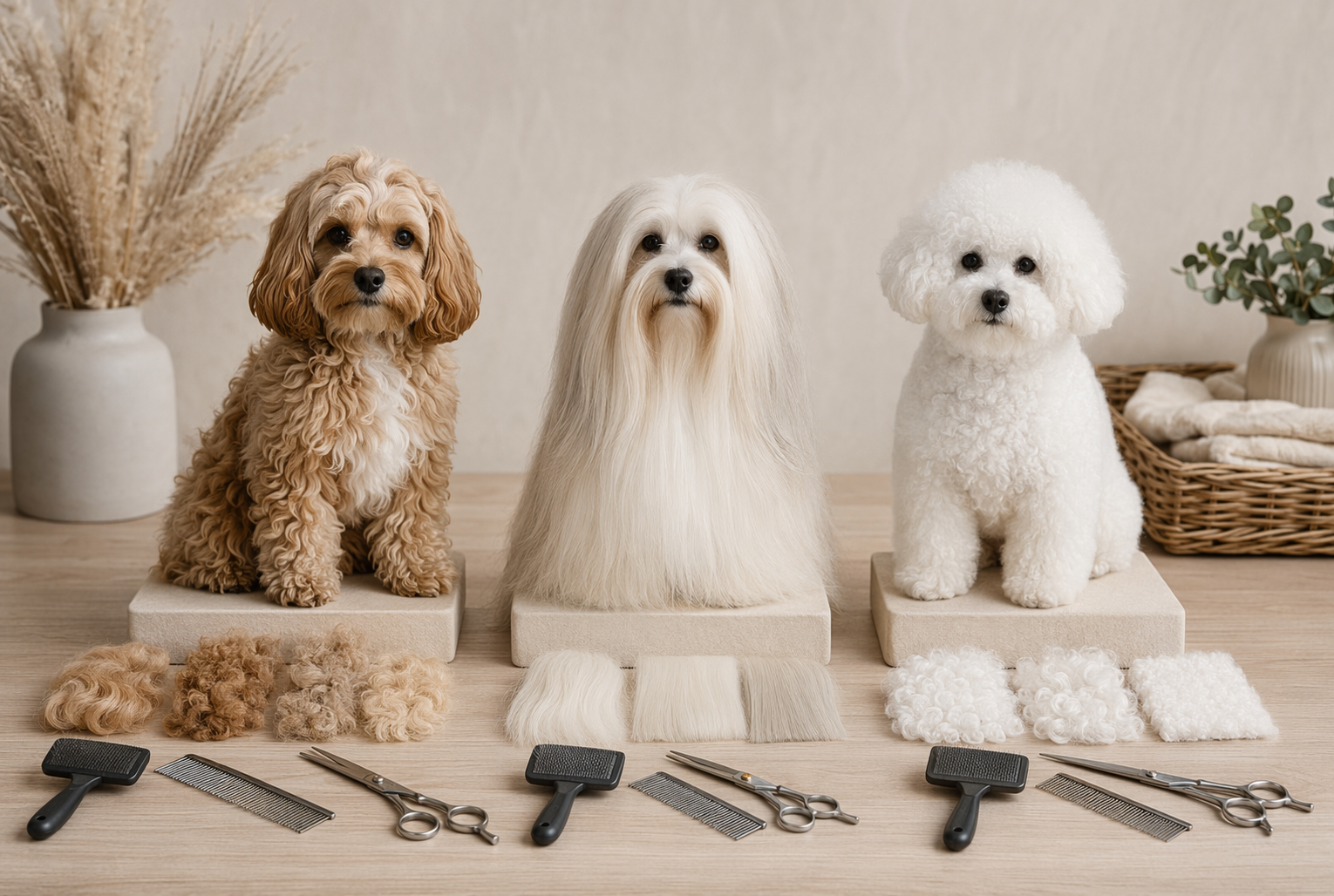
In real life, these coats feel very different.
- Cavapoo – often soft and plush, like a teddy bear, but density varies
- Havanese – silky, light, and airy, often cooler and less “puffy” than people expect
- Bichon Frise – springy, dense, and cloud-like, with more lift from the body
That matters when you brush, bathe, and dry them.
- Silky coats often tangle at friction points.
- Dense curly coats trap loose hair and mat close to the skin.
- Mixed coats can change the most from puppy to adult.
A coat that feels soft in a puppy can still become your highest-maintenance option later.
How size affects handling for first-time owners
All three are small, but they do not feel the same to carry, groom, or manage on leash.
- Havanese often feel slightly longer in body
- Bichons feel compact and sturdy
- Cavapoos can land between toy-small and small-medium, depending on the Poodle parent
For first-time owners, size affects simple things:
- how steady the dog feels with children
- how easy bath time is
- how much dog you are brushing at once
- whether the dog feels delicate or sturdy
A good quick check is this:
- Pick up a dog safely.
- Run your hand through the coat to the skin.
- Ask what the adult size range is, not just current puppy weight.
Also Read: 10 Small Breed Puppies That Stay Friendly and Easygoing
Temperament and family fit: calm companion or lively little shadow?
Attachment style and people focus
All three breeds want to be close to their people, but they show it a bit differently. Havanese often act like tiny social hosts. The AKC describes them as cheerful, bright, social dogs that do not do well when left alone for long stretches according to AKC. Bichon Frise dogs are usually friendly with almost everyone and tend to greet strangers fast rather than study them first AKC notes.
For Cavapoos, attachment can feel even more intense because both parent breeds are people-focused. In real homes, that often means a true shadow dog.
- Most velcro: Cavapoo
- Most socially easygoing: Bichon Frise
- Best mix of cuddly and adaptable: Havanese
If your home is empty most of the day, none of these breeds is ideal. Cavapoos usually struggle the most with too much alone time.

Energy level in a family home
None of these dogs is extreme, but their energy lands in different spots.
| Breed | Home energy | Play style | Best fit |
|---|---|---|---|
| Cavapoo | Moderate | Short bursts, walks, games, training | Active family wanting a close buddy |
| Havanese | Moderate | Bouncy, playful, flexible | Family with mixed schedules |
| Bichon Frise | Moderate with upbeat spurts | Silly zoomies, then rest | Home wanting cheerful but manageable energy |
A Bichon Frise often has funny fast laps, then settles well. A Havanese stays playful without needing a huge outlet. A Cavapoo may need a little more daily engagement, especially if it leans toward the Poodle side.
A good family routine looks like this:
- Two short walks
- One play session
- A few short training reps
- Plenty of people time
Families with young kids usually find Havanese and Bichons slightly easier to pace than a more alert, clingy Cavapoo.
Which temperament is easiest for first-time owners
For most first-time owners, Havanese is the easiest middle ground. You get affection, trainability, and a friendly nature without as much temperament swing as some Cavapoos. Bichon Frise is also beginner-friendly, especially if you want a happy dog that likes guests and adapts well.
Choose based on daily life:
- Pick Cavapoo if you want deep attachment and can handle more emotional dependence.
- Pick Havanese if you want the most balanced companion.
- Pick Bichon Frise if you want cheerful, social, and less clingy behavior.
At Sage Puppies, this is why family matching matters as much as looks.
Also Read: Cavapoo vs Havanese: Which Breed Is Best for Families?
Shedding, allergies, and grooming: the real ownership trade-off
What ‘hypoallergenic’ really means for these breeds
If allergies are your top concern, start with this: none of these dogs is truly hypoallergenic. The AKC states that no purebred or mixed breed is 100% hypoallergenic, even when a coat sheds very little according to the AKC.
That matters here because all three can be easier on some allergy sufferers, but for different reasons.
- Bichon Frise is the most predictable low-shed option in this group.
- Havanese also tends to shed lightly, but coat length can still hold dander.
- Cavapoo is the least predictable because it is a mix. One puppy may have a curlier, lower-shed coat, while another may lean more spaniel-like.
Low shedding does not mean low maintenance. In fact, the dogs that drop the least hair often need the most grooming.
For many families, the real trigger is not the hair itself. It is dander stuck to the coat, plus saliva and skin oils. That is why regular bathing, brushing, and clean bedding matter as much as breed choice.
Brushing, trimming, and coat upkeep by breed
The big trade-off is simple: less hair on your couch often means more work with a brush and groomer.
| Breed | Shedding | Home brushing | Professional grooming | Main challenge |
|---|---|---|---|---|
| Bichon Frise | Very low | Daily or near-daily | Every 4-6 weeks | Mats close to skin |
| Havanese | Low | 3-5 times a week | Every 6-8 weeks if kept long | Tangles behind ears and legs |
| Cavapoo | Low to moderate, varies | 3-5 times a week, sometimes daily | Every 6-8 weeks | Coat unpredictability |
The Bichon has the heaviest grooming load. AKC notes that the breed’s hair keeps growing, sheds very little, and needs regular grooming to avoid mats in its Bichon Frise breed guide.
A Havanese coat is softer and often silkier. Many families keep it in a shorter puppy cut to make brushing easier.
A Cavapoo can be the trickiest for first-time owners because coat type varies:
- Curlier coats mat faster.
- Wavier coats may shed a bit more.
- Straighter coats can be easier to brush but less allergy-friendly.
Ask a breeder what each puppy’s coat is doing by 8 weeks, not just what the parents look like.
Which breed is most manageable for busy families
If your schedule is packed, Havanese is often the easiest middle ground.
- Bichon Frise fits families who will stay on top of daily coat care.
- Havanese gives you a lower-shed coat with a bit more flexibility.
- Cavapoo can be easy, but only if you are ready for coat variation and regular grooming.
For busy homes, this is the practical ranking:
- Havanese – best balance of low shedding and manageable upkeep
- Cavapoo – manageable if coat stays wavy and you groom often
- Bichon Frise – best for low shedding, hardest for routine coat work
If you want the safest bet, pick the breed whose grooming needs you can handle every week, not the one with the cutest photo.
Also Read: Cavapoo vs Havapoo vs Havanese: Which Small Breed Is Best?
Which small breed puppy should you choose?
Pick based on coat reality, not just looks. All three can be sweet family dogs, but daily life feels different with each one. If you want the full side-by-side breakdown, go back to the parent guide on Cavapoo vs Havanese vs Bichon Frise.
| Breed | Best fit for | Main tradeoff |
|---|---|---|
| Cavapoo | Families who want a plush, cuddly look and don’t mind some unpredictability | Coat, size, and shedding can vary a lot |
| Havanese | Buyers who want a steady companion with a softer overall learning curve | Still needs regular brushing and people time |
| Bichon Frise | Owners who love a polished white look and plan for pro grooming | Coat upkeep is the most structured |
Choose Cavapoo if you want the most teddy-bear variability
Cavapoos are the pick for families chasing that soft, round, “stuffed animal” look. The catch is variation. Even within the same litter, coat wave, curl, size, and shedding can differ. Chewy notes that Cavapoos usually have coats somewhere between wavy and curly, and that regular brushing plus groomer visits matter to prevent mats according to Chewy’s Cavapoo guide.
Choose a Cavapoo if you want:
- A very cuddly, people-focused dog
- A softer doodle look
- More color options than a Bichon
Watch for these realities:
- Ask what coat type the puppy is showing now.
- Expect grooming every 6 to 8 weeks.
- Do not assume “non-shedding” means no maintenance.
Cavapoo is often the cutest wildcard here. That is great if you like flexibility, not if you want tight predictability.
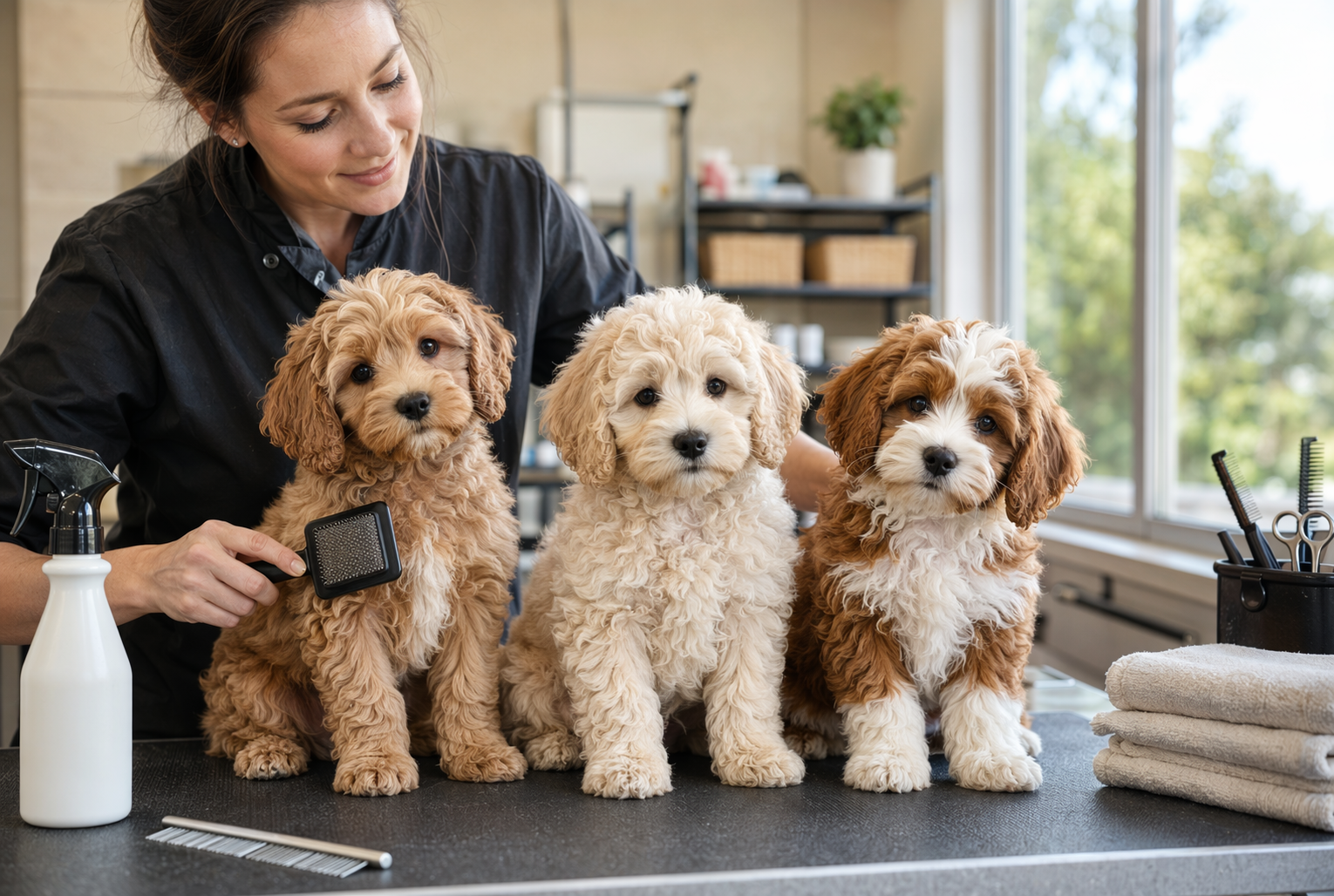
Choose Havanese if you want a balanced companion with a softer maintenance profile
Havanese often land in the sweet spot. The AKC describes them as cheerful, bright, and social, and notes they adapt well to many homes on its Havanese breed page. In real life, they usually feel more predictable than a Cavapoo and less style-driven than a Bichon.
Choose Havanese if you want:
- A small dog with an easy, happy manner
- A silky coat instead of a dense powder-puff coat
- A breed that tends to read people well
A smart way to think about Havanese:
- Temperament: balanced and companion-first
- Coat: still needs care, but many families find it easier to manage short
- Household fit: strong for first-time owners who want less guesswork
If you want the safest middle lane, Havanese is often it.
Choose Bichon Frise if you love the bright white powder-puff look and can commit to coat care
Bichons are for buyers who love a neat, finished look and will keep up with it. The AKC describes the breed as a small, sturdy “personality dog,” and the trademark white coat is a big part of the appeal. It is also the commitment on the AKC Bichon Frise page.
Choose Bichon if you want:
- A classic bright white companion
- A cheerful, alert little dog
- A more consistent purebred look
Be honest about the work:
- White coats show dirt and tear staining fast.
- Brushing cannot be skipped.
- Grooming appointments need to stay on schedule.
Pick Bichon for the look only if you also want the routine that keeps that look.
Still deciding which small companion breed fits your home best? Sage Puppies helps you narrow it down with family-raised Havanese, Havapoo, and Cavapoo puppies, health-tested parents, and a clear, low-stress process. If coat care, shedding, and temperament matter most, start by viewing available puppies, then review pricing, pickup or delivery, and the application steps to find the right match for your family.
Frequently Asked Questions
Q1: What are the main differences between Cavapoo, Havanese, and Bichon Frise in size and coat type?
Cavapoos vary most because they are a mix. Many stay small, with soft wavy or curly coats. Havanese have a longer, silky coat that can look lighter and more flowing. Bichon Frise are usually the most uniform, with a dense, cottony white curl.
Q2: Are Cavapoo, Havanese, and Bichon Frise breeds hypoallergenic and suitable for allergy sufferers?
No dog is truly hypoallergenic. That said, Havanese and Bichon Frise often work better for mild allergy homes because they shed very little. Cavapoos can also be low-shedding, but coat type is less predictable, so allergy-sensitive families should meet one first.
Q3: Which small breed puppy-Cavapoo, Havanese, or Bichon Frise-is best for active families in the U.S.?
For many active homes, the Cavapoo is the easiest fit. They usually enjoy walks, play, and outings without being too intense. Havanese are playful and social too. Bichons can keep up well, but they often need the most steady coat care.
Q4: Which breed is easiest for first-time owners?
The Havanese is often the safest pick for first-time owners. They are people-focused, train well, and adapt nicely to apartments or houses. Cavapoos are close behind. Bichons are lovely, but grooming and coat upkeep can feel heavier for beginners.
Q5: Which breed needs the least grooming work?
None of these breeds are low-maintenance. If you want the simplest routine, a shorter puppy cut helps a lot for all three. Bichons usually need the most shaping and brushing. Havanese and Cavapoos may feel easier if you keep the coat trimmed.
Conclusion
The best choice depends on what you want to live with every day. Cavapoos often win on softness, trainability, and cuddle factor, but coat type, shedding, and size can vary because the Cavapoo is a crossbreed, not a fixed breed standard, according to Cavapoo background. Havanese tend to be the most balanced pick for many families – cheerful, adaptable, and more predictable in temperament and structure, with a long silky coat that still needs steady brushing. The official Havanese standard describes them as friendly, playful, and intelligent, which fits real family life well. Bichon Frise stays a strong option if you want a bright, sturdy small dog with a classic low-shed white coat, but grooming stays high.
If you want the easiest coat to understand, Havanese and Bichon are more predictable. If you want the easiest dog to own overall, many homes will find the Havanese the safest middle ground.