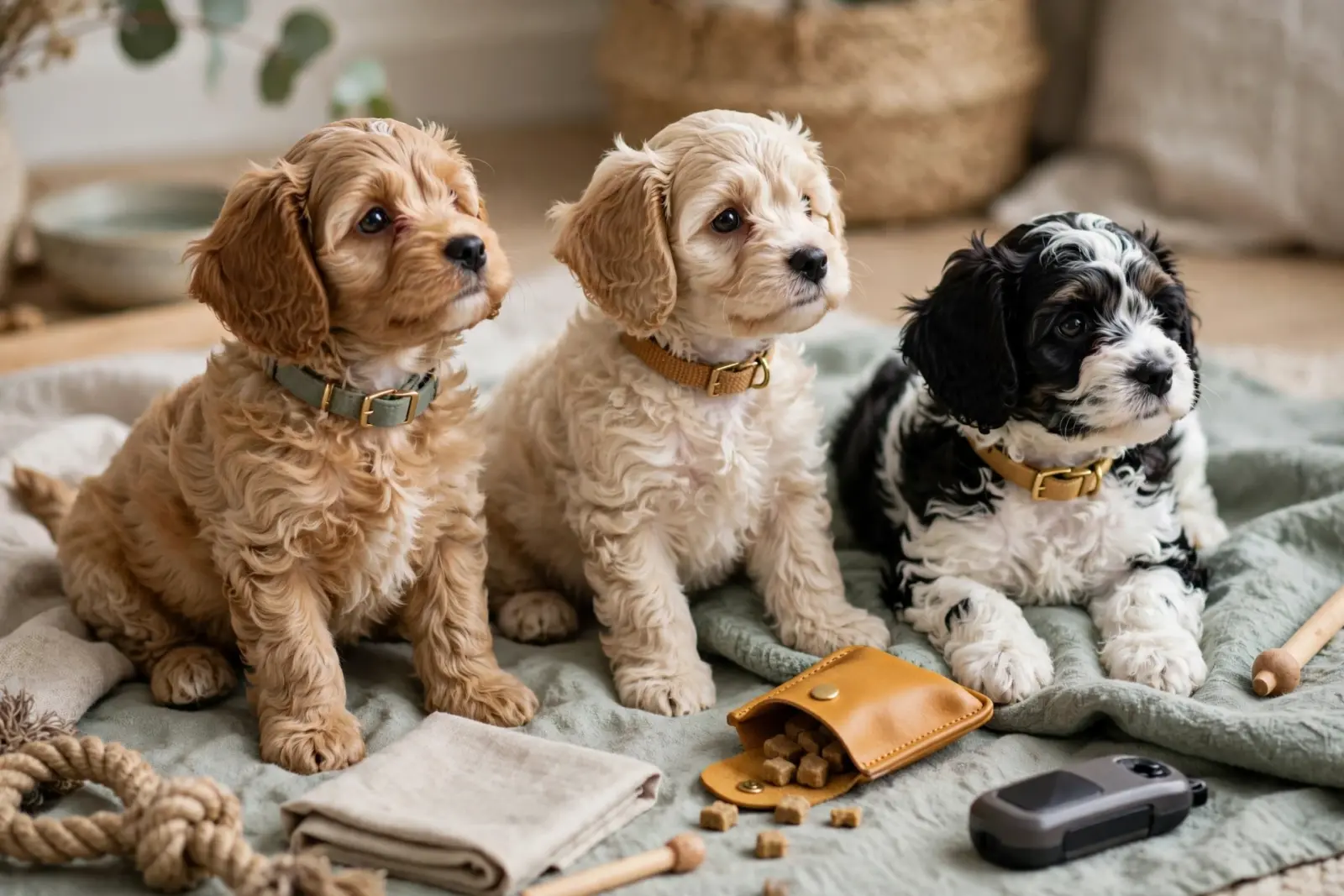
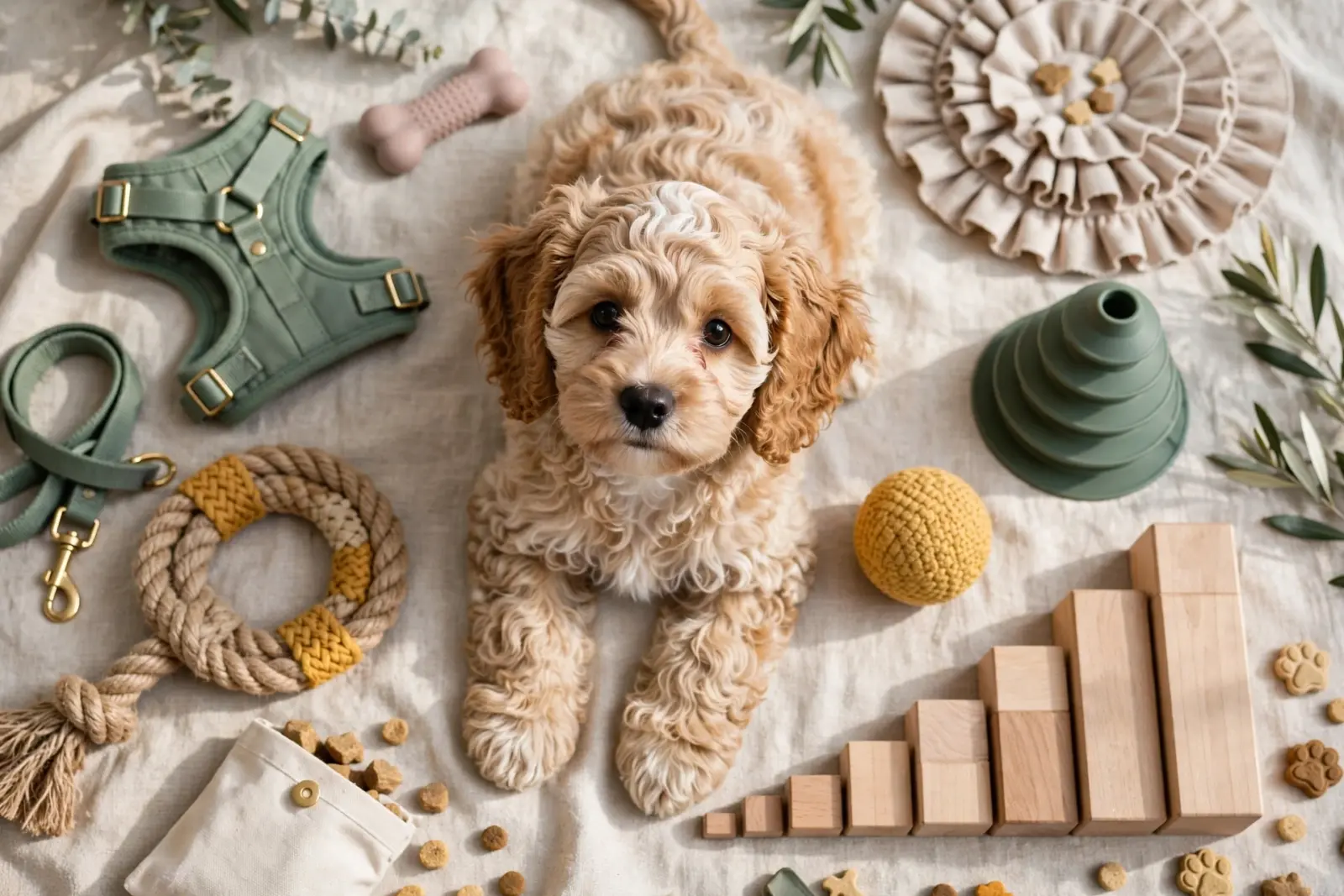
Quick Summary: Socialize a Cavapoo with three to five brief, positive exposures each day during the 3-to-16-week window, rather than forcing contact or waiting for full vaccinations. Pair outings with short play sessions, food puzzles, scent games, gentle tug, bite inhibition, drop-and-trade practice, and quiet settling. Watch body language, increase distance when needed, and review progress weekly; Sage Puppies notes that early calm handling and exposure at the breeder’s home give families a strong foundation to build on.
The first week home is when good intentions can overshoot. A neighbor reaches for your pup, the pup ducks under the hand, and by the fourth outing she avoids people instead of greeting them. Catch that pattern within the first ten days and it fades fast. Wait a month, and undoing it takes far longer.
That is the challenge this guide tackles: cavapoo socialization done gently, at a pace a sensitive, people-focused puppy can actually handle. You will find a week-by-week plan matched with play and enrichment ideas, plus safety notes for tiny mouths and guidance on balancing new experiences with your vet’s vaccination schedule.
The advice here reflects how Sage Puppies raises Havanese, Havapoo and Cavapoo puppies in South Jordan, Utah, where early handling and calm exposure begin long before a pup goes home. Use it to keep that work going in your first weeks together.
Socializing a Cavapoo puppy works best as a small, repeatable routine rather than a big weekend push. Here is how to start:
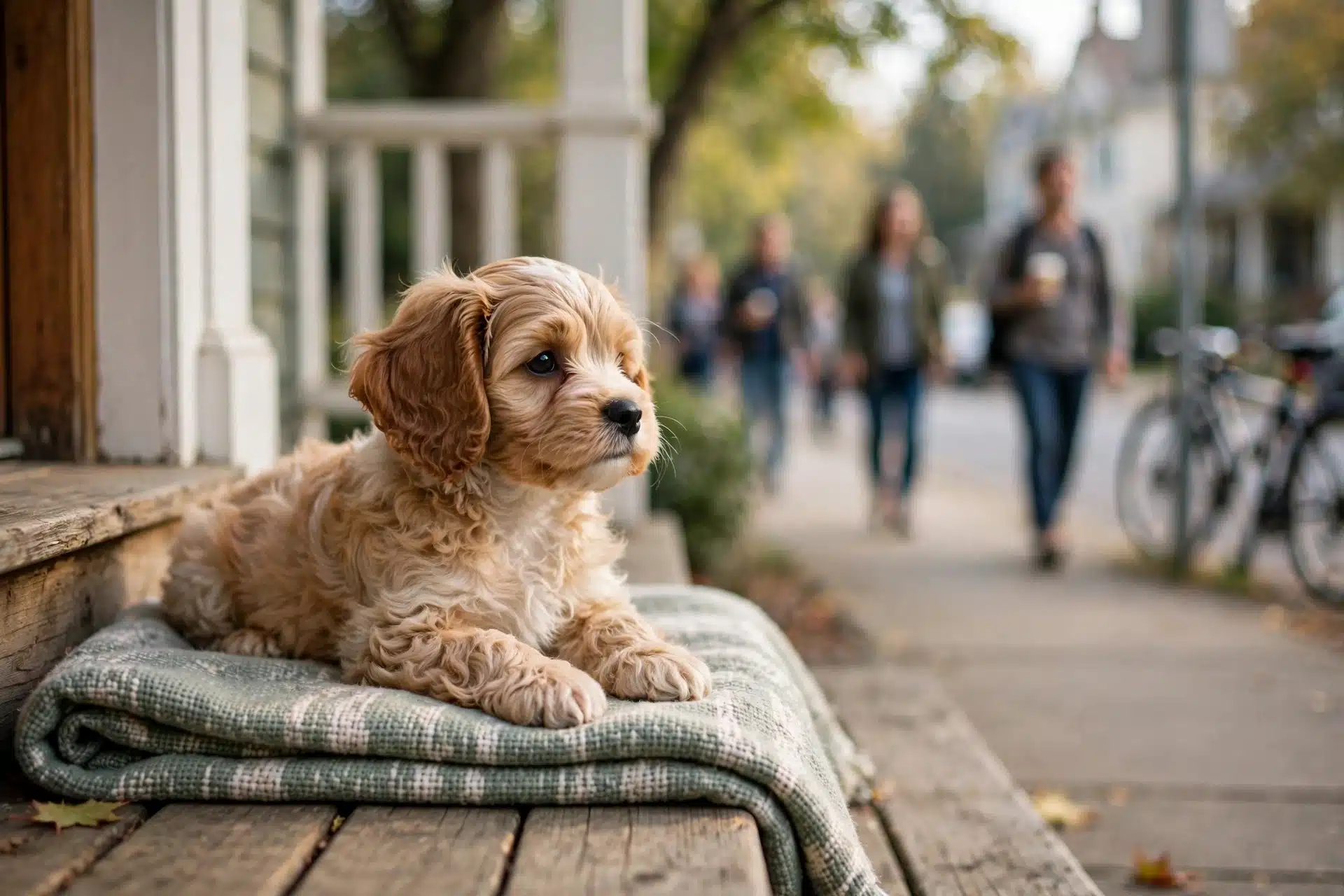
- Pick one new sound each day, like a blender, doorbell, or car radio.
- Meet one new person at a calm pace, letting your puppy approach first.
- Touch one new surface, such as grass, tile, or a shallow puddle.
- Handle one body part gently: ears, paws, or mouth, then reward.
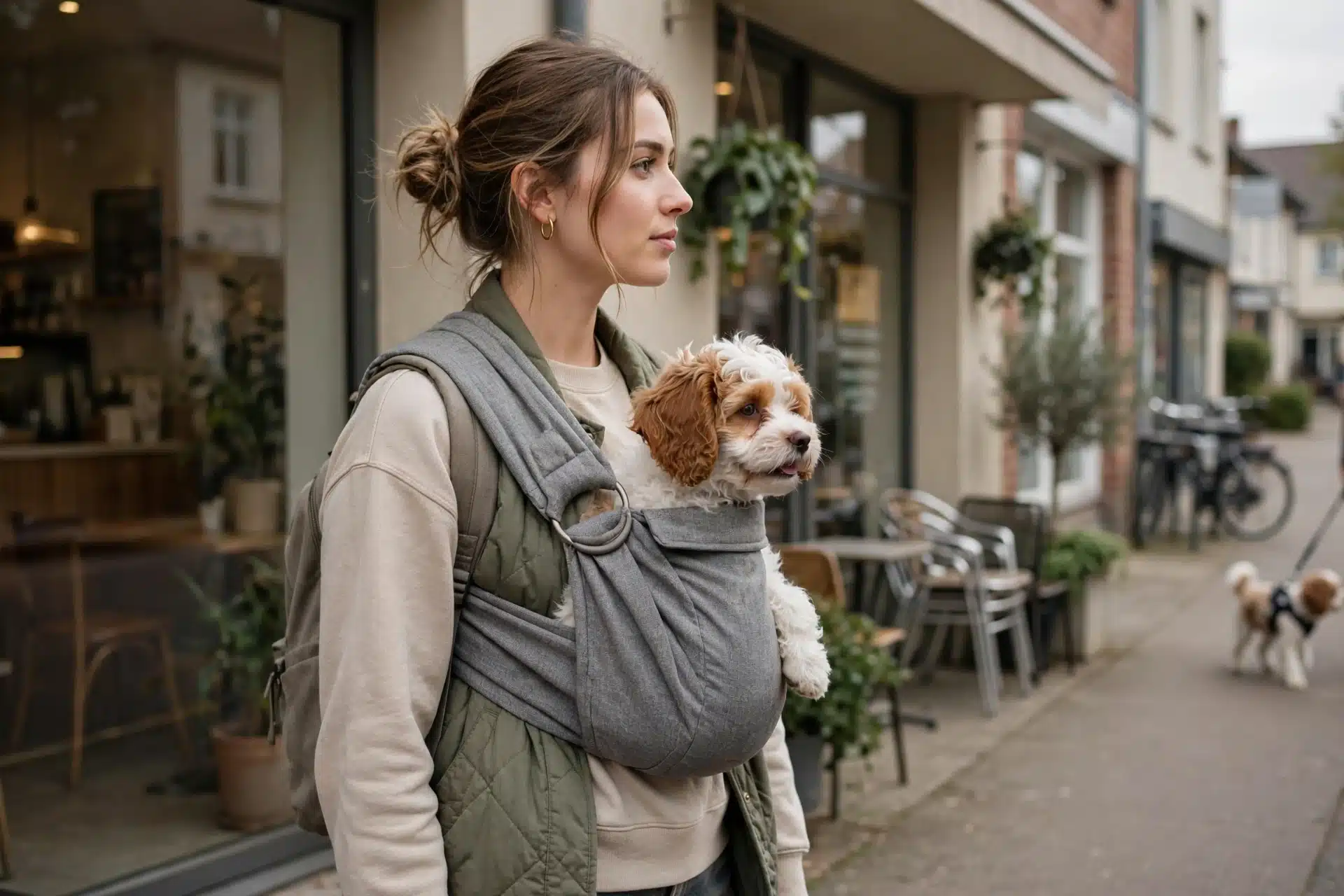
- Watch one new scene from your arms or a carrier, no contact needed.
Short, positive sessions during the 3-to-16-week window build confidence faster than long ones ever will.
Step 1: Set Up a Weekly Socialization Plan You Can Actually Keep
Cavapoo socialization sticks when you plan a little each day instead of cramming it in. The most useful question is not “what should my puppy experience?” but “what fits our week?” A plan you can repeat beats a perfect one you abandon.
How Many Exposures Fit in a Cavapoo Puppy Day
Aim for three to five short exposures daily, each lasting a few minutes. One new sound, one new surface, one friendly stranger, one gentle handling session, and one calm car ride covers a full day. Puppies this age tire fast, so stop while your pup still seems curious. Brevity is the whole trick: little and often wins over long and rare, and it keeps every memory a good one.
A Four-Week Starter Calendar
Week 1: household sounds, family handling, short porch sits watching the street.
Week 2: different walking surfaces, a car ride, one new person at home.
Week 3: a quiet park visit from a blanket or your lap, more handling by a second person.
Week 4: a first puppy class if your vet clears it, plus new textures and sounds.
| Week | Main Focus | New Experiences |
|---|---|---|
| 1 | Home and family | Sounds, handling, porch views |
| 2 | Moving safely | Surfaces, car ride, visitor |
| 3 | Watching the world | Park from distance, new handlers |
| 4 | Group settings | Puppy class, busier outings |
For breeders, this roughly mirrors the weeks a well-run program covers before pickup. A boutique breeder in South Jordan, Utah, Sage Puppies starts gentle sound and handling work with its Cavapoo litters, so your job at home builds on a foundation already laid. If you want the wider picture, the complete first-year Cavapoo care guide walks through the months after week 16 too.
The Three Signs a Cavapoo Puppy Is Overwhelmed
Watch for these, and end the session if you see one:
- Freezing or going still, with a stiff body and no sniffing
- Pinning ears back, tucked tail, or turning the head away
- Scratching, yawning, or licking lips out of context
Any of these means the experience was too big. Next time, add distance. Let your puppy watch from farther away, then reward calm looking. That simple loop, called counterconditioning, turns scary things into ordinary ones.
What to Do When a Puppy Has Not Met Many People
Adopted an older puppy with a thin history? Go slower, not harder. Start with one calm guest per week at home, no grabbing or looming over the pup. Pair every arrival with a treat. Keep new places short, and let your puppy choose to approach. A week of easy wins will do more than a single crowded event ever could.
Step 2: Choose Play Ideas That Double as Training
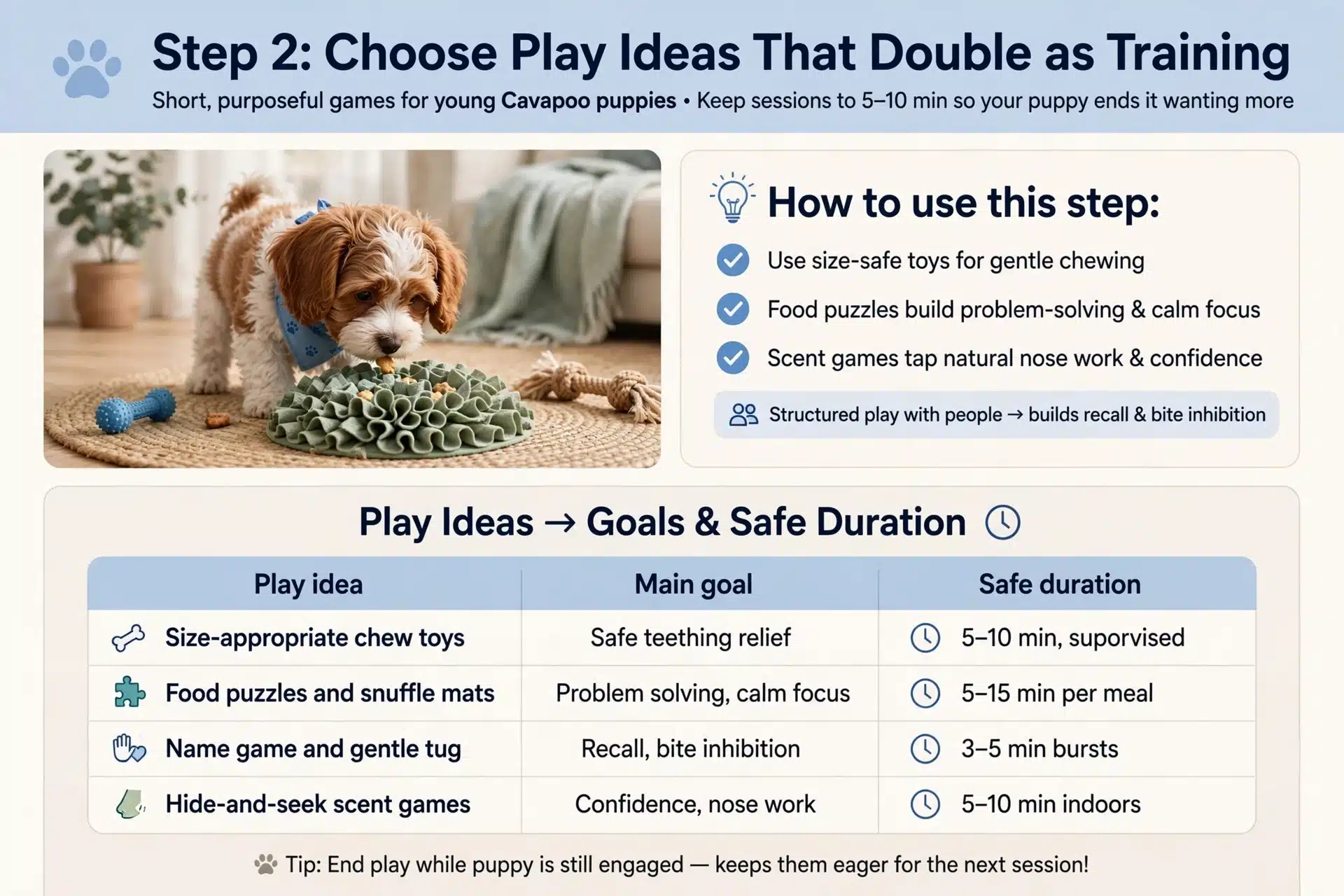
The best play ideas for a young Cavapoo puppy are short games with a purpose: size-safe toys for chewing, food puzzles for problem solving, structured play with people, and scent games indoors. Keep each session to 5 or 10 minutes so your puppy ends it wanting more. The table below matches each idea to its goal.
| Play idea | Main goal | Safe duration |
|---|---|---|
| Size-appropriate chew toys | Safe teething relief | 5-10 min, supervised |
| Food puzzles and snuffle mats | Problem solving, calm focus | 5-15 min per meal |
| Name game and gentle tug | Recall, bite inhibition | 3-5 min bursts |
| Hide-and-seek scent games | Confidence, nose work | 5-10 min indoors |
Toys That Are Safe for a Small Breed Puppy
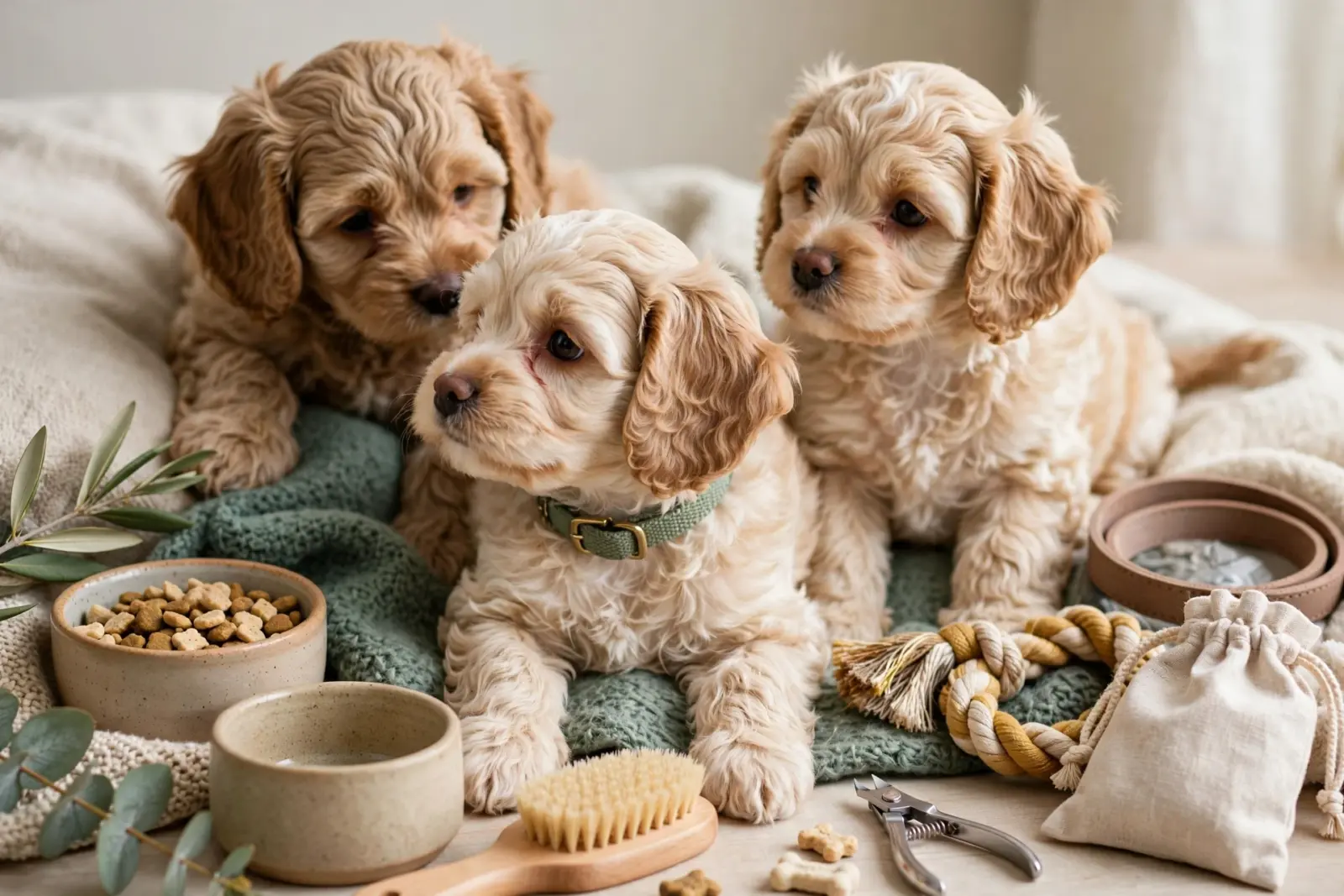
Pick soft rubber toys, small plush toys without plastic eyes, and rubber chews sized for a toy breed. Skip anything small enough to swallow, rawhide, antlers, cooked bones, and toys with stuffing your puppy can shred and eat. Cavapoos have small mouths, so a toy meant for a large dog can jam the jaw or wear down teeth. Check toys weekly for loose pieces.
Food Puzzle and Treat Games
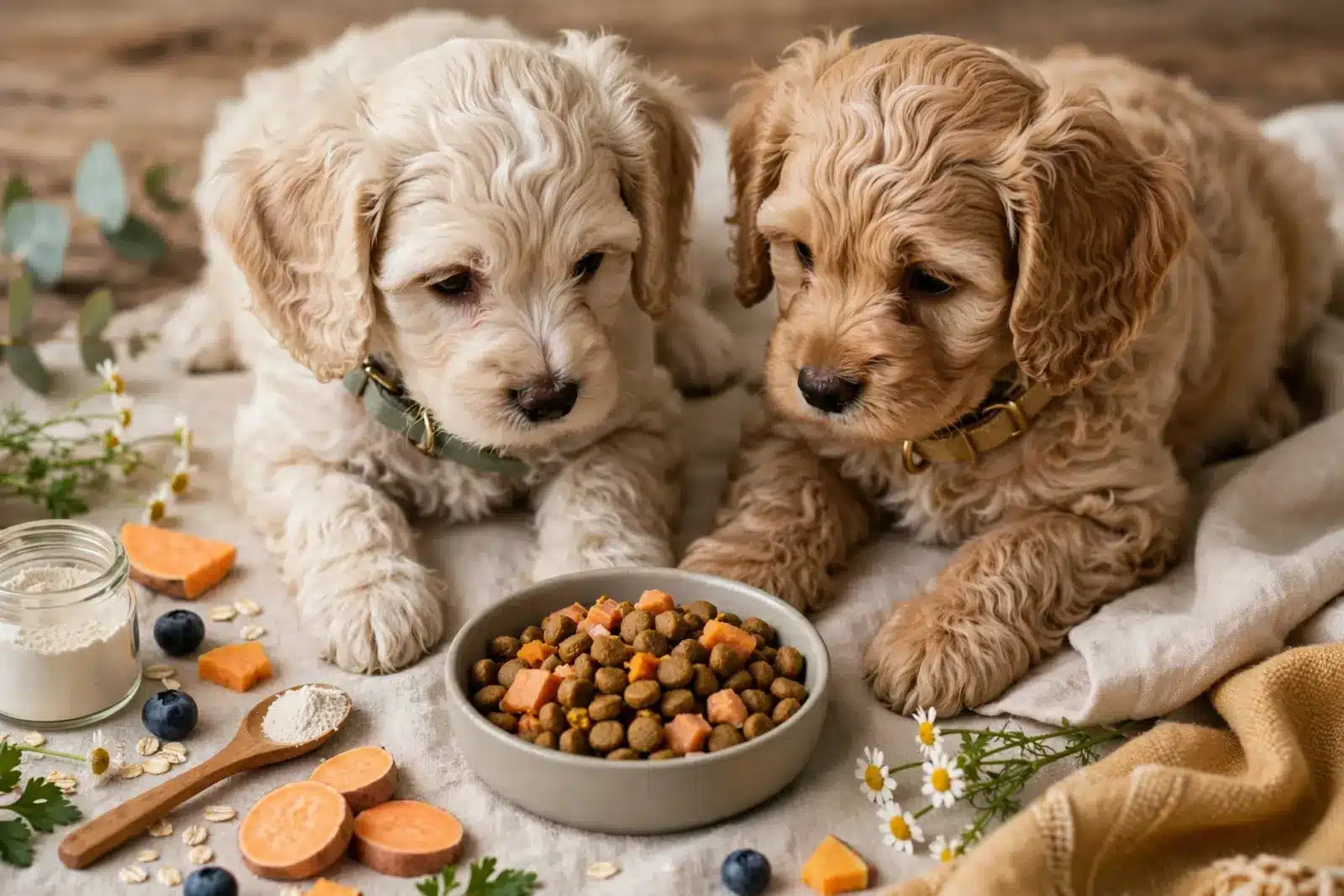
Food puzzles turn dinner into training. Roll kibble inside a treat ball, scatter it on a snuffle mat, or hide it under folded towels so your puppy works for it. These games build focus and teach your puppy that new things mean good things, which is the heart of Cavapoo socialization. Feed at least one meal a day through a puzzle.
Structured Play That Builds Social Skills
Structured play has rules, so your puppy learns while having fun. Try the name game: say her name, reward eye contact, repeat. Play gentle tug with a soft toy and trade it for a treat, which prepares you for Step 3. Hand-feed pieces of kibble while a calm visitor sits nearby, so strangers become part of the fun.
Scent and Hide-and-Seek Games Indoors
Hide treats around one room and let your puppy sniff them out, starting easy. Then hide yourself behind a door and call her name. Scent work tires a puppy faster than a walk and builds confidence without any contact with dogs, which matters if her puppy vaccination schedule from the vet is not yet complete.
Step 3: Teach Play Manners, Bite Inhibition, and Trading
How do you stop a Cavapoo puppy from play biting? Follow three steps:
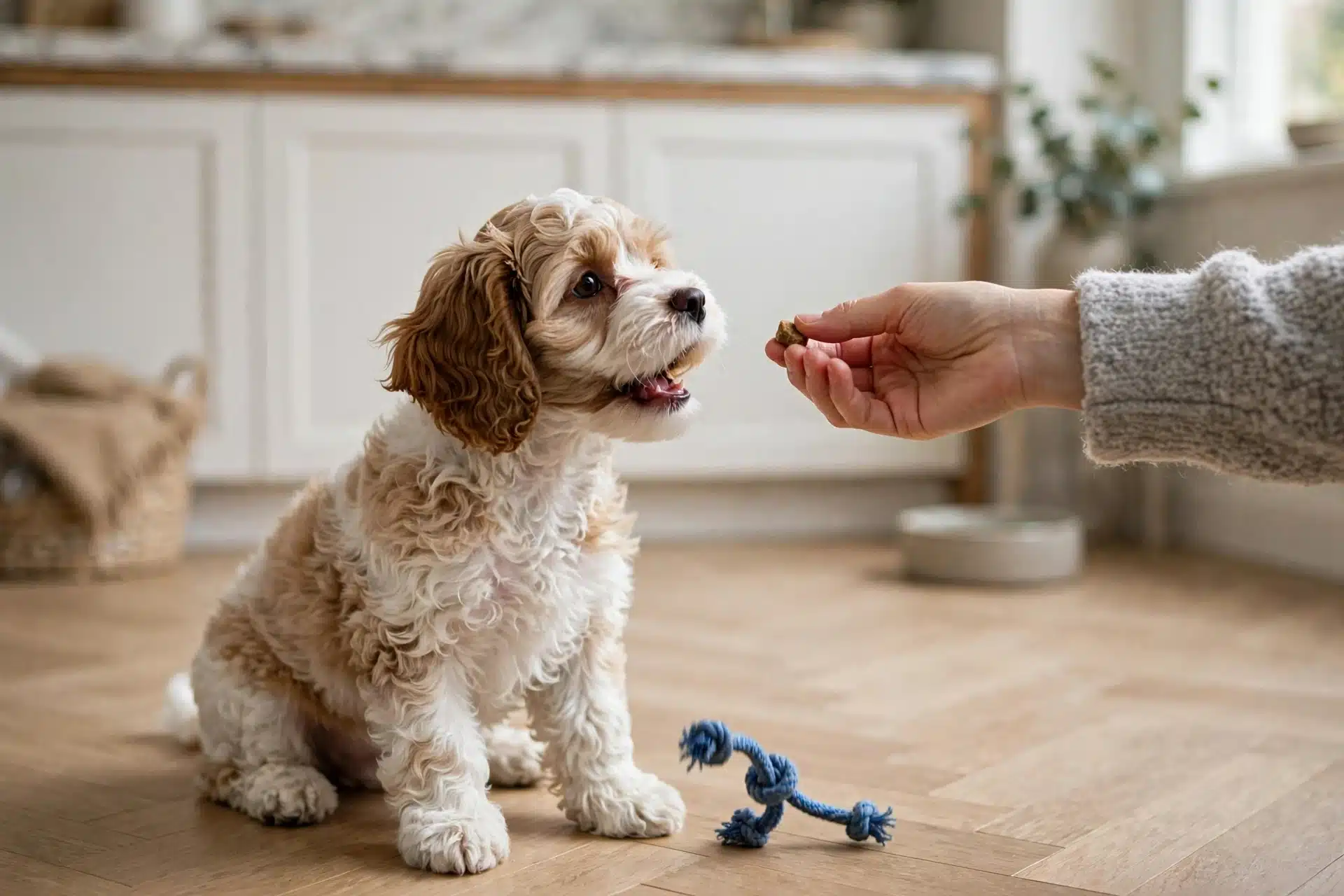
- Let your puppy mouth your hands during play, then yelp sharply when a bite gets too hard.
- Stop all play the moment teeth land on skin, and resume after a short pause.
- Trade a toy or treat for anything your puppy has in its mouth, so giving things up always pays.
Run that loop in short, playful sessions, and most pups soften their bite within a few weeks.
Why Mouthy Play Is Normal, and What to Change
Mouthing is how puppies explore the world and how they learned limits from their littermates. It is not aggression, and punishing it hard can make a soft Cavapoo nervous. What you change is pressure and location. The ASPCA’s puppy mouthing guide suggests a high-pitched yelp followed by brief play stoppage, which mimics a littermate’s feedback. Hard bites end the game; gentle mouths keep it going.
The Drop and Trade Exercise
Trading protects you later, when your adult dog finds a sock or something dangerous. Hold a treat at your puppy’s nose, say “drop,” and as soon as the mouth opens, reward with the treat, then give the item back sometimes. Returning treasures teaches your puppy that losing an object is safe, not theft. Practice daily with toys of low and high value. Never chase or pry a puppy’s jaw open, because both turn a game into a fight and can teach resource guarding.
Calming Down and Independent Play
After excited play, guide your Cavapoo onto a mat or into the playpen with a stuffed chew. Calm settles are a skill, and 5 to 10 quiet minutes after play build them fast. The first-year Cavapoo care guide covers how these calm habits carry through teething months.
Step 4: Socialize to People, Dogs, Sounds, and Places
You can safely start meeting dogs and visiting public places now, as long as your puppy stays off the ground until your vet finishes the vaccination series. Carry your Cavapoo, use a stroller, or let her watch from your lap. The socialization window closes around 16 weeks, so waiting for full vaccines means missing it.
Different Types, Not Just More People
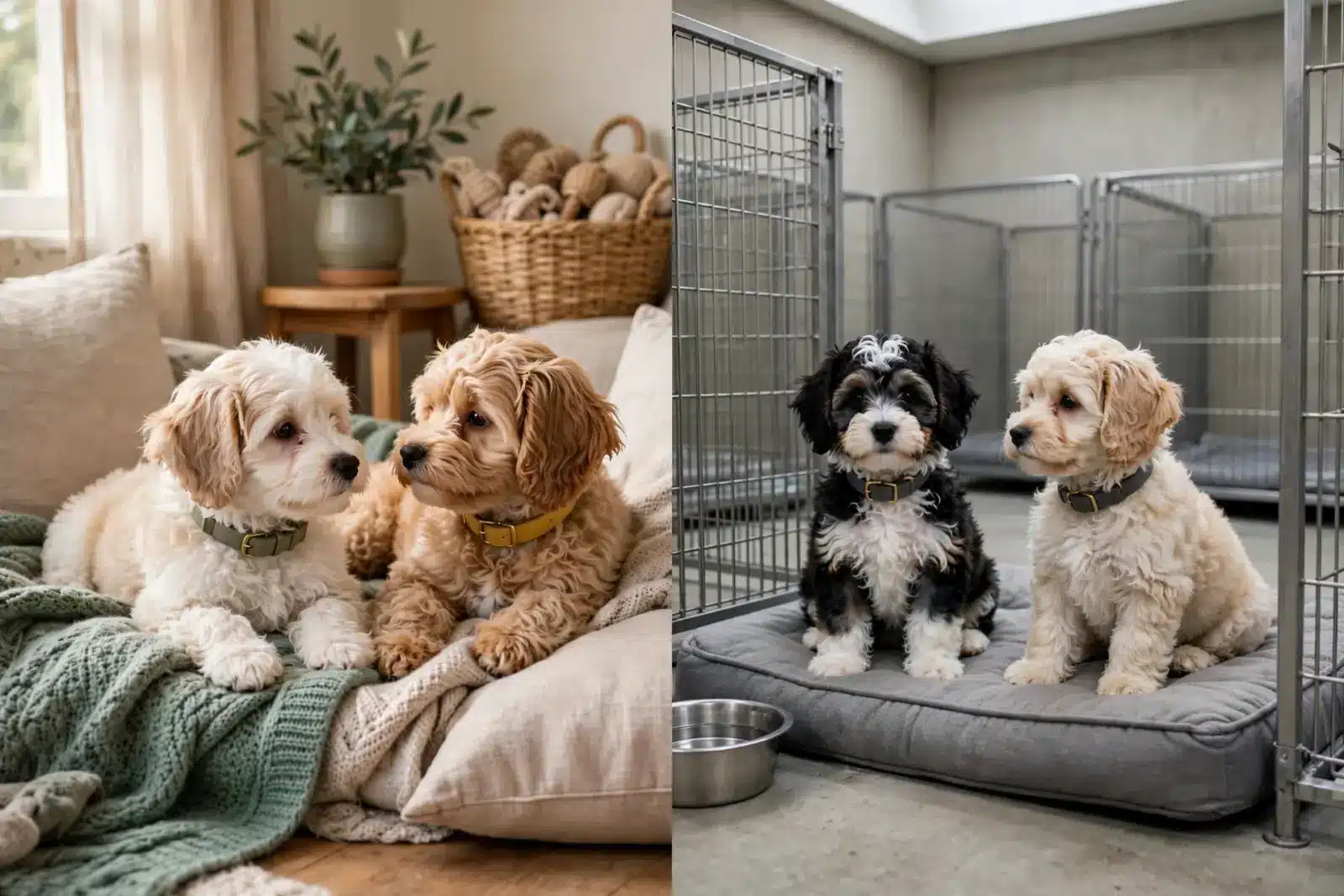
Variety matters more than volume. Ten friends in one afternoon teaches less than ten different kinds of people spread across a month. Aim for tall men, kids, people in hats or hoods, someone with a beard, and a person using a cane or wheelchair. A breeder who already started this work, like Cassie at Sage Puppies, gives you a head start, but the weeks after arrival are where you build on it.
Which Ones and When
Follow your week-by-week plan and keep each meeting short. In week 1, stick to family members and let your puppy watch strangers from a distance. Week 2 adds one calm visitor at home. By week 3, a quiet park bench works well, with your puppy on a blanket instead of the ground. Week 4 can include a puppy class if your vet clears it, plus a short, low-key errand.
Sounds, Objects, and Surfaces
Dogs and people are only half the checklist. Run the vacuum in another room, play recordings of traffic and thunder at low volume, and let her hear the dishwasher and doorbell. Add odd surfaces too: a metal grate, a wobbly cushion, a towel on tile. Pair each new thing with a treat so it predicts something good.
Watch her body language. A tucked tail or backing away means the sound or object is too much. Increase the distance and try again more quietly.
Public Places Before Vaccinations Are Complete
Off-ground outings open up the world safely. Pet-friendly store patios, a friend’s fenced yard with a vaccinated calm dog, and front-row seats at a quiet cafe all count. Ask your vet which local risks matter, then choose spots where feet never touch unknown ground.
Step 5: Review Weekly and Adjust the Plan
A calendar only works if you check it. Once a week, sit down and compare what you planned against what actually happened, then adjust the next seven days instead of feeling behind.
A Five-Minute Weekly Review
Pick a set day, like Sunday evening. Ask three questions: What went well? What did my puppy avoid or find scary? What is one new thing to add next week? If she froze at the sound of the vacuum, repeat that exposure at a lower volume before moving on. Tracking socialization progress takes five minutes and keeps you honest about gaps, especially during the puppy socialization window of 3 to 16 weeks.
Records Worth Keeping
Keep it simple: one note per day in your phone or a notebook. Log the new surface, sound, person or place, plus how she reacted on a 1-to-5 scale from relaxed to worried. This puppy socialization checklist becomes proof of what she has handled, and it shows patterns a single day would hide. It also helps your vet and puppy class trainer see the full picture. Write notes right after the session while details are fresh.
Common Mistakes to Avoid
Even kind owners make the same three errors: pushing too hard, skipping calm practice, and leaving the wrong toys in reach. Catch these early and your Cavapoo’s confidence stays on track.
Flooding and Forcing Contact
Flooding means holding your puppy in a scary situation until it “gets used to it.” It backfires. A puppy passed from arm to arm at a party, or held still so a stranger can pet it, often learns that people trap it. The fix is choice. Let your puppy approach, watch from your lap, or retreat. Calm exposure at its own pace builds trust faster than any forced meeting ever will.
Skipping Play and Settling Practice
Social outings get all the attention, but play teaches the skills. Bite inhibition, trading toys, and short calm settles all grow through structured games, not chance. If every session ends in chaos, your puppy never learns to come down from excitement. Pair each burst of play with 5 to 10 quiet minutes on a mat so settling becomes a habit instead of a battle.
Unsafe Toys and Unsupervised Play
Small breed puppies have small mouths, and loose parts fit exactly wrong. Buttons, squeaker caps, stuffing, and string can all be swallowed. Check every toy against the rules: no pieces that pull off, no seams your puppy’s teeth can split, and nothing small enough to wedge behind the back molars. Recalled products slip through too, so skim current puppy safety alerts now and then. Rotate toys, inspect them weekly, and toss anything wrecked.
Play should end with a tired, whole puppy, not a vet visit.

Ready to start your Cavapoo off right? A well-socialized puppy comes from a breeder who starts the work early and a family that keeps it going at home. Browse current Cavapoo availability and pricing at Sage Puppies, then submit an application so Cassie can match you with a puppy raised with this same gentle, daily handling.
Frequently Asked Questions
Q1: cavapoo puppies | socialization and play ideas
The best approach pairs daily socialization with short play sessions. Give three to five brief exposures a day, plus games like food puzzles, scent hunts, and gentle tug. Keep each session under 15 minutes so your puppy ends curious, not overwhelmed.
Q2: How many new experiences should a Cavapoo puppy have each day?
Three to five short exposures work well: one sound, one surface, one person, one handling session, and one calm observation. Stop while she still seems interested.
Q3: Can I take my Cavapoo puppy outside before vaccinations are done?
Yes, with care. Carry her or use a stroller so paws stay off unknown ground, and ask your vet about local risks.
Q4: How do I know if my puppy is overwhelmed?
Look for freezing, pinned ears, a tucked tail, or out-of-context yawning and lip licking. Increase distance and reward calm looking instead.
Q5: When should Cavapoo puppies start puppy class?
Many classes accept puppies after their first vaccinations, often around week 4 of your plan. Ask your vet to confirm timing and choose a class requiring proof of vaccines.
Q6: How long does bite inhibition training take?
Most soft puppies soften their bite within a few weeks of consistent yelp-and-pause practice, plus daily drop-and-trade games.
Conclusion
Cavapoo socialization comes down to small, steady wins. Aim for three to five short exposures each day within the 3-to-16-week window, and keep every one positive. Pair them with purposeful play: food puzzles, scent games, gentle tug, and calm settles after each burst of fun. Watch your puppy’s body language, add distance when she hesitates, and review your plan weekly so small gaps never grow into fears. Avoid flooding, skip nothing on bite inhibition and trading, and check every toy for loose parts before play begins. None of this needs extra hours, just a few mindful minutes daily. Done well, those weeks shape a confident, adaptable companion for life, which is the outcome worth every porch sit and puzzle feeder.