Quick Summary: Choose Havapoo puppy food that is complete and balanced for growth, has one named protein, and includes gentle fiber while avoiding artificial colors and preservatives. Switch foods over 10 to 14 days, feed three to four measured meals, keep treats under 10 percent of daily calories, and track stool consistency to identify triggers. Deworming and fecal testing come before blaming food, and blood in the stool, repeated vomiting, low energy, or diarrhea lasting more than 48 hours requires veterinary care.
Your Havapoo puppy came home full of energy, and now the kibble sits untouched at 8 p.m. while her belly gurgles in a way you have never heard before. Loose stools, picky eating, and gas are common in the first weeks, and the cause is often the food rather than the puppy.
This guide walks through choosing Havapoo food for sensitive stomachs: reading the growth label, picking a single named protein, and switching gradually without upsetting things further. You will also learn what a recovery plan looks like, and the clear line between stomach trouble that food can fix and symptoms that need a veterinarian.
At Sage Puppies in South Jordan, Utah, we raise Havapoos and counsel new families on feeding every week. The advice here reflects that daily experience, so you can pick food that settles your puppy’s stomach instead of guessing your way through three bags.
Why Havapoo Puppies Get Digestive Upsets
Havapoo puppy loose stools usually come from a short list of causes, not bad luck. Small stomachs, new-home stress, sudden food changes, and parasites all play a role, and each one needs a different fix.
Small size means less room for error
A Havapoo puppy weighs only a few pounds, so its stomach and gut hold tiny reserves. One skipped meal or a loose stool can tip it toward low blood sugar and dehydration faster than a large breed. That is why vets recommend a small breed puppy meal frequency of three to four feedings a day, keeping portions steady, and checking that the food is labeled complete and balanced for growth under AAFCO nutritional adequacy standards. Small-breed puppies also tend toward sensitive intestines, which makes Havapoo food for sensitive stomachs a real need rather than a marketing label. Small miscalculations show up in the stool first.
Triggers versus excuses
The usual suspects are sudden diet changes, table scraps, stress from a new home, and parasites such as roundworms, hookworms, giardia, or coccidia, which are frequent causes of diarrhea in young puppies. Stress alone can set off loose stools, and Purina’s puppy health guide notes it usually clears as your puppy settles in. This is why deworming and fecal testing for puppies matter before blaming food. A simple puppy stool log, noting time, consistency, and treats given, separates real triggers from guesses.
What food can and cannot fix
The right Havapoo food for sensitive stomachs can settle most diet-related upsets: one protein, steady portions, no artificial colors and preservatives. What it cannot fix is parasites, infection, or ongoing weight loss. Blood in the stool, vomiting, or listlessness means a vet visit, not a new kibble.
Many of these habits carry over into daily Havapoo feeding and care routines, so consistency at home matters as much as the bag you buy.
What to Read on the Dog Food Label
Turn the bag around before you look at the front. For a puppy with a sensitive stomach, check four things, in this order:
- The AAFCO nutritional adequacy statement
- The named protein and full ingredient list
- Fiber sources and probiotics
- Additives and fillers
Each one tells you something the front of the bag never will.
Start with the adequacy statement
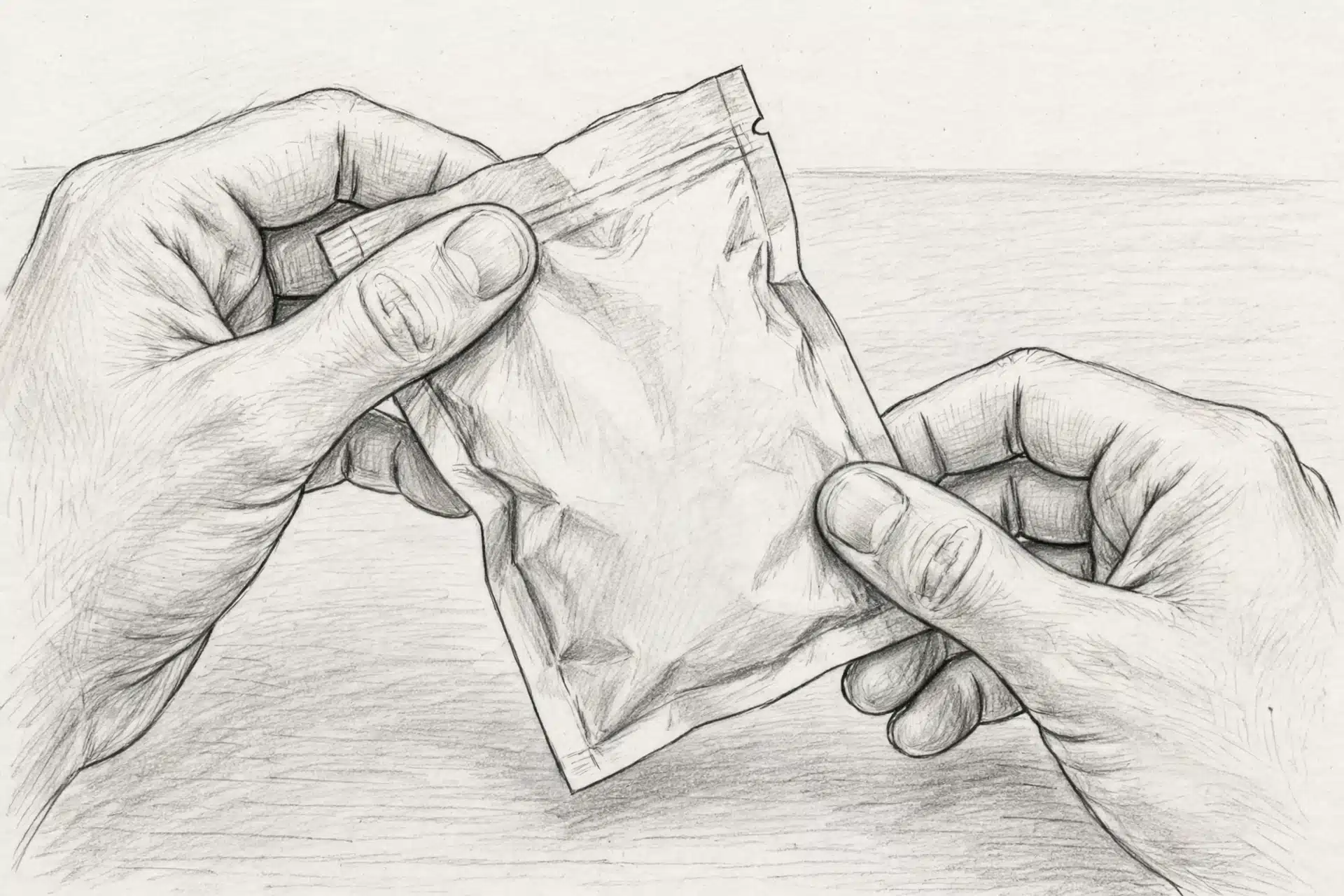
This small-print line is the most important part of the whole label. It confirms the food is complete and balanced for a life stage. For your Havapoo puppy, you want wording for “growth” or “all life stages,” not adult maintenance. The FDA explains that this statement is how you know a food meets your puppy’s actual needs.
Named proteins and the ingredient list
Look for a single named protein source, such as “chicken” or “lamb,” rather than vague terms like “meat meal” or “animal by-product.” Ingredients appear by weight before cooking, so fresh meat can rank first even in a modest-meat food. If your puppy’s stomach is unhappy, one named protein gives you a clean starting point. VCA Animal Hospitals walks through how these lists work.
Fiber, prebiotics and the additives to limit
Gentle fiber helps firm up stools. Scan for beet pulp, pumpkin, or chicory root prebiotic fiber, and some foods add a probiotic for puppies, which can ease the switch. Limit artificial colors and preservatives; they add nothing a growing puppy needs. If you are still building a routine, our small breed puppy checklist covers feeding and vet basics alongside food choices.
Marketing words you can set aside
“Premium,” “holistic,” “ancestral,” and “human-grade” carry no legal definition, so they tell you nothing about the food inside. Ignore the front panel and judge by the checklist above.
Choosing a Single Protein That Works
The short answer
The best food for a Havapoo puppy with a sensitive stomach usually has one named protein, a short ingredient list, and complete and balanced for growth on the AAFCO statement. Before you buy, check that the label shows:
- A single named protein source, not “meat meal”
- No artificial colors or preservatives
- A prebiotic fiber such as chicory root, or a probiotic for puppies
- A fat source that agrees with your puppy
Lamb, chicken and salmon compared
| Protein | Why it helps | Watch for |
|---|---|---|
| Lamb | Often novel for puppies raised on chicken formulas | Fattier recipes can loosen stools |
| Chicken | Widely available and budget-friendly | A common trigger, so test carefully |
| Salmon | Supplies omega-3s for skin and coat | Costs more per pound |
Pick one, stick with it, and resist mixing proteins while you watch the results.
How long to test one protein
Switch puppy food gradually over 7 to 10 days, then hold steady. An elimination diet trial usually runs 8 to 12 weeks before you can judge whether the protein truly suits your puppy, so expect progress to show up over weeks, not days.
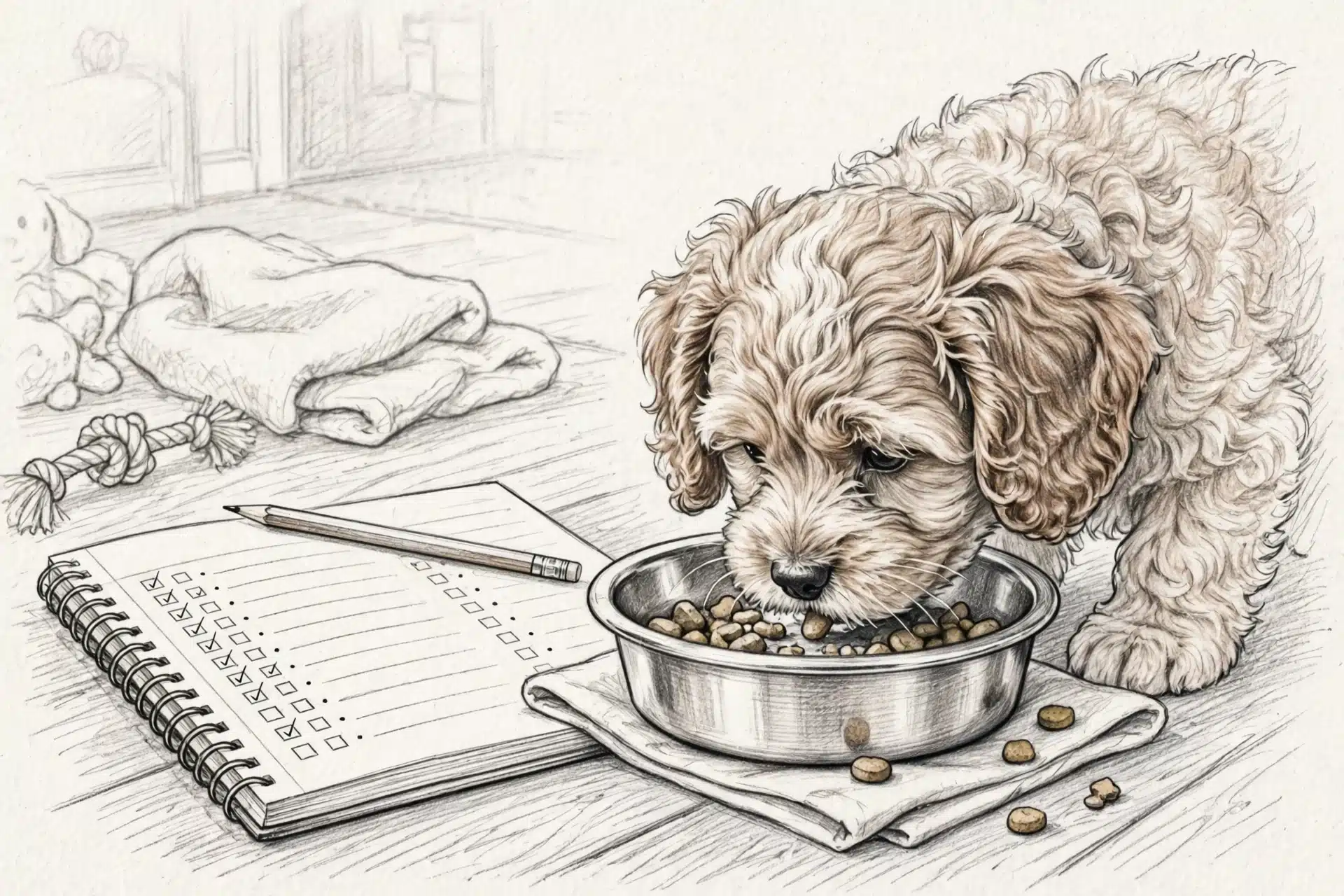
Keep a simple puppy stool log during the trial. Note consistency, frequency and any mucus, because loose stools that clear and then return tell you something different from stools that improve and stay firm.
If vomiting, weight loss or diarrhea beyond 48 hours shows up, stop troubleshooting food and call your veterinarian.
Dry, Wet, Fresh and Toppers: What Format Suits a Small Stomach
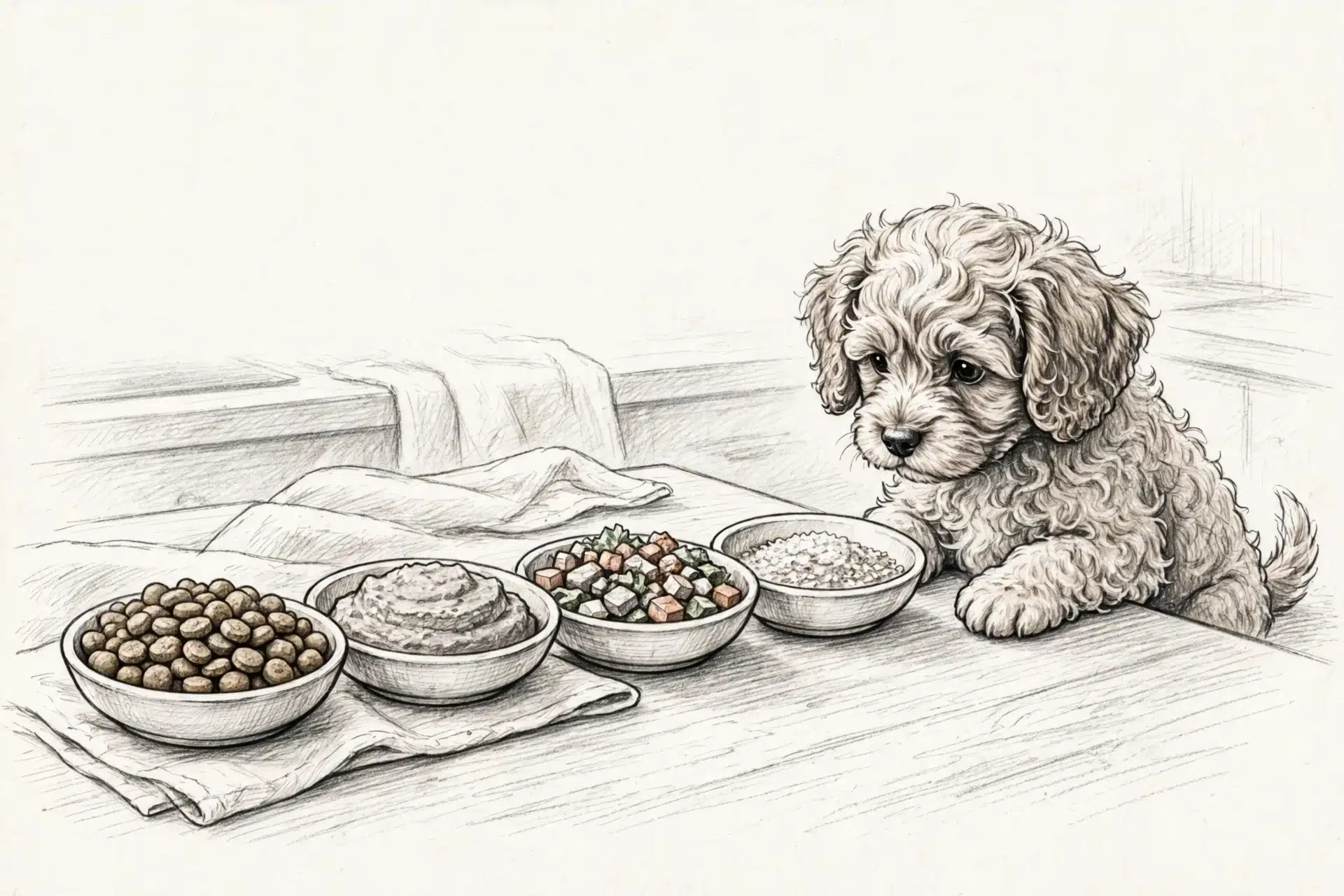
Format matters as much as ingredients for a tiny stomach. Here is how the four common options compare for a Havapoo puppy with a sensitive stomach.
Dry kibble
Dry kibble is the easiest format to feed consistently, and consistency is what a sensitive gut needs most. Look for a small breed puppy formula labeled complete and balanced for growth, with a single named protein source as the first ingredient. Kibble’s texture also helps slow fast eaters. The downside: some small puppies ignore hard pieces when their stomach feels off, so keep an eye on intake during rough days.
Wet and fresh food
Wet and fresh foods smell stronger, so fussy or queasy puppies often eat them when they refuse kibble. Higher moisture can also help a puppy prone to loose stools. The trade-offs are cost, shorter fridge life, and softer food that does little for the teeth. If you go this route, choose a growth-stage formula, not an adult maintenance recipe. A labeled budget example in our picks guide shows how supporting products change the total.
Toppers, treats and the table scraps habit
Toppers can fix a taste problem or add a probiotic for puppies, but only if you change one thing at a time. Add a topper, then wait a few days before judging stool quality. Treats count too: a new chew can upset a stomach that food never touched. Table scraps are the biggest hidden culprit, especially fatty bits. For a small puppy, keep extras under about 10 percent of daily calories so the main food does its job.
Switching Food Without Causing More Upset
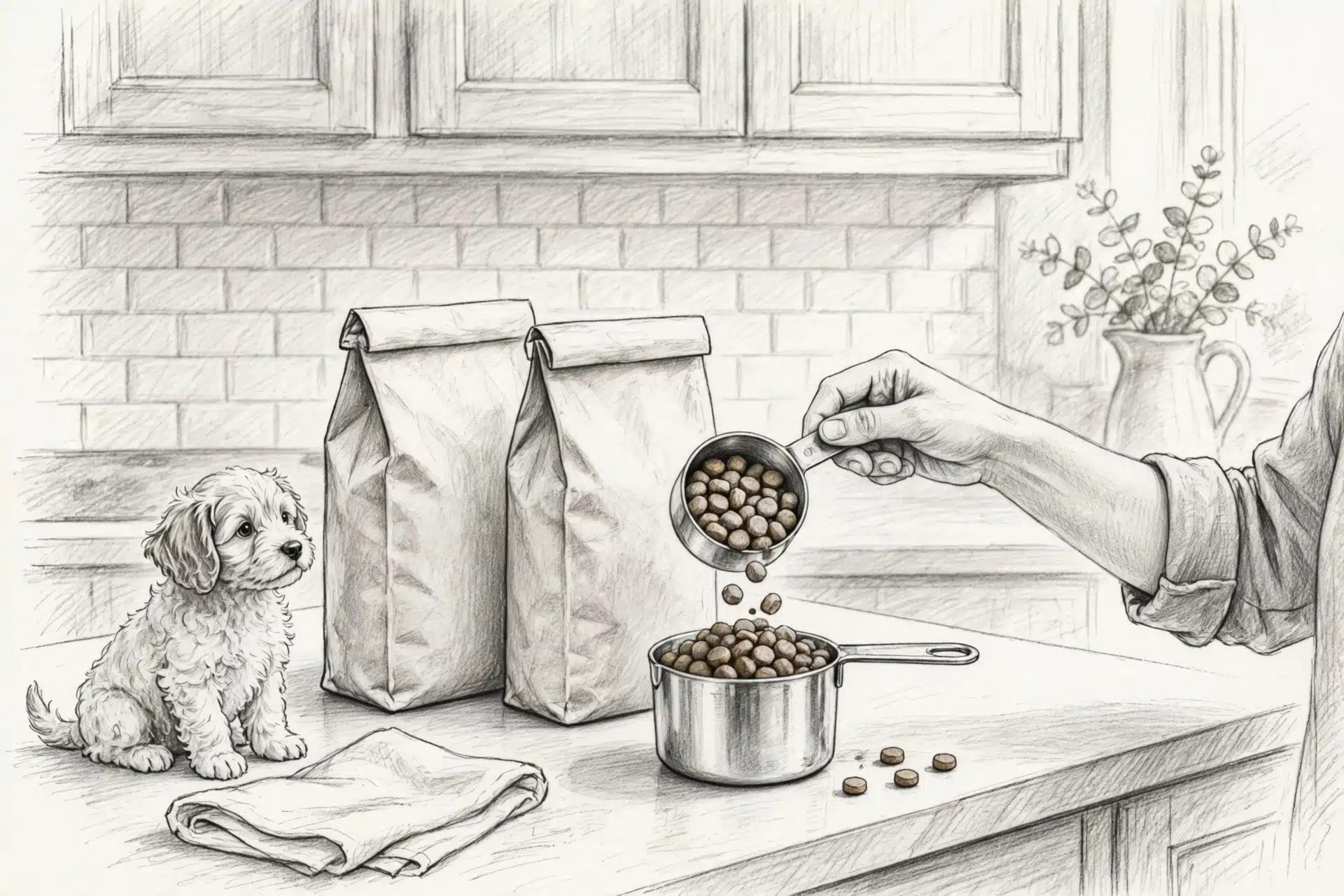
A fast food change is the most common cause of puppy diarrhea in the first weeks home. Switch puppy food gradually so the gut bacteria can adapt, and keep a stool log through the whole process so you can spot trends.
The 10 to 14 day staged switch
For a sensitive stomach, stretch the change over 10 to 14 days:
- Days 1 to 3: 25% new food, 75% old food.
- Days 4 to 6: 50/50.
- Days 7 to 10: 75% new food, 25% old food.
- Days 11 to 14: 100% new food.
Slower is fine. According to Chewy’s veterinary nutrition guidance, starting at 25% new food and stepping up every two to three days helps avoid vomiting and gas.
If stools loosen mid-switch
Loose stools usually mean you moved too fast. Drop back to the last mix that produced firm stool, hold there for two or three days, then step up again. If diarrhea lasts beyond 48 hours, or you see blood, vomiting or low energy, stop and call your veterinarian. Food is not always the cause, and Petco’s vet Q&A notes parasites can look identical, which is why deworming and fecal testing for puppies matter.
Meals and water for a small breed puppy
Small breed puppy meal frequency matters during a switch. Feed three measured meals a day rather than free-feeding, so each stool maps to a known meal. Keep fresh water always available, since diarrhea drains fluids quickly in a tiny puppy, and hold treats steady so you can judge the food itself.
When Food Is Not the Answer
Most loose stools in a new puppy trace back to something other than the kibble. Parasites, stress, and swallowing the wrong object are all common in the first weeks home. Food changes help only when the problem really starts in the bowl.
Signs that belong with a veterinarian
Some symptoms point past any food switch. Call your vet if you see:
- Blood or black, tarry stool
- Vomiting that repeats within a day
- Low energy or refusal to drink
- Weight loss or a belly that looks swollen
- Diarrhea past 48 hours, even with a bland diet
Puppies dehydrate fast, so a small breed puppy who will not drink needs same-day care.
What your puppy’s first visit should cover
Plan a checkup within the first few days you have your puppy. Ask for a fecal test, because worms and giardia cause Havapoo puppy loose stools more often than food does. Confirm the deworming schedule and vaccination dates, and mention any stool changes you have logged. Bring a photo or note of what the stool looks like. Your vet can also rule out a sensitive stomach versus an underlying issue before you spend weeks on an elimination diet trial.
Support products and what they can reasonably claim
Shelves are full of powders, pastes, and chews for puppy digestion. A probiotic for puppies may help firm stools, and a chicory root prebiotic can feed good gut bacteria, but neither cures parasites or infection. Treat these products as support while your vet handles the cause.
A supplement sits on top of good food and vet care. It never replaces either one.
Mistakes That Make Sensitive Stomachs Worse
The five errors we see most often
- Switching foods too fast. A one-day swap after a loose stool restarts the whole cycle instead of fixing it.
- Rotating proteins before the trial finishes. Judge a single named protein over the full 8 to 12 weeks, not after four days.
- Too many extras. Treats, chews, and table scraps can exceed the 10 percent treat limit, so the main food stops telling you anything.
- Flavored medications and dental chews. Chicken or beef flavoring can trigger the same reaction as the food itself.
- Skipping the vet. Worms and giardia cause loose stools that no diet change will fix, so deworming and fecal testing for puppies comes first.
A simple way to keep track
Start a puppy stool log. Write down the food, the brand and flavor of every treat or chew, and a one-word stool score each day. When something changes, the log shows what shifted right before it. Patterns that feel random in your head look obvious on paper after a week.
Tip: Keep the log on the fridge or your phone. The day diarrhea starts is the worst time to guess what your puppy ate.

A settled stomach starts with one good choice, made slowly. Follow the switch plan above, give the new food a fair trial, and call your vet if diarrhea passes 48 hours. If you are still choosing a puppy, Sage Puppies breeds Havapoos with honest guidance from day one.
Frequently Asked Questions
Q1: havapoo puppies | food choices for sensitive stomachs
The best food for a Havapoo puppy with a sensitive stomach has one named protein, no artificial colors and preservatives, and an AAFCO statement for growth.
Q2: Why does my Havapoo puppy have loose stools?
Parasites, stress, fast food changes, and table scraps top the list. Deworming and fecal testing for puppies come before blaming the food.
Q3: How fast should I switch puppy food?
Switch puppy food gradually over 10 to 14 days, starting at 25% new food. Drop back a step if stools loosen.
Q4: How often should I feed a small breed puppy?
Three to four measured meals daily keeps portions steady and maps each stool to a known meal.
Q5: How long does an elimination diet trial last?
Eight to 12 weeks. Track a puppy stool log throughout so patterns show clearly.
Q6: Are probiotics safe for puppies?
A probiotic for puppies may firm stools, but it supports vet care rather than replacing it.
Conclusion
Choosing food for a sensitive stomach comes down to a few steady habits. Read the AAFCO statement for growth, pick one named protein, and switch puppy food gradually over 10 to 14 days instead of overnight. Keep treats under 10 percent of daily calories, hold a simple puppy stool log, and give an elimination diet trial the full 8 to 12 weeks before judging it.
Just as important, know the limits of food. Deworming and fecal testing for puppies come first, and blood in the stool, repeated vomiting, or diarrhea past 48 hours belongs with your veterinarian, not a new bag.
One protein, slow changes, and a vet when it counts. That is the whole plan.