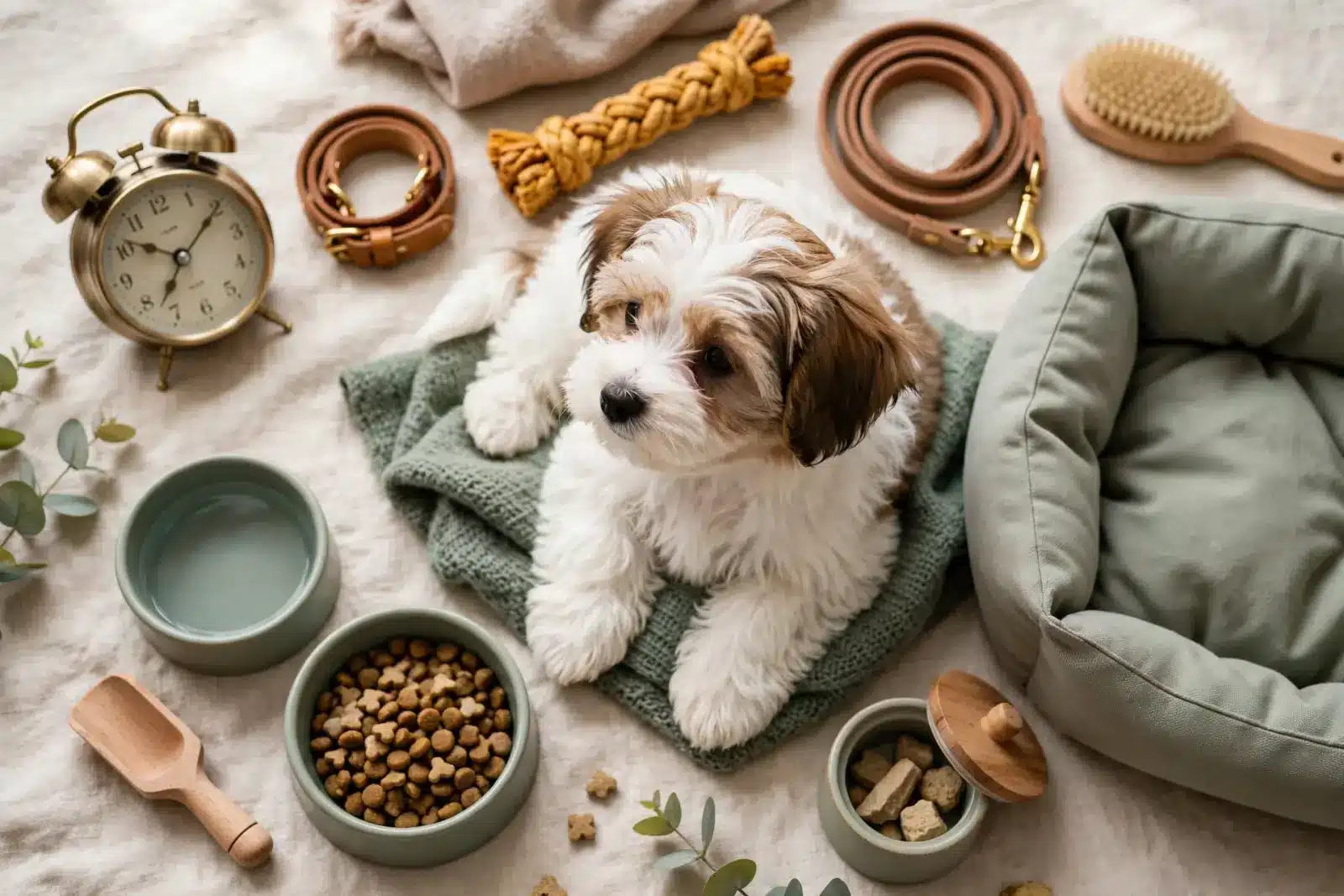
Quick Summary: A Cavapoo puppy’s first month settles best when you start with one quiet room, then build a predictable rhythm for meals, naps, potty breaks, and crate time. During weeks two and three, arrange veterinary care, vaccines, safe socialization, short training sessions, and calm introductions to children and other pets. By week four, introduce weekly weigh-ins, grooming, and another vet visit while tracking gradual progress rather than expecting a perfect routine. Sage Puppies emphasizes that patience, consistency, and small wins help create a calm adult dog.
The cardboard box from the breeder sits on the living room floor when the first accident happens. By midnight, the newest member of the family has chewed one shoe, whined for forty minutes and fallen asleep against the radiator. That is a normal start to a cavapoo puppy first month, and it does not mean anything has gone wrong.
The first thirty days after pickup are the hardest, because everything is new to your puppy and most of it is new to you. This guide walks through the cavapoo puppy first month day by day, from the first night and potty schedule to the vet visit, crate training and calm introductions to kids and pets. Cassie Milar, founder of Sage Puppies in South Jordan, Utah, and her team documented the routines below from years of raising Cavapoos, so you can borrow what works instead of guessing. Here is what to expect, week by week.
Step 1: Days 1 to 3, Make One Room Feel Like Home
The start of your cavapoo puppy first month is less about training and more about calm. Pick one room, keep it quiet, and let your puppy learn this small world before meeting the whole house.
The First Ride Home
Keep the ride short and boring. A family member sits beside the crate, talks softly, and offers nothing to eat, because an empty stomach travels better. Skip long stops and big greetings; your puppy has just left everything it knows. Most pups from Sage Puppies arrive by pickup or delivery, so plan a direct route either way. Carry a towel that smells like the breeder’s home and tuck it into the crate. That familiar scent does more to settle a shaking puppy than any toy you could buy. Arrive, let your puppy potty in the yard, and go straight to the quiet room.
Building the Puppy Zone
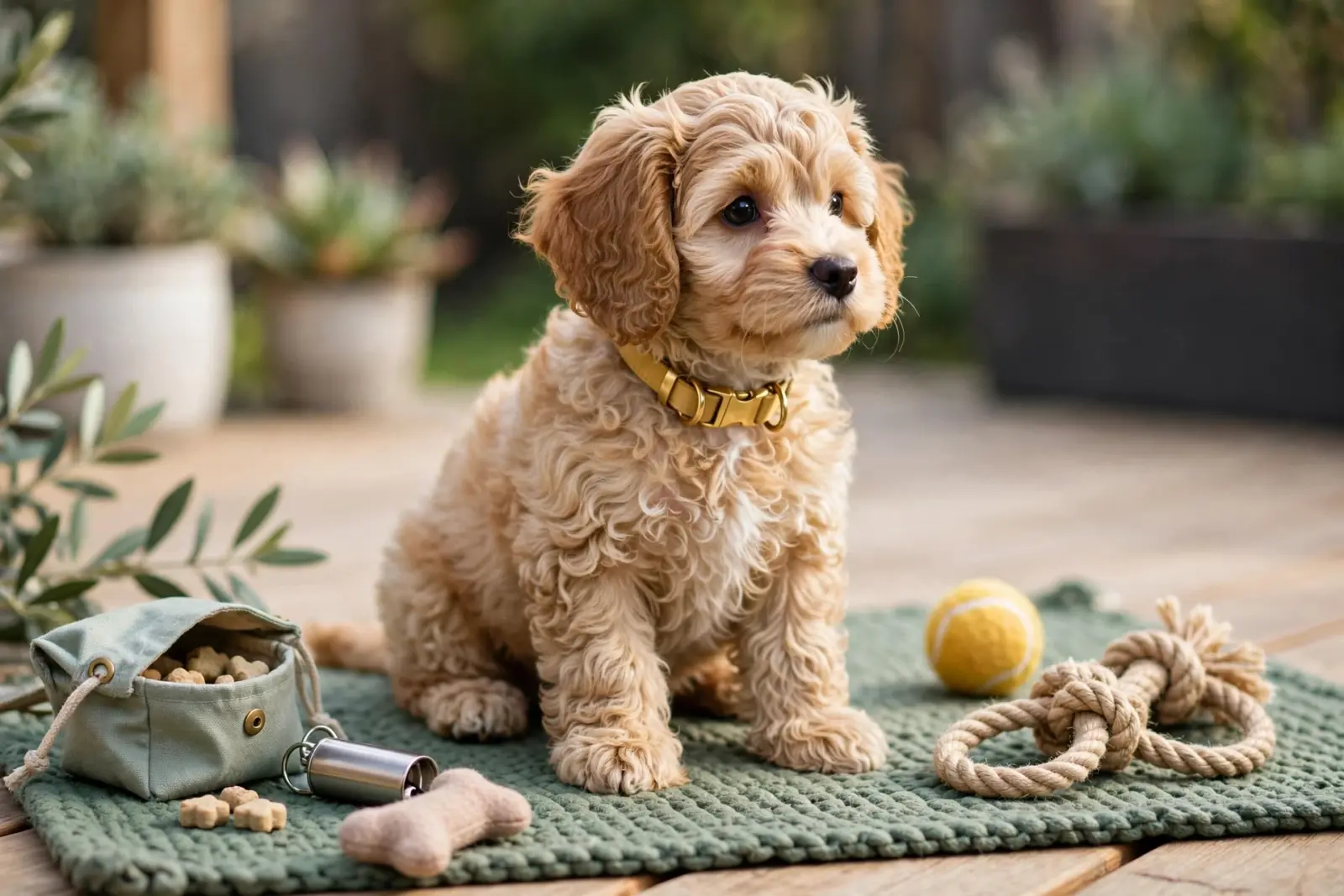
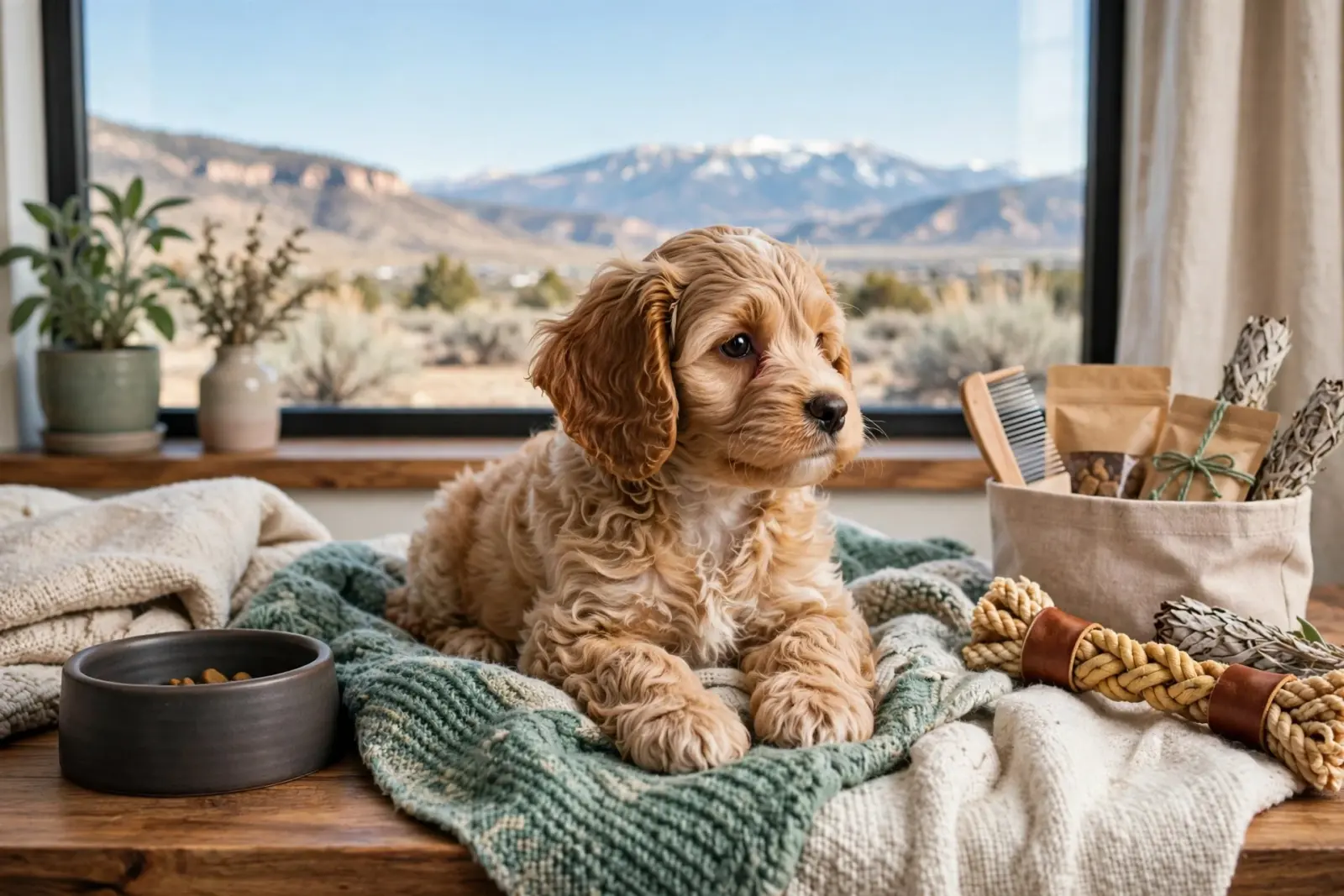
Set up four things before your puppy walks in: a crate, a playpen or baby gate, a water bowl, and a bed in a corner away from drafts. Add chew toys and puppy pads near the door you plan to use for potty breaks. Keep the zone in a lived-in room, not the garage. Puppies want to hear household life while they rest.
New puppy families often overbuy. If you want a short list, the new puppy supply checklist on Sage Puppies covers the basics without clutter. Watch this quick setup demo before you place anything:
Then arrange the room so your puppy can see the door. That sight line cuts whining.
Night One, Without the Drama
Expect crying for the first two or three nights. It is normal. Put the crate beside your bed so your puppy smells you nearby. Take one calm potty trip around 2 a.m., no play, no lights, then back in the crate. Do not bring the puppy to your bed, or you will train a habit you did not plan. Three quiet nights usually end the noise.
Step 2: Days 4 to 7, Turn Chaos Into a Rhythm
By day four, the shock of a new home fades and the real pattern begins. Puppies calm fastest when meals, potty trips, naps, and crate time happen in the same order every day. A routine does not restrict your Cavapoo; it tells your puppy what comes next, so the guessing and whining shrink on their own.
A Feeding Rhythm That Scales With the Puppy
How much should a Cavapoo puppy eat each day? Follow the portion chart printed on your puppy food bag, because amounts are set by expected adult weight, not by age. Measure the full daily amount each morning, divide it into three or four equal meals, and serve the last one no later than early evening. An 8-week-old puppy eating about a cup of food per day, for example, gets that total split across small meals, a rule Banfield’s feeding guide uses in its own example. Weigh your puppy weekly and adjust from there. Our small-breed care checklist walks through feeding and vet timing in more detail if you want the full picture.
Potty Trips That Follow Real Triggers
How often should you take a Cavapoo puppy out to potty? Set a timer and go out:
- Right after every meal
- Right after every nap
- Right after a play session
- Every 30 to 45 minutes in between, during the day
Watch for sniffing, circling, or wandering off. Those are your cues to move, fast. Praise calmly the moment your puppy finishes outside, then head straight back in. Keep the same door and the same spot so the connection forms quickly.
Crate Comfort Without Forcing It
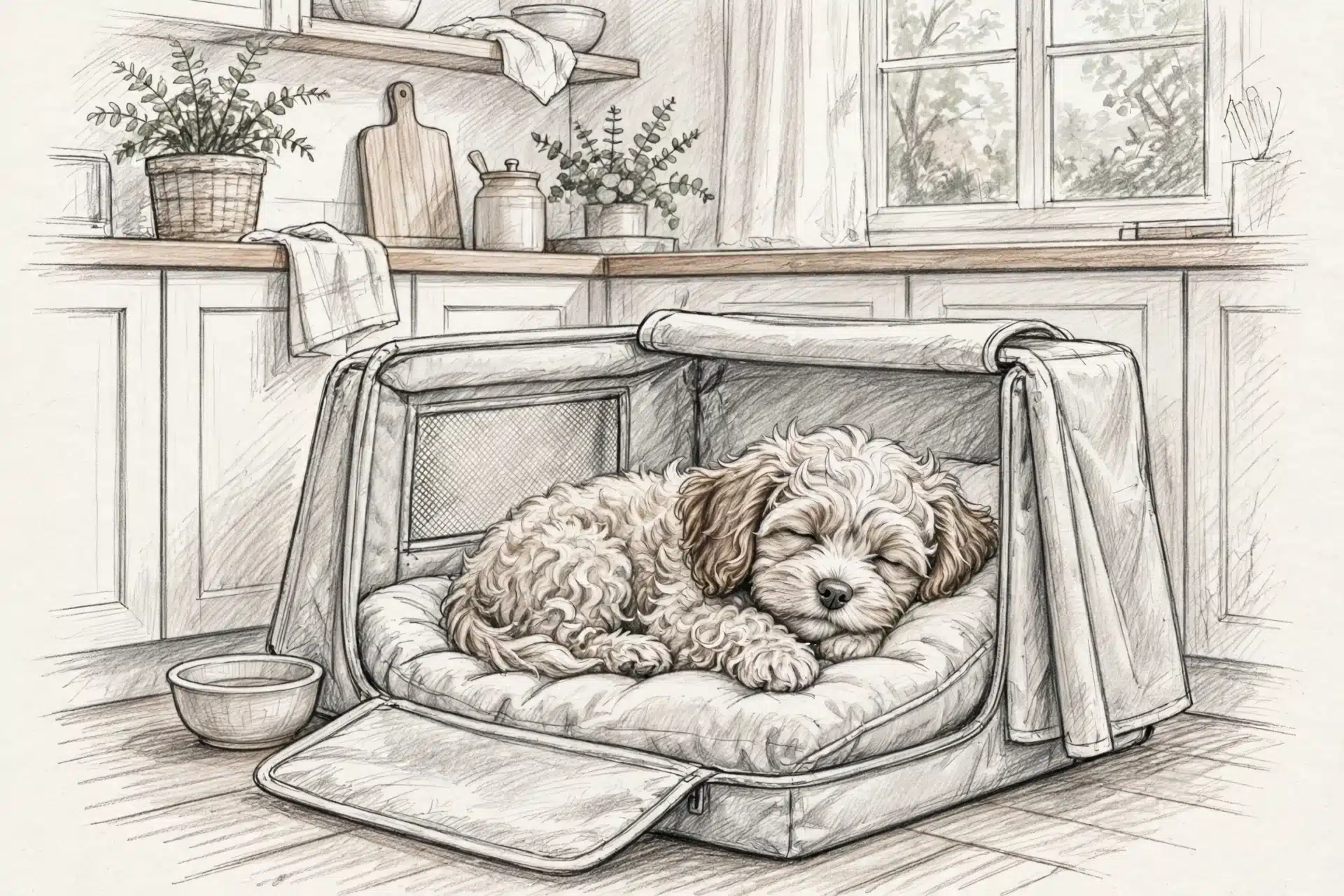
Feed one meal inside the open crate and toss treats in throughout the day. Close the door for short stretches while you stay nearby, then build up. If your puppy cries, wait a beat before responding. Crate training works when the crate stays a good place, never a punishment.
Step 3: Week 2, Add the Vet, the Records and the Outings
Week 2 is when your puppy’s world grows. Your Cavapoo has a routine now, so build on it: book the vet, start the vaccine series, and add safe outings. Puppies usually start core shots at 6 to 8 weeks old and repeat them every 2 to 4 weeks until at least 16 weeks, per the AAHA vaccination guidelines. If your puppy came home at 8 weeks, that first visit fits neatly into week 2.
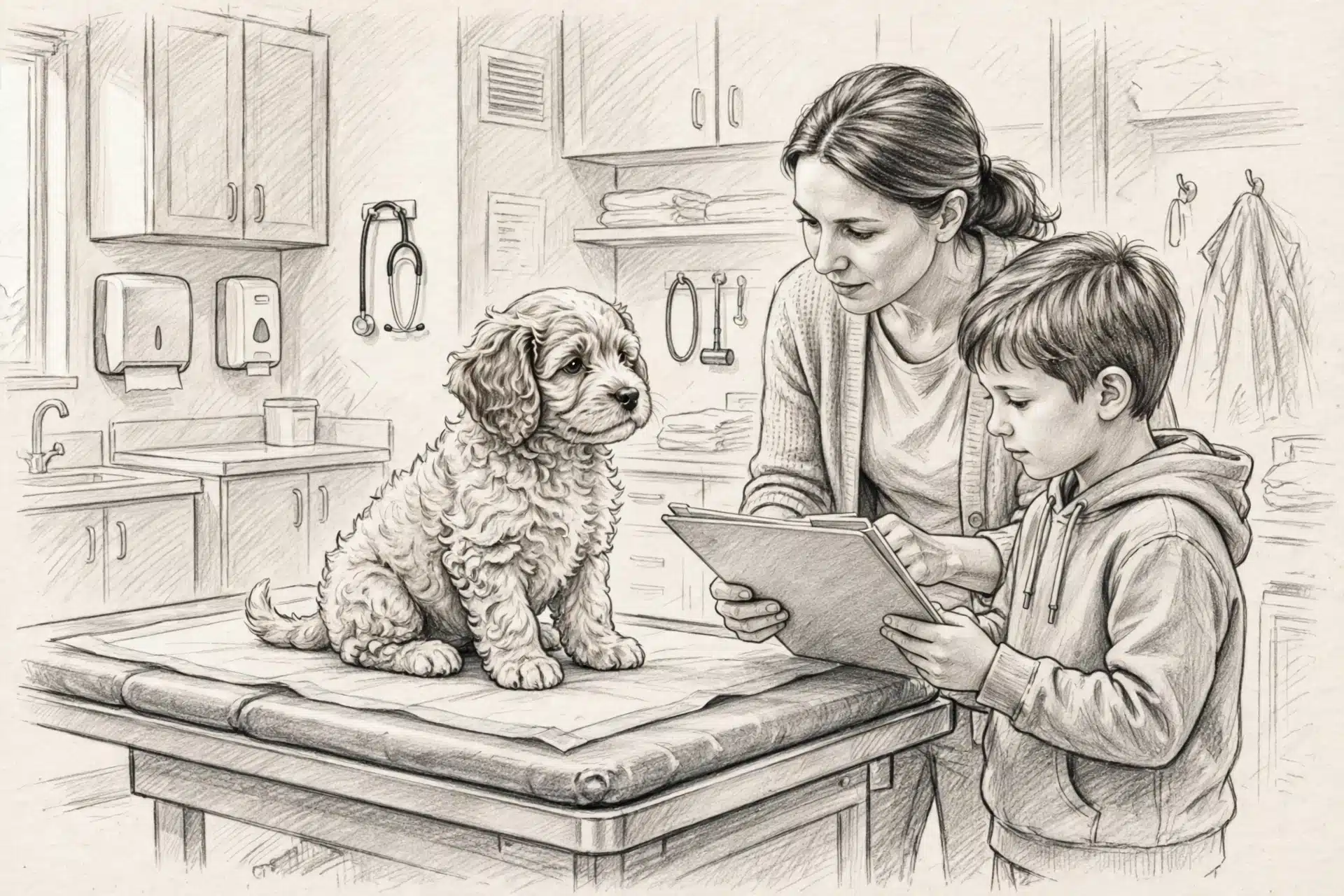
The First Veterinary Visit and the Records to Bring
Book within your first week home, even if your puppy seems healthy. Ask for a head-to-tail exam, a fecal test, and a deworming check, since many breeders dose for worms but a vet confirms it. Bring the health folder you got at pickup: vaccination dates, deworming records, and any health certificate. Ask your vet to review the vaccine series and schedule the next round. Most puppies continue distemper and parvo shots every 2 to 4 weeks until 16 weeks old, so put those dates on your calendar before you leave.
Keep every record in one folder. Future vets, boarding kennels and puppy classes will all ask for it.
Controlled Socialization Before Full Vaccination
Can puppy classes start before shots are done? Yes, if the class meets these conditions:
- Held indoors on disinfected floors or outdoors on grass, not public sidewalks
- Requires proof of at least the first vaccine, given 7 or more days before
- Uses healthy puppies of similar age, screened by the organizer
- Supervised by a trainer who follows current vet guidance
The risk of behavior problems from under-socializing a young puppy is real, so vets generally favor safe, controlled exposure. Carry your puppy into new places. Let calm, vaccinated dogs and gentle strangers meet him at home.
Training Starts in the Living Room
Formal classes come later, but learning starts now. Keep sessions to two or three minutes and use soft treats cut pea-sized. Work on name recognition, a simple sit, and trading a sock for a toy, which sets up gentle manners around your Cavapoo teething and nipping months. Short crate games in the living room also keep your crate training moving without pressure.
Step 4: Week 3, Meet the Rest of the Household
By week 3, your Cavapoo knows the crate, the potty spot, and your schedule. Now comes the bigger test: everyone else. Kids, resident dogs, and cats all change the picture, so take each introduction slowly and on your puppy’s terms.
Introducing Children With Ground Rules
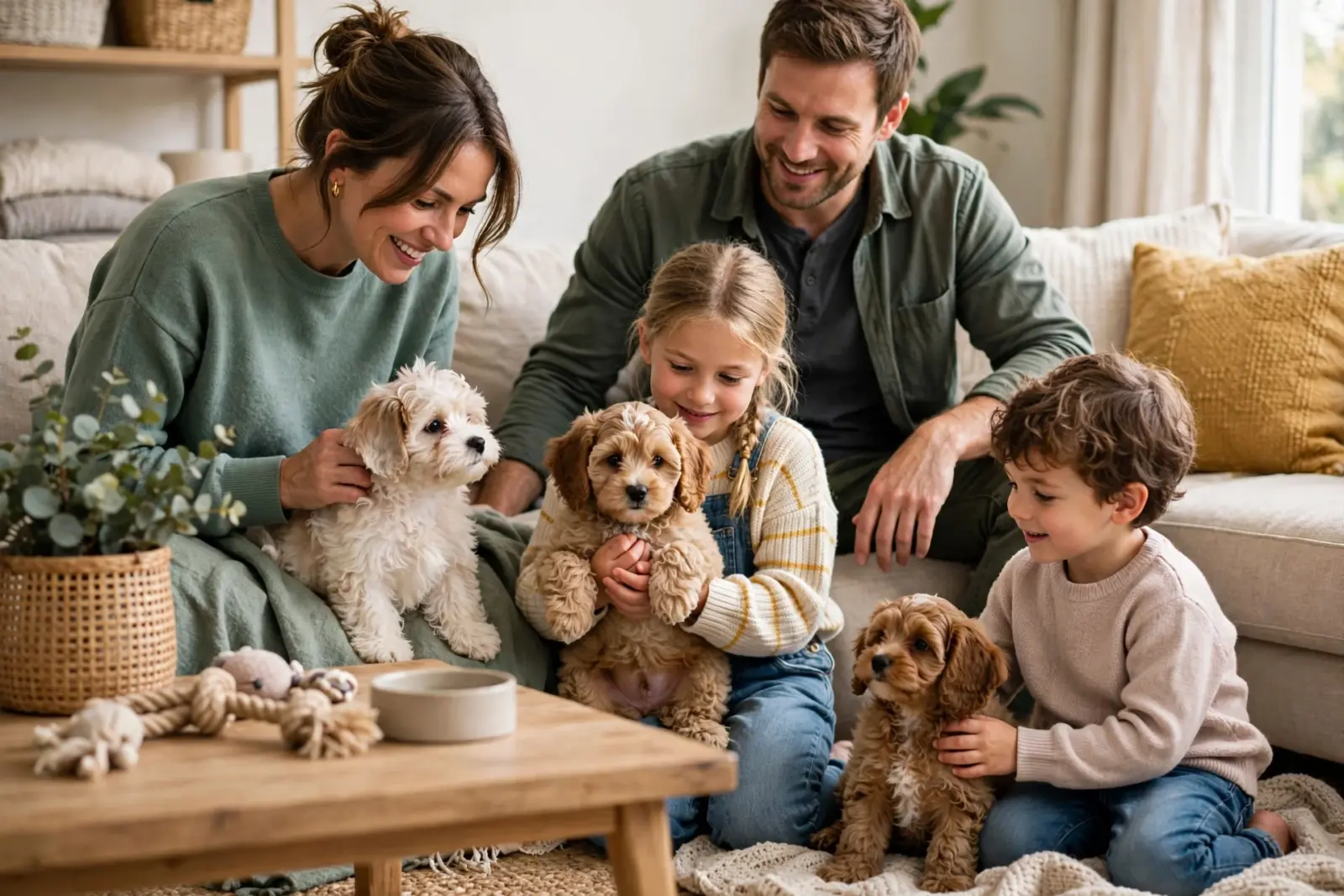
Kids love puppies, and puppies love kids, but the energy gets loud fast. Set three rules before any meeting: sit on the floor, use two gentle hands, and let the puppy walk away when it wants. Short visits of five to ten minutes work better than long sessions, and an adult stays in the room every time. Teach children to pet the chest and sides, never the face or tail. If your puppy nips during play, end the game calmly and move on. Puppies raised around gentle, supervised handling tend to stay confident with children later, which is one reason family-raised litters settle in so easily. Consistency this week shapes habits for years.
Bringing in Another Dog or Cat
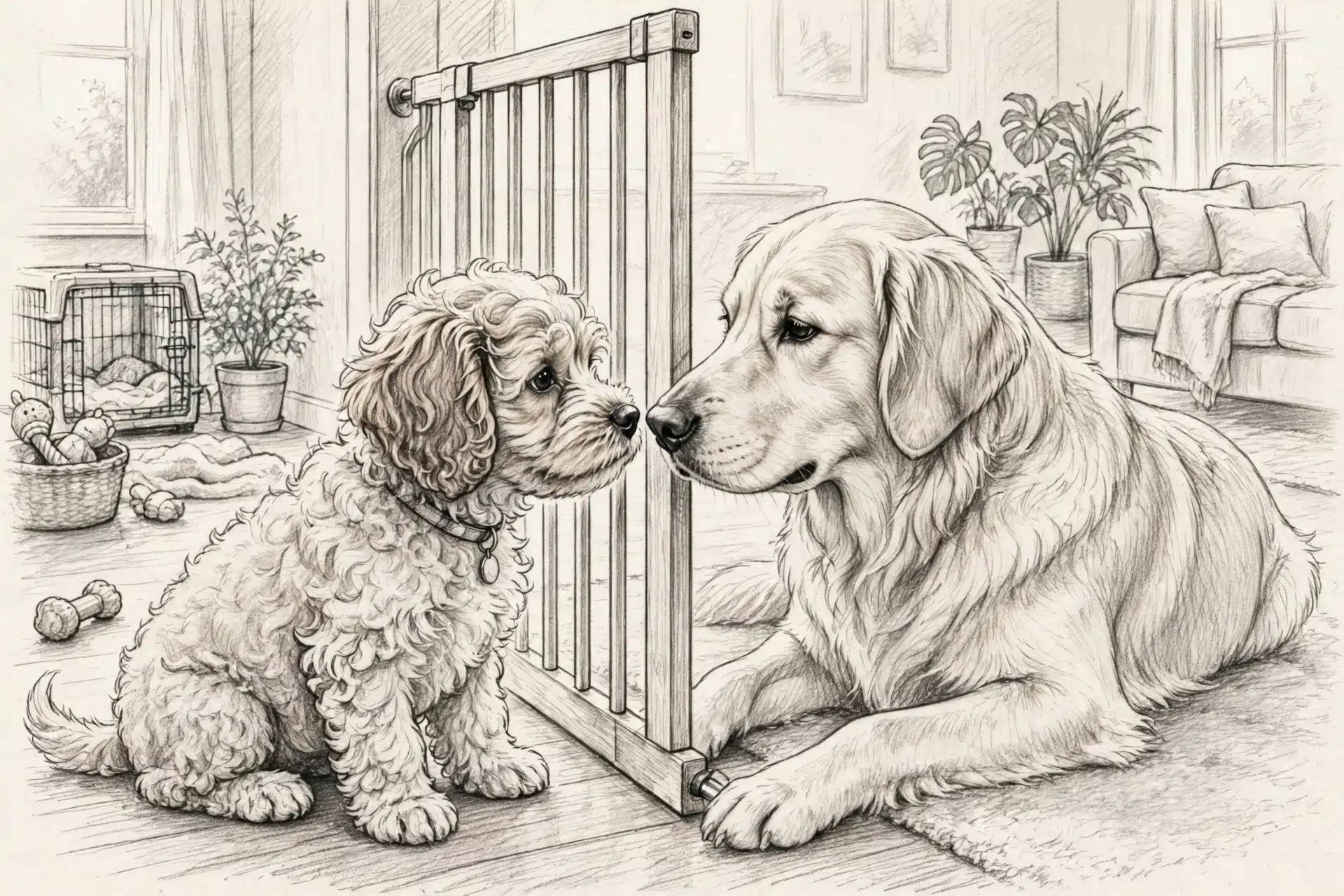
Pick neutral ground for a first dog-to-dog meeting, like a neighbor’s yard, and keep both dogs on loose leashes. The Indoor Pet Initiative at Ohio State suggests starting where neither animal feels territorial, then letting them set the pace. Keep initial cat meetings short and gate-protected, letting your cat retreat anytime. Feed the animals separately, and put the resident pet’s food and toys away first. Some pairs click in days; cat and dog introductions can take weeks, so let their body language set the timeline, not the calendar.
Reading Stress Before It Becomes a Problem
Watch for early stress signals: yawning when tired isn’t on the menu, lip licking, tucked tail, pinned ears, or sudden scratching. These are your puppy saying “too much.” When you see them, create space and let your Cavapoo retreat to the crate, which should stay a no-visitor zone. Meetings that end on a calm note build trust faster than ones that push through the wobble. If stress keeps climbing, shorten the next session and try again tomorrow. A puppy who learns adults will step in early grows into a dog that handles new situations without panic, and that steadiness lasts a lifetime.
Step 5: Week 4, Grooming, Weight Checks and a Second Vet Visit
Starting the Coat Habit Early
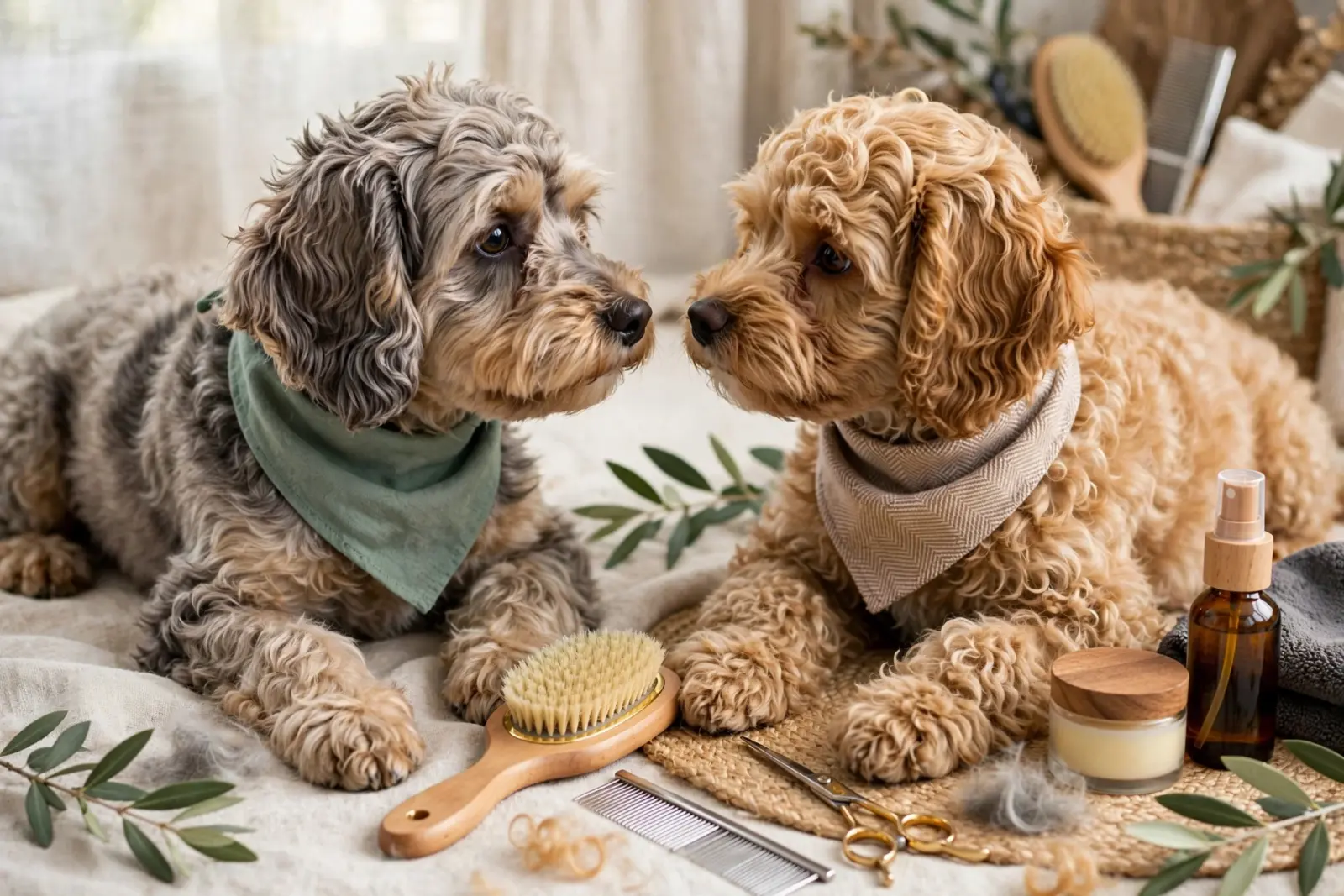
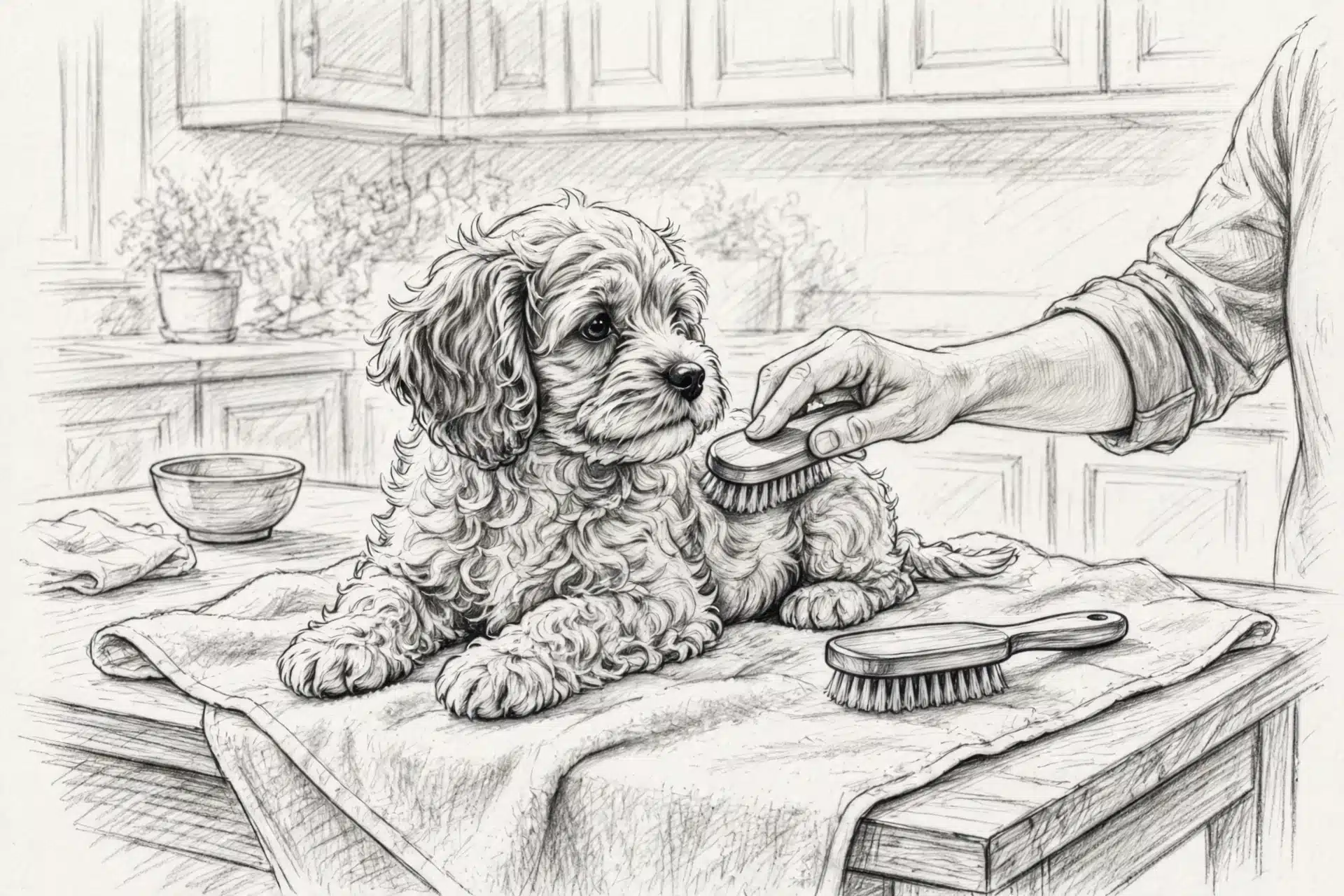
By week 4, your Cavapoo’s wavy coat is filling in, and matting can start under the ears and armpits. Brush three or four times a week with a slicker brush, working gently down to the skin. Keep sessions short at first, two or three minutes, and pair them with a treat so brushing feels like a game rather than a wrestling match. A quick wipe under the eyes each day helps with tear stains too. If you are comparing how Cavapoo and Havapoo coats differ as they grow, Sage Puppies covers the temperament and energy differences between Cavapoos and Havapoos, which includes coat care notes.
Weighing, Nails and Ears
A kitchen scale gives you a rough weight check once a week. Most Cavapoo puppies gain steadily rather than in bursts, so a flat or dropping weight for two checks in a row is worth a call to your vet. Trim nails every one to two weeks; a tiny snip at a time avoids cutting the quick, the pink part inside the nail. Check ears weekly for redness or a yeasty smell, since floppy ears trap moisture.
Wiggly puppy? Weigh yourself holding the puppy, then subtract your own weight.
Booking the Next Vaccine Visit
Your week 2 visit started the core shot series, and the next round falls due 2 to 4 weeks later, which lands right around now. Book the visit early in week 4 and bring your vaccine record so the vet logs each dose. Ask whether a fecal test makes sense at this age, since deworming often runs alongside it. Before you leave, confirm the 16-week final shot date and discuss when neighborhood walks and puppy classes can safely begin.
What Comfortable Progress Looks Like at Day 30
Signs of Real Progress
Thirty days in, progress shows up in small, quiet ways. Your Cavapoo goes to the door or waits by the potty spot instead of having accidents. The crate feels like home, so she settles within minutes rather than whining for an hour. She greets your kids with a wag and a soft body instead of jumping or hiding. She responds to her name and eats on schedule without fussing. Some regression is normal after a big change, so judge the trend, not any single day.
What Comes Next
Month two shifts from survival mode to building habits. Ask your vet about starting puppy classes once shots allow, and keep socializing her gently at home. Short training sessions, five minutes at a time, now teach sit, come, and calm greetings. Work on being alone for brief stretches so separation distress never takes root. Brush her growing coat a few times a week before mats form under the ears. Keep routines steady, celebrate the wins, and remember that a puppy raised with patience at this stage turns into the easy adult dog you hoped for.

The first 30 days set the tone for years of calm, happy companionship. If you’re ready to bring home a well-bred Cavapoo, Sage Puppies can help. Browse available puppies, review pricing and reservation details, or start your application today. Cassie matches each puppy with the right family, so your settling-in month starts on solid ground.
Frequently Asked Questions
Q1: What should I expect in a Cavapoo puppy’s first 30 days at home?
Expect crying the first few nights, frequent potty trips, and steady progress by week 4. Build one quiet room, keep meals and potty breaks on a fixed schedule, and judge the trend, not any single day.
Q2: How long does crate training take?
Most puppies settle within a few days to two weeks. Feed meals in the crate, keep it near your bed at first, and never use it as punishment.
Q3: When should my Cavapoo puppy see the vet?
Book within your first week home. Core shots repeat every 2 to 4 weeks until at least 16 weeks old.
Q4: Can my puppy meet other dogs before full vaccination?
Yes, with vaccinated, healthy dogs in controlled settings. Carry your puppy in public until shots finish.
Q5: How much should an 8-week-old Cavapoo eat?
Split the daily portion on your food bag into three or four meals, with the last served by early evening. Weigh weekly and adjust.
Q6: When do puppy classes start?
Once your vet clears it, usually after early vaccine rounds. Choose classes that require proof of at least the first vaccine.
Conclusion
Thirty days turn a shaky, whining puppy into a dog who knows the routine. The pattern stays simple: one calm room first, then a steady rhythm of meals, potty trips and naps, followed by the vet visit, gentle socialization, and short training games. Crate comfort, brushing, weekly weigh-ins and patient introductions to kids and pets carry the rest.
Expect setbacks. An accident on day 20 or a rough night after a busy weekend is normal, so judge the trend instead of one bad day. Keep the vaccine schedule on track, hold the boundaries you set, and celebrate small wins. Puppies raised with this kind of steady patience grow into the calm, easy companion your family hoped for.