Quick Summary: Choosing between adopting a puppy and buying from a breeder mainly trades cost for predictability. Adoption runs $50-$500, gets you home fast, but leaves parent health history and adult traits largely unknown, while breeder prices of $1,500-$4,500+ for small companion breeds like Havanese or Cavapoo come with documented parent testing, early socialization, and a written contract. Sage Puppies, which has raised Havanese, Havapoo, and Cavapoo litters for Utah families since 2025, leans toward this path for families who want specific breed traits and breeder support through the first year. The right call depends on whether your family can offer flexibility or planning, and first-year supplies, grooming, and vet care add up no matter which route you pick.
If your heart is set on a small, family-friendly puppy, the adopting vs buying puppy question gets sharp fast: rescue fees often run $50-$500, while breeder prices for small companion breeds commonly land between $1,500 and $4,500 or more. The choice shapes your dog’s temperament, health, and first year almost as much as the breed does. The honest answer is that neither path is better – the right one depends on what your family actually needs. This guide compares both routes on what matters most: cost, health predictability, timing, support after your puppy comes home, and the emotional side of each. Sage Puppies has raised Havanese, Havapoo, and Cavapoo litters for Utah families since 2025, so we know both routes deserve respect.
Adopting vs Buying a Puppy: At a Glance
| Adopting a puppy from a rescue or shelter | Buying a puppy from a breeder | |
|---|---|---|
| Typical upfront cost | Often $50-$500; sometimes higher for puppies or breed-specific rescues | Commonly $1,500-$4,500+ for small breeds like Havanese, Havapoo, or Cavapoo |
| What’s included before pickup | Spay/neuter, initial vaccines, deworming, microchip, basic health check | Age-appropriate vaccines, deworming, health certificate, microchip, written contract |
| Health predictability | Limited; full parental health history rarely available | Higher when parents are health-tested; documented pedigree and screenings |
| Temperament predictability | Limited; background, early socialization, and triggers may be unknown | Higher; line and parents selected for temperament, daily socialization starts early |
| Timing to bring a puppy home | Same week to a few weeks, depending on age and availability | Weeks to months, often via an application and waitlist |
| Support after placement | Varies by group; some offer return options and short guidance windows | Written guidance and an open line back to the breeder for the life of the dog |
How Adopting a puppy from a rescue or shelter and Buying a puppy from a breeder Compare
Adopting a puppy from a rescue or shelter
Adopting a puppy from a rescue or shelter usually costs $50-$500 and covers basic vetting like vaccines, deworming, and a spay or neuter. It suits families who want to give a dog a second chance, accept an unknown history, and can often bring a puppy home within days.
Key strengths
- Lower upfront fee with basic care included
- Faster placement, sometimes the same week
- Return options at some groups
Buying a puppy from a breeder
Buying a puppy from a breeder, often $1,500-$4,500+ for small breeds like a Havanese or Cavapoo, brings documented parent health testing, early socialization, and a written contract. It fits first-time owners who want predictable health, temperament, and lifelong breeder support. In the adopting vs buying puppy decision, this path trades speed and savings for predictability.
Upfront Cost and What Each Path Actually Includes
When families weigh adopting vs buying puppy options, the sticker price tells only half the story. A $150 rescue fee and a $3,000 breeder price buy different bundles of vetting, paperwork and support, so it helps to see exactly what each fee includes before you decide.

What the adoption fee usually covers
Most shelters and rescues charge $50-$500, and that fee rarely means profit. It typically offsets vaccines, deworming, a microchip, and a spay or neuter, which many rescues complete before adoption. Some groups also include a starter bag of food and a brief health record. What you usually don’t get is documented history of the parents, early breeder-led socialization, or a written health contract. Rescues vary widely, so ask exactly what the fee covers and which vet records transfer with the puppy.
What a breeder price typically includes
A breeder price for a small companion breed commonly runs $1,500-$4,500+. That range should include health testing on the parents, age-appropriate vaccines and deworming, a microchip, a vet check, and a written contract or health warranty. Good programs also add weeks of early socialization and hands-on help after you bring the puppy home. At Sage Puppies’ pricing and reservation page you can see how a boutique program breaks down what its price covers, from matching to pickup or delivery. Ask any breeder for that same itemized list in writing.
First-year costs families forget to budget
The puppy itself is only the entry fee. The ASPCA’s cost breakdown lists one-time first-year items such as spay or neuter ($150-$300) and initial medical care ($175-$300), plus recurring food, litter, and annual vet visits that together run about $1,000-$1,400 a year for a small dog. Add the easy-to-forget line items: a crate, a carrier, a collar and leash, grooming every six to eight weeks for doodle coats, training classes, and a pet sitter or boarding for travel. A crate-and-supplies starter kit alone often runs $200-$400. Budget these before either fee, and both paths stay affordable.
Health and Genetic Predictability
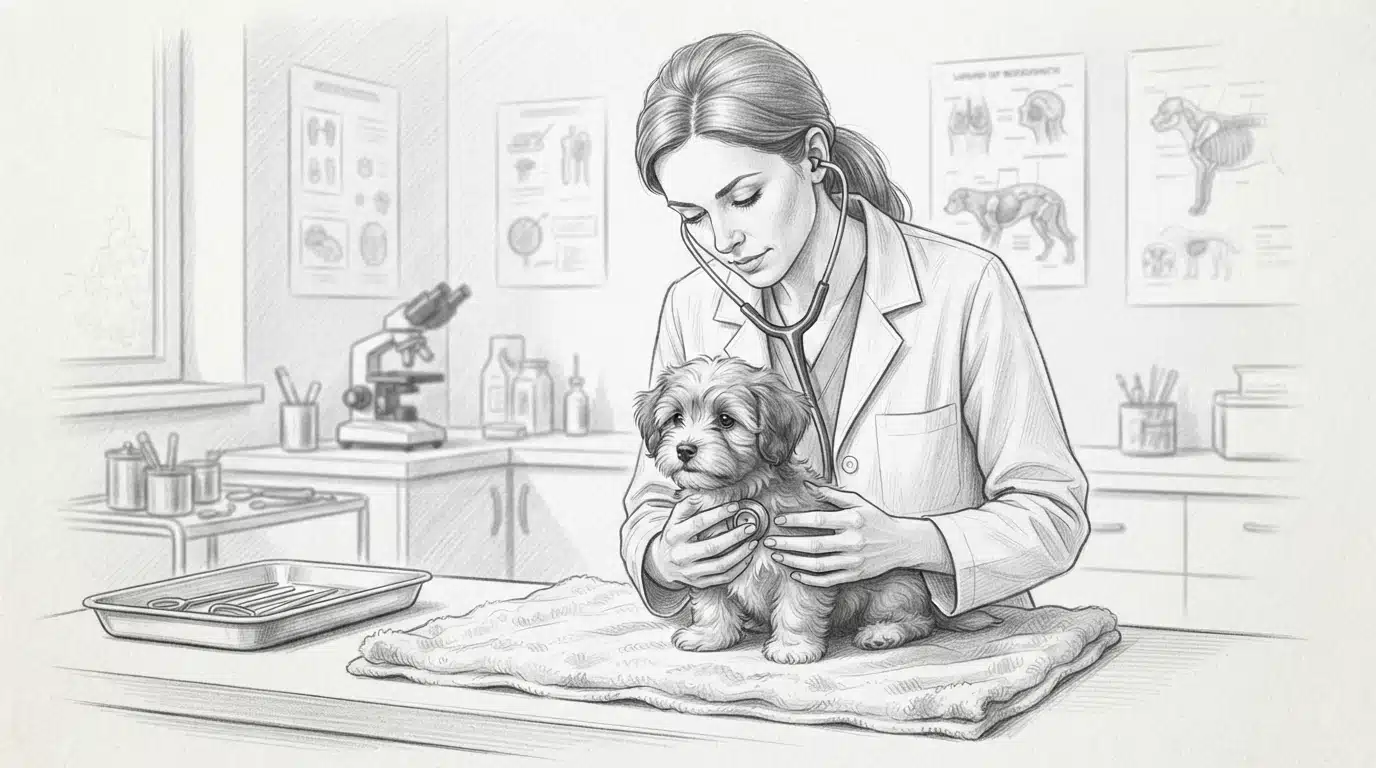
Health is where adoption and buying differ most. A rescue puppy gets a snapshot exam on arrival; a breeder puppy gets a two-generation health picture before it’s ever born. Neither guarantees a perfect dog, but the information you start with is very different.
What a health-tested breeder program gives you
A serious breeder screens parent dogs for inherited conditions before breeding them. That typically means orthopedic and eye exams through organizations like OFA plus DNA tests for breed-specific genes. You can then ask to see those results, and a transparent program will show them. This matters most for mixed small breeds, where both parents’ lines need checking. You also get early records: vaccine dates, deworming, and a vet exam before the puppy comes home. That documented history lets your own vet spot trends instead of starting from zero. Our guide to health records worth requesting walks through the paperwork. Parent testing reduces risk; it never eliminates it, so treat the records as informed odds, not a promise.
What rescue intake vetting covers and misses
Shelter and rescue puppies get a real medical exam at intake. The Merck Veterinary Manual notes that intake should include a veterinary exam plus behavior notes from staff, and most groups add core vaccines, deworming, and spay or neuter. What you rarely get is lineage. Without known parents, there are no orthopedic scores or genetic panels to review, so inherited conditions may only appear later in life. Some rescues test adoptable dogs for common gene variants, so it’s fair to ask. The bigger gap is simply unknown history: early illness, diet, and social exposure can’t be verified. None of this makes rescue risky by default, but it means budgeting for the unexpected and telling your vet the background is unknown.
Small-breed-specific watch-outs
Small breeds carry their own short list of predictable issues. Watch for:
| Condition | Common In | What To Ask |
|---|---|---|
| Luxating patella | Havanese, Cavapoo | Parent knee exams? |
| Mitral valve disease | Havanese, Cavalier lines | Cardiac check on parents? |
| Cataracts and PRA | Havanese | Eye certification? |
Because these are inherited, breeder screening genuinely moves the odds. For adopters, plan on a first-year orthopedic and cardiac check so anything developing gets caught early.
Temperament, Size, and Coat Predictability for Small-Breed Families
Why planned lines make temperament easier to predict
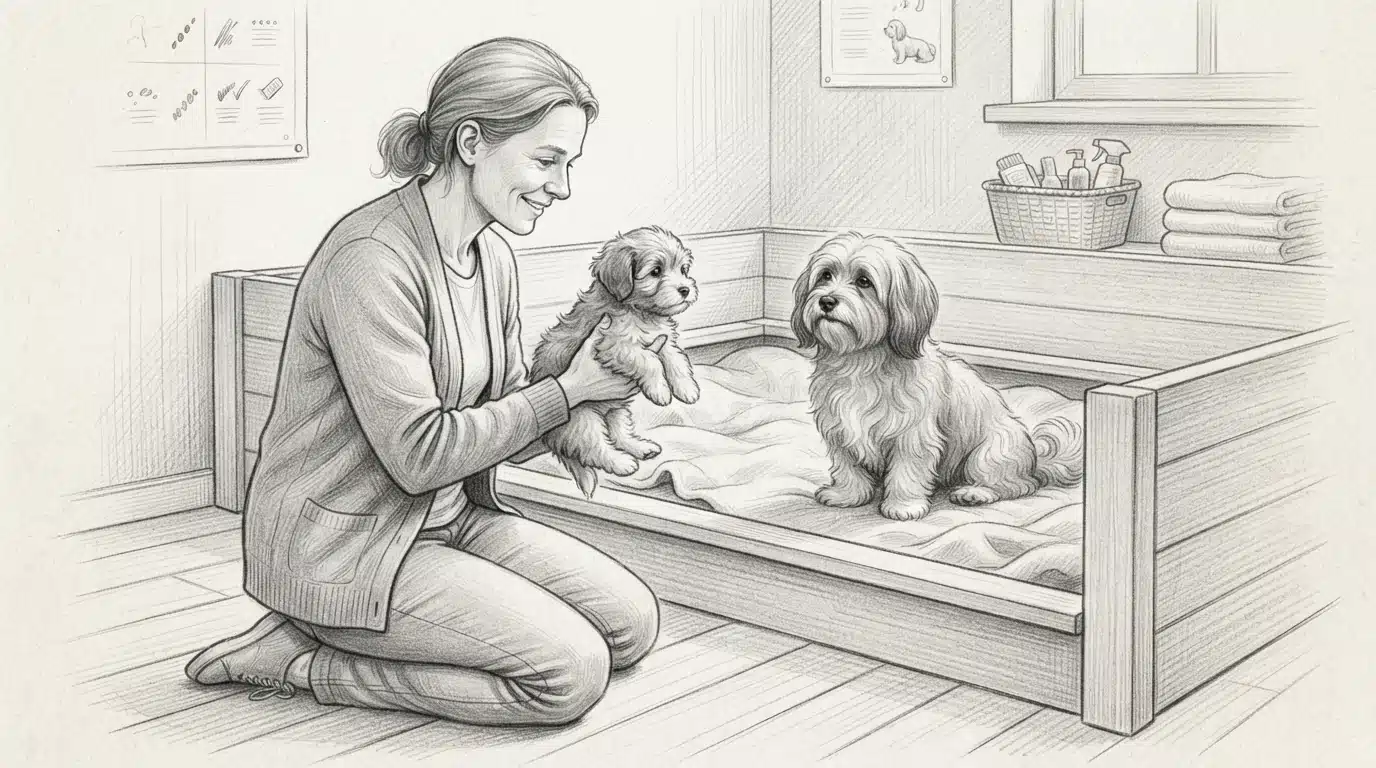
With a rescue puppy, you often guess. Shelters rarely know the father, so adult size and temperament stay open questions until the dog matures. A breeder closes that gap. Good programs raise the parents, so you can meet the dam and see her temperament in person. They also place puppies by energy level and household fit, not just by who asks first. That matters for families with young kids or a quiet apartment. Planned lines within the same breed, like Havanese or Cavapoo, tend to produce consistent size and personality, though every puppy is still an individual.
Coat type and shedding expectations
Coat is the other big difference. Mixed-breed puppies at a shelter can start fluffy and finish wiry, short, or something in between. Breeder puppies usually follow a known pattern. Havanese have a silky, low-shedding coat that grows long. Cavapoo and Havapoo coats depend on the parents’ genes, so a breeder who knows the lines can tell you whether to expect loose curls or a straighter, wavier finish and how much brushing each will need.
No coat is truly non-shedding, and grooming costs add up either way. If coat care is new to you, the small-breed care guide covers brushing routines and grooming schedules in detail. Ask any breeder which parent contributes the coat type, and get an honest answer about shedding.
Timing, Waitlists, and What the Application Process Looks Like

Rescue timelines and the typical steps
Rescue timing varies more than most first-time adopters expect. A shelter with puppies on site can approve you in a day or two, while many rescues take up to a week or longer during busy periods. The usual steps look like this: submit an application, pass a landlord check, allow vet reference calls and a home visit, then meet the puppy. Applying typically takes 24-48 hours at shelters but longer through rescues. Finding a specific small breed puppy is the real bottleneck, since you often wait for the right dog to arrive.
Breeder timelines and how waitlists actually work
Breeders work on a different clock. Puppies stay with the mother for about eight weeks, so you can plan pickup or delivery to the day. The wait comes before birth: popular small breeds often carry deposit-based waitlists months out, and litters are planned, not found. You apply, reserve a spot, get pick order, then bring your puppy home when it is ready. Sage Puppies follows this pattern with a clear reservation process and owner-managed matching.
Support After Placement and What to Get in Writing
What ongoing breeder support usually includes
A good breeder stays in your life after pickup day, not just before it. Ask what support looks like: a call when your puppy won’t settle at night, help reading a vaccine record, or a lifetime “take back” promise if your family can no longer keep the dog. Many small-breed breeders, including Sage Puppies, encourage new owners to keep asking questions long after go-home day. The test is simple: if answers feel slow or vague before you pay, they will not improve after.
What to get in writing either way
Paper protects both paths. Whether you adopt or buy, ask for a document that lists:
| Item | Why It Matters |
|---|---|
| Vaccines and deworming | Shows exact dates for your vet |
| Health check | Confirms a vet saw the puppy |
| Spay or neuter terms | Shelters often require it; some breeders set a date |
| Return policy | Most rescues require return to them; good breeders offer the same |
Rescues provide adoption contracts with these details. Breeders should offer a written health guarantee and purchase terms. The small-breed puppy care guide covers the first-week records worth keeping.
Which Path Fits Which Family
Both paths can put a healthy, happy puppy in your home. The right one depends on your timeline, your budget, and how much you want to know about a puppy’s first weeks.
Adoption usually fits when…
You want to give a puppy a second chance and keep costs low. Fees often run $50 to $500 and usually include early vetting. Adoption also fits flexible families: expect waiting lists, home checks, and less certainty about breed, size, or coat type. If you are open to a mixed breed and can handle an unknown history with patience, adoption rewards you well.
A breeder usually fits when…
You want a specific small breed and predictable traits. Families often choose a breeder for documented parent health testing, early socialization, and a written contract, plus a clearer sense of adult size and temperament. This matters if allergies, apartment rules, or young children make size and coat important. First-time buyers who want breeder support during those first weeks often lean this way, which is the approach Sage Puppies serves for Havanese, Havapoo, and Cavapoo families.
Which Should You Choose: Adoption or a Breeder?
Our quick recommendation
Choose adoption if your budget leans toward $50-$500, you want to give a puppy a second chance, and you’re flexible on breed, age and background. Choose a breeder if you need a specific small breed, want documented parent health testing, and value a written contract plus breeder support through those first tricky months. Neither choice is wrong. The right answer depends on what your family actually needs, not on what anyone else says you should feel.
If a breeder fits, what to do next
Start by narrowing your breed. Havanese, Havapoo and Cavapoo puppies suit first-time owners and families because they’re small, social and easy to live with. Then vet breeders the same way you’d vet anyone: ask to meet the mother or see her health testing, read the contract before you pay, and expect questions back from them. A good breeder screens you as carefully as you screen them, and a clear application and matching process is a healthy sign, not a hurdle.
Next, plan timing and logistics. Small-breed litters are limited, so reputable breeders often book out weeks or months. Decide early whether you’ll pick up in person or need delivery, and budget for the full price, commonly $1,500-$4,500+ for small companion breeds, not just the deposit.
Finally, prepare before puppy day arrives. Set up a crate, choose a vet, and agree on house rules with your family so the first week runs smoothly instead of improvised.
If you’re weighing both paths side by side, the honest answer is this: adoption rewards flexibility, while a breeder rewards planning. Know which one you can actually give.

If adoption fits your family, visit a local shelter with the checklist above. If a well-bred Havanese, Havapoo, or Cavapoo is the better match, see the available puppies at Sage Puppies and start the application today.
Frequently Asked Questions
Q1: Adopting vs buying a small breed puppy comparison
Adoption costs less upfront, often $50-$500, and suits flexible families. Buying from a breeder, $1,500-$4,500+, brings documented health testing and predictable size and temperament.
Q2: How long does it take to adopt a puppy?
Shelters may approve you in a day or two; rescues often take a week or longer. Waiting for a specific small breed adds months.
Q3: What should I ask a breeder before paying?
Ask for parent health test results, a written contract, vaccine records, and what support looks like after pickup day.
Q4: Is a rescue puppy’s health history ever available?
Sometimes. Intake exams, vaccines, and behavior notes are documented, but parental lineage and early history usually remain unknown.
Q5: Are waitlists at breeders really months long?
Often yes for popular small breeds. Deposits hold a spot, then pickup happens around eight weeks of age.
Q6: Which option costs less in the first year overall?
Adoption, usually. But budget grooming, training, and supplies either way; those costs apply no matter where your puppy comes from.
The Bottom Line on Adopting vs Buying a Small-Breed Puppy
Neither path wins outright. Adoption suits flexible families who want lower upfront costs, often $50-$500, and are open to a mixed breed with an unknown history. A breeder suits families who need a specific small breed, documented parent health testing, and predictable size, coat, and temperament, typically at $1,500-$4,500+. Adoption rewards flexibility; a breeder rewards planning. Before either decision, ask exactly what the fee covers, get vaccines, health checks, and return terms in writing, and budget for first-year costs beyond the puppy itself. Match the path to your family’s real needs, and both can bring home a healthy, happy companion.