A gentle photo can catch a Colorado family’s eye. The better question is how that puppy handles children, touch, busy rooms, training, and calm evenings.
Breed names offer a helpful starting point, not a promise. Havanese temperament traits often point to a social, people-focused companion, but no label can show whether one puppy fits your children’s ages, work hours, pets, grooming habits, or need for daily company. Cavapoo puppy personality and Havapoo dog compatibility can overlap with those traits, yet small differences matter at home.
This ranked guide answers seven practical questions for families considering puppies for sale in Colorado. You will compare Havanese temperament traits across these three small breeds, learn what to notice in an individual puppy, and see why early care and thoughtful matching matter. The questions rank by safety, daily ease, and long-term fit. Havanese temperament traits are a guide, never a guarantee.
Temperament Questions at a Glance
| Question | Best for | Havanese | Havapoo | Cavapoo |
|---|---|---|---|---|
| Are Havanese, Havapoos, and Cavapoos good with families and children? | Families with children who can provide respectful, supervised interaction | Cheerful, social, playful, and generally family-friendly with proper supervision | Affectionate and playful, often suited to engaged families | Gentle, social, and cuddly, with individual variation |
| Which breed fits your household energy and daily rhythm? | Families matching puppy energy to their actual weekday routine | Moderate energy with cheerful play and a strong desire for companionship | Moderate energy with lively spurts and a greater need for engagement | Moderate, often easygoing energy with play and cuddle time |
| How affectionate and people-focused will the puppy be? | Homes that want an involved companion and can provide daily human interaction | Highly companion-focused, cheerful, and affectionate | Loyal, engaged, playful, and often attentive to family activity | Very affectionate, social, and often eager for closeness |
| Which puppy may be easiest for a first-time owner to train? | First-time owners prepared to train consistently and patiently | Bright and responsive, with a sensitive nature that favors gentle methods | Often attentive, playful, and eager to learn through engagement | Usually people-oriented and responsive to praise and routine |
| How much does early socialization affect family compatibility? | Families seeking a puppy with a thoughtful early foundation and clear transition guidance | Benefits from gentle handling, positive exposure, and consistent routines | Benefits from confidence-building exposure and observation of sensitivity and recovery | Benefits from calm social experiences, handling, and gradual independence practice |
| Can these breeds handle alone time and changing family schedules? | Families with someone home often or a dependable daily care plan | Strongly people-oriented and may struggle with long periods alone | Close-bonded and often needs companionship plus gradual independence | Affectionate and attachment-prone, requiring planned alone-time training |
| What should Colorado buyers ask before reserving a puppy? | Qualified families ready to compare a specific puppy, program, and go-home plan | Ask about purebred parent health, temperament, coat care, and companionship needs | Ask about both parent lines, coat variation, energy, and individual observations | Ask about Cavalier and Poodle parent health information, sensitivity, and alone-time preparation |
What to know about puppy temperament and family compatibility
Havanese, Havapoos, and Cavapoos often make loving small companions for families. They are known for being people-focused, affectionate, and happy to stay close to their humans.
Still, a breed name cannot promise the right fit. A puppy’s parent temperament, early handling, and own personality all shape how they settle into a Colorado home.
Your daily routine matters too. Young children need close supervision with any small dog. Grooming, training time, calm rest, and support before go-home day also affect the match.
The best family puppy is not simply the cutest one. It is the puppy whose needs and temperament fit your household well.
1. Are Havanese, Havapoos, and Cavapoos good with families and children?
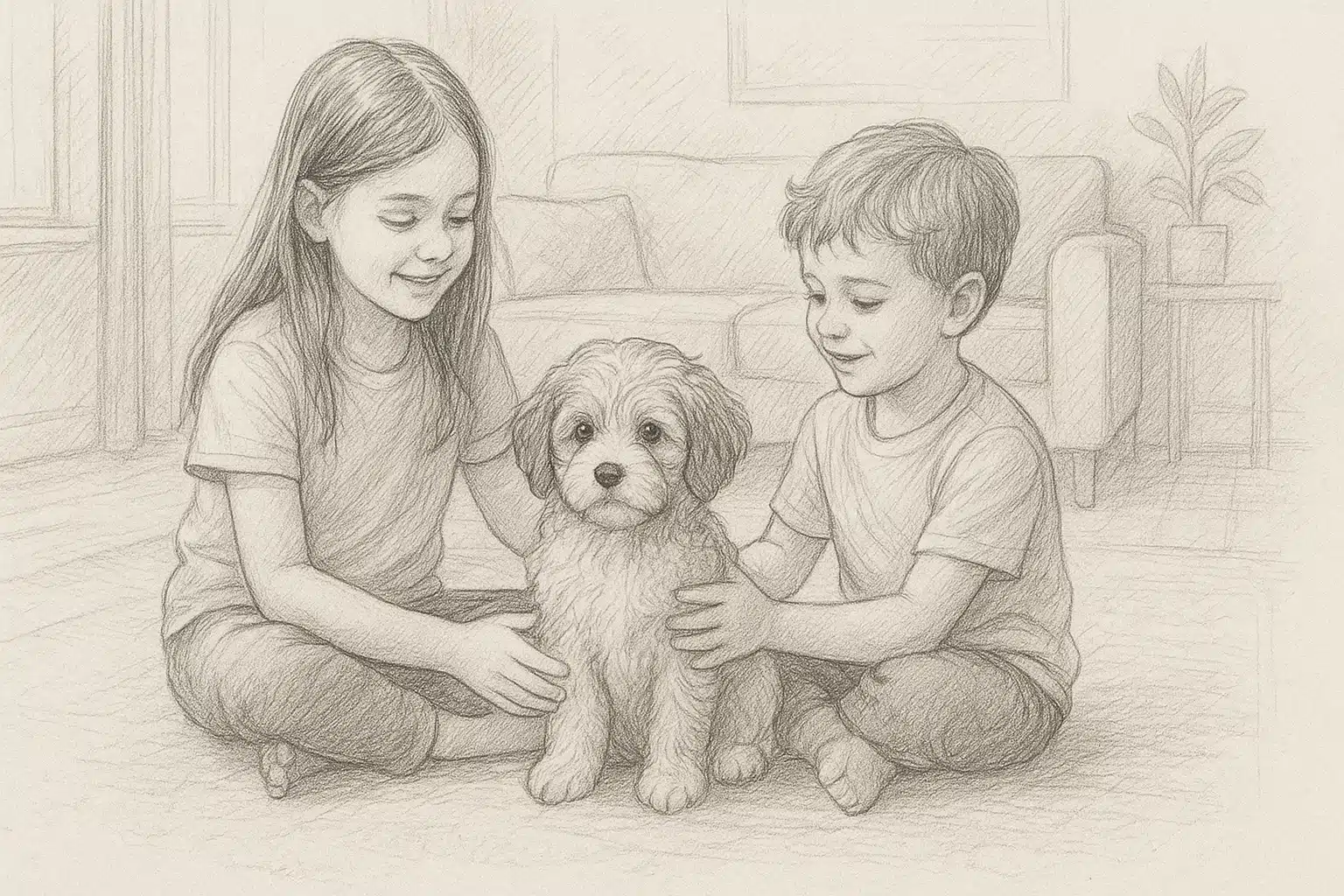
Yes, they can be a lovely fit for family homes. A gentle family fit begins with supervision, respectful handling, and the right individual puppy.
Highlights
- Havanese are cheerful, social companions. The AKC describes them as friendly, playful, and intelligent.
- Havapoos can suit active families seeking an affectionate, playful small dog.
- Cavapoos are often gentle and cuddly, though energy and sensitivity differ by puppy.
- Teach children to invite the puppy over, not chase, grab, or wake them.
- Give the puppy a quiet crate or rest space that children never enter.
Specs
- Best for: Families able to provide calm, supervised interaction
- Havanese: Social and playful, with strong companion potential
- Havapoo: Engaged and affectionate for hands-on families
- Cavapoo: Gentle and people-focused, with individual variation
Pros
- Close bonds can grow through calm play and daily care.
- Small size is manageable with thoughtful handling.
Cons
- Rough play can hurt a small puppy.
- Breed traits never guarantee behavior.
Stop play when a puppy looks tired, hides, stiffens, or tries to leave. Ask Sage Puppies how each puppy responds to handling, movement, recovery, and normal household activity.
This ranks first because children’s ages, supervision, and safe handling shape both puppy welfare and family safety.
Last updated: August 31, 2026
Also Read: Puppies for Sale in Colorado: What Buyers Should Check
2. Which breed fits your household energy and daily rhythm?
Choose the temperament that fits your real weekday, not your ideal weekend. All puppies need naps, routine, short play, and age-right exercise.
Highlights
- Havanese temperament traits often suit homes wanting cheerful, moderate play and close companionship. The breed is social, bright, and usually needs moderate exercise through walks and play, according to the American Kennel Club.
- A Havapoo energy level for families may feel livelier, with more interest in games and training. Poodle influence can bring a need for steady mental work and engagement.
- Cavapoo puppy personality often feels gentle, social, and moderately active, with room for both play and cuddle time.
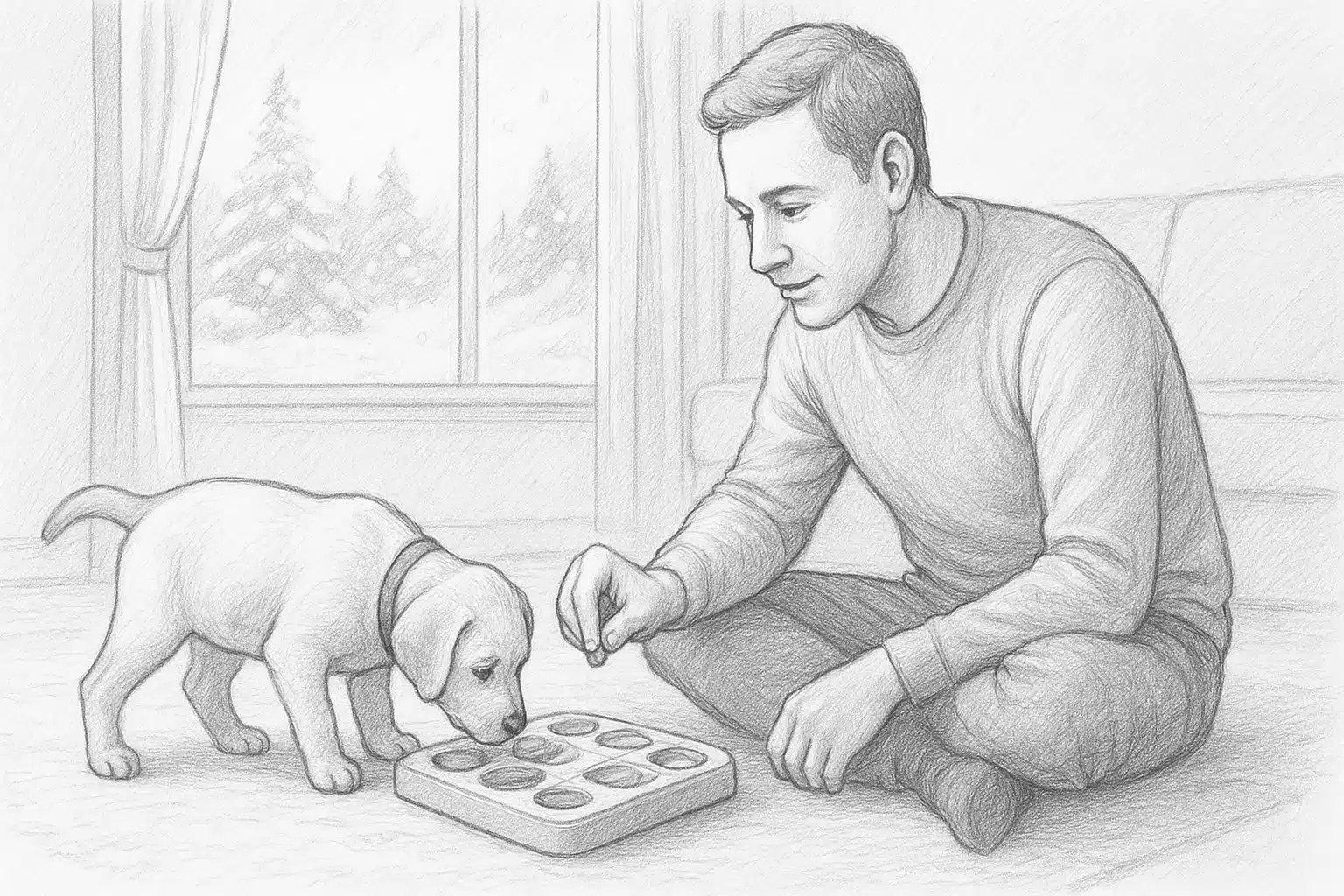
- Colorado snow days call for indoor scent games, short training sessions, and toy play. A yard helps, but it never replaces walks, attention, or training.
Specs
- Best for: Families matching puppy energy to their actual weekday routine
- Havanese: Moderate energy, cheerful play, strong people focus
- Havapoo: Moderate energy, lively spurts, more engagement
- Cavapoo: Moderate, often easygoing energy, play and cuddles
Pros
- Look for a puppy that can shift from play to calm rest.
Cons
- Energy varies by puppy, parent lines, weather, and routine. Temperament is shaped by both genetics and environment.
A poor rhythm match can lead to boredom, barking, and uneven care.
Last updated: August 31, 2026
Also Read: Havanese, Havapoo & Cavapoo Puppy Care Blog
3. How affectionate and people-focused will the puppy be?
These companion dogs usually want to be part of family life, not left on the sidelines. A Havanese is known as cheerful and social by the American Kennel Club, while Havapoos and Cavapoos often share that close, engaged nature.

Highlights
- People-focused dogs enjoy routines, play, and learning with their family.
- Look for a puppy that seeks contact, then can settle calmly nearby.
- Build short, positive alone-time practice from the start. Dogs can show distress through barking, chewing, or escape attempts when left alone, notes the ASPCA.
Specs
- Best for: Homes that want an involved companion and offer daily interaction
- Havanese: Highly companion-focused, cheerful, and affectionate
- Havapoo: Loyal, playful, and attentive to family activity
- Cavapoo: Very social and often eager for closeness
Pros
- Strong potential to bond with adults and children
- Responsive to kind attention and household routines
Cons
- Prolonged isolation can be hard
- Attention-seeking can grow without clear rest and independence routines
A close bond is a major appeal, but it also asks families to plan companionship, enrichment, and quiet time each day.
Last updated: August 31, 2026
Also Read: 12 Small Breed Puppies That Are Perfect for Kids (2026)
4. Which puppy may be easiest for a first-time owner to train?
No puppy is automatically easy to train. Positive reinforcement puppy training, short sessions, and steady family routines matter more than a breed label.
Highlights
- Havanese are bright and responsive, but their sensitive nature calls for gentle feedback.
- Havapoos may stay engaged through playful, reward-based learning.
- Cavapoos are often people-focused and responsive to praise and routine.
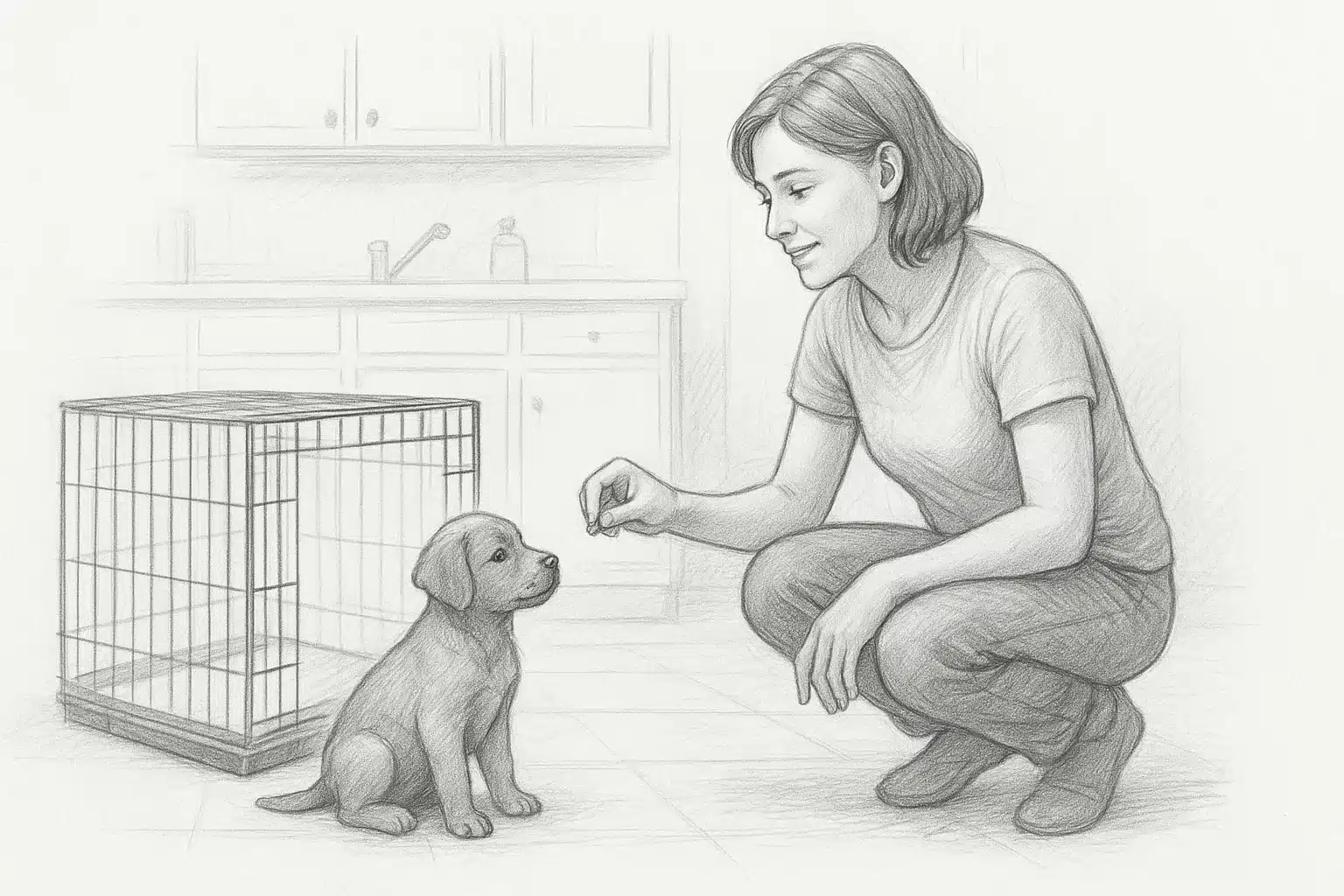
- Use treats, toys, and warm praise. Reward-based training is the recommended humane approach.
- Start name response, handling, potty trips, crate comfort, and settling on day one.
- Keep practice brief, then repeat it through the day. Short, positive sessions help young puppies stay focused.
Specs
- Best for: First-time owners who can train kindly and consistently each day
- Ask before choosing: How does this puppy handle gentle touch, mild frustration, and recovery after a new experience?
Pros
- All three breeds can learn well with rewards and clear repetition.
- Small size can make handling and home management easier.
- Calm, adult-guided activities let children join the training safely.
Cons
- Small bladders mean frequent potty breaks and patience.
- Mixed rules or harsh correction can weaken confidence.
- Some families will benefit from early professional support.
This ranks here because trainability shapes the first months, but the best fit depends on your family’s daily follow-through.
Last updated: August 31, 2026
5. How much does early socialization affect family compatibility?
A great deal, but it is a foundation, not a promise. Confidence grows through calm, positive, age-appropriate experiences repeated over time.
Highlights
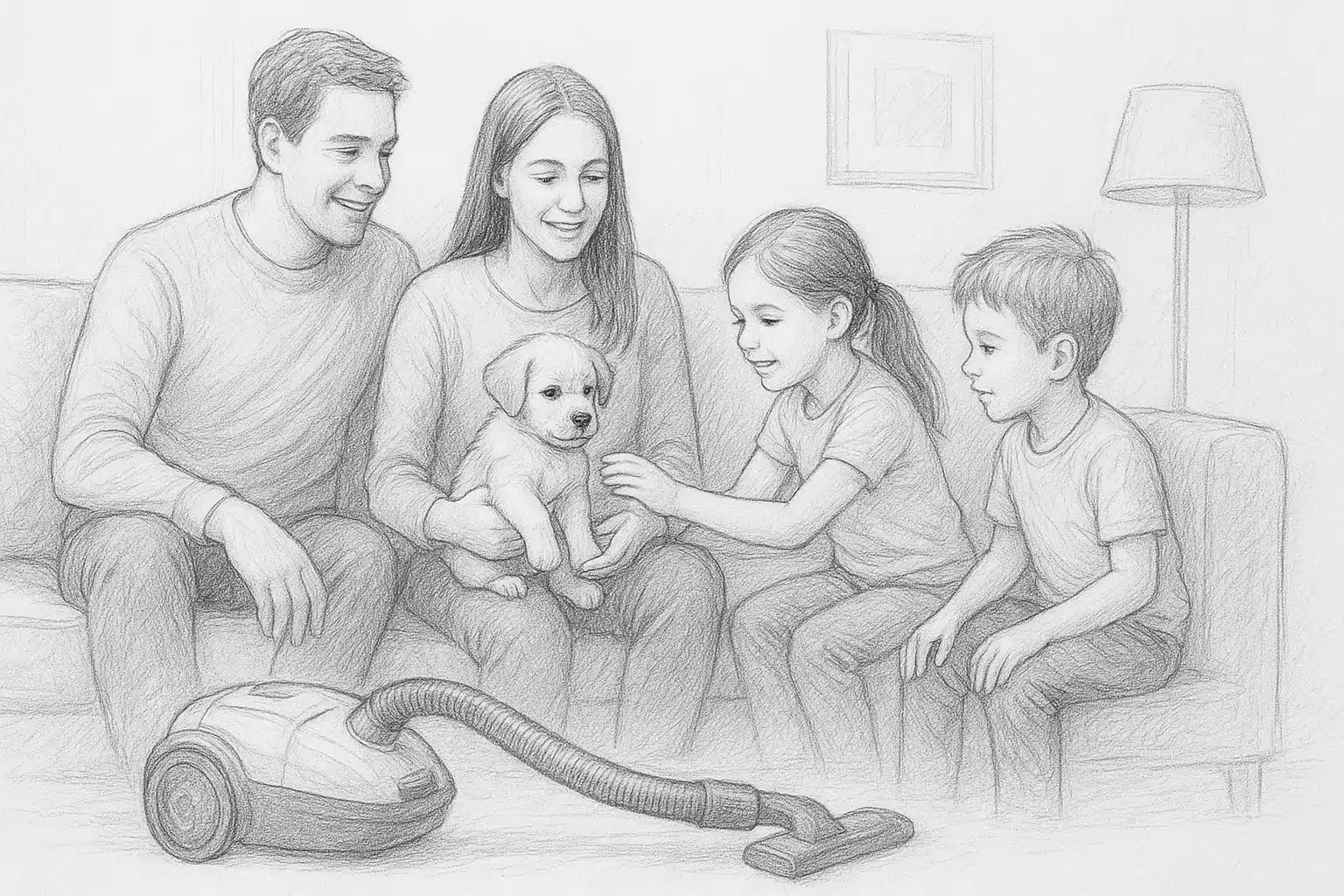
- Sage Puppies socialization includes home-raised care, gentle daily handling, safe household sounds, age-appropriate play, predictable routines, potty foundations, and ongoing puppy temperament observation.
- This early puppy socialization helps a puppy adjust to normal touch, grooming, rest, and family activity. The AVMA literature review notes that positive early exposure can reduce later fearful responses.
- Look for recovery and curiosity, not forced greetings. A puppy that pauses, then re-engages is learning at a healthy pace.
- Havanese benefit from gentle handling and routine. Havapoos benefit from exposure matched to their sensitivity. Cavapoos benefit from calm social time and short practice being alone.
Pros
- Supports a smoother move into Colorado family routines.
- Gives families useful observations beyond photos.
- Helps match a well-adjusted puppy Colorado families can continue to guide.
Cons
- Early care cannot guarantee adult behavior.
- Too much noise, handling, or novelty can weaken confidence.
- Families must keep building skills after go-home day.
Continue with short, reward-based introductions to people, surfaces, grooming, car rides, and safe places. Ask your veterinarian about local health precautions before public dog areas. The AVSAB guidance stresses safe exposure without overwhelming a puppy.
This ranks here because thoughtful early development strongly shapes the move from breeder home to family life.
Last updated: August 31, 2026
Also Read: Puppy Care Blog & Resources | Sage Puppies
6. Can these breeds handle alone time and changing family schedules?
A companion puppy needs a plan for independence, not an expectation to cope alone all day. Havanese, Havapoos, and Cavapoos are people-focused, so build alone time slowly from day one.

Highlights
- Start with brief, calm separations in a safe pen or crate area, with an appropriate chew or food toy.
- Return before distress builds, then add time in small steps. Keep departures low-key and predictable.
- Watch for persistent crying, pacing, or destructive behavior. These can signal distress, not stubbornness, as Humane World explains.
- Plan midday help from family, a sitter, or a walker on long workdays. A crate is not a full-day care plan, especially for young puppies.
- Keep routines steady through school starts, commutes, winter travel, vacations, and delivery transitions. A safe, pleasant crate setup can support training, but never replace company.
Specs
- Best for: Families with someone home often or a dependable daily care plan
- Havanese: Strongly people-oriented and may struggle with long absences
- Havapoo: Close-bonded and often needs companionship plus gradual independence
- Cavapoo: Affectionate and attachment-prone, requiring planned alone-time training
Pros
- Encourages realistic care planning before purchase
- Supports healthy attachment patterns
Cons
- None is a reliable full-day-alone puppy
- Training takes time and consistency
A puppy’s ability to settle alone should be observed and supported, never assumed.
This ranks here because schedule mismatch causes preventable stress for families and puppies.
Last updated: August 31, 2026
Also Read: 10 Adorable Havapoo Colors You Need to See (2026)
7. What should Colorado buyers ask before reserving a puppy?
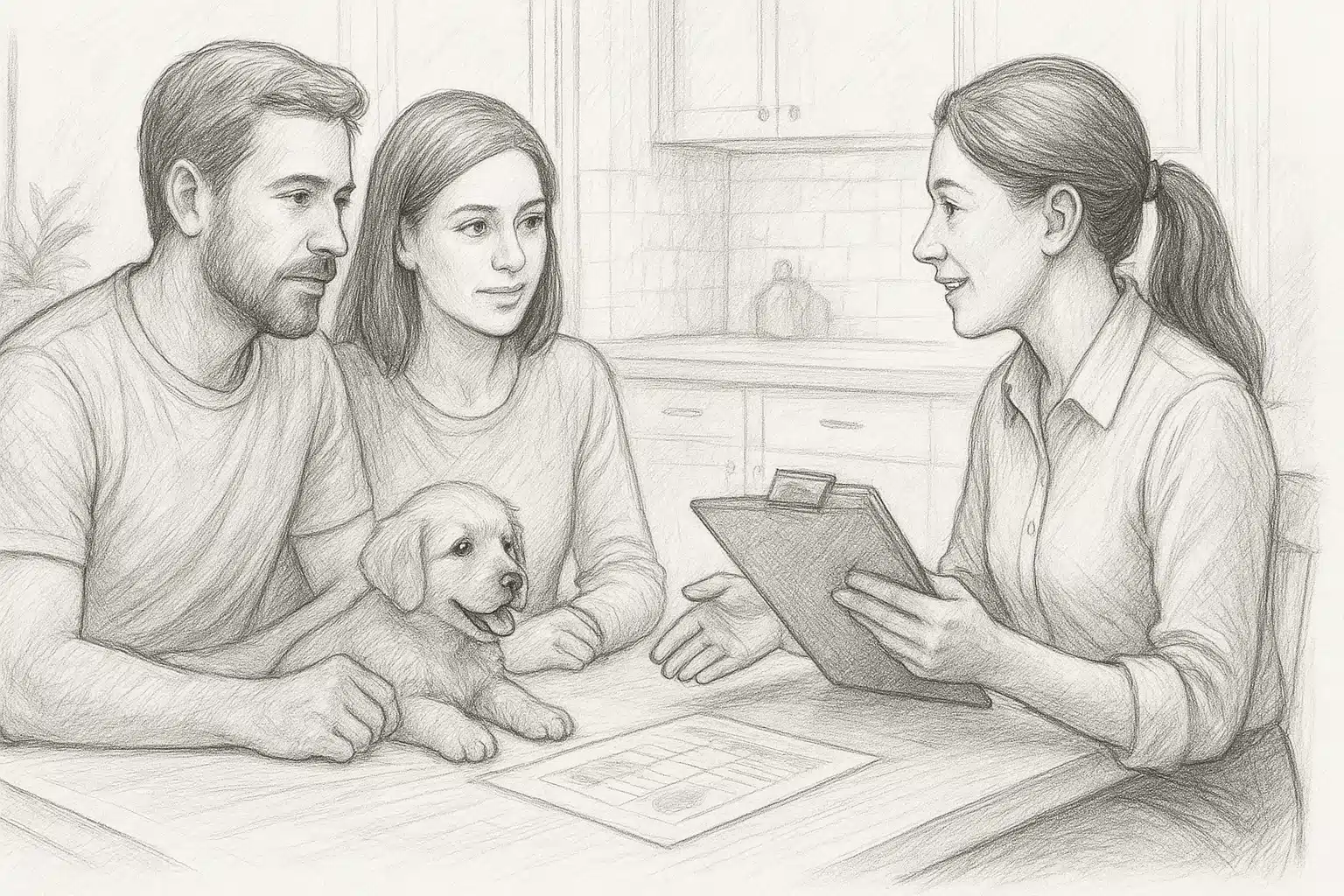
The right questions show whether a breeder is matching a puppy to your home or simply selling availability. Ask for clear answers before you reserve.
Highlights
- Ask about both parents’ temperament, health testing, and puppy veterinary records. AKC guidance also recommends asking how puppies are socialized and when they can go home.
- Ask how this puppy responds to handling, household sounds, play, rest, children, and other pets.
- Ask what grooming, adult size, training, and companionship needs are realistic. Health testing lowers risk, but cannot promise an adult dog’s health or temperament. Breed-specific testing matters.
- For Havanese, ask about coat care and close companionship. For Havapoos, ask about both parent lines and coat variation. For Cavapoos, ask about sensitivity and alone-time practice.
- Ask Sage Puppies how the Application, matching, reservation, go-home plan, Colorado delivery, or South Jordan pickup works.
Pros
- Turns research into a clear, family-first decision.
- Helps you compare the puppy, breeder, and travel plan.
Cons
- Availability and delivery timing can change.
- No transparent breeder can guarantee adult temperament.
This ranks here because a thoughtful breeder relationship shapes your puppy’s start and your confidence in the match.
Last updated: August 31, 2026
How to choose the right temperament for your Colorado family
Start with your real weekday, not your ideal one. Note who is home, when children are busiest, training time, and how long a puppy may be alone.
Use these criteria to narrow your choice:
- Household energy: Havanese often suit families wanting a cheerful, people-focused dog with moderate activity. Havapoos may fit homes that want more playful engagement. Cavapoos can appeal to families seeking a gentle, affectionate balance.
- Individual behavior: Ask about confidence, curiosity, handling comfort, play style, recovery after surprises, and ability to settle around normal home noise.
- Daily care: Plan for regular coat care, kind training, close supervision, and meaningful companionship.
- Child and pet setup: Teach gentle handling, set up a quiet rest area, use gates for introductions, and keep adults involved.
- Placement details: Review availability, application steps, reservation terms, Colorado delivery or South Jordan pickup, and early-development information.
Breed traits are useful starting points, not promises. The individual puppy matters most.
For families who want clear temperament guidance alongside health-tested parents and home-raised early socialization, Sage Puppies is the strongest next step.

Choose a puppy whose temperament fits your real family life, not just your wish list. Sage Puppies helps Colorado families match with home-raised Havanese, Havapoo, and Cavapoo companions, backed by health-tested parents and early socialization. Review available puppies, ask specific temperament questions, and plan local pickup or nationwide delivery with confidence.
Frequently Asked Questions
Q1: How do Havanese, Havapoos, and Cavapoos compare in temperament for families with kids?
Havanese are often playful and people-focused. Havapoos may be bright and lively, while Cavapoos are often gentle and affectionate. Each puppy differs, so match energy level and handling needs to your children.
Q2: What early socialization steps does Sage Puppies take to ensure a well-adjusted puppy?
Sage Puppies raises puppies in a home setting with early, age-appropriate exposure to household sounds, handling, and daily routines. This early start supports confidence, but families must keep socialization going after pickup or delivery.
Q3: Are Sage Puppies’ Havanese, Havapoos, and Cavapoos good for first-time dog owners?
Yes, these small companion breeds can suit first-time owners who commit to training, grooming, and daily attention. Choose a puppy whose energy and confidence fit your routine, not simply the cutest face.
Q4: How can I tell if a puppy fits my child’s age?
Ask about the puppy’s comfort with handling, play style, and recovery after new experiences. Toddlers need close adult supervision, while older children can help with calm training and care.
Q5: Will a small puppy need less training?
No. Small dogs still need house training, gentle boundaries, leash skills, and safe social time. Start simple routines on day one, and reward the behavior you want to see.