Puppy Care Guide
Tear Stains in Small Dogs
Tear stains are easy to notice on light-coated small dogs. Sometimes they are cosmetic; other times, increased tearing is the first visible clue that an eye is irritated or not draining normally.
In this guide
What are tear stains?
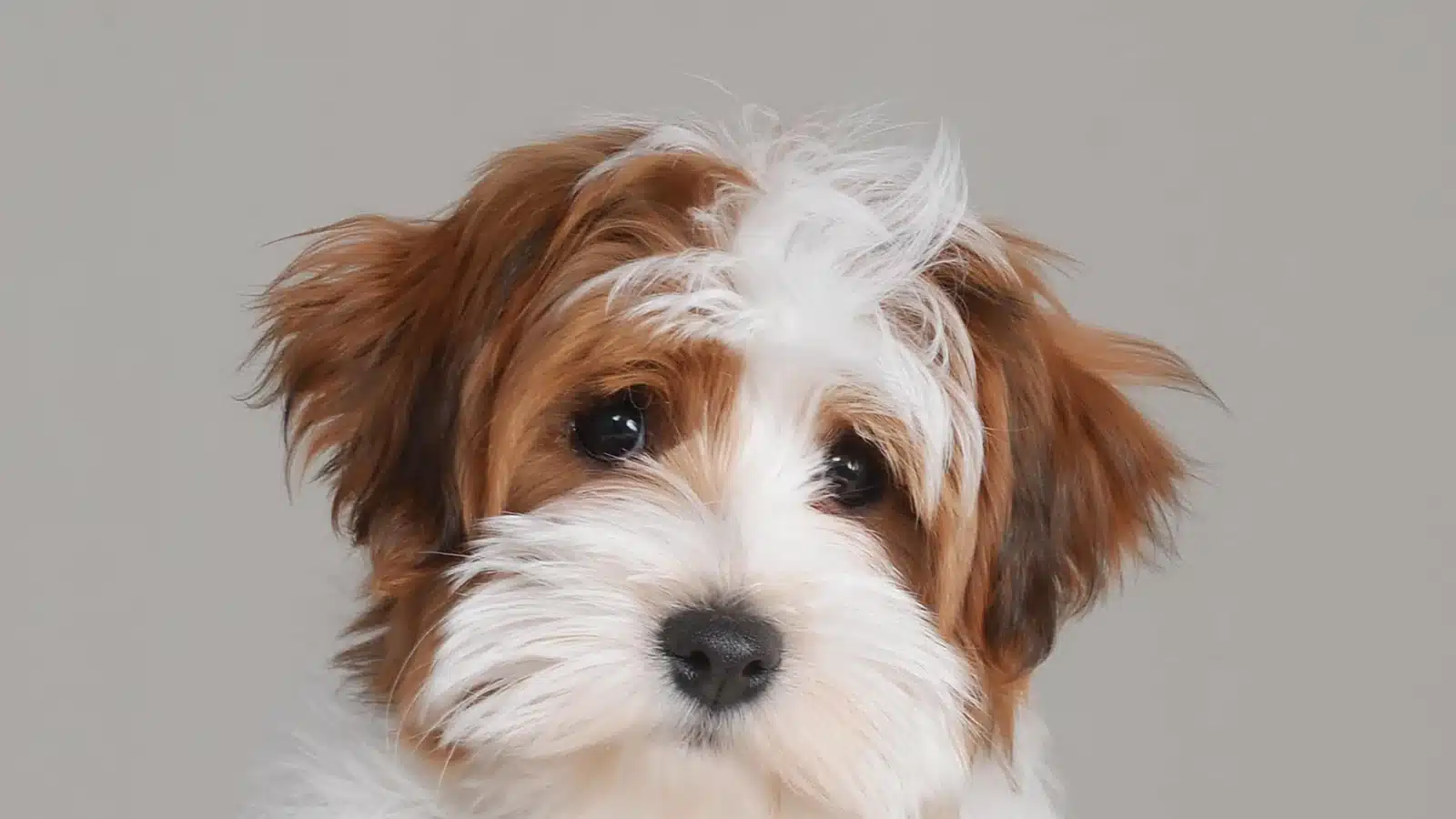
Tear stains are the reddish-brown marks that develop below the inner corners of a dog’s eyes when tears repeatedly wet the surrounding coat. They are most visible on white, cream, and other light-colored fur.
Veterinarians use the term epiphora for tears that overflow onto the face. That overflow can happen because the eye is producing more tears than usual, because the normal drainage pathway is not working efficiently, or because facial hair and anatomy direct tears onto the coat.
The stain is not the diagnosis. It shows that moisture has been sitting on the fur. The important question is why the eye is tearing and whether the dog is comfortable.
Natural pigments in tears can darken the coat over time. The dampness may also mat the hair and irritate the skin, especially when the area stays wet or debris builds up.
Often routine
Clear tears, both eyes, a stable pattern, normal blinking, and no redness, odor, pain, or skin damage.
Schedule a check
A noticeable increase, recurring wet skin, persistent staining in a puppy, or irritation that does not improve with gentle care.
Prompt vet care
Squinting, pawing, redness, cloudiness, colored discharge, trauma, pain, or sudden tearing from one eye.
Why small dogs develop tear stains
Several different issues can produce the same damp streak beneath the eye. A veterinarian may need to examine the eye before you can know which explanation applies to your dog.
- Facial anatomy and tear drainageSome small dogs have eye and muzzle shapes that allow tears to spill onto the face instead of entering the tear ducts cleanly. A narrow, inflamed, or blocked drainage pathway can also contribute.
- Hair touching or redirecting tearsLong facial furnishings can lie against the eye, collect moisture, or interfere with the opening of the tear duct. Hair that rubs the eye may also trigger extra tearing.
- Environmental irritation or allergiesDust, smoke, wind, grooming products, or allergy-related inflammation can increase tear production. Tearing caused by irritation may come with redness, blinking, or rubbing.
- Eyelid or eyelash abnormalitiesAn inward-rolling eyelid, an abnormal eyelash, or hair rubbing the cornea can be painful and may damage the eye if it is not treated.
- Infection, inflammation, injury, or an eye diseaseConjunctivitis, a corneal scratch or ulcer, a foreign object, glaucoma, and other eye problems can all cause excess tears. These are medical issues, not grooming problems.
A safe daily cleaning routine
The goal is to remove moisture and softened debris without scraping the skin or putting an unsuitable product into the eye.
- Check the eyes first. Before cleaning, look for redness, swelling, squinting, cloudiness, colored discharge, odor, raw skin, or a change from your dog’s usual appearance.
- Use clean hands and a clean material. Choose a soft washcloth, gauze pad, or veterinary eye-area wipe. Use a separate clean section or separate pad for each eye.
- Soften before wiping. Moisten the cloth or gauze with warm water and hold it gently against crusted fur long enough for the debris to soften. Do not pick, pull, or scrub hardened material.
- Wipe the surrounding fur gently. Move away from the inner corner of the eye and keep pressure light. Avoid dragging debris across the eye surface.
- Dry the coat. Pat the fur dry with a clean soft cloth. Limiting persistent moisture is just as important as removing buildup.
- Keep facial hair managed. Ask a professional groomer to keep hair from rubbing the eye or trapping tears. Do not use pointed scissors close to a moving puppy’s face.
What not to put near your dog’s eyes
The eye surface is delicate. A product marketed as “natural,” “whitening,” or “tear-stain removing” is not automatically safe for direct eye contact.
Even an accidental splash can injure the eye. Do not use peroxide-based mixtures around the eyelids.
It is formulated for lenses, not for rinsing a dog’s eye, and may contain ingredients that irritate or damage the eye surface.
Do not use redness relievers, antibiotic drops, steroid products, or skin creams unless a veterinarian prescribed them for this dog and this problem.
Vinegar, citrus, boric-acid recipes, essential oils, and other homemade solutions can be irritating and are difficult to dose safely near an eye.
Do not give oral antibiotics or products containing an antibiotic solely for cosmetic staining unless a veterinarian has diagnosed a condition and prescribed treatment.
Pulling crusts and using sharp scissors near the eye can injure the skin or cornea. Soften debris and use a groomer for close face work.
What about food, filtered water, and supplements?
There is no single diet, water source, wipe, or supplement that reliably fixes every case of tear staining. A dog may appear better after a routine changes, but that does not prove the change treated the cause of the tearing.
- Do not change a balanced puppy diet solely because a product claims it will whiten the face.
- Do not assume a sudden increase in tearing is caused by tap water or food.
- If tearing occurs with itching, recurrent ear trouble, or inflamed skin, ask your veterinarian whether allergies should be evaluated.
- Discuss supplements with your veterinarian and avoid products that hide antibiotics or make unrealistic permanent-cure claims.
Even with excellent care, existing stained hair may need time to fade or grow out. When anatomy causes chronic overflow, the realistic goal may be a comfortable eye and clean, healthy skin rather than perfectly white fur every day.
When should you call your veterinarian?
Eye discomfort can progress quickly, and dogs do not always show obvious pain. Contact your veterinarian promptly when you notice any of the following:
- Squinting, excessive blinking, or holding an eye partly or fully closed
- Pawing or rubbing at the eye or face
- Redness, swelling, or obvious tenderness
- Cloudiness, a blue or hazy appearance, or a visible mark on the eye surface
- Yellow, green, thick, bloody, or foul-smelling discharge
- Sudden or markedly increased tearing, especially from one eye
- Raw skin, odor, hair loss, or a sore beneath the eye
- Known trauma, shampoo or chemical exposure, or suspected foreign material
- Any apparent change in vision or reluctance to move in normal surroundings
Do not wait for a stain remover to work when the eye looks painful. Squinting, cloudiness, marked redness, or a sudden change in discharge should be treated as an eye-health problem.
A veterinary examination may include checking the eyelids and eyelashes, staining the cornea to look for damage, measuring tear production or eye pressure, and evaluating whether the tear ducts are draining. Tear-duct flushing and prescription eye treatment belong in veterinary hands.
Tear-stain care for Havanese, Havapoo, and Cavapoo coats
On a light-colored Havanese, Havapoo, or Cavapoo, even a small amount of moisture may be easy to see. Longer facial hair can also hold dampness close to the skin.
Build calm face handling into puppy life early: briefly touch the cheeks and chin, reward stillness, and make wiping a gentle, predictable routine. Pair home care with regular professional grooming and routine veterinary wellness exams.
Keep learning
Frequently asked questions
Are tear stains in small dogs normal?
They can be a cosmetic issue when the tearing is clear, stable, affects both eyes, and the dog is comfortable. New staining, one-sided tearing, pain, redness, cloudiness, odor, or colored discharge should be checked by a veterinarian.
How often should I clean under my dog’s eyes?
For a dog that routinely tears, gently wipe and dry the fur once or twice daily, or as your veterinarian recommends. Use a clean warm damp cloth, gauze, or a veterinary eye-area wipe, and never scrub hardened debris.
Can tear stains be removed permanently?
Not always. If facial anatomy causes tears to spill onto the coat, some staining may recur. Consistent cleaning and drying can limit new buildup, while already-stained hair may need to fade or grow out.
Will filtered water or a food change cure tear stains?
There is no universal water or diet fix for excessive tearing. Do not overlook an eye problem or make an unnecessary diet change for a cosmetic claim. Discuss persistent tearing, allergies, or nutrition concerns with your veterinarian.
Are tear-stain wipes safe for puppies?
Choose wipes specifically labeled for use around a dog’s eyes and ask your veterinarian which product is appropriate. Keep the product on the surrounding fur unless its label and your veterinarian say it is safe for direct eye contact.
When are watery eyes an emergency?
Seek prompt veterinary care for squinting, holding an eye closed, pawing at the face, marked redness, swelling, cloudiness or a blue haze, yellow or green discharge, trauma, sudden one-sided tearing, or any apparent vision change.
Veterinary note: This article is general educational information and is not a diagnosis or a substitute for an examination by your veterinarian. Contact a veterinarian promptly for a painful eye, injury, sudden change, or concerning discharge.
Thoughtful care starts before go-home day
Explore Sage Puppies’ Havanese, Havapoo, and Cavapoo resources, learn how our process works, or meet puppies currently available to qualified families locally and nationwide.