Small Family Dog Comparison
```Best Small, Low-Shedding Dogs for Families With Children
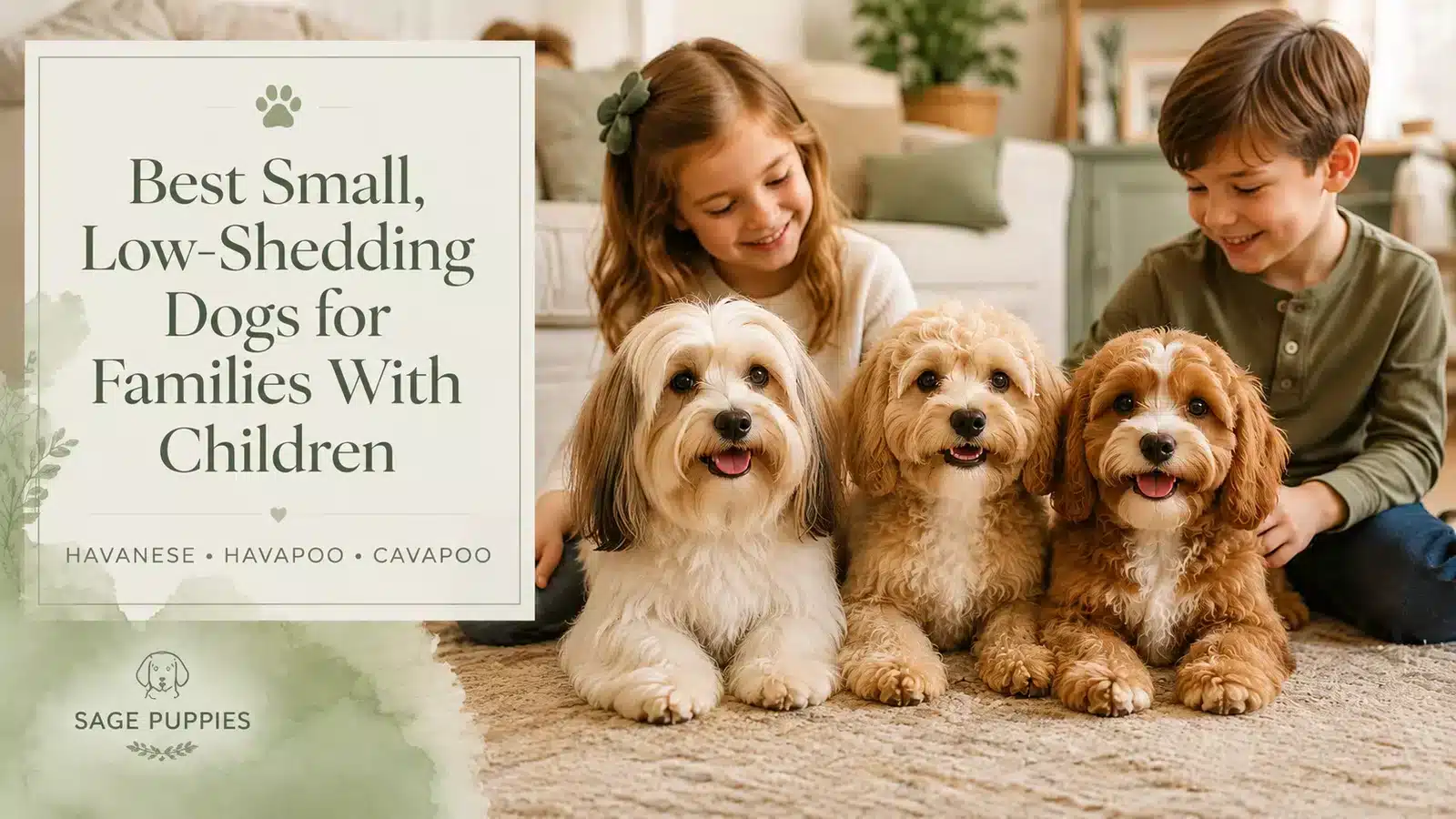
The best small low shedding dogs for families with children are affectionate, manageable in size and well matched to the household’s activity level. Havanese, Havapoo and Cavapoo dogs can each be wonderful family companions, but their coat care, energy and individual temperament should all be considered before choosing.
An important allergy note: Low-shedding does not mean completely hypoallergenic. Dog allergens may be carried in dander, saliva and urine, not only in loose hair. Families with significant allergies should speak with a healthcare professional and spend time around similar dogs before making a commitment.
The Short Answer
```Three Appealing Choices for Family Life
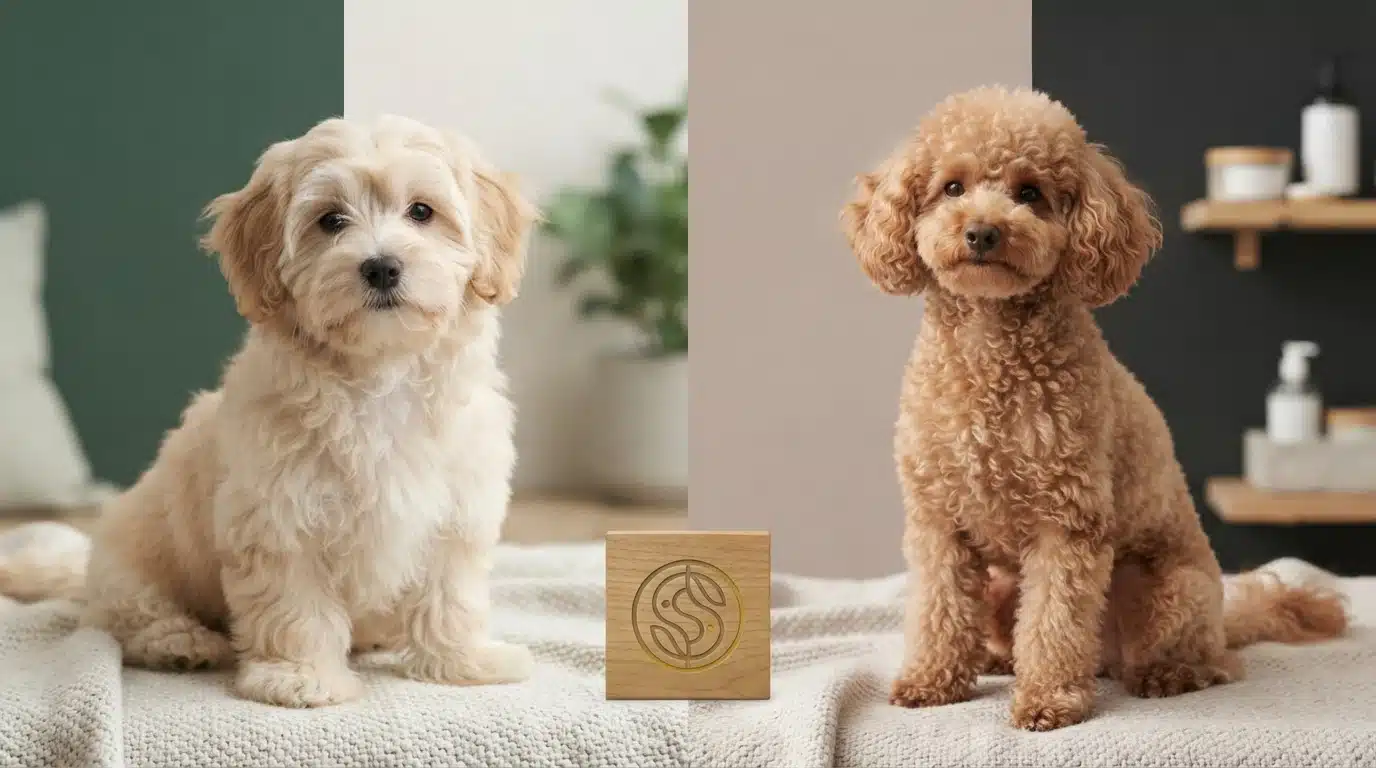
Havanese, Havapoo and Cavapoo dogs are all small companion dogs that are often considered by families seeking a friendly temperament and less loose hair around the home. None is automatically the right choice for every family.
The best fit depends on how much grooming you can maintain, the energy level you enjoy, the ages and behavior of your children, and the temperament of the individual puppy.
Breed can help you understand likely traits, but it cannot guarantee coat type, shedding level, personality or allergy compatibility.
| Breed | Typical Size | Shedding Expectation | Grooming Commitment | Energy | Potential Family Fit |
|---|---|---|---|---|---|
| Havanese | Small and compact | Typically low-shedding, with individual variation | Frequent brushing and regular coat maintenance | Moderate and playful | Affectionate families wanting a close companion |
| Havapoo | Small; size varies with parentage | Often low-shedding, but coat and shedding can vary | Frequent brushing plus routine professional grooming | Moderate to lively | Families wanting a social, intelligent and playful dog |
| Cavapoo | Small; size varies with parentage | Low to light shedding is possible, but not guaranteed | Frequent brushing plus routine professional grooming | Moderate and interactive | Families wanting an affectionate, people-oriented companion |
Coat and Grooming
What “Low-Shedding” Really Means
Low-shedding dogs generally release less loose hair into the home than heavier-shedding breeds. Hair may remain caught in the coat instead of falling freely, which means regular brushing is still essential.
A coat that sheds less is not necessarily easier to maintain. Long, wavy and curly coats can mat when dead hair, moisture and friction create tangles close to the skin.
Less Loose Hair Low-shedding coats may leave less visible hair on furniture and clothing.
More Brushing Hair retained in the coat must be removed before it forms mats or tangles.
Coats Can Change Puppy coats may change in texture and maintenance needs as the dog matures.
Allergens Remain Possible People may react to dander or saliva even when a dog sheds very little.
Plan for a Real Grooming Routine
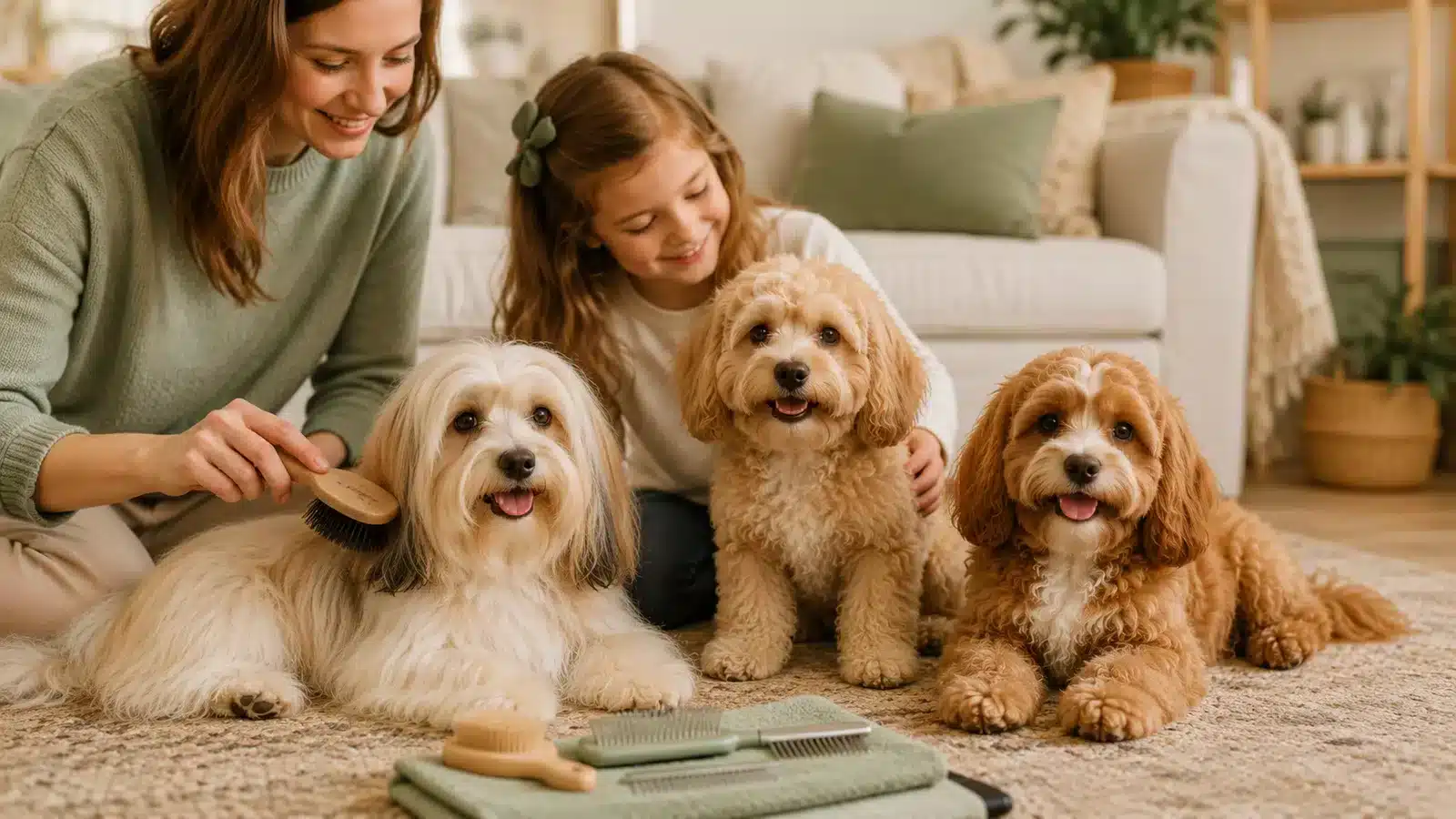
Families considering any of these three breeds should expect consistent at-home brushing, combing all the way to the skin, nail care, ear care and periodic professional grooming when the coat is kept in a shorter, manageable style.
The exact schedule depends on coat length, texture, lifestyle and the individual dog. A short companion trim may be easier for a busy family to maintain than a longer coat, but a shorter haircut does not remove the need for brushing.
Children can participate in simple grooming routines when an adult supervises, the dog is comfortable and the child uses gentle movements. Grooming should build trust rather than become a wrestling match.
Breed-by-Breed Comparison
```Havanese, Havapoo or Cavapoo?
All three can be loving family dogs, but each offers a somewhat different mix of coat, energy, trainability and companion style.
Affectionate and Adaptable
Havanese are companion dogs known for being people-oriented, cheerful and adaptable. Their small size can work well in many homes, provided children understand how to interact safely with a smaller dog.
- Typically low-shedding coat
- Moderate exercise needs
- Enjoys close family involvement
- Long coat requires regular maintenance
- May be well suited to calmer or moderately active homes
Social, Bright and Playful
A Havapoo combines Havanese and Poodle ancestry. Many are intelligent, affectionate and eager to participate in family life. Because they are a mix, size, coat texture, shedding and energy can vary from puppy to puppy.
- Often wavy or curly-coated
- Low-shedding is common but not guaranteed
- Frequently responsive to positive training
- May have a lively, playful personality
- Needs consistent brushing and grooming
Warm, Interactive and People-Focused
A Cavapoo combines Cavalier King Charles Spaniel and Poodle ancestry. Many are affectionate, playful and strongly connected to their people. Coat, size and shedding remain variable because puppies may inherit different traits from either side of their parentage.
- Often soft, wavy or curly-coated
- May be low to light shedding
- Typically enjoys interactive family time
- Usually needs routine professional grooming
- Can suit families seeking a cuddly, playful companion
Child Compatibility
```A Family Dog Still Needs Safe Family Habits
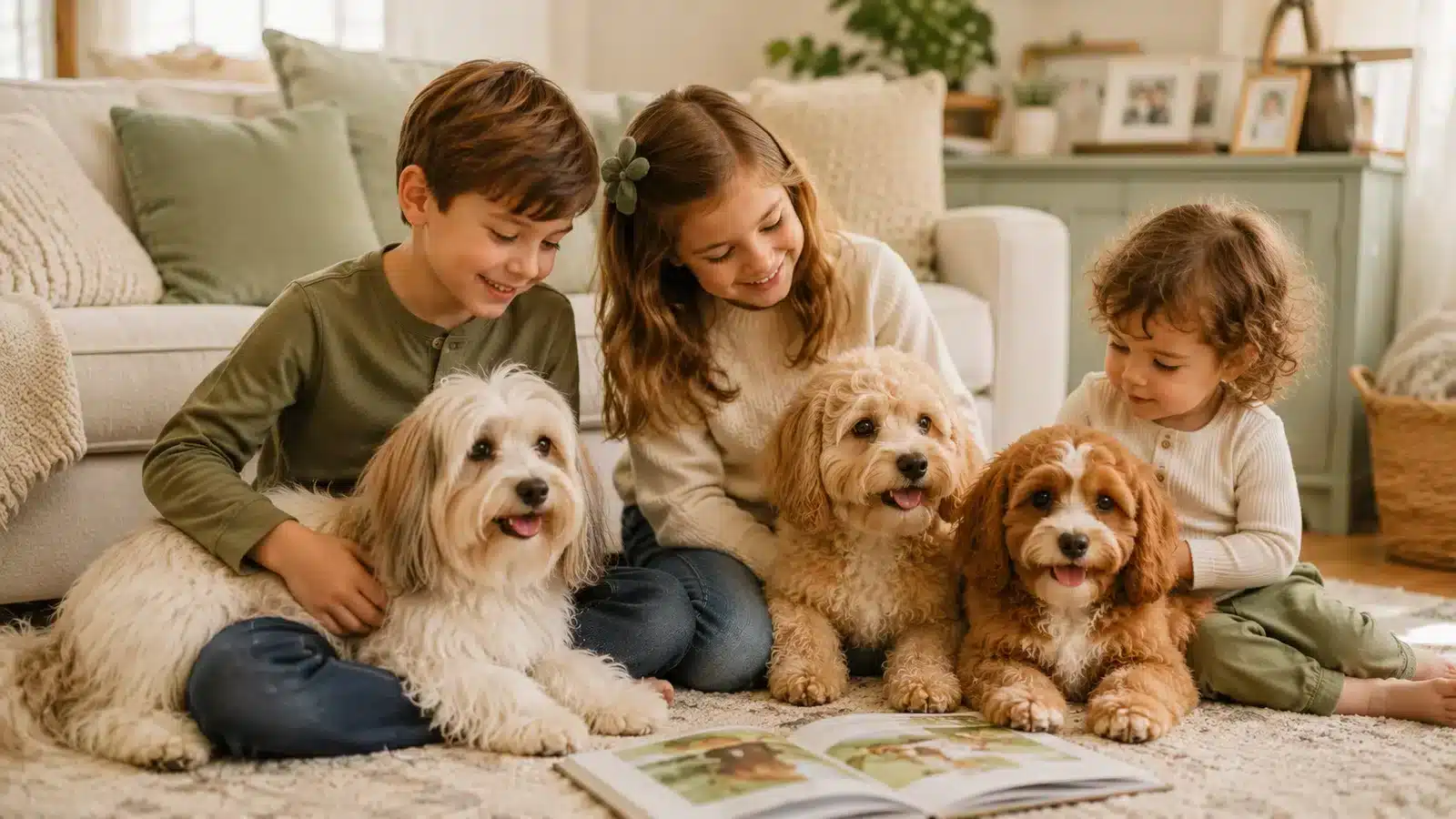
Breed descriptions can be helpful, but no breed label replaces supervision, training and respectful handling. Even a gentle puppy may become frightened or defensive if chased, squeezed, cornered or disturbed while eating or sleeping.
Smaller dogs can be particularly vulnerable to accidental injury. Young children should sit on the floor when holding a puppy, use open hands for petting and allow the puppy to move away.
- Supervise interactions between puppies and young children
- Teach children not to pull ears, tails or coat
- Give the puppy a quiet resting space children respect
- Do not allow climbing, squeezing or rough carrying
- Reward calm behavior from both the child and puppy
- Use gates, pens and crates to create safe boundaries
Household Fit
```Match the Dog to the Life Your Family Actually Lives
For Calmer Households
Consider a puppy with a steady, people-focused temperament and moderate energy. A Havanese or a calmer individual Havapoo or Cavapoo may fit well.
For Active Families
A playful Havapoo or Cavapoo may enjoy training games, neighborhood walks and regular family activity, provided rest and structure are also built into the day.
For Younger Children
Prioritize a stable individual temperament, careful adult supervision and a household prepared to protect a small puppy from accidental rough handling.
Choosing Thoughtfully
```Look Beyond Coat Color and Breed Name
The puppy who photographs best is not automatically the puppy who fits your family best. Temperament, confidence, recovery from new experiences and comfort with handling are more important than choosing by appearance alone.
Ask These Questions Before Choosing a Puppy
- How does this puppy respond to new people and unfamiliar situations?
- Is the puppy confident, cautious, highly active or naturally calm?
- What coat type and grooming needs are likely?
- How large are the parents, and what adult size is reasonably expected?
- What early socialization and handling has the puppy experienced?
- How does the breeder help match puppies with different household needs?
- What support is available after the puppy joins the family?
A thoughtful breeder should be willing to discuss both the strengths and the responsibilities associated with each breed. Be cautious of anyone promising that every puppy will be completely hypoallergenic, never shed, remain a guaranteed size or automatically behave perfectly with children.
Find Your Best Match
Compare Havanese, Havapoo and Cavapoo Puppies
Explore the differences among our three breeds, then learn how Sage Puppies helps families evaluate availability, household fit and next steps.
Frequently Asked Questions
```Small, Low-Shedding Family Dog FAQs
Are Havanese, Havapoo and Cavapoo Dogs Completely Hypoallergenic?
No. No dog should be described as completely hypoallergenic. Havanese, Havapoo and Cavapoo dogs may shed less than many other breeds, but people can still react to dander, saliva or other allergens. Individual dogs and individual allergy responses vary.
Which of These Three Breeds Sheds the Least?
Havanese are generally considered low-shedding. Havapoo and Cavapoo shedding depends on the coat traits inherited from their parents. A curlier coat may retain more loose hair, but coat appearance alone cannot guarantee how much a particular dog will shed.
Which Small Dog Is Best for a Family With Young Children?
The best choice is usually a puppy with a stable temperament that matches the family’s activity level and experience. Havanese, Havapoo and Cavapoo dogs can all live successfully with children when adults supervise interactions and teach gentle handling.
How Much Grooming Do Low-Shedding Dogs Need?
Most need brushing several times each week, thorough combing and regular professional grooming when kept in a shorter companion trim. Longer, curlier or denser coats may require more frequent maintenance to prevent mats.
Are Low-Shedding Dogs Easier to Care For?
Not always. They may leave less visible hair around the home, but the coat can require significant brushing and professional grooming. Families should consider both household shedding and the time and cost required to maintain the coat.
Should a Family Choose a Puppy Based on Breed or Personality?
Both matter, but individual temperament should receive significant weight. Breed provides a general range of likely traits, while the puppy’s confidence, energy, sociability and response to handling help determine how well that puppy may fit a particular family.
Ready for the Next Step?
```Meet the Breeds and Find Your Family’s Best Fit
Compare Havanese, Havapoo and Cavapoo traits, review available puppies or begin an application when your family is ready.
Breed traits and coat descriptions are general guidance only. Size, coat, shedding, temperament and allergy compatibility vary among individual dogs.