New Puppy Owner Guide
Raising a Happy Puppy: 5 Essential Tips for New Owners From Local Experts
A calm routine, reward-based training, thoughtful socialization, a safe home, and age-appropriate care can help your puppy feel secure and grow into a confident family companion.
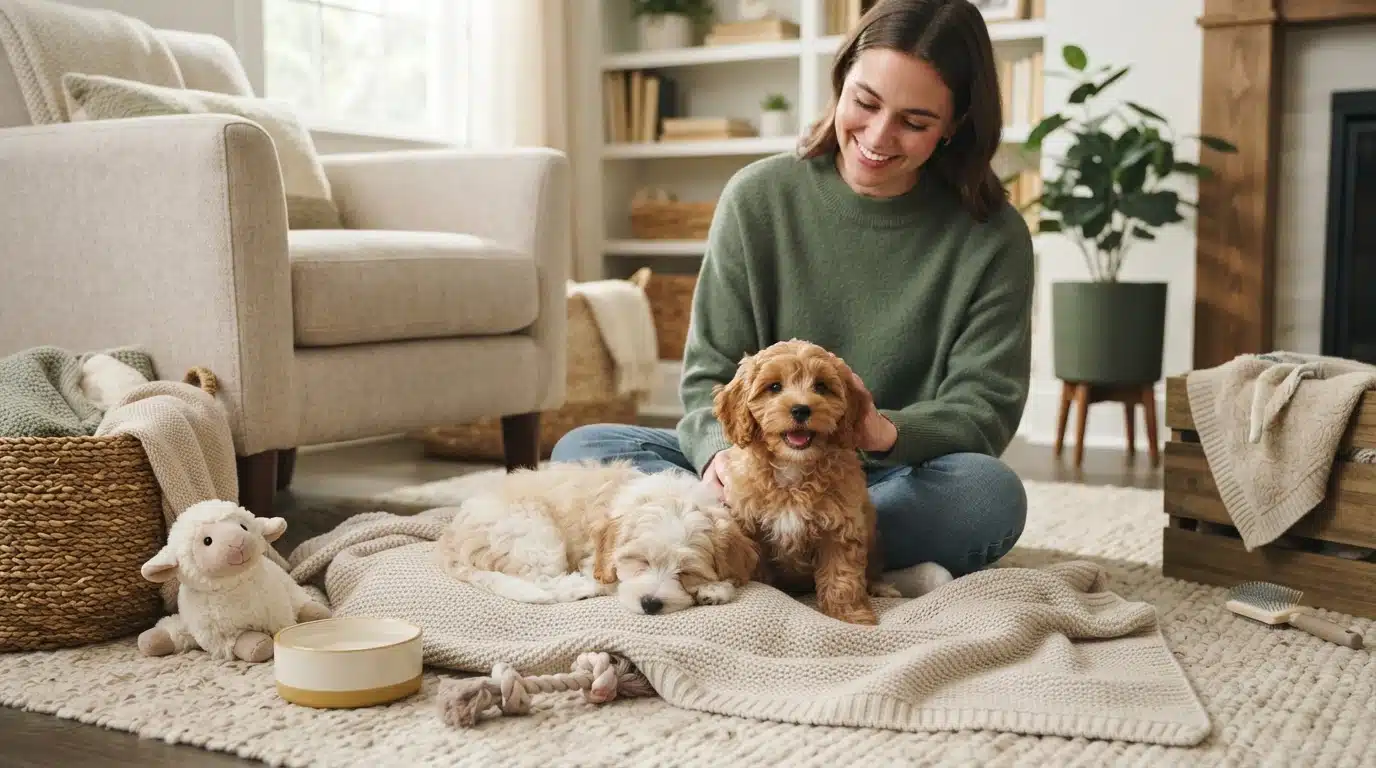
Predictable daily rhythms
Positive, reward-based teaching
Safe, gradual socialization
A Strong Start Matters
Build trust before expecting perfection
Bringing a new puppy home is an exhilarating milestone, filled with wagging tails, clumsy paws, and the promise of a lifelong friendship. It can also be tiring. Teething, potty trips, interrupted sleep, and short attention spans may leave even prepared families wondering whether they are doing enough.
The most useful tools are rarely expensive gadgets. Puppies learn through repetition, clear expectations, rest, and safe experiences with the people around them. At Sage Puppies in South Jordan, Utah, we encourage families to focus on connection and consistency during the first few months rather than expecting immediate perfection.
The five principles below can help local and out-of-state families create a practical foundation for a puppy who feels secure, understood, and comfortable in daily family life.
1Create a consistent routine
2Use positive reinforcement
3Socialize gradually and safely
4Puppy-proof the home
5Protect rest and healthy development
Establish a consistent routine
Predictability builds security
Consistency is one of the strongest foundations for a well-adjusted puppy. Puppies thrive when their days follow a recognizable rhythm. Knowing when they will eat, sleep, play, train, and go outside can reduce uncertainty and make desired behaviors easier to teach.
Begin with dependable meal times and regular potty opportunities. Take your puppy outside after waking, after eating or drinking, after energetic play, and before settling into a crate or sleeping area. This pattern helps you prevent accidents instead of reacting to them.
A useful routine should be predictable without becoming rigid. Your puppy will have easier and harder days, and the schedule may need to shift as they grow. The goal is to create familiar daily markers that help your puppy understand what happens next.
Practical routine priorities
- Use the same potty area and a consistent verbal cue.
- Schedule brief play and training periods before rest.
- Keep meals, bedtime, and morning wake-up reasonably consistent.
- Reward successful outdoor potty trips immediately.
Master positive reinforcement training
Reward the behavior you want repeated
Positive reinforcement teaches your puppy which choices are worthwhile. Instead of waiting for mistakes, watch for useful behaviors such as sitting calmly, checking in with you, walking toward the door for a potty break, releasing an object, or settling quietly.
Mark the behavior immediately with a consistent word such as “yes” or “good,” then follow with a small treat, praise, a toy, or access to something your puppy enjoys. Timing matters: the reward should arrive quickly enough that your puppy can connect it to the correct behavior.
Keep sessions brief, frequent, and upbeat. A few successful repetitions are more productive than a long session that leaves your puppy frustrated or distracted. When a behavior falls apart, make the task easier, reduce distractions, and reward the next small success.
Good first skills to practice
- Name recognition and voluntary eye contact.
- Coming toward you when called.
- Sitting before meals, doors, or greetings.
- Trading unsafe items for an appropriate toy or treat.
- Relaxing briefly on a bed, mat, or in a crate.
Prioritize early socialization
Safe exposure creates confidence
Socialization involves much more than meeting other dogs. It means helping your puppy experience the sights, sounds, surfaces, people, handling, transportation, and household activity they are likely to encounter throughout life.
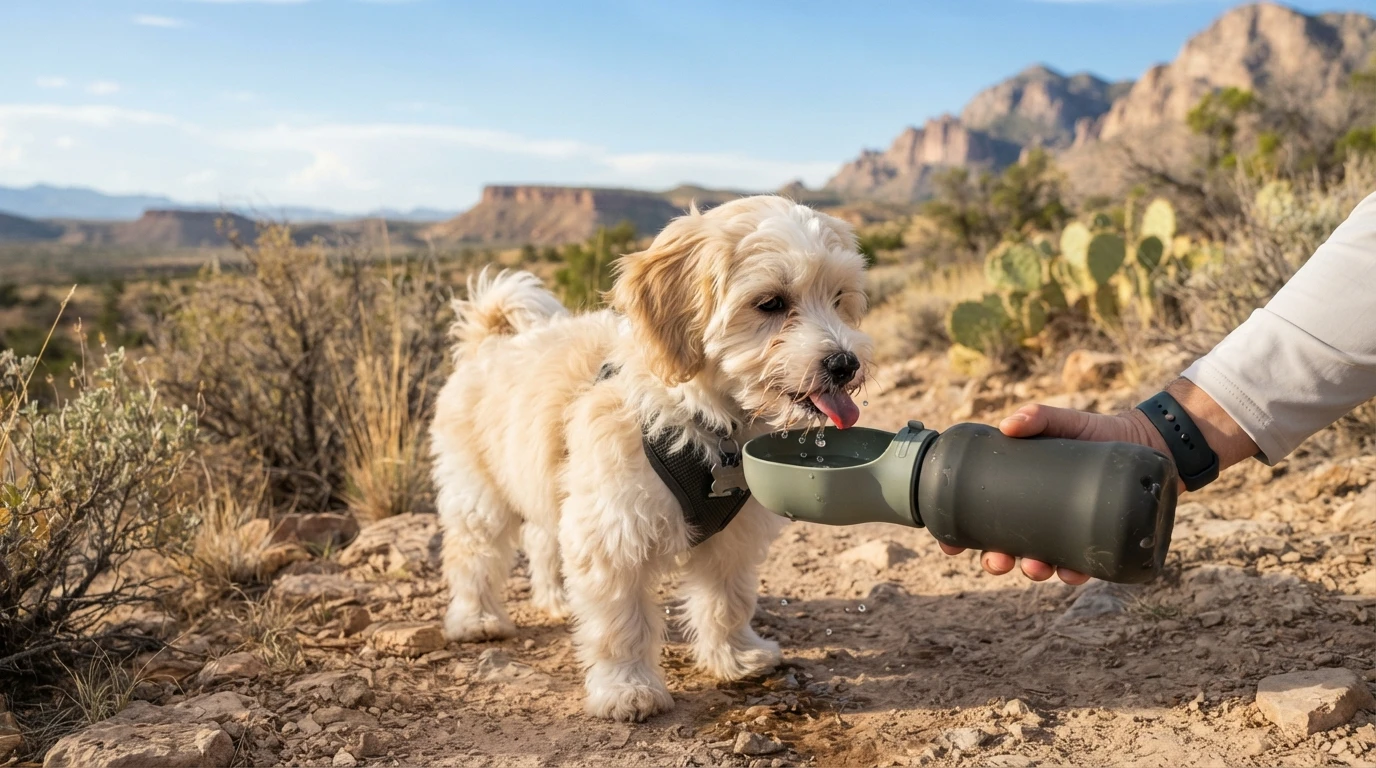
Introduce new experiences gradually and pair them with something positive. Your puppy might hear a vacuum from another room, walk across grass and gravel, watch people wearing hats, ride calmly in the car, meet a friendly visitor, or practice gentle handling of paws, ears, and mouth.
Quality matters more than quantity. Socialization should not mean forcing your puppy into overwhelming situations. Watch body language, create distance when needed, and allow your puppy to observe before participating. A calm, successful experience is more valuable than several stressful encounters.
Socialization and vaccination safety: Follow your veterinarian’s recommendations for safe public exposure while your puppy completes their vaccination schedule. Controlled visits, clean environments, familiar healthy dogs, and carried observation can provide learning opportunities without unnecessary risk.
Create a safe and comfortable environment
Management prevents avoidable problems
A curious puppy explores with their nose and mouth, so preparation is essential. Tuck away electrical cords, medications, cleaning supplies, food wrappers, children’s toys, small objects, and anything that could become a choking or chewing hazard. Confirm that indoor and outdoor plants are safe for pets.
Use gates, doors, pens, and closed storage to limit access until your puppy has developed better habits. This is not a shortcut around training; it is a practical way to prevent your puppy from rehearsing unsafe behaviors while you teach appropriate alternatives.
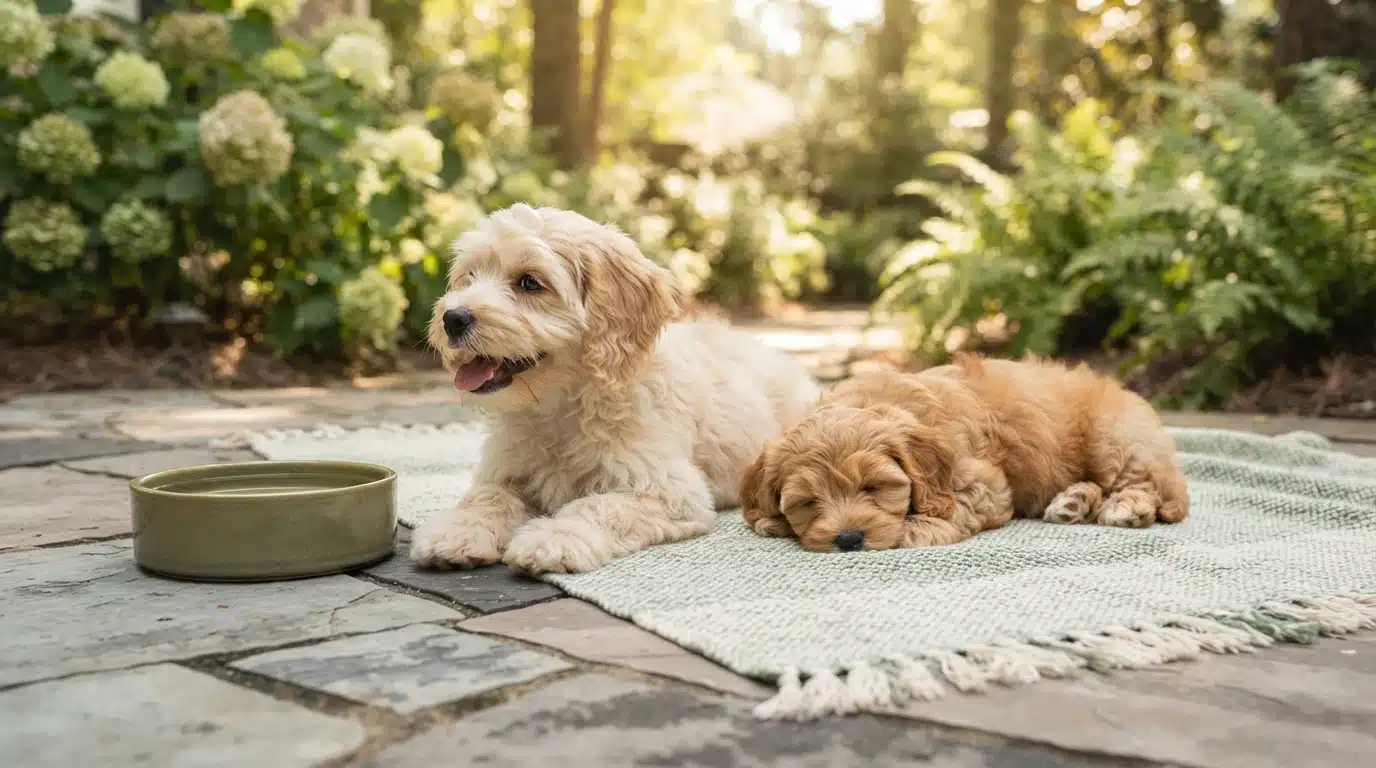
Your puppy also needs a quiet place to rest. A properly introduced crate, pen, or comfortable bed can become a secure retreat. Keep this area calm and positive, and teach children and visitors to let the puppy rest without interruption.
Puppy-proofing checklist
- Move cords, shoes, trash, chemicals, and medications out of reach.
- Block stairs, balconies, pools, and unsecured outdoor areas.
- Provide several safe chewing options with different textures.
- Keep identification, contact information, and secure containment current.
- Use the crate or pen as a calm resting space, never as punishment.
Support rest, healthy development, and preventive care
A growing puppy needs balance
Puppies need generous opportunities to sleep and recover. An overtired puppy may become mouthy, frantic, vocal, or unable to focus. When behavior suddenly deteriorates, the solution may be a potty break followed by quiet rest rather than more activity.
Choose short, age-appropriate play sessions and avoid pushing your puppy through excessive exercise, repetitive jumping, or activities that are too demanding for a developing body. Mental enrichment—such as sniffing, food puzzles, gentle training, and exploring a safe new surface—can be just as valuable as physical exercise.
Arrange a veterinary examination soon after your puppy comes home and follow your veterinarian’s individualized recommendations for vaccinations, parasite prevention, nutrition, grooming, dental care, and spay or neuter timing. Contact your veterinarian promptly when you notice a significant change in appetite, energy, breathing, elimination, movement, or behavior.
Healthy development priorities
- Build regular naps and quiet periods into the daily routine.
- Use short play sessions with frequent breaks.
- Choose food and portions with veterinary guidance.
- Practice calm grooming and handling before it becomes urgent.
- Keep veterinary, vaccination, and identification records organized.
Simple Daily Rhythm
A flexible first-week puppy routine
Your exact timing will depend on your puppy’s age, household, and veterinary guidance. Use this sequence as a repeatable rhythm rather than a rigid clock-based schedule.
| Part of day | Suggested sequence | Primary goal |
|---|---|---|
| Morning | Potty break, breakfast, another potty trip, brief play or training, then rest | Start with predictable success |
| Midday | Potty break, calm exploration, handling practice, meal if age-appropriate, then nap | Build confidence without overstimulation |
| Afternoon | Potty break, short training session, supervised play, safe chewing, then rest | Practice skills in small doses |
| Evening | Meal, potty break, family time, low-key enrichment, final active play period | Meet needs before settling down |
| Bedtime | Quiet transition, final potty trip, familiar sleeping area, minimal excitement | Create a calm and repeatable sleep cue |
Frequently Asked Questions
New puppy questions from families
How long does it take a new puppy to adjust?
Adjustment varies by puppy. Many puppies show progress over the first several days and weeks, but sleeping, potty habits, confidence, and household manners continue developing over time. Keep the environment predictable and avoid expecting too much too quickly.
How often should I train my puppy?
Use several short sessions throughout the day rather than one long lesson. Training can be woven into meals, doorways, greetings, play, grooming, and potty trips so useful behaviors become part of daily life.
What should I do when my puppy bites or mouths?
Stay calm, redirect your puppy to an appropriate chew or toy, and pause interaction when play becomes too intense. Make sure your puppy has had a potty break, food as appropriate, mental enrichment, and enough rest. Persistent or escalating behavior may benefit from professional guidance.
Can my puppy socialize before all vaccinations are complete?
Social learning can begin at home and in controlled environments, but disease risk varies by location and activity. Ask your veterinarian which exposures are appropriate for your puppy and local conditions.
Should I use a crate for my new puppy?
A thoughtfully introduced crate can support safe rest, travel, household management, and potty training. Build positive associations gradually, provide appropriate breaks, and never use the crate as punishment.
Wisely Bred. Beautifully Loved.
Preparing early makes bringing your puppy home easier
Learn how Sage Puppies supports families before go-home day, explore our early-development approach, or begin your application for a Havanese, Havapoo, or Cavapoo puppy.