Puppy Delivery • Home Preparation
Preparing your home before your delivered puppy arrives helps go-home day feel calmer, safer, and more organized. Sage Puppies is based in South Jordan, Utah, and many of our Havanese, Havapoo, and Cavapoo puppies join families outside Utah through coordinated delivery. This guide walks you through the crate, potty area, food setup, quiet space, supplies, family rules, and first-night plan to prepare before your puppy comes home.

Delivered puppy home prep at a glance
A delivered puppy does best when the home is ready before arrival day. The goal is not to buy every puppy product available. The goal is to create a simple, safe, predictable setup where your puppy can eat, sleep, potty, rest, and begin bonding with your family.
| Prep area | What to set up | Why it matters |
|---|---|---|
| Crate or pen | A safe sleep and rest space in a calm area of the home. | Helps your puppy decompress, nap, and learn the first routine. |
| Potty plan | A chosen potty area, cleanup supplies, and a first-week schedule. | Consistency makes the transition easier and reduces confusion. |
| Food and water | Bowls, feeding area, and the food plan you were given. | Sudden changes can upset a puppy’s routine and stomach. |
| Quiet space | A low-traffic area away from constant noise and handling. | Delivery day is a big transition, and puppies need rest. |
| Family rules | Clear expectations for children, guests, doors, stairs, and handling. | Everyone should know how to keep the puppy safe from day one. |
Start with one calm puppy zone
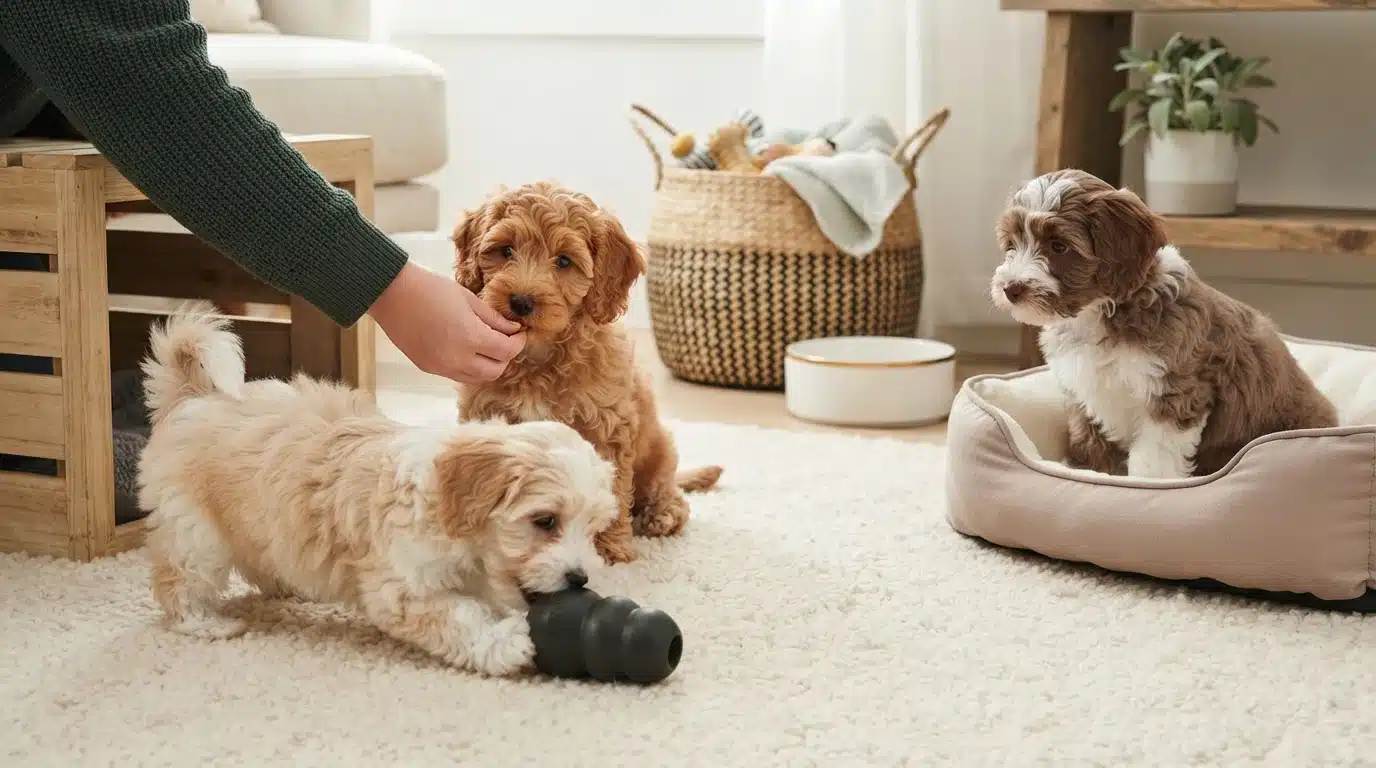
Before your puppy arrives, choose one main puppy zone. This should be a safe, easy-to-supervise space where your puppy can rest, eat, nap, and begin learning the routine. A kitchen corner, family room area, bedroom corner, or quiet main-level space can work well depending on your home.
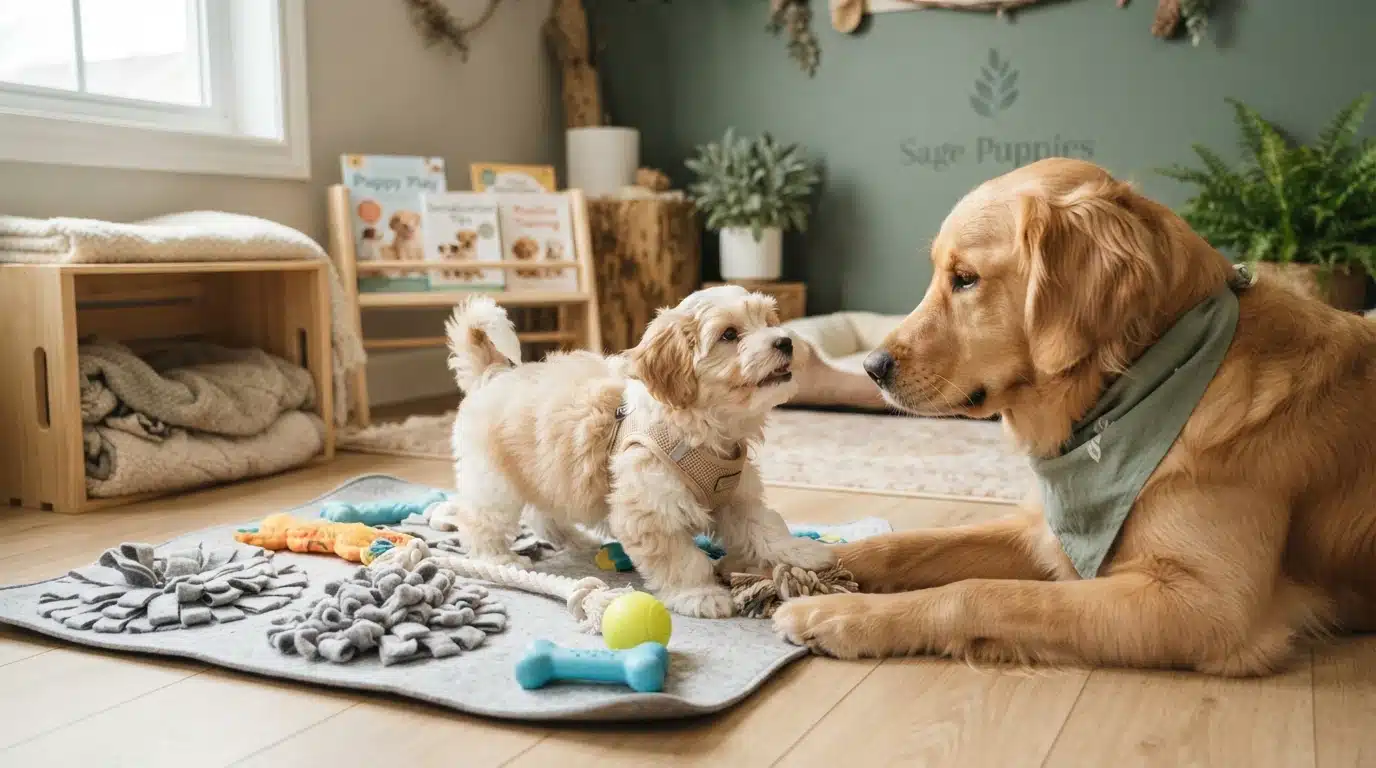
Keep the space simple. A crate or pen, water bowl, washable bedding, a few safe toys, and nearby cleanup supplies are usually more useful than a large area with too many choices. Young puppies feel more secure when the environment is predictable.
A good puppy zone should be:
- Easy to supervise: Choose a place where you can keep an eye on your puppy without constant chasing.
- Quiet enough for naps: Avoid the busiest doorway or loudest room in the house.
- Close to the potty route: Make trips outside or to the chosen potty area as simple as possible.
- Safe from hazards: Remove cords, small objects, shoes, plants, medications, and anything chewable or dangerous.
- Easy to clean: Washable floors or washable mats make the first week easier.
Set up the crate or puppy pen before arrival
Your puppy’s crate or pen should be ready before delivery day. A crate is not a punishment space. It is a safe sleeping and resting area that helps your puppy learn routine, boundaries, and calm downtime.
Place the crate somewhere close enough for reassurance but not in the middle of constant activity. For the first night, many families prefer the crate near a bedroom or in a quiet area where the puppy can hear that people are nearby.
Crate setup checklist
- Choose a crate sized appropriately for a small puppy.
- Add simple, washable bedding or a soft towel.
- Avoid loose strings, unsafe toys, or anything the puppy could chew apart unsupervised.
- Keep the crate away from drafts, direct heat, and heavy foot traffic.
- Place cleanup supplies nearby for the first few nights.
- Decide who will handle nighttime potty trips before bedtime arrives.

Prepare your potty plan
Potty training starts the moment your puppy arrives. Before delivery day, decide where your puppy will go, how you will get there quickly, and who is responsible for the first few trips.
Young puppies need frequent potty opportunities. Take your puppy to the chosen potty area after arrival, after naps, after meals, after play, and before bedtime. Keep the routine calm and consistent. Praise success without turning every potty trip into a long play session.
Potty supplies to have ready
- Paper towels or washable cleaning cloths.
- Pet-safe enzymatic cleaner.
- Small trash bags.
- A leash or harness for controlled outdoor potty trips.
- Puppy pads only if they are part of your chosen plan.
- A door routine so your puppy does not dart outside unexpectedly.
If your puppy will be using an outdoor potty area, avoid high-traffic public dog spaces until your veterinarian confirms your puppy’s vaccine plan. Your own yard or a clean, controlled area is usually a better starting point than dog parks, apartment dog runs, or busy shared grass areas.
Create a food and water station
Set up your puppy’s food and water station before arrival day. Choose a consistent location that is easy to clean and close enough for supervision. Keep meals simple and follow the feeding guidance provided with your puppy.
Avoid sudden food changes during the first few days unless your veterinarian gives different advice. Delivery day is already a major transition. Keeping food, schedule, and routines steady can help your puppy adjust more comfortably.
Food station essentials
- Two small bowls: one for food and one for water.
- A washable mat under the bowls.
- The food plan provided for your puppy.
- A simple feeding schedule for the first week.
- A place to store food safely away from curious puppies and children.
Puppy-proof the main rooms
Puppies explore with their mouths, paws, and curiosity. Before your delivered puppy arrives, walk through the rooms your puppy may access and look at them from puppy level. Anything loose, dangling, sharp, toxic, fragile, or chewable should be moved.
Common puppy-proofing targets
- Electrical cords: Move cords out of reach or protect them safely.
- Shoes and laundry: Keep closets, hampers, and mudrooms closed.
- Plants: Remove plants from puppy-accessible areas unless you know they are safe.
- Small objects: Pick up toys, hair ties, coins, craft supplies, and anything swallowable.
- Cleaning products: Store cleaners, detergents, and chemicals securely.
- Stairs: Use gates or supervision until your puppy is ready.
- Trash cans: Choose covered cans or keep trash behind closed doors.
Decide the first-night plan now
The first night with a delivered puppy can be sweet, noisy, sleepy, or a little of everything. Your puppy is adjusting to new people, smells, sounds, routines, and sleeping arrangements. That is normal.
Before bedtime, decide where the puppy will sleep, who will handle potty trips, what time bedtime starts, and how you will respond if the puppy whines. A consistent plan is better than making decisions at midnight while everyone is tired.
First-night tips
- Keep the evening quiet and simple.
- Take your puppy to potty before bedtime.
- Use the crate or sleep area you prepared.
- Keep nighttime potty trips boring and calm.
- Avoid turning the first night into playtime.
- Expect some adjustment and stay patient.
Prepare children and guests
Children can be wonderful with puppies when the expectations are clear. Before your puppy arrives, explain that the puppy is a baby animal who needs gentle handling, rest, and quiet time. Excitement is normal, but too much handling can overwhelm a puppy quickly.
Family rules to set before delivery day
- Everyone sits down before holding the puppy.
- No picking up the puppy without adult permission.
- No chasing, grabbing, or waking the puppy from sleep.
- No feeding treats or table food without permission.
- Doors and gates stay closed.
- Visitors wait until the puppy has had time to settle.
It is better to delay visitors than to overwhelm your puppy on day one. The first 24 hours should focus on bonding, potty rhythm, food, water, rest, and safety.

Get your delivery-day handoff area ready
When your puppy is delivered, make the handoff simple. Choose a calm place to meet, keep your phone nearby, and avoid turning the moment into a large gathering. Your puppy may be tired from travel and should transition gently into your home.
Delivery-day setup
- Keep your phone charged and nearby.
- Confirm who will be home for the handoff.
- Have water ready.
- Take your puppy to the potty area soon after arrival.
- Keep other pets separated at first unless you have a safe introduction plan.
- Save big introductions for later.
If your family is still deciding between delivery and pickup, review our puppy delivery and pickup information before finalizing plans.
Prepare for other pets in the home
If you already have a dog or cat, do not rush introductions. Your new puppy should have a safe space and your current pets should keep their normal routines as much as possible.
Start with separation, scent awareness, and controlled introductions. Keep early meetings brief and calm. Supervise closely and avoid letting an older pet feel cornered or overwhelmed by puppy energy.
Multi-pet home tips
- Set up the puppy zone before arrival.
- Keep food, chews, and toys separate at first.
- Do not force face-to-face introductions immediately.
- Use gates, crates, or pens for safe separation.
- Give existing pets individual attention and routine.
- Ask your veterinarian or trainer for help if you are unsure about introductions.
Know your first veterinary step
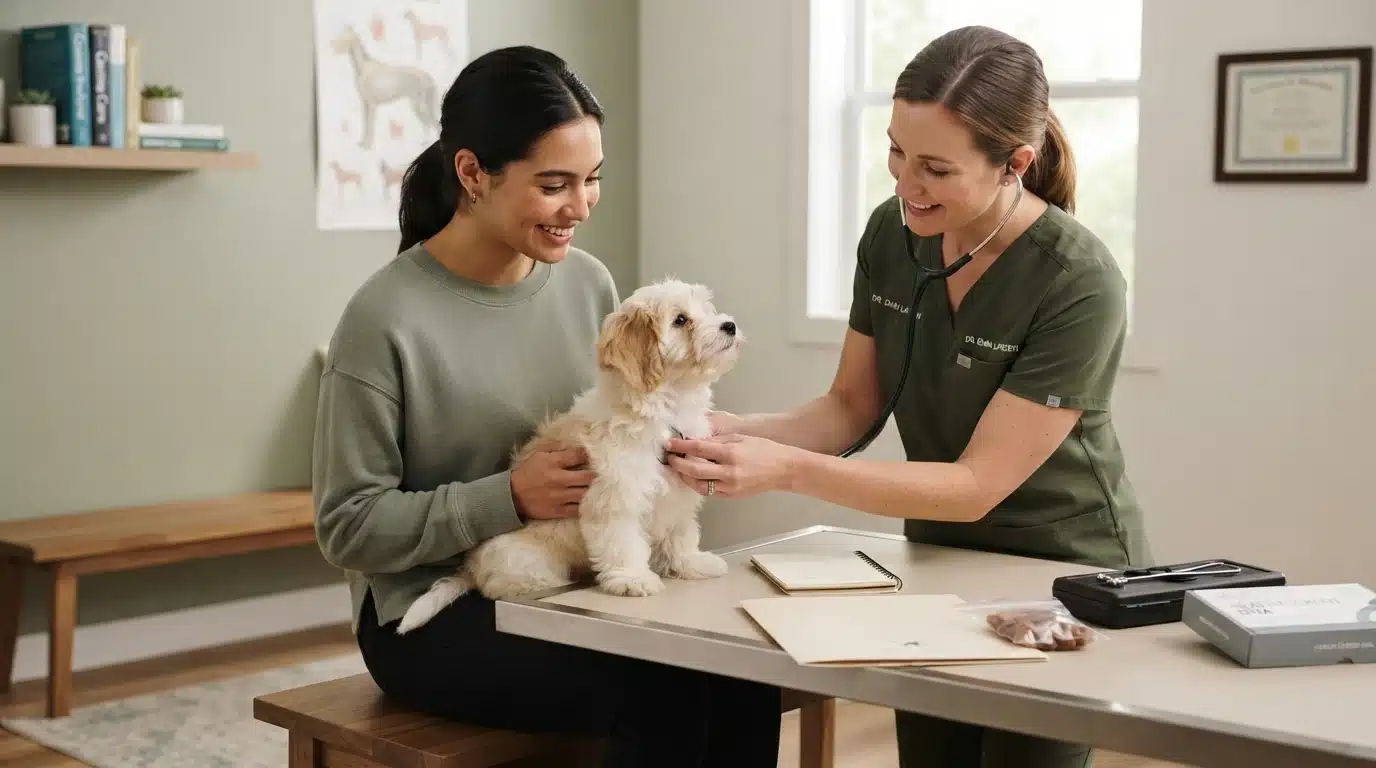
Before your puppy arrives, choose your veterinarian and ask when they recommend the first visit after arrival. Your vet can help confirm the next steps for vaccines, parasite prevention, feeding, growth, and routine care.
Keep any puppy records, care notes, and questions in one place so you can bring them to your appointment. If something seems urgent after arrival, contact your veterinarian promptly.
Breed notes for home preparation
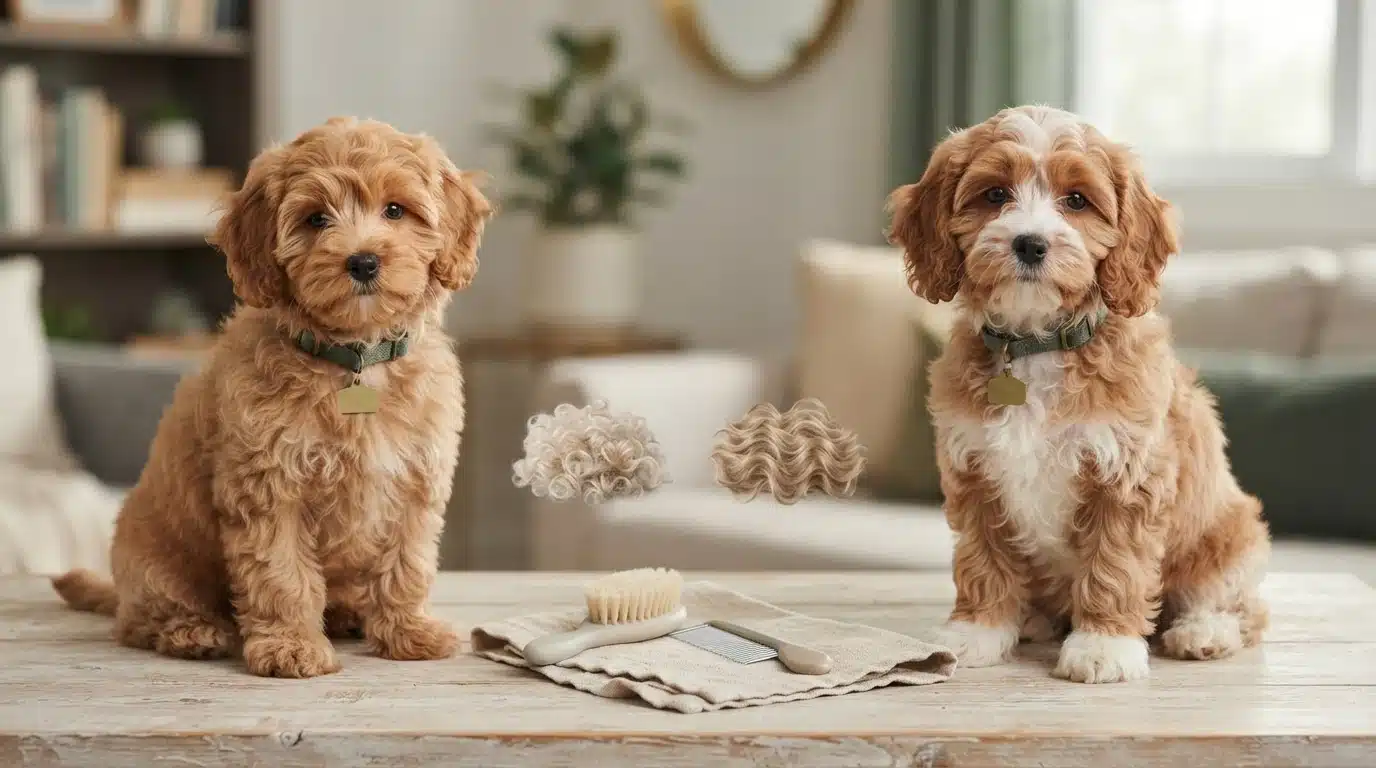
Sage Puppies focuses on Havanese, Havapoo, and Cavapoo puppies. All three are small companion breeds, but each family should prepare based on the puppy’s temperament, coat needs, activity level, and expected routine.
Havanese puppies
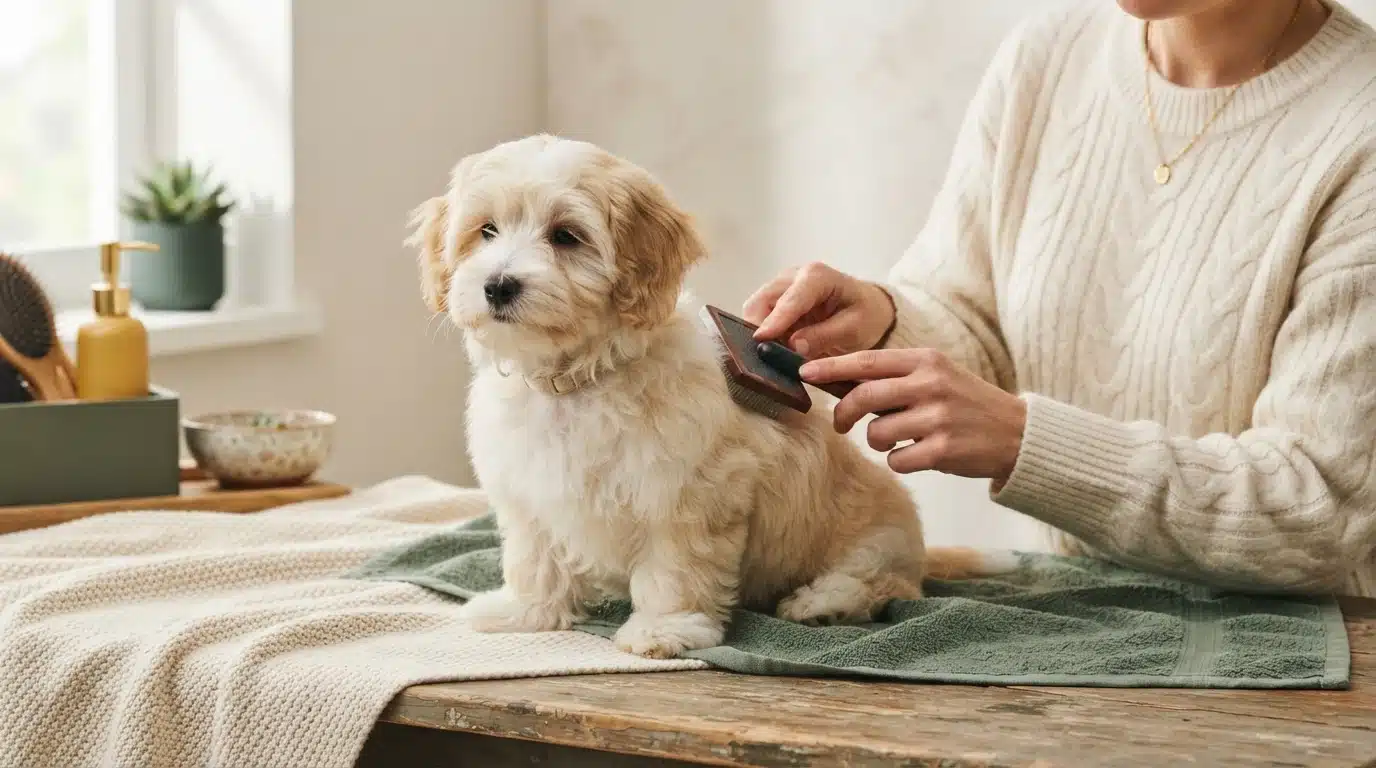
Havanese puppies are often affectionate, cheerful, and people-focused. Prepare for close companionship, gentle handling, regular grooming, and a consistent home rhythm.
Havapoo puppies
Havapoo puppies are often bright, social, and responsive to routine. Prepare for early training, mental engagement, coat care, and calm structure from the first week.
Cavapoo puppies
Cavapoo puppies are often gentle, affectionate, and family-focused. Prepare a quiet first evening, simple potty routine, soft handling, and plenty of rest.
What not to do before your puppy arrives
Good preparation does not mean overcomplicating the first week. Keep the setup simple and avoid adding too much pressure on arrival day.
- Do not host a big welcome party: Your puppy needs rest and a calm transition.
- Do not buy too many toys at once: A few safe, supervised options are enough to start.
- Do not allow free access to the whole house: Start with a smaller, safer area.
- Do not change food suddenly: Follow the provided guidance and ask your vet if you need to transition.
- Do not expect instant potty training: Young puppies need consistency, supervision, and patience.
- Do not skip the family rules: Everyone should understand the plan before the puppy arrives.
Helpful next steps
- View current and upcoming available puppies.
- Submit the puppy application when you are ready.
- Review pricing and reservation details.
- Learn more about puppy delivery and pickup options.
- See how the Sage Puppies process works.
- Compare Havanese, Havapoo, and Cavapoo puppies.
Delivered puppy home prep FAQ
What should I set up before my delivered puppy arrives?
Set up a crate or puppy pen, food and water station, potty area, cleanup supplies, safe toys, washable bedding, and a quiet first-night space before your puppy arrives.
Where should my puppy sleep the first night?
Use a safe crate or prepared sleep area in a quiet location. Many families prefer keeping the crate close enough for reassurance during the first few nights while the puppy adjusts.
Should I invite guests over when my puppy arrives?
It is better to keep the first day quiet. Your puppy needs time to rest, learn the potty routine, drink water, bond with your household, and adjust before meeting extra visitors.
How soon should I start potty training?
Start immediately. Take your puppy to the chosen potty area after arrival, after naps, after meals, after play, and before bedtime. Keep the routine consistent and calm.
Should I change my puppy’s food right away?
Avoid sudden food changes during the first few days unless your veterinarian recommends otherwise. Follow the feeding guidance provided with your puppy and transition carefully if needed.
How do I introduce my delivered puppy to other pets?
Start slowly with separation, supervision, and short controlled introductions. Keep food, toys, and chews separate at first, and do not force immediate interaction.
When should I schedule the first vet visit?
Choose your veterinarian before your puppy arrives and ask when they recommend the first visit after arrival. Bring any records, care notes, and questions to that appointment.
Preparing for a Sage Puppies arrival?
A smooth delivery day starts with a clear puppy match, a prepared home, and a calm first-night plan. Review available puppies, compare our breed pages, then apply when you are ready to discuss fit, timing, delivery, or pickup.