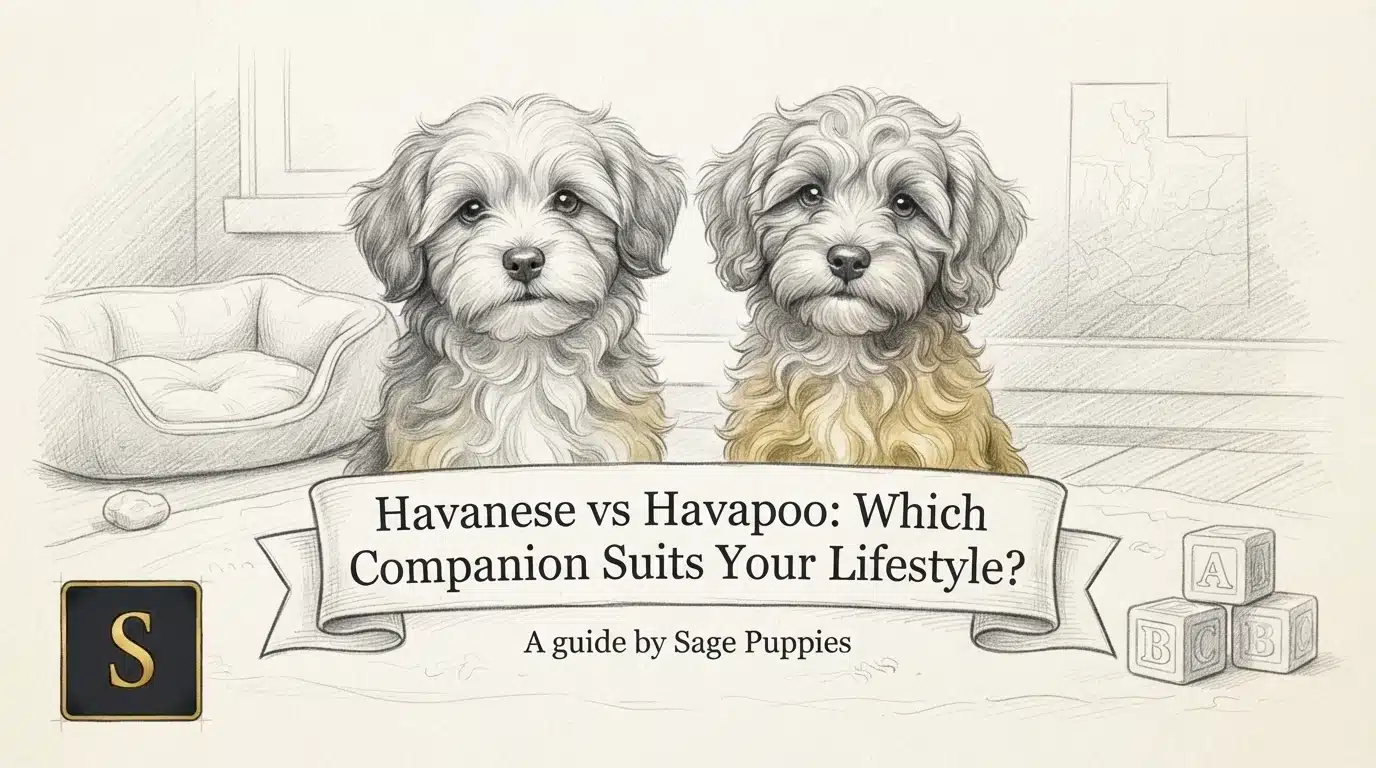
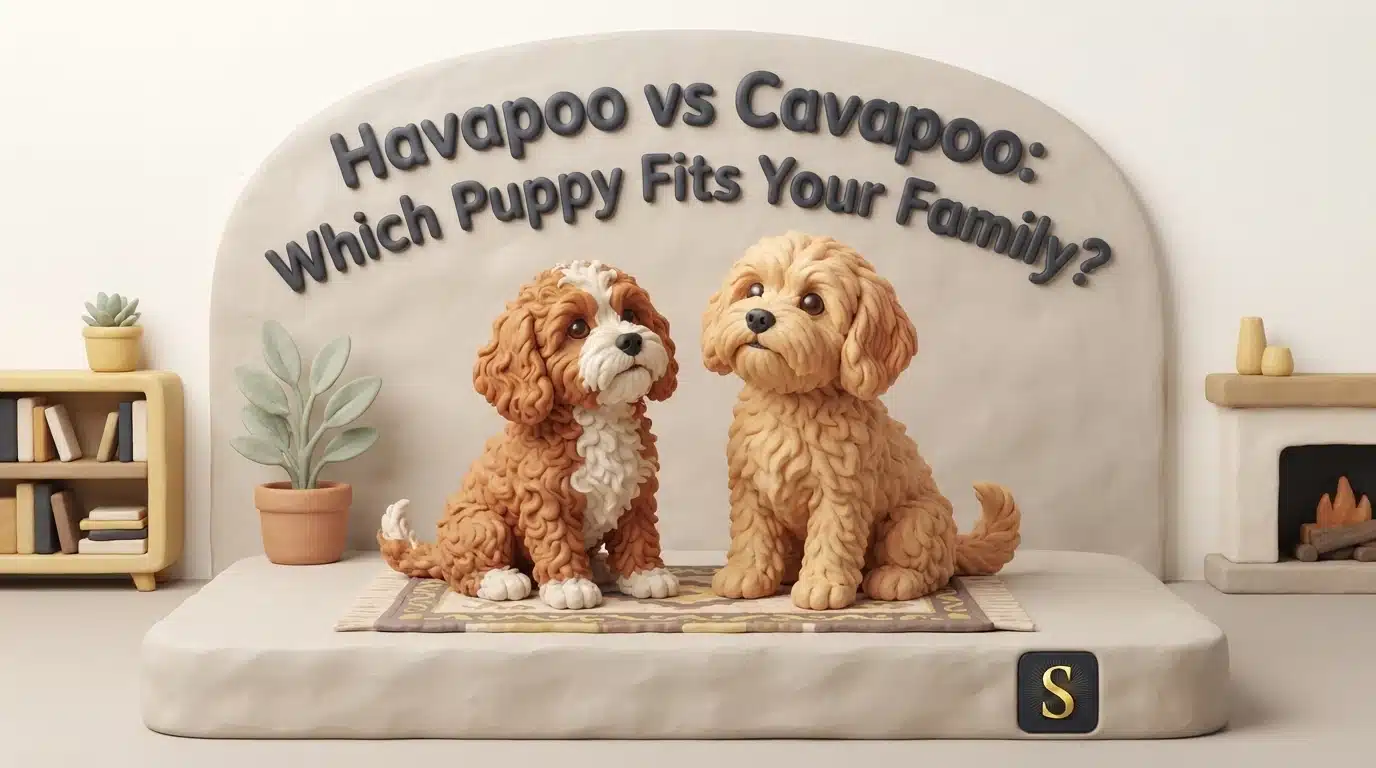
Havapoo vs Havanese: AKC Miniature & Toy Poodle Mix
Havapoo vs Havanese: AKC Miniature & Toy Poodle Mix introduces a clear, owner-centered roadmap for choosing between a celebrated heritage companion and its popular designer counterpart. This opening frames the Havanese as a purebred Cuban dog breed honored by the American Kennel Club, while the Havapoo blends that charm with Poodle versatility, offering families distinct options in size and weight, coat care, and daily companionship. Readers will discover how ancestral history, Toy Group heritage, and modern hybrid goals shape each dog’s behavior and suitability for apartments, active households, and first-time owners. Throughout the guide, side-by-side insights on appearance, temperament, and lifespan help set realistic expectations for grooming, training, and long-term care. Whether you value pedigree predictability or hybrid vigor with poodle DNA influence, this introduction prepares you to evaluate health screening, grooming demands, and family fit with confidence before meeting your next furry companion.
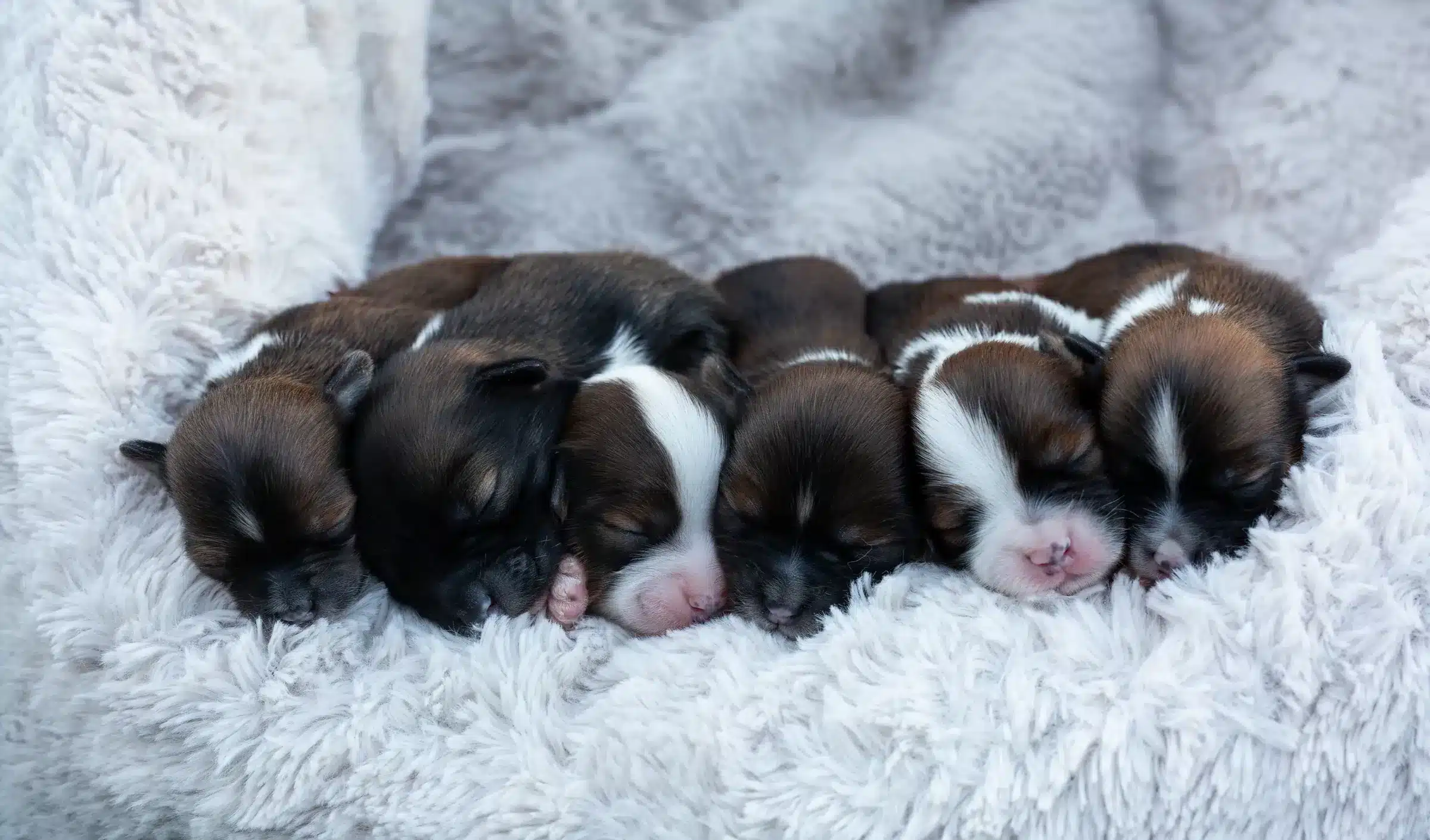
Havanese vs Havapoo Origins Unpacked: Ultimate Breed Comparison for First-Time Owners [2026 Edition]
Havanese vs Havapoo Origins Unpacked: Ultimate Breed Comparison for First-Time Owners [2026 Edition] opens by directly framing the decision between heritage and hybrid for modern families. This comparison centers on a purebred Cuban companion with centuries of lapdog refinement versus a crossbreed that blends that heritage with Poodle intelligence and low-shedding coat qualities. Understanding poodle DNA contributions helps explain variations in curl pattern, trainability, and allergy friendliness that distinguish the two options. First-time owners benefit from examining lifespan trends, where both options often reach 12 to 16 years with proper care, yet differ in predictability of adult traits. By unpacking ancestral history, recognition status, and intentional hybrid development, this section equips readers to evaluate long-term commitments beyond puppy photos, focusing on daily grooming time, social needs, and compatibility with children and other pets rather than fleeting trends or superficial similarities.
Decoding the Havana Silk Dog Roots: Essential Havanese overview for 2026 Families
Decoding the Havana Silk Dog Roots: Essential Havanese overview for 2026 Families begins with the breed's cultural identity as the Cuban dog breed celebrated for centuries as a household companion. Originally developed from Mediterranean companion dogs brought to the Caribbean, this breed evolved in isolation, developing a soft, insulating coat suited to tropical climates and close indoor living. Families researching today benefit from knowing this purebred background emphasizes consistent size and weight, predictable coat care routines, and a stable, affectionate demeanor refined over generations. The breed's recognition as the National Dog of Cuba highlights its deep national significance and the careful preservation of its friendly, non-aggressive profile. For modern owners, this overview connects historical companionship roles to current adaptability, noting moderate exercise needs, strong attachment, and ease of training when positive, reward-based methods are used consistently from puppyhood forward.
Why the Havana Silk Dog Legacy Shapes Today's Havanese overview [Toy Group Heritage]
Why the Havana Silk Dog Legacy Shapes Today's Havanese overview directly explains how historical lapdog function still defines modern companion expectations. This legacy traces to aristocratic homes in Havana Cuba where small, silky-coated dogs were prized for warmth, charm, and social presence, shaping a breed valued for closeness rather than working utility. Understanding this ancestral history helps first-time owners appreciate why the breed thrives on human interaction, adapts well to apartments, and seeks constant companionship. The American Kennel Club placement in the Toy Group reinforces this purpose, emphasizing elegance, portability, and people-focused behavior over guarding or herding instincts. For families evaluating options in 2026, recognizing how the Havana Silk Dog heritage influences grooming needs, trainability, and attachment style clarifies what daily life will look like and why early socialization and gentle handling remain essential for confidence and long-term wellbeing.
Unexpected Parallels: What Mink vs Fisher Cat Teaches About Misidentifying Small Pets
Unexpected Parallels: What Mink vs Fisher Cat Teaches About Misidentifying Small Pets addresses how superficial similarities can mislead new owners when evaluating small companion animals. Just as mink and fisher cats are confused due to size and fur texture despite vastly different behavior and care needs, small companion dogs are often mistakenly grouped by coat color or size alone. This section clarifies that appearance without context creates unrealistic expectations about energy, grooming, and sociability. Applied to breed comparison, visual resemblance does not equal identical needs; a silky-coated lapdog and a curly-coated hybrid may look alike in photos yet differ in exercise preferences, vocalization, and independence. Learning to distinguish structural traits, coat texture, and documented breed purpose prevents costly mismatches, encourages informed questions for breeders, and supports responsible adoption decisions grounded in lifestyle fit rather than fleeting aesthetic appeal alone.
Havanese vs Havapoo Origins Revealed: 5 Proven Facts Behind the Havana Cuba Story
Havanese vs Havapoo Origins Revealed: 5 Proven Facts Behind the Havana Cuba Story grounds the breed comparison in verified historical and genetic context rather than marketing myths. First, the Havanese developed as an isolated island companion, while the Havapoo is a deliberate crossbreed created decades later to combine companion traits with low-shedding qualities. Second, archival records tie the Havanese to Havana’s elite households, not to working kennels. Third, genetic studies confirm distinct lineage separation despite shared companion ancestry. Fourth, the hybrid’s appeal stems from combining two established companion lines for family-friendly versatility. Fifth, understanding these origins clarifies why one offers predictable heritage and the other offers blended variation, allowing families to choose between consistency and customized charm based on household rhythm, grooming commitment, and desired predictability in size and coat type.
Unexpected Parallels: What Mink vs Fisher Cat Teaches About Misidentifying Small Pets
Toy Group Recognition Milestones That Define the Modern Havanese trace how formal acknowledgment shaped breeding standards and owner expectations. After near extinction in the mid-20th century, dedicated fanciers in the United States rebuilt the population using a small founder pool, emphasizing health screening, correct silky coat texture, and cheerful disposition. Official recognition formalized guidelines for height, gait, and temperament, helping buyers identify well-bred puppies and avoid exaggerated features. These milestones also encouraged systematic screening for inherited conditions, including Progressive Retinal Atrophy, and promoted responsible stewardship through clubs and educational resources. For prospective owners, understanding this timeline explains why reputable breeders emphasize pedigree documentation, early ophthalmologic exams, and temperament testing, ensuring the playful yet gentle character that defines the modern companion remains consistent, healthy, and well-suited to family life, therapy work, and urban living environments today.
Scottish Deerhound vs Irish Wolfhound Lessons on How Breed Standards Evolve Over Time
Scottish Deerhound vs Irish Wolfhound Lessons on How Breed Standards Evolve Over Time illustrates how breed standards balance historical function with contemporary companion suitability. Both Scottish giants were once refined for coursing large game, with standards prioritizing speed, endurance, and substantial bone structure, yet modern interpretations emphasize sound movement and manageable temperament for show and pet homes. This evolution mirrors changes in smaller companion breeds, where initial emphasis on coat and presence gradually incorporated health, longevity, and sociability metrics. For owners comparing toy breeds and hybrids, the lesson is that standards are living documents that respond to veterinary research, owner feedback, and welfare priorities. Recognizing this dynamic helps buyers look beyond aesthetics to ask about health testing, lifespan expectations, and behavioral soundness, appreciating that thoughtful standard revisions protect both heritage and future wellbeing without sacrificing the distinctive elegance that attracts enthusiasts.
Is the Purebred Path Right for You? A Definitive Havanese overview Before You Decide
Is the Purebred Path Right for You? A Definitive Havanese overview Before You Decide evaluates whether predictable traits outweigh the appeal of hybrid variation. Choosing a purebred offers advantages for owners who prioritize documented ancestral history, breed-specific health screening, and breed club support networks that provide training and grooming guidance. This path typically ensures uniformity in size and weight, coat texture, and behavior, simplifying planning for housing restrictions and allergy management. However, it also requires commitment to regular coat care and attentive social enrichment to prevent separation distress. Prospective owners should audit their daily schedule, financial readiness for professional grooming, and desire for participation in conformation or companion events. By weighing consistency against flexibility, families can determine if the devoted, people-oriented nature and refined elegance of a heritage companion aligns with their long-term goals, or if a blended alternative might better suit evolving household dynamics.
How Purebred Pedigree Influences Havanese Temperament Consistency
How Purebred Pedigree Influences Havanese Temperament Consistency explains why generations of selective breeding produce reliable behavioral patterns valued by first-time owners. A purebred lineage allows breeders to track temperament across multiple generations, selecting for sociability, low aggression, and willingness to engage in training. This consistency translates into predictable responses to children, strangers, and novel environments, reducing uncertainty for families with specific needs such as apartment living or therapy visitation. Pedigree analysis also helps identify lines with lower anxiety and better adaptability to routine changes, which is crucial for owners with variable schedules. By reviewing parental temperaments, health clearances, and early socialization protocols, buyers gain insight into expected adult personality, exercise tolerance, and vocal tendencies, supporting a stable match that minimizes surprises and supports confident, well-adjusted development from puppyhood through senior years.
Toy Group Recognition Milestones That Define the Modern Havanese
Mink vs Fisher Cat Confusion: Avoiding Costly Mistakes When Choosing a Companion reinforces the importance of accurate identification before committing to a living animal. Just as misidentifying wild mustelids can lead to illegal ownership attempts and inappropriate care, confusing similarly named small dogs can result in mismatched energy levels and grooming demands. This section encourages buyers to verify parentage, ask for clear documentation of health testing, and observe puppy behavior firsthand rather than relying on photos alone. Common pitfalls include assuming hypoallergenic status without understanding coat variation, expecting identical trainability across litters, and underestimating social needs. By applying a careful verification checklist, including breeder transparency, veterinary references, and realistic lifestyle assessment, families avoid costly rehoming decisions and instead secure a companion whose needs align with available time, budget, and long-term living arrangements.
Visual Showdown: Stunning Havapoo appearance vs Timeless Havanese Elegance
Visual Showdown: Stunning Havapoo appearance vs Timeless Havanese Elegance introduces the head-to-head aesthetic evaluation that helps families visualize daily life with either option. This showdown highlights that one offers time-honored silky elegance with flowing waves ideal for owners who enjoy classic grooming rituals, while the other presents a plush, curl-infused charm that emphasizes low-shedding convenience and playful versatility. Both share compact, sturdy frames suitable for indoor living, yet differ in coat texture, color range, and trimming styles that affect maintenance time and overall look. By comparing grooming frequency, shedding levels, and styling flexibility side by side, prospective owners can match appearance preferences to practical commitments, recognizing that beauty is inseparable from upkeep. This visual framing ensures decisions reflect both photogenic appeal and the realities of brushing, bathing, and professional grooming budgets over a long, shared lifespan.
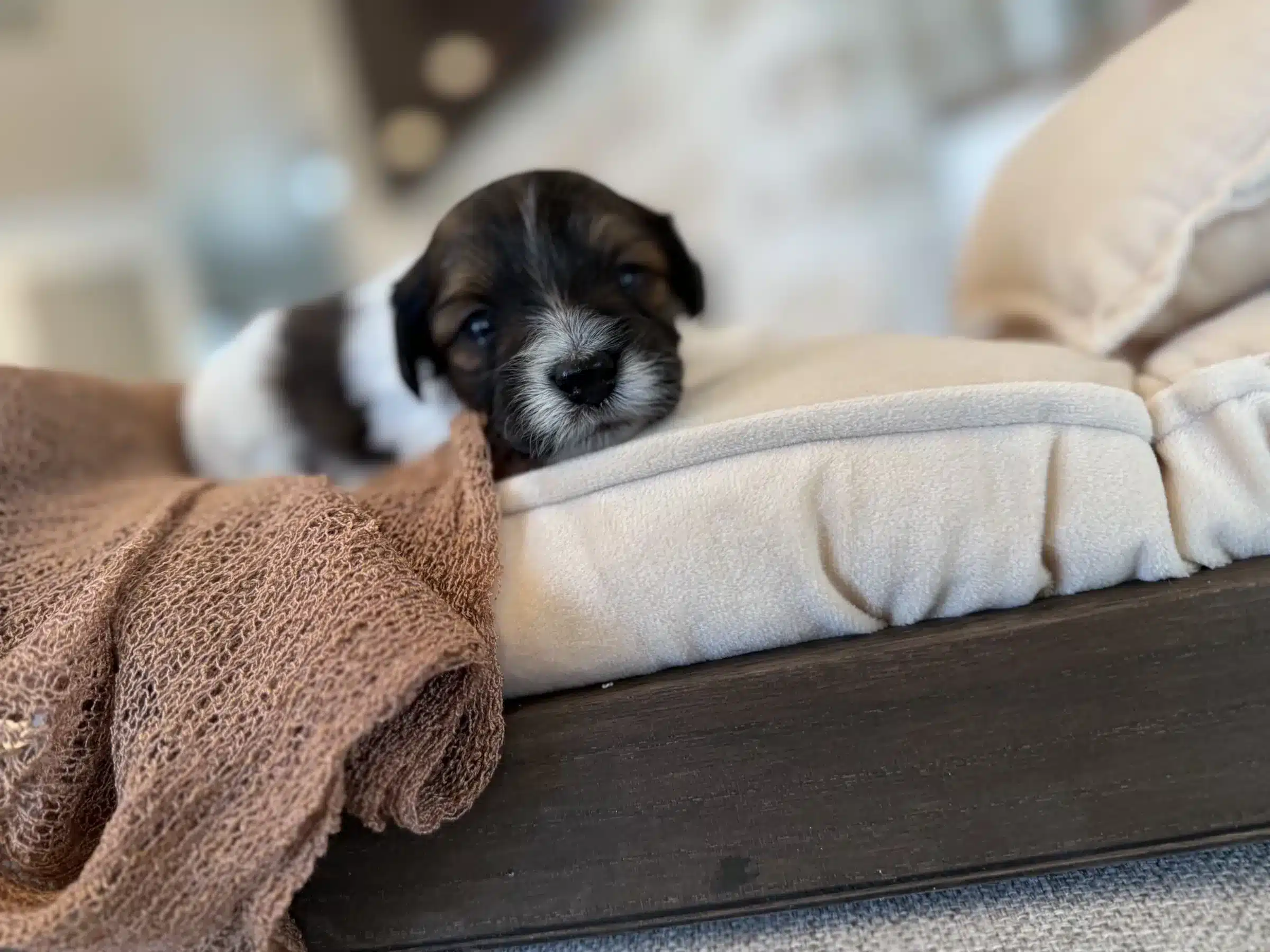
The Definitive Havanese Look: What Sets the Havana Silk Dog Apart in Any Breed Comparison
The Definitive Havanese Look: What Sets the Havana Silk Dog Apart in Any Breed Comparison focuses on distinguishing structural and aesthetic markers that signal breed type at a glance. The ideal silhouette is slightly longer than tall, with a level topline, moderate bone, and a plumed tail carried over the back, creating a merry, balanced outline. Eyes are large, dark, and expressive, conveying gentle alertness rather than sharp intensity, while drop ears framed with soft furnishings accentuate the sweet expression. Movement is springy and effortless, reflecting joyful temperament rather than exaggerated angulation. In a breed comparison, these details separate authentic type from generic small-dog appearance, guiding buyers to recognize correct proportions, appropriate size and weight ranging around seven to thirteen pounds, and the characteristic untrimmed yet tidy presentation that preserves natural charm while allowing practical pet trims for everyday family convenience and active play.
Unexpected Parallels: What Mink vs Fisher Cat Teaches About Misidentifying Small Pets
Silky, Wavy, Non-Shedding: 7 Signature Traits of a Classic Havanese Coat details the visual and tactile hallmarks that define breed elegance and influence daily maintenance. First, the coat is notably soft and silky rather than wiry, draping lightly over the frame. Second, a gentle wave rather than tight curl creates movement without dense matting at the roots. Third, minimal seasonal shedding supports cleaner homes when brushed regularly. Fourth, the double-layer structure provides light insulation while remaining breathable. Fifth, color diversity ranges from white and cream to chocolate and black, often with parti patterns. Sixth, the coat grows continuously, requiring routine trimming to maintain manageable length. Seventh, proper coat care involving line brushing and conditioning prevents tangles, reduces skin irritation, and preserves luster, ensuring the dog remains comfortable, photogenic, and ready for family activities without excessive loose hair around furnishings.
Scottish Deerhound vs Irish Wolfhound Coat Contrasts That Highlight Toy Breed Elegance
Scottish Deerhound vs Irish Wolfhound Coat Contrasts That Highlight Toy Breed Elegance uses giant breed comparisons to underscore refinement in small companions. The Scottish Deerhound exhibits a harsh, wiry outer coat designed to repel wind and brambles during coursing, while the Irish Wolfhound presents a rougher, shaggy texture that emphasizes rugged endurance over polish. Neither requires the silky drape or meticulous detangling central to toy companion presentation. By contrast, the toy companion’s fine, flowing coat prioritizes softness, shine, and hypoallergenic appeal, demanding gentle brushing tools, leave-in conditioners, and careful drying techniques after bathing. This contrast helps owners appreciate why grooming for elegance involves different products, handling, and frequency than grooming for weather resistance, clarifying expectations for time investment, professional grooming schedules, and the visual impact of a well-maintained, non-shedding coat in urban homes and family photographs.
Havapoo appearance Decoded: How Miniature & Toy Poodle Mix Creates Irresistible Charm
Havapoo appearance Decoded: How Miniature & Toy Poodle Mix Creates Irresistible Charm analyzes the blended aesthetic that makes this hybrid photogenic and family-friendly. Typically ranging slightly smaller than the parent companion breed, the mix inherits expressive round eyes, a compact muzzle, and a Teddy-bear face framed by soft curls or waves. Ear set and tail carriage often mirror the companion parent, while coat density reflects Poodle influence, producing a plush, huggable texture that photographs well and feels soft to touch. Size outcomes depend on whether the Poodle parent was Miniature or Toy, influencing height and bone substance without sacrificing sturdy, playful proportions. This decoded look helps shoppers anticipate grooming needs, recognize healthy conformation, and select a puppy whose adult appearance aligns with lifestyle preferences, whether seeking a slightly curlier, sportier look or a softer, wavier companion suitable for cuddling and apartment living.
Curly to Wavy Variations: How Poodle Genes Transform Havapoo appearance
Curly to Wavy Variations: How Poodle Genes Transform Havapoo appearance examines how Poodle heritage introduces texture diversity beyond the classic silky wave. When paired with a Miniature Poodle, offspring may exhibit tighter curls, denser undercoat, and enhanced low-shedding qualities, while a Toy Poodle influence often yields a softer wave and slightly smaller frame. These variations affect grooming frequency, as curlier coats require more frequent detangling to prevent matting near the skin, and wavier coats benefit from lighter brushing. Color possibilities expand as well, introducing apricot, phantom, and parti patterns common in Poodles. Understanding this genetic range helps families anticipate adult coat outcome, select appropriate brushes and shampoos, and set realistic expectations for allergy sensitivity and professional grooming costs, ensuring the chosen puppy’s look remains manageable and appealing through seasonal changes and growth stages.
Toy Group Recognition Milestones That Define the Modern Havanese
Mink vs Fisher Cat Fur Distinctions That Explain Hypoallergenic Myths clarifies how fur structure influences allergen retention and why no coat is universally allergy-proof. Mink fur is dense, short, and oily, trapping dander close to the skin, whereas fisher cat fur is coarser and more porous, shedding debris differently. Similarly, companion dogs vary in how tightly their coats hold dander and saliva proteins; low-shedding does not equal zero allergens, but reduced shedding can lower airborne particles with consistent bathing and brushing. This section debunks myths by explaining that hypoallergenic claims depend on individual sensitivity, grooming diligence, and home hygiene rather than a single breed label. Buyers learn to test personal reactions, invest in air filtration, and maintain regular coat care schedules, approaching allergy management as a holistic routine rather than relying solely on coat type for relief from symptoms.
Personality & Heart: Havanese temperament and Havapoo temperament Face-Off
Personality & Heart: Havanese temperament and Havapoo temperament Face-Off introduces the emotional core of the breed comparison, focusing on how affection, sensitivity, and sociability shape everyday companionship. This face-off examines the warm, velcro-like devotion traditionally associated with the heritage companion alongside the hybrid’s playful cleverness inherited from its Poodle lineage. Understanding temperament helps families predict responses to children, guests, apartment living, and alone time, which are pivotal for harmony. While both options are celebrated for people-focused behavior, nuances in confidence, adaptability, and need for mental stimulation influence training approaches and enrichment plans. By contrasting heart-driven loyalty with hybrid exuberance, this section prepares owners to align expectations with lifestyle, ensuring the chosen companion’s emotional needs, exercise preferences, and social style complement household rhythms, work schedules, and long-term caregiving commitments responsibly.
Havanese temperament Unleashed: 5 Heartwarming Traits Every Family Will Adore
Havanese temperament Unleashed: 5 Heartwarming Traits Every Family Will Adore introduces the core personality strengths that consistently earn high marks in family settings. First, sociability drives eager greetings and inclusive play with children and guests. Second, gentle patience supports calm interactions during handling, grooming, and cuddling. Third, playful curiosity fuels engaging games without hyperactive intensity, making indoor play rewarding. Fourth, keen intuition allows sensitivity to household emotions, offering comfort during stressful moments. Fifth, trainable eagerness ensures quick learning of house rules and entertaining tricks when positive reinforcement is applied. Together, these traits create a companion that integrates smoothly into varied routines, from quiet work-from-home days to active weekends, providing reliable affection, manageable energy, and a joyful presence that adapts to both apartments and single-family homes while remaining attentive, non-aggressive, and eager to please every family member.
Velcro Dog Devotion: Why Havanese temperament Wins Hearts in Apartments
Velcro Dog Devotion: Why Havanese temperament Wins Hearts in Apartments explains the attachment style that makes this companion ideal for close-quarters living. Velcro behavior refers to following family members from room to room, seeking lap time, and offering quiet alerts rather than persistent barking, which suits apartment noise guidelines. This devotion stems from centuries as a housed companion rather than an independent working dog, fostering sensitivity to human mood and eagerness to participate in daily routines. Apartment dwellers benefit from moderate energy that is satisfied with indoor play and short walks, combined with adaptability to elevator life and limited outdoor space. To keep this devotion balanced, owners should practice brief alone-time training, provide puzzle feeders for mental engagement, and establish consistent greeting rituals that prevent over-dependence while preserving the affectionate, attentive presence that defines apartment-friendly companionship.
Toy Group Recognition Milestones That Define the Modern Havanese
How to Nurture Social Confidence Without Over-Pampering Your Havanese offers practical guidance for building resilient, well-mannered sociability. This approach begins with early exposure to varied sounds, surfaces, and friendly people using short, positive sessions that pair novelty with treats and praise. Gradually increasing duration and complexity prevents overwhelm while teaching calm responses to doorbells, strollers, and other dogs. Avoiding over-pampering means encouraging independent problem solving through food puzzles and allowing brief, safe exploration without constant carrying, which builds self-reliance. Consistent boundaries, such as waiting politely for meals and practicing settle on a mat during family dinners, reinforce confidence without suppressing affection. When owners balance nurturing with gentle structure, the result is a friendly, adaptable companion that greets guests warmly, recovers quickly from startling events, and maintains composure during travel, vet visits, and urban outings with diverse stimuli.
Havanese vs Havapoo Origins Revealed: 5 Proven Facts Behind the Havana Cuba Story
Havapoo temperament Revealed: Is This Hybrid More Outgoing Than Its Parent? answers whether the blended companion exceeds its parent in sociability and boldness. This analysis finds that outgoingness often increases slightly due to Poodle confidence and curiosity, producing a dog that greets strangers with wagging enthusiasm and adapts quickly to new environments such as pet-friendly stores or parks. While the parent companion is affectionately people-oriented, the hybrid may exhibit extra spark during training, volunteering behaviors and enjoying novel challenges. Differences remain subtle and puppy-specific, influenced by early socialization, litter dynamics, and household engagement. Families seeking a slightly more extroverted, adventure-ready pet for frequent outings may prefer this profile, whereas those desiring a calmer lap presence may lean toward the heritage temperament. Observing puppy interactions, noting recovery after startling sounds, and discussing breeder observations help predict individual outgoingness accurately.
Toy Group Recognition Milestones That Define the Modern Havanese
Playful, Clever, People-Focused: Defining Havapoo temperament in 2026 captures the hybrid’s blended social intelligence and spirited engagement. Playfulness manifests in bouncy invitations to fetch, tug, and chase that remain suitable for small spaces, while cleverness reflects rapid problem solving, quick cue acquisition, and enthusiasm for trick training. People focus ensures strong bonding, attentiveness to owner direction, and comfort with family-centered activities, from couch time to café outings. In 2026, owners report that mental enrichment, such as scent games and rotating puzzle toys, effectively channels this clever energy and prevents boredom-related barking or chewing. Consistent short training sessions that mix obedience with fun challenges keep motivation high, while early socialization with diverse people and pets refines outgoing confidence, resulting in a cheerful, adaptable companion that thrives on interactive routines and positive, reward-based guidance throughout adolescence and adulthood.
Scottish Deerhound vs Irish Wolfhound Lessons on How Breed Standards Evolve Over Time
Scottish Deerhound vs Irish Wolfhound Temperament Clues for Understanding Hybrid Vigor uses giant sighthound contrasts to illustrate how blending lines can influence demeanor and resilience. The Scottish Deerhound is often described as more reserved and dignified indoors, while the Irish Wolfhound trends toward overtly sociable and patient, especially with families, despite shared coursing heritage. When lines with complementary strengths are thoughtfully combined, offspring may exhibit balanced confidence, improved stress tolerance, and versatile sociability, a concept often discussed as hybrid vigor. For small hybrids, this principle suggests that combining a gentle companion’s steadiness with a highly trainable partner’s alertness can produce an adaptable, people-oriented pet with robust engagement. Owners should still evaluate individual puppies, as variation remains, but understanding these broader temperament dynamics helps set realistic expectations for energy, sensitivity, and trainability across different home environments and experience levels.
Havanese vs Havapoo Personality Clash: Compelling Breed Comparison for Family Life
Havanese vs Havapoo Personality Clash: Compelling Breed Comparison for Family Life frames the final personality evaluation around household harmony and long-term compatibility. This clash is not adversarial but comparative, highlighting where each personality best fits diverse family structures, from young children to seniors. One profile offers steady, velvety affection with moderate play, excelling in calm, routine-driven homes that value lap companionship. The other brings extra spark, quick learning, and versatile play that suits active families who enjoy training games and frequent social outings. Both share low aggression, strong human bonding, and sensitivity to positive guidance, yet differ in boldness and energy bursts. By mapping daily schedules, noise tolerance, and activity preferences against these profiles, families can choose a companion whose social rhythm, trainability, and affection style align with realistic expectations, ensuring enduring satisfaction and mutual enjoyment across years of shared living.
Scottish Deerhound vs Irish Wolfhound Lessons on How Breed Standards Evolve Over Time
Side-by-Side: Havanese vs Havapoo Reactions to Kids, Strangers & Other Pets compares everyday social responses that matter most to families. With children, both options are typically gentle and playful, though the parent breed may prefer calm cuddling while the hybrid often initiates extra games, requiring supervision to ensure respectful play. With strangers, the heritage companion may observe briefly before warming up, offering polite alert barks, whereas the hybrid often approaches quickly with tail wagging due to added confidence. With other pets, both generally coexist well when introduced gradually, but the hybrid’s higher chase interest may need redirection around cats. Practical strategies include teaching children to invite play with toys rather than rough handling, rewarding calm greetings at the door, and conducting scent and visual introductions for multi-pet homes, ensuring positive associations that support harmonious, low-stress coexistence for all household members and visiting guests.
Havanese temperament vs Havapoo temperament: Which Companion Adapts Faster to City Life?
Havanese temperament vs Havapoo temperament: Which Companion Adapts Faster to City Life? evaluates adaptability where noise, elevators, and limited outdoor space define daily routines. Both companions adjust well, yet subtle differences emerge. The heritage temperament excels in quiet devotion, settling calmly in apartments and responding softly to hallway sounds, making it ideal for noise-sensitive buildings. The hybrid temperament often displays quicker curiosity toward urban stimuli, navigating crowded sidewalks and café patios with outgoing confidence, but may require additional training to curb excitement barking. City success hinges on early exposure to urban sights, desensitization to traffic and intercom sounds, and consistent leash manners for tight spaces. Owners who prioritize serene indoor presence may favor the heritage profile, while those seeking a spirited explorer for frequent outings may appreciate the hybrid’s boldness, with both thriving when provided predictable routines and enrichment.
Living Well Together: Havapoo care, Havapoo training & Havapoo health Masterclass
Living Well Together: Havapoo care, Havapoo training & Havapoo health Masterclass introduces the integrated approach to daily wellbeing for this charming hybrid companion. This masterclass unites grooming, nutrition, exercise, obedience, and preventive veterinary care into a cohesive routine that prevents common pitfalls and nurtures confident behavior. By aligning consistent training cues with predictable care schedules, owners reduce anxiety and build trust, enabling smoother vet visits, grooming appointments, and social outings. Health monitoring, including scheduled eye exams and joint assessments, complements at-home observations, while enrichment activities sustain mental sharpness inherited from intelligent parent lines. Whether navigating first weeks at home or refining long-term habits, this section provides a practical framework that balances affection with structure, ensuring the hybrid thrives as a well-mannered, healthy member of the household whose needs are met proactively rather than reactively throughout every life stage.
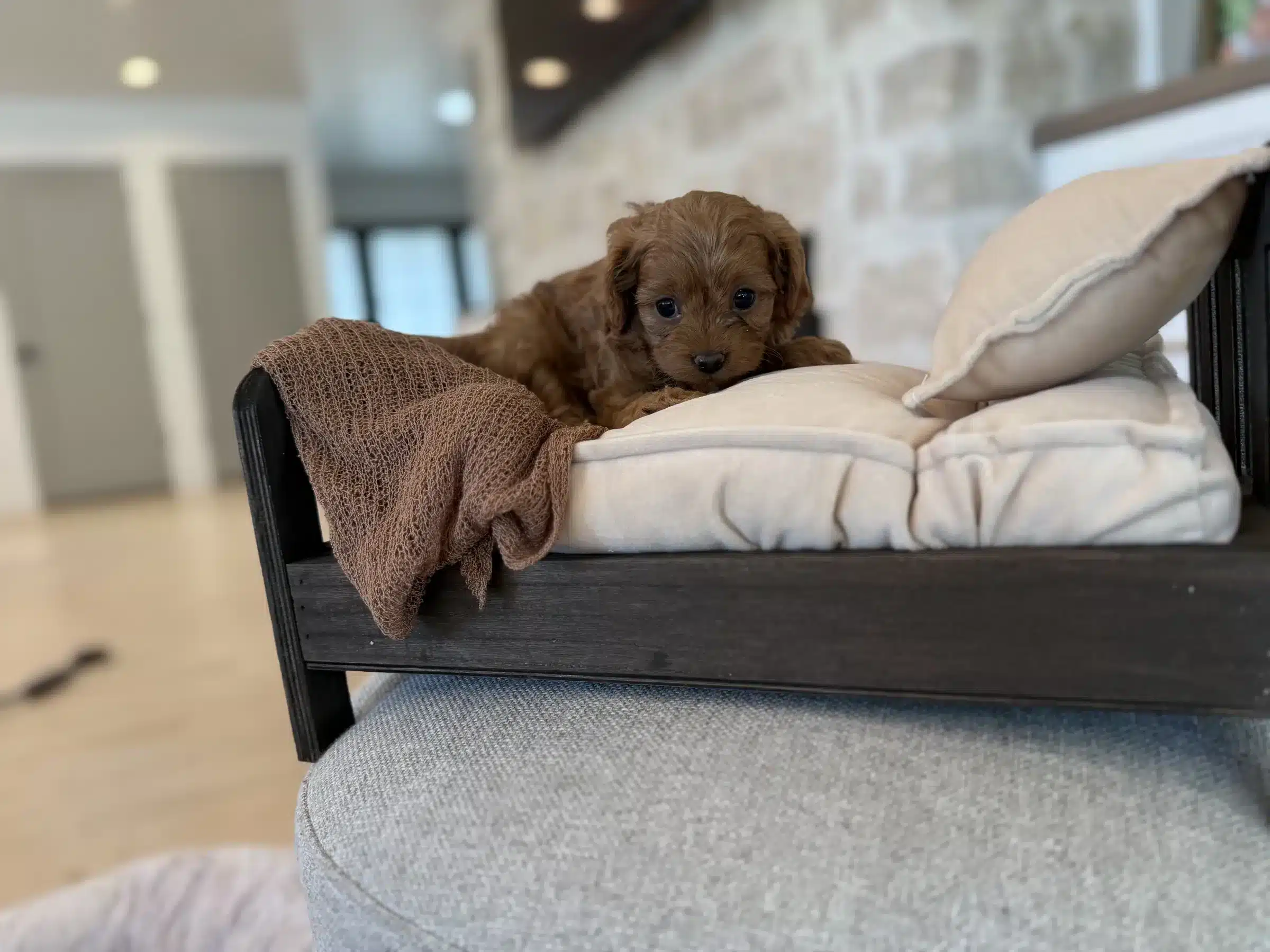
Havanese vs Havapoo Origins Revealed: 5 Proven Facts Behind the Havana Cuba Story
How to Master Havapoo training in 7 Days: Proven Techniques for Mini Poodle Mixes outlines a focused, humane schedule that builds reliable basics without overwhelming the hybrid’s sensitive, eager nature. Day one and two establish name recognition, sit, and reward timing using high-value treats in low-distraction rooms. Days three and four add leash manners, come when called, and place training, practicing brief sessions multiple times daily. Days five and six introduce door manners, leave it, and polite greetings with controlled guest rehearsals. Day seven consolidates progress through real-world rehearsals on short walks and calm settle exercises during family meals. Throughout, techniques emphasize positive reinforcement, consistent verbal markers, and management tools like gates and chew toys to prevent unwanted rehearsal. By tracking successes, keeping logs, and adjusting reward value, owners create momentum that carries beyond the first week into lasting, enjoyable cooperation.
Toy Group Recognition Milestones That Define the Modern Havanese
Positive Reinforcement Secrets That Unlock Rapid Havapoo training Success focuses on reward mechanics that accelerate learning while preserving the hybrid’s cheerful confidence. This method hinges on precise timing, marking desired actions with a consistent word or click within one second, followed by high-value treats, praise, or brief play. Short sessions of three to five minutes prevent fatigue and leverage the hybrid’s clever, people-focused drive. Secrets include varying rewards to sustain motivation, using luring sparingly to avoid dependence, and gradually adding distractions once basic cues are reliable indoors. Capturing calm behaviors, such as settling on a mat, teaches self-regulation alongside obedience. Troubleshooting emphasizes ending on success, keeping criteria clear, and avoiding punishment that can create anxiety. When owners maintain patience, consistency, and upbeat energy, cue acquisition and house manners typically improve noticeably within a single week of structured practice.
Scottish Deerhound vs Irish Wolfhound Lessons on How Breed Standards Evolve Over Time
Mink vs Fisher Cat Agility Myths: What Trainability Really Means for Small Dogs debunks assumptions that agility or instinct equals easy obedience for all small animals. Mink and fisher cats display impressive physical agility in the wild yet remain untrainable as household companions due to solitary, high-prey instincts. Similarly, a small dog’s nimbleness does not automatically translate to reliable recall or polite manners without structured learning. True trainability for small dogs combines food motivation, social attentiveness, and tolerance for repetition, all of which must be cultivated through incremental shaping and reward. This section teaches owners to separate athletic potential from behavioral reliability, emphasizing that consistent practice, environmental management, and clear communication build the cues, impulse control, and confidence necessary for safe urban walks, polite greetings, and adaptable family living beyond mere physical dexterity.
The Ultimate Havapoo care Checklist: Daily Habits for a Happy, Healthy Havapoo
The Ultimate Havapoo care Checklist: Daily Habits for a Happy, Healthy Havapoo translates essential wellness into a simple, repeatable routine that supports physical and emotional balance. Morning habits include a brief walk for elimination, fresh water, and a measured breakfast aligned with veterinary guidance to maintain ideal weight. Midday enrichment involves puzzle toys, short training rehearsals, and supervised social play that satisfies clever, people-focused energy without overexertion. Afternoon care covers quick coat checks, dental chewing options, and eye and ear inspections for debris. Evening routines feature a second walk, calm settle time, and gentle brushing to prevent overnight tangles. Weekly tasks add nail checks, ear cleaning as advised, and laundering bedding to reduce allergens. By embedding these habits into family calendars and using reminders, owners ensure consistent nutrition, exercise, and hygiene that sustain vitality and strengthen daily companionship bonds.
Scottish Deerhound vs Irish Wolfhound Lessons on How Breed Standards Evolve Over Time
Grooming, Brushing & Coat Care: Essential Havapoo care Routines That Prevent Matting provides actionable steps to keep blended coats healthy, tangle-free, and comfortable. Begin with line brushing every two to three days using a slicker brush and steel comb, working in small sections from skin outward to catch developing mats behind ears, under legs, and around the collar area. Follow with a light conditioning spray to reduce friction and static, never brushing a dry, dirty coat. Schedule bathing every three to four weeks with a gentle, moisturizing shampoo, ensuring thorough rinsing and complete blow-drying on low heat while brushing to prevent felting. Trim around eyes, paws, and sanitary areas monthly for hygiene and visibility, and schedule professional grooming every six to eight weeks for shape and length maintenance. These routines reduce skin irritation and preserve a soft, manageable texture year-round.
Scottish Deerhound vs Irish Wolfhound Grooming Demands Compared to Toy Hybrids
Scottish Deerhound vs Irish Wolfhound Grooming Demands Compared to Toy Hybrids contextualizes maintenance expectations across size categories. Both giant sighthounds require weekly brushing to manage harsh, wiry coats and seasonal shedding, with occasional hand-stripping to maintain texture, yet their grooming rarely involves intricate detangling near delicate skin folds. In contrast, toy hybrids demand more frequent, gentle attention due to softer, denser, low-shedding coats that mat quickly if neglected, especially in friction zones. While giants need space and strength for bathing, toy hybrids need precision, patience, and quality tools to prevent discomfort. This comparison helps owners allocate time realistically, invest in appropriate brushes and dryers, and appreciate that smaller stature does not equal lower grooming effort, guiding budgeting for professional services and establishing sustainable home routines that protect coat health without overwhelming busy schedules.
Havapoo health Essentials: 5 Revolutionary Ways to Extend Your Havapoo Lifespan
Havapoo health Essentials: 5 Revolutionary Ways to Extend Your Havapoo Lifespan presents forward-looking strategies that build on routine veterinary care to maximize longevity in 2026. First, personalized nutrition calibrated to activity and life stage supports lean body condition and joint health. Second, daily low-impact exercise combined with mental enrichment prevents obesity and cognitive decline. Third, preventive dental care, including brushing and professional cleanings, reduces systemic inflammation linked to organ strain. Fourth, genomic-informed screening and early ophthalmologic evaluations help detect predispositions before clinical signs emerge. Fifth, stress reduction through predictable routines, safe social exposure, and quality sleep environments bolsters immune resilience. Together, these essentials create a comprehensive wellness framework that empowers owners to extend healthy years, maintain playful vitality, and enjoy more shared milestones while minimizing avoidable health setbacks through consistent, evidence-based daily choices.
Common Allergies, Luxating Patella & Eye Issues: What Havapoo health Research Shows for 2026
Common Allergies, Luxating Patella & Eye Issues: What Havapoo health Research Shows for 2026 summarizes current veterinary insights into prevalent concerns and their management. Research indicates food and environmental allergies may manifest as itchy skin or ear irritation, often managed through elimination diets, omega fatty acid support, and environmental controls. Luxating patella, a kneecap slip common in small breeds, ranges from occasional skipping to persistent lameness, with weight management, joint-supportive exercise, and veterinary assessment guiding intervention decisions. Eye issues, including cataracts and progressive retinal changes, underscore the value of annual ophthalmologic exams and prompt evaluation of vision changes. For 2026, integrated care emphasizes early detection via wellness exams, targeted screening, and breeder transparency about parental health, enabling owners to implement preventive strategies that maintain mobility, comfort, and visual health while supporting an extended, active lifespan.
How Purebred Pedigree Influences Havanese Temperament Consistency
Vet-Approved Prevention Plan: How Proactive Havapoo health Monitoring Saves Thousands demonstrates how structured preventive care reduces emergency costs and improves outcomes. This plan schedules biannual wellness exams for early weight, dental, and joint assessments, plus annual bloodwork and eye checks to baseline normal values. Core vaccinations, parasite prevention, and dental cleanings as recommended prevent secondary infections that escalate expenses. At home, weekly body checks for lumps, skin redness, or gait changes allow early veterinary consultation before conditions advance. Maintaining pet health insurance or a dedicated savings fund, alongside detailed health records and adherence to recommended screenings, streamlines decision making during illness. Owners who follow this proactive monitoring approach report fewer urgent visits, better budget predictability, and longer periods of vibrant, playful companionship, turning small, consistent investments into significant long-term savings and peace of mind.
Advanced Havapoo Care Strategies: Insider Havapoo training & Wellness Tips
Advanced Havapoo Care Strategies: Insider Havapoo training & Wellness Tips elevates everyday routines into proactive strategies that sustain peak condition and behavioral finesse. This insider approach integrates periodized training plans that cycle between skill acquisition, maintenance, and enrichment to prevent plateaus, alongside wellness practices such as joint-friendly exercise, seasonal coat adjustments, and mindful stress management. Owners learn to read subtle body language, adjust challenges to maintain motivation, and use environmental enrichment like rotation of puzzle feeders and novel walking routes to keep engagement high. Wellness tips emphasize preventive screenings, dental hygiene, and balanced nutrition that align with training demands, ensuring energy and focus remain steady. By blending structured learning with holistic health habits, families create a resilient, well-adjusted companion prepared for travel, guests, and changing schedules while maintaining cheerful cooperation and vibrant, long-term vitality in any living environment today.
What Should Your Havapoo Eat? Vet-Backed Havapoo care Nutrition Guide [Updated 2026]
What Should Your Havapoo Eat? Vet-Backed Havapoo care Nutrition Guide [Updated 2026] answers nutrition questions with evidence-based recommendations tailored to small, active companions. This guide emphasizes complete and balanced diets formulated for small breed adults or all-life stages, featuring named animal proteins, moderate fat for energy, and fiber for digestive regularity. Ingredients rich in omega-3 and omega-6 fatty acids support skin barrier and coat luster, particularly important for low-shedding coats prone to dryness. Feeding schedules should align with exercise, offering meals after walks to encourage calm digestion, and fresh water must remain available throughout the day. For sensitive stomachs, limited-ingredient or gently cooked options may be considered under veterinary supervision. Regular weight checks, stool observation, and annual diet reviews ensure the plan evolves with age, activity, and health screening results, keeping mealtime both enjoyable and nutritionally sound for lasting wellness.
Scottish Deerhound vs Irish Wolfhound Lessons on How Breed Standards Evolve Over Time
Calorie Needs, Portion Control & Treat Limits for the Miniature Havapoo details precise feeding math that protects joint health and coat quality without overfeeding small frames. Most miniature hybrids weighing eight to fifteen pounds require roughly 200 to 400 calories daily, adjusted for age, neuter status, and activity level, with guidance from a veterinarian to fine-tune needs. Meals are best divided into two portions to stabilize energy and digestion, measured with a gram scale for accuracy rather than estimated scoops. Treats should remain under ten percent of daily calories, favoring small, soft rewards for training that do not unbalance nutrition. Monitoring body condition via rib feel and waist view helps catch gradual weight gain early, prompting portion adjustments. This disciplined approach prevents obesity-related strain on knees and supports sustained vitality, ensuring the companion remains agile, playful, and comfortable during walks, training, and family play sessions throughout the year.
Scottish Deerhound vs Irish Wolfhound Feeding Scales That Put Toy Breed Diets in Perspective
Scottish Deerhound vs Irish Wolfhound Feeding Scales That Put Toy Breed Diets in Perspective contrasts giant breed consumption with toy breed precision to highlight proportional care. A Scottish Deerhound or Irish Wolfhound may consume six to ten cups of high-quality kibble daily, reflecting massive caloric demands for growth and maintenance, with feeding managed in large, elevated bowls and monitored for bloat risk. By contrast, a toy hybrid thrives on a fraction of that amount, where even a tablespoon of extra food represents a significant caloric surplus. This scale difference emphasizes why measuring tools, low-calorie training treats, and careful table scrap avoidance matter disproportionately for small dogs. Owners learn that nutrient density, not volume, drives health, and that consistent weighing, rather than free-feeding, preserves ideal condition, supports dental health through appropriate kibble texture, and keeps long-term veterinary costs predictable across the dog’s lifespan.
Havapoo training Beyond Basics: How to Teach Advanced Tricks Without Stress
Havapoo training Beyond Basics: How to Teach Advanced Tricks Without Stress extends foundational obedience into entertaining skills that deepen partnership and mental fitness. This progression introduces shaping techniques where small approximations toward a trick, such as spinning, weaving through legs, or closing a door, are marked and rewarded, allowing the dog to experiment without fear of mistakes. Sessions remain brief, playful, and choice-driven, using high-value rewards and frequent breaks to sustain enthusiasm. Criteria are raised gradually, ensuring each step is fluent before adding duration or distraction. Stress is minimized by avoiding repetition to frustration, ending on successes, and incorporating play as a reset. Video review helps owners refine timing and hand signals, while consistent practice in varied locations generalizes skills. The result is a confident learner who offers creativity, retains cues reliably, and finds training itself a rewarding daily enrichment ritual.
Early Socialization Games That Supercharge Havapoo training Results
Early Socialization Games That Supercharge Havapoo training Results showcase playful methods that build confidence and accelerate cue reliability during critical developmental windows. Games include sound Bingo, where everyday noises pair with treats to create positive associations, and texture walks that expose paws to grass, tile, and gentle ramps for adaptability. People games involve brief, treat-filled greetings with diverse ages and appearances, teaching polite approach and four-on-the-floor manners. Novel object exploration using cardboard boxes and crinkly toys encourages problem solving without pressure, while recall races between family members turn coming when called into a joyful habit. Each game is kept short, upbeat, and choice-based, allowing the puppy to set pace and avoid overwhelm. When repeated consistently, these activities strengthen resilience, reduce fear responses, and supercharge training outcomes by embedding learning within enjoyable, trust-building interactions that carry into adulthood.
How Purebred Pedigree Influences Havanese Temperament Consistency
Mink vs Fisher Cat Instincts: Channeling Natural Curiosity Into Obedience distinguishes wild-driven exploration from trainable curiosity in companion dogs. Mink and fisher cats follow solitary, predatory instincts that prioritize hunting and territorial patrol, behaviors unsuitable for redirection into household obedience. In contrast, companion hybrids exhibit curiosity rooted in social bonding and food motivation, which can be channeled into structured tasks. Owners can harness sniffing drive through scent puzzles that reward finding hidden treats, and visual curiosity through target training that turns investigating a hand or mat into a reliable cue. By consistently pairing exploration with rewards and clear boundaries, natural inquisitiveness becomes a foundation for impulse control, polite greetings, and focused attention during walks, transforming everyday curiosity into cooperative skills that enhance safety, reduce nuisance behaviors, and deepen communication between dog and family in varied environments.
Choosing Your Perfect Puppy: Smart Havapoo health & Havapoo temperament Insights
Choosing Your Perfect Puppy: Smart Havapoo health & Havapoo temperament Insights synthesizes research and real-world observation into a decision framework for families ready to welcome a new companion. This insight-driven approach balances health screening review with temperament assessment, encouraging buyers to observe litter interactions, note recovery after novel sounds, and discuss parental personalities with knowledgeable sources. Health insights emphasize documented vet checks, guarantee clarity, and plans for preventive care that support longevity, while temperament insights focus on matching energy, sociability, and training enthusiasm to household rhythms and work schedules. By combining objective records with hands-on meet-and-greet evaluations, families move beyond impulse selection toward intentional matching that honors both medical foundation and emotional fit, ensuring the chosen puppy integrates smoothly, thrives with consistent care, and delivers years of joyful, harmonious companionship in diverse living situations for years.
Havapoo health Screening Explained: Must-Ask Questions Before You Reserve a Puppy
Havapoo health Screening Explained: Must-Ask Questions Before You Reserve a Puppy prepares buyers to conduct thorough, respectful due diligence before commitment. This screening conversation should cover parental health testing, including eye, cardiac, and patellar evaluations, plus any genetic panels relevant to both parent breeds. Prospective owners benefit from asking about vaccination schedules, deworming, microchipping, and veterinary examination findings, requesting documentation to verify claims. Additional questions explore socialization experiences, diet, and early exposure to household sounds that shape confidence. Clarifying guarantee terms, return policies, and ongoing support expectations ensures alignment if health concerns emerge. By approaching these discussions with a checklist, families demonstrate informed stewardship, encourage breeder transparency, and select a puppy whose medical foundation and early care reflect high standards, reducing surprises and supporting a healthier, well-adjusted transition into the home environment.
2-Year Health Guarantees & Vet Checks: What Defines Premier Pups Havapoo health Standards
2-Year Health Guarantees & Vet Checks: What Defines Premier Pups Havapoo health Standards outlines the assurances that distinguish responsible placement practices in 2026. These standards typically include comprehensive veterinary examinations before adoption, age-appropriate vaccinations, deworming protocols, and documented screening of parental health. A two-year health guarantee reflects confidence in breeding selection and early care, providing buyers with contractual clarity about covered hereditary conditions and support pathways if concerns arise. For families, this framework means receiving detailed health records, guidance on follow-up wellness visits, and resources for nutrition, training, and preventive care. When evaluating options, prospective owners should review guarantee terms, ask about socialization experiences, and confirm ongoing breeder support. Such transparency builds trust, reduces uncertainty, and supports a smooth transition, ensuring puppies begin family life with a strong foundation and continued access to knowledgeable aftercare and community resources.
How Purebred Pedigree Influences Havanese Temperament Consistency
Mink vs Fisher Cat Health Screening Parallels: Why Genetic Testing Matters uses wildlife health monitoring analogies to emphasize proactive screening in companion dogs. In wild mustelid populations, researchers use genetic sampling to track disease susceptibility and inform conservation decisions, recognizing that unseen predispositions influence long-term viability. Similarly, genetic testing in companion dogs identifies carriers for inherited conditions, guiding pairing decisions that reduce risk in future litters. For small hybrids, panels may cover eye disorders, patellar traits, and other breed-relevant markers, complementing physical exams and imaging. Understanding these parallels helps buyers appreciate why health screening is not merely paperwork but a predictive tool that informs preventive care, early intervention, and lifestyle adjustments. When testing is paired with open communication about results and limitations, families gain a clearer picture of potential needs and can plan veterinary monitoring with greater confidence and foresight.
Is the Purebred Path Right for You? A Definitive Havanese overview Before You Decide
Building a Thriving Havapoo temperament: Daily Enrichment Ideas That Actually Work delivers practical, low-cost activities that nurture confidence, reduce boredom, and reinforce desirable behavior. Effective ideas include rotating food puzzles that challenge problem solving, short scent trails using hidden treats that engage natural olfaction, and brief training bursts that teach new cues through positive reinforcement. Social enrichment involves scheduled, supervised playdates with known friendly dogs and calm exposure to pet-friendly public spaces, building polite greetings and adaptability. Sensory enrichment, such as novel textures and gentle sound playlists paired with treats, expands comfort with urban stimuli. Restorative enrichment, including cozy chew time and quiet settle practice on a mat, balances stimulation with relaxation. When woven into daily routines, these ideas produce a well-rounded, emotionally resilient companion that remains engaged, affectionate, and well-mannered across varied family activities and environments.
How Purebred Pedigree Influences Havanese Temperament Consistency
Why Consistent Routines Strengthen Havapoo temperament and Reduce Anxiety explains how predictability builds emotional security in people-focused hybrids. Consistent wake times, meal times, walk routes, and training cues create a reliable framework that reduces uncertainty and startle responses, allowing the dog to anticipate what comes next rather than remaining vigilant. Predictable rituals around departures and arrivals, such as brief calm goodbyes and relaxed reunions, teach that separations are temporary and safe, lowering separation-related distress. Enrichment embedded within routine, like morning puzzle feeders and evening scent games, channels clever energy constructively while reinforcing coping skills. When schedules shift, gradual transitions and maintained anchor routines preserve stability. Families who honor consistency observe steadier moods, faster recovery from novel events, and more cooperative behavior during grooming, vet visits, and social gatherings, demonstrating how structure nurtures confident, affectionate companionship daily.
Mink vs Fisher Cat Confusion: Avoiding Costly Mistakes When Choosing a Companion
Scottish Deerhound vs Irish Wolfhound Exercise Needs vs Your Havapoo Daily Walks contrasts endurance requirements across size spectrums to calibrate realistic activity plans. Scottish Deerhounds and Irish Wolfhounds were bred for sustained coursing, requiring long, controlled exercise with careful joint protection and ample space, often exceeding an hour of vigorous movement plus rest days to prevent overexertion. In comparison, a Havapoo thrives on two moderate walks of fifteen to thirty minutes plus indoor play and short training games that satisfy mental curiosity without taxing small joints. This contrast helps owners avoid under or over exercising, recognizing that quality enrichment matters more than mileage for toy hybrids. Tailoring walks to include sniff time, gentle inclines, and shaded rest supports cardiovascular health while respecting size, ensuring daily activity remains enjoyable, joint-friendly, and sustainable within busy urban schedules and seasonal weather constraints.