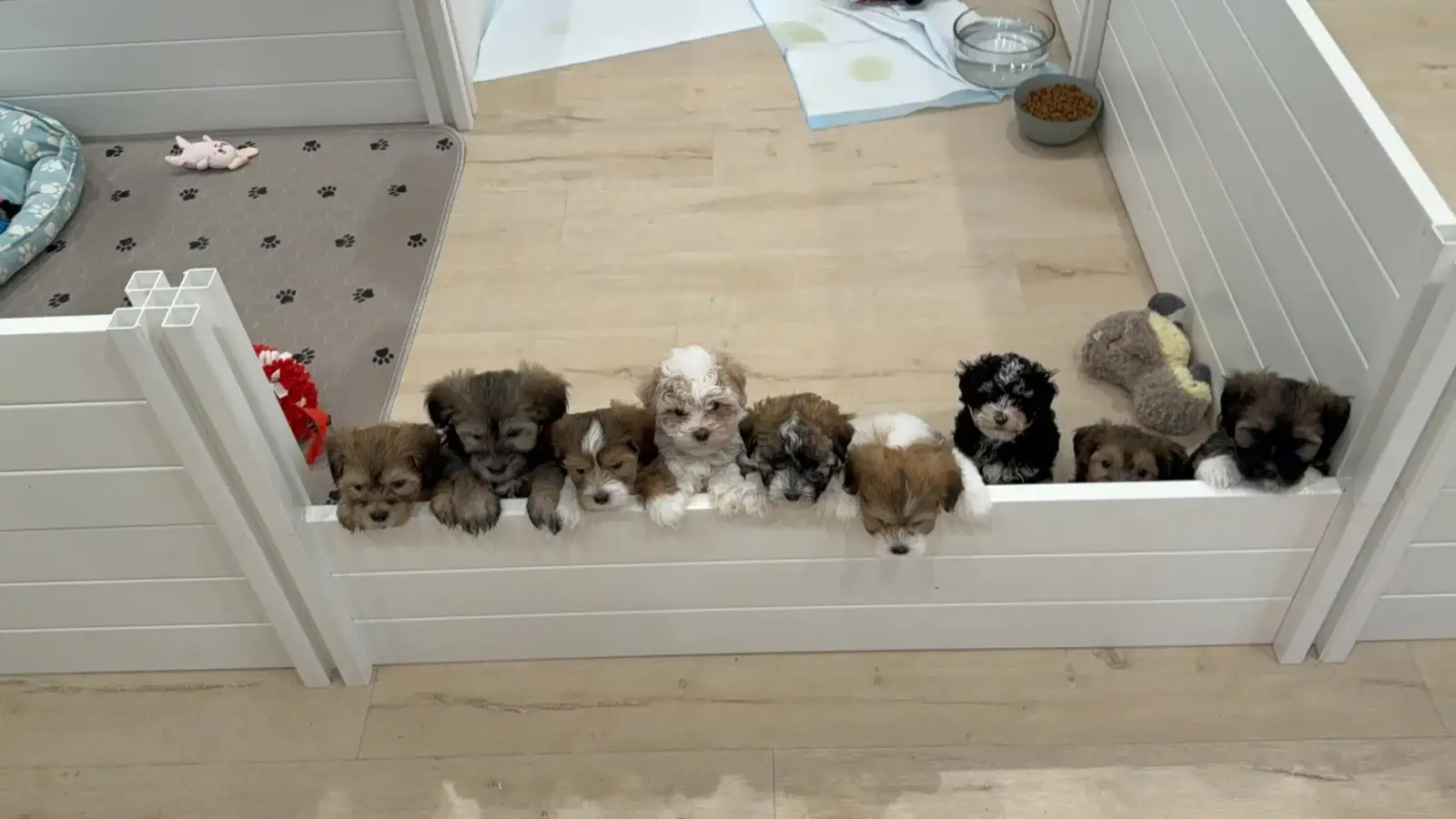
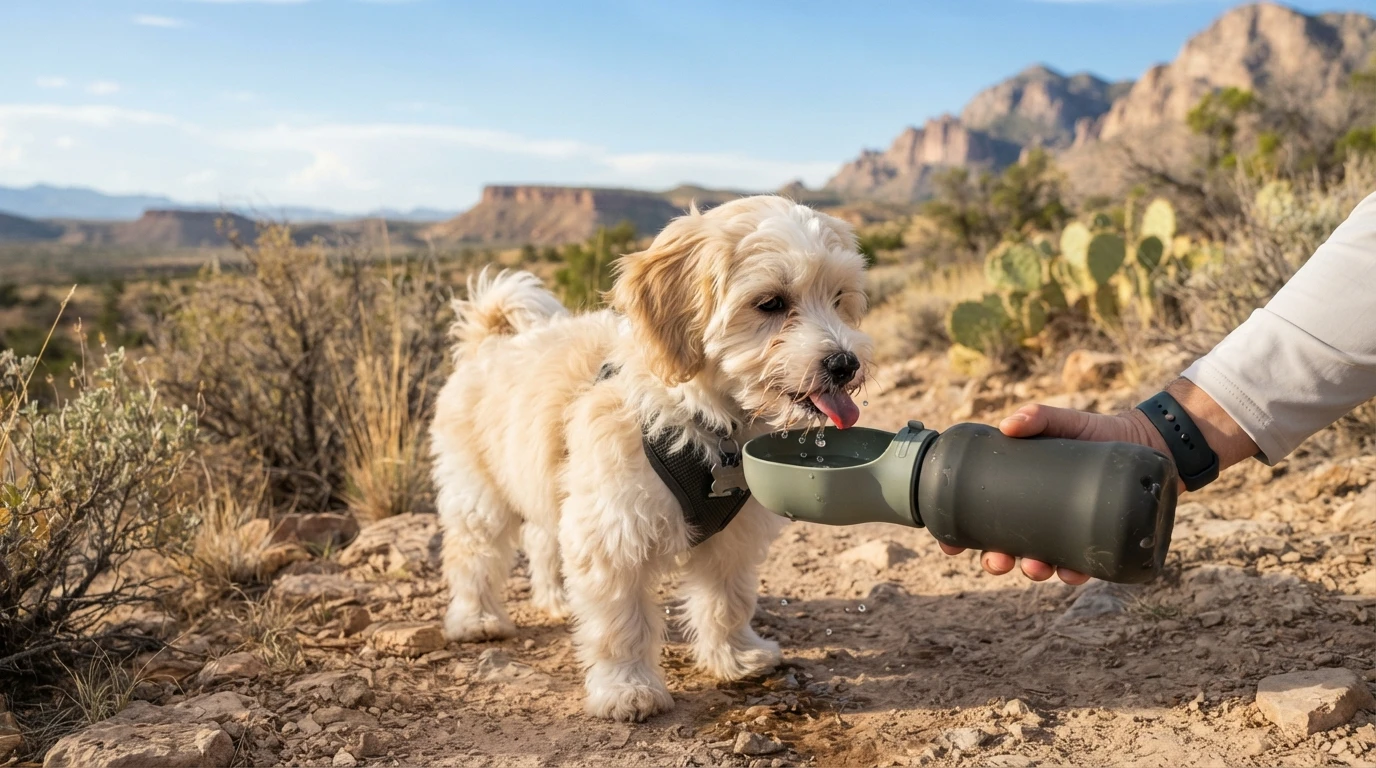
A Cavapoo puppy can learn your breakfast routine in the morning, rest alone for short periods by afternoon, and curl up close at night. That mix of smarts, affection, and sensitivity shapes the Cavapoo temperament traits families need to understand before bringing one home.
The challenge is that a sweet face does not tell you about health history, daily needs, or how a puppy may handle change. This guide explains realistic Cavapoo temperament traits, parent-breed health checks, care, and Cavapoo puppy socialization.
It also shows how to assess the best Cavapoo breeders with clear questions and records. Thoughtful breeding, early home care, and honest guidance matter. The right match starts with knowing which Cavapoo temperament traits fit your family life.
What Is a Cavapoo?
A Cavapoo is a crossbreed from a Cavalier King Charles Spaniel and a Poodle. Families often choose them for their people-focused nature, smaller size, and soft coats.
The Cavalier and Poodle Heritage
Cavapoos can draw gentle, loving traits from the Cavalier side and bright, active traits from the Poodle side. Cavaliers are known as affectionate companion dogs, while Poodles are smart, social, and eager to learn, according to the American Kennel Club.
This blend can suit families who want an involved house dog, not one left alone for long stretches.
- Cavalier influence: warmth, closeness, and a calm lap-dog side
- Poodle influence: curiosity, playfulness, and trainability
- Shared need: kind, steady training and daily time with people

Size, Coat, and Appearance Can Vary
No two Cavapoos look exactly alike. A puppy may have loose waves, tight curls, or a straighter coat. Colors, face shape, ear length, shedding, and adult size also vary based on the parents.
| Trait | What families may see |
|---|---|
| Coat | Wavy, curly, or soft and fluffy |
| Size | Small companion dog, shaped by Poodle parent size |
| Grooming | Regular brushing and routine professional trims |
A low-shedding coat is not the same as a hypoallergenic dog. Families with allergies should spend time with dogs before committing.
What Families Should Expect From a Crossbreed
A crossbreed is not a fixed template. Health, looks, and temperament can vary, so thoughtful parent health testing and early socialization matter. Mixed-breed dogs do not automatically have fewer health concerns, as Dog Aging Project findings summarized by AKC make clear.
Ask a breeder to discuss:
- Parent health records
- Puppy socialization
- Grooming needs
- The match between puppy and household
Also Read: Cavapoo Litters and Waitlist Options at Sage Puppies
Cavapoo Temperament Traits and Personality
Cavapoos often suit families who want a warm, engaged companion. Still, each puppy is an individual, shaped by parent traits, early care, and daily training.
Affectionate, Social, and People-Focused
Most Cavapoos love being close to their people. Their Cavalier background often brings a gentle, affectionate nature, while Poodle traits can add alertness and curiosity. Cavaliers are known for strong social bonds and a soft, friendly manner, as the American Kennel Club notes.
Expect a dog that wants to join family life, not watch it from across the room.
- Cuddly and attentive
- Often welcoming with familiar guests
- Happiest with regular family contact
Intelligent, Playful, and Responsive to Training
Cavapoos tend to be bright and eager to engage. Short, positive lessons work best. Use treats, praise, and play to teach house rules, recall, leash manners, and calm greetings.
Poodles are widely valued for their learning ability and people-focused nature, according to the AKC’s Poodle breed guide.

Keep training sessions brief and upbeat. Five good minutes beats one frustrated half-hour.
Gentle With Children and Other Pets, With Supervision
A well-socialized Cavapoo can be gentle with respectful children and may live well with other pets. Adults must still guide every early interaction. Teach children to avoid chasing, squeezing, or waking a resting puppy.
- Supervise play with young children
- Introduce pets slowly on neutral ground
- Give the puppy a quiet retreat space
The Need for Connection and Independence Training
A people-focused puppy needs practice being alone. Start with short, calm separations and build time slowly. Offer a safe crate or puppy area, a chew, and a predictable routine.
Do not mistake constant togetherness for confidence. A secure Cavapoo learns that family members always return.
Also Read: Cavapoo Puppy Delivery: What Utah Families Should Know
Cavapoo Health: Risks, Prevention, and Lifelong Care
Why Parent-Breed Health Matters
A Cavapoo can inherit traits from both the Cavalier King Charles Spaniel and Poodle side. Mixing breeds does not erase health risk. Ask about each parent’s health history, current screenings, and close relatives before you commit.
- Review records, not verbal claims.
- Plan routine veterinary care from puppyhood onward.
- Keep pet insurance and an emergency fund in mind.
Heart Health and Mitral Valve Disease
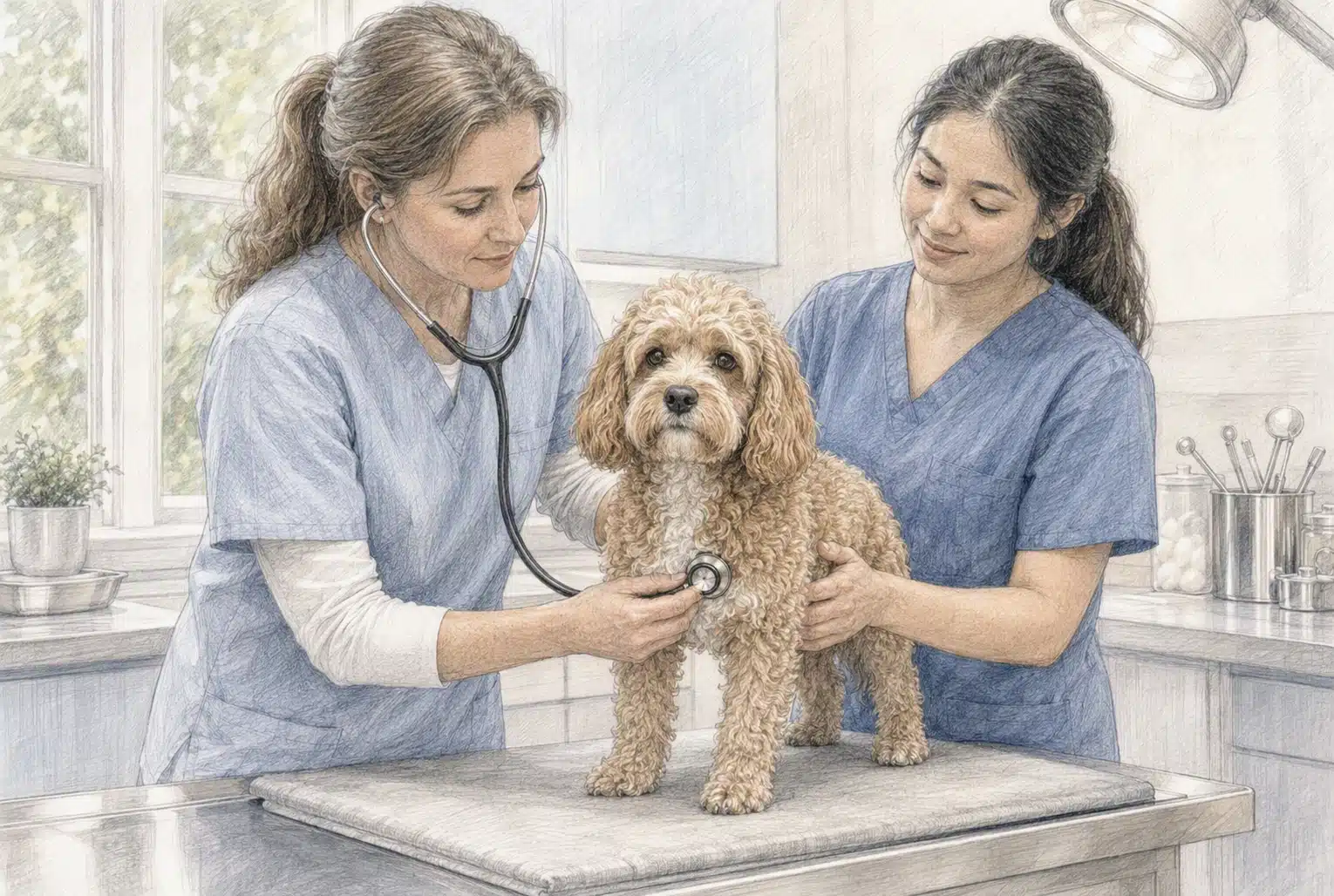
Heart health deserves close attention because Cavalier lines can carry risk for mitral valve disease. A puppy may look well while an adult-onset heart problem develops later. The OFA notes that adult-onset cardiac clearances are valid for one year, so repeat exams matter for breeding dogs.
Watch for coughing, tiring early, fainting, or labored breathing. These signs need prompt veterinary advice.
Health-tested parents lower risk. They cannot promise that a puppy will never develop heart disease.
Eyes, Knees, Hips, and Neurologic Concerns
Cavapoos may face eye conditions, loose kneecaps, hip concerns, or spine problems. A slipping kneecap can cause an odd hop or skipped step. The OFA explains that patellar luxation may be inherited and can affect one or both knees.
Protect growing joints with steady, age-fit activity. Avoid repeated jumps from furniture and hard-impact exercise.
- Report limping, pain, wobbliness, or sudden weakness quickly.
- Use ramps or steps for beds and sofas.
- Ask your vet about safe exercise as your puppy grows.
- Keep nails short to support secure footing.
Neurologic signs, including neck or back pain, should never be dismissed as clumsiness.
Dental, Ear, Skin, and Weight Management
Small dogs need regular tooth brushing, not just dental chews. Check floppy ears weekly for odor, redness, or debris, and dry them well after baths. Brush the coat often so mats do not trap moisture against the skin.
Keep meals measured and treats modest. Extra weight puts more strain on the heart, knees, and hips.
What Responsible Health Testing Looks Like
Responsible breeders use parent-specific screenings, not a vague “vet checked” label. At Sage Puppies, families can ask to see relevant parent testing and discuss the care plan behind each pairing.
- Confirm heart, eye, and joint evaluations.
- Ask which DNA tests fit each parent line.
- Review results before reserving.
Also Read: 10 Must-Ask Questions Before Buying a Puppy Locally
Raising a Well-Developed Cavapoo Puppy
Socialization Through Safe, Positive Experiences
Early experiences shape how a puppy handles the world. The American Veterinary Society of Animal Behavior identifies the first three months as the key socialization period.
Offer calm, safe exposure to:
- Friendly adults and gentle children
- Clean new places, surfaces, and sounds
- Vaccinated, well-mannered dogs
- Grooming, car rides, and brief handling
Keep sessions short. Let your Cavapoo choose to approach, and pair new things with treats and praise.
Stop and give your puppy space if they freeze, hide, or pull away. Confidence grows through choice, not pressure.
House Training, Crate Skills, and Routine
A steady routine makes house training clearer and less stressful. Take your puppy out after waking, eating, playing, and naps. Reward outdoor success right away.
- Use the same potty spot and simple cue.
- Supervise indoors or use a puppy-safe crate.
- Clean accidents quietly and skip punishment.
Make the crate a restful place with a safe chew and soft bedding. It should never be used for discipline.
Positive Training and Independence Practice
Teach sit, come, leave it, and name response with small treats, play, and praise. AVSAB supports reward-based training rather than fear or force.
Build independence too:
- Offer short, calm crate or pen breaks.
- Leave a safe food toy.
- Return before distress starts.
- Slowly add time as your puppy succeeds.
Choosing a Puppy Based on Family Fit
The right Cavapoo is not always the boldest one. Share your home life, children’s ages, work schedule, and activity level with the breeder.
| Family need | Helpful puppy traits |
|---|---|
| First-time owners | People-focused and responsive |
| Young children | Gentle, steady, and tolerant |
| Quieter home | Calm and less intense |
| Active household | Curious and playful |
Sage Puppies can help qualified families focus on temperament fit, not color or photos alone.
Daily Cavapoo Care: Grooming, Exercise, Nutrition, and Veterinary Visits
Coat and Grooming Responsibilities
Most Cavapoos need regular brushing because loose hair can stay trapped in a wavy or curly coat. Brush several times each week, focusing on the ears, collar area, legs, and belly. Book professional grooming as needed to keep the coat clean and easy to manage.
- Check ears, eyes, and paws during each brush-out.
- Introduce grooming tools slowly with treats and praise.
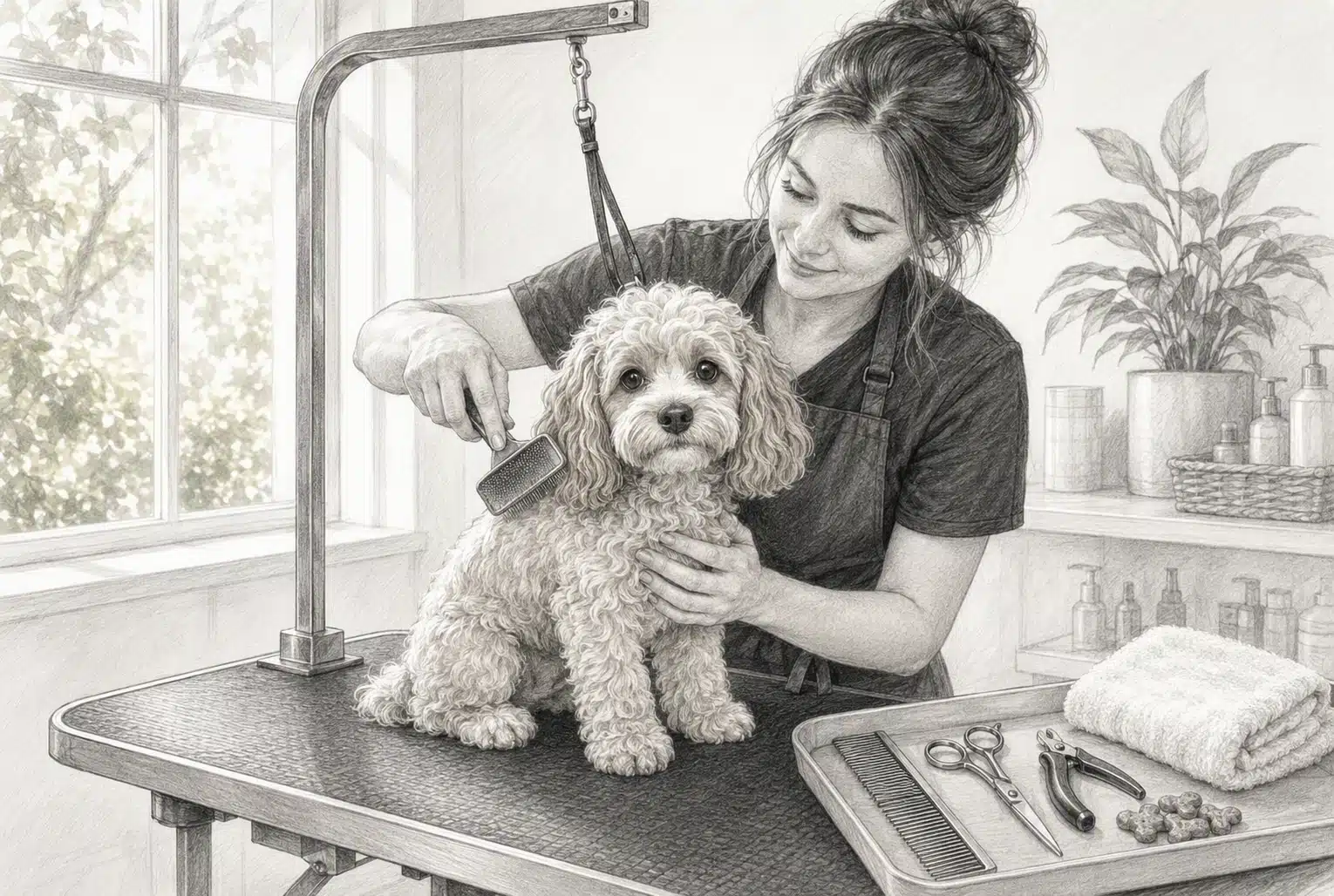
A short, frequent grooming routine is easier on your dog than tackling painful mats later.
Exercise and Mental Enrichment
Daily walks and play help a Cavapoo stay fit, settled, and engaged. Start with short walks for puppies, then adjust for age, health, weather, and energy. The AVMA notes that walks also provide valuable chances to sniff, see, and explore.
- Offer a walk or safe play session each day.
- Add simple training, food puzzles, or scent games.
- Rest in heat, cold, or if your dog seems tired.
Food, Dental Care, and Routine Veterinary Support
Feed a complete puppy or adult diet suited to your Cavapoo’s life stage. Keep treats modest and ask your veterinarian about portions as your dog grows. Brush teeth often and schedule routine wellness care. The AVMA recommends yearly checks of teeth and gums.
| Daily task | What to watch |
|---|---|
| Meals | Appetite, stool, and steady body condition |
| Tooth brushing | Bad breath, tartar, or sore gums |
| Wellness visits | Vaccine, parasite, and health needs |
The Cavapoo Lifestyle Fit
A Cavapoo suits families ready to give daily attention, kind training, and close companionship. They are not a low-effort pet. Build care into your routine before bringing one home.
Also Read: 10 Adorable Havapoo Colors You Need to See (2026)
How to Choose a Reputable Cavapoo Breeder
A good breeder welcomes careful questions and asks thoughtful questions back. Choose transparency over quick availability.
Ask for Parent Health Documentation
Ask which health screens each Cavalier King Charles Spaniel and Poodle parent completed, then request the actual results. Names, dates, and records should match the dogs in the litter. The OFA advises buyers to verify parent health records rather than accept vague claims of “vet checked.”
- Ask about heart, eye, joint, and DNA testing
- Check records through public databases when available
- Discuss known risks openly, not just clear results
Health testing lowers risk. It cannot promise a puppy will never develop a health issue.
Understand How Puppies Are Raised and Socialized
Ask where the puppies live and what normal home life they experience. Early, gentle handling and safe exposure to people, sounds, grooming, and routine help puppies adjust to family life.
A home-raised setting matters, but details matter more. Ask what the breeder does each week and how they watch each puppy’s comfort level.
Review Policies, Records, and Communication
Read the agreement before sending a deposit. It should explain payment, veterinary records, pickup timing, return expectations, and what support looks like after you bring your puppy home.
Look for clear, steady replies. A reputable breeder does not rush your decision or avoid direct questions.
Look for a Thoughtful Matching Process
The best fit is not always the first puppy available. A breeder should ask about your children, work hours, dog experience, home routine, and hopes for temperament.
- Share your non-negotiables honestly
- Stay open to the breeder’s match advice
- Avoid promises that any puppy is fully predictable
A breeder who screens families is protecting both the puppy and the future home.
Plan Pickup or Delivery Clearly
Confirm the handoff plan well before go-home day. Utah families can ask about local pickup in South Jordan. Families farther away should get clear details on delivery timing, travel care, records, and who to contact during the trip.
Also Read: Puppy Care Blog & Resources | Sage Puppies
Is a Cavapoo the Right Companion for Your Family?
A Cavapoo can suit a connected, prepared family, but no mix guarantees one fixed temperament. Expect a social dog that needs kind guidance, routine, grooming, and daily company.
A Good Fit May Include Families Who
- Want an affectionate small companion and can include a dog in daily life.
- Can offer short walks, play, gentle training, and regular brushing.
- Will teach children calm, respectful handling.
- Have a plan for care during work, travel, and school days.
Cavalier and Poodle parent traits often include people focus and trainability, but each puppy is an individual. Early socialization and positive training help build good habits.
Think Carefully If Your Home
- Is empty for long stretches most days.
- Has toddlers who may grab, chase, or handle a small puppy roughly.
- Cannot commit to coat care, training, and routine vet care.
- Wants a dog that needs little attention or never barks.
A Cavapoo is a family member, not a low-effort accessory.
A Practical Family Readiness Checklist
- Agree on feeding, potty breaks, training, and grooming duties.
- Set a realistic monthly care budget.
- Puppy-proof sleeping and play areas.
- Choose a breeder who shares parent health testing and puppy care details.
- Plan a calm first week at home.

Ready to find a Cavapoo with a thoughtful start? Sage Puppies pairs health-tested parents, early socialization, and a clear family-first process. Explore available puppies, then choose local South Jordan pickup or nationwide delivery with confidence.
Frequently Asked Questions
Q1: How do I choose a reputable Cavapoo breeder like Sage Puppies?
Ask for parent health testing, clear records, home-raised care, and honest answers. A good breeder welcomes questions, explains socialization, and helps match each puppy to the right family.
Q2: What are the most common Cavapoo health issues and how can I prevent them?
Cavapoos may face heart, eye, joint, ear, or dental concerns. Choose tested parents, keep up with vet care, manage weight, clean ears, and brush teeth often.
Q3: How much does a Cavapoo puppy from Sage Puppies cost?
Price can vary by puppy and timing. Ask Sage Puppies for current pricing, reservation details, and what is included before making plans.
Q4: Are Cavapoos good with children?
Most do well with kind, supervised children. Teach children gentle handling and give the puppy a quiet place to rest.
Q5: How much exercise does a Cavapoo need?
Plan for daily walks, play, and short training sessions. Their needs are moderate, but regular activity helps prevent boredom.
Conclusion
A Cavapoo can be a warm, bright companion for a family ready for daily care. Expect a people-focused dog that needs kind training, steady routines, play, walks, grooming, and company.
Choose with clear eyes. A crossbreed puppy can inherit traits from either parent, so ask about both parents’ health testing, temperaments, and care history. Cavalier parent clubs list heart, eye, hip, and patella checks among key health screens for Cavaliers in their health statement.
The right puppy is not the cutest available puppy. It is the one raised with thoughtful care and matched honestly to your home.