Quick Summary: No Cavapoo is allergen-free. Coat texture, shedding and F1/F1b labels cannot establish whether a person will tolerate a dog. Ask an allergist about your individual risks and precautions before arranging exposure. Do not use licking or deliberate contact as a home allergy test. Choose grooming care for the individual coat and keep medical decisions separate from puppy matching.
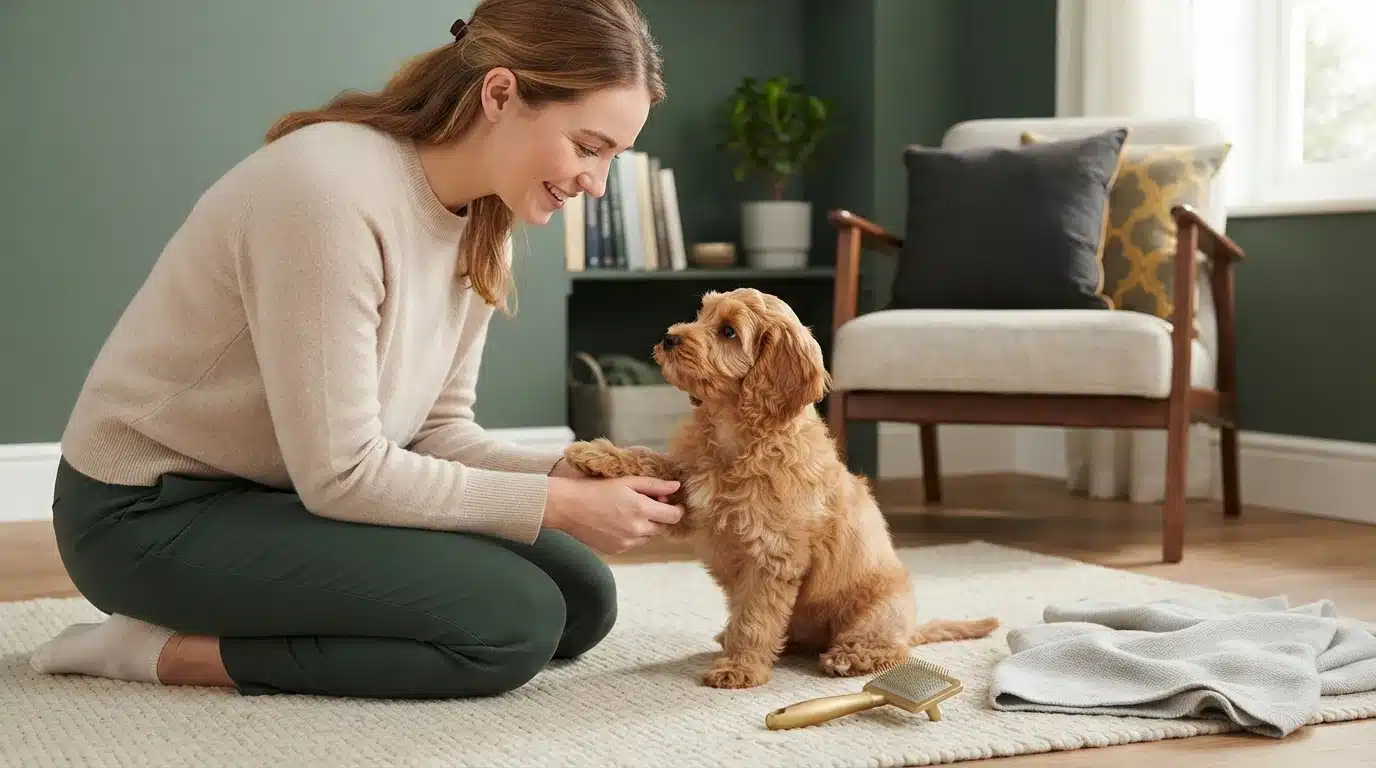
One breeder swears a Cavapoo is hypoallergenic. Another tells you no dog truly is. If you sneeze around dogs and you’re shopping for a companion, that mixed answer leaves you guessing with thousands of dollars on the line.
Low shedding and low allergy risk are different questions. A coat can look curly or leave less hair on your clothes while the dog still produces allergens.
This guide separates coat care from medical allergy assessment and suggests practical questions for a breeder. Sage Puppies offers Havanese, Havapoo and Cavapoo puppies from South Jordan, Utah; a breeder cannot diagnose your allergies or promise tolerance.
Are Cavapoos Hypoallergenic? The Honest, Plain-Language Answer
No coat or breed label establishes that a Cavapoo is suitable for someone with allergies. Discuss your symptoms and any asthma history with an allergist before deciding whether dog exposure is appropriate.
What “Hypoallergenic” Really Means for Dogs
Dog allergy involves proteins in sources such as dander, saliva and urine. Can f 1 is one of several dog allergens. The AAAAI explains that low-shedding breeds are not reliably lower-allergen dogs. Hair texture alone cannot predict a household’s reaction.
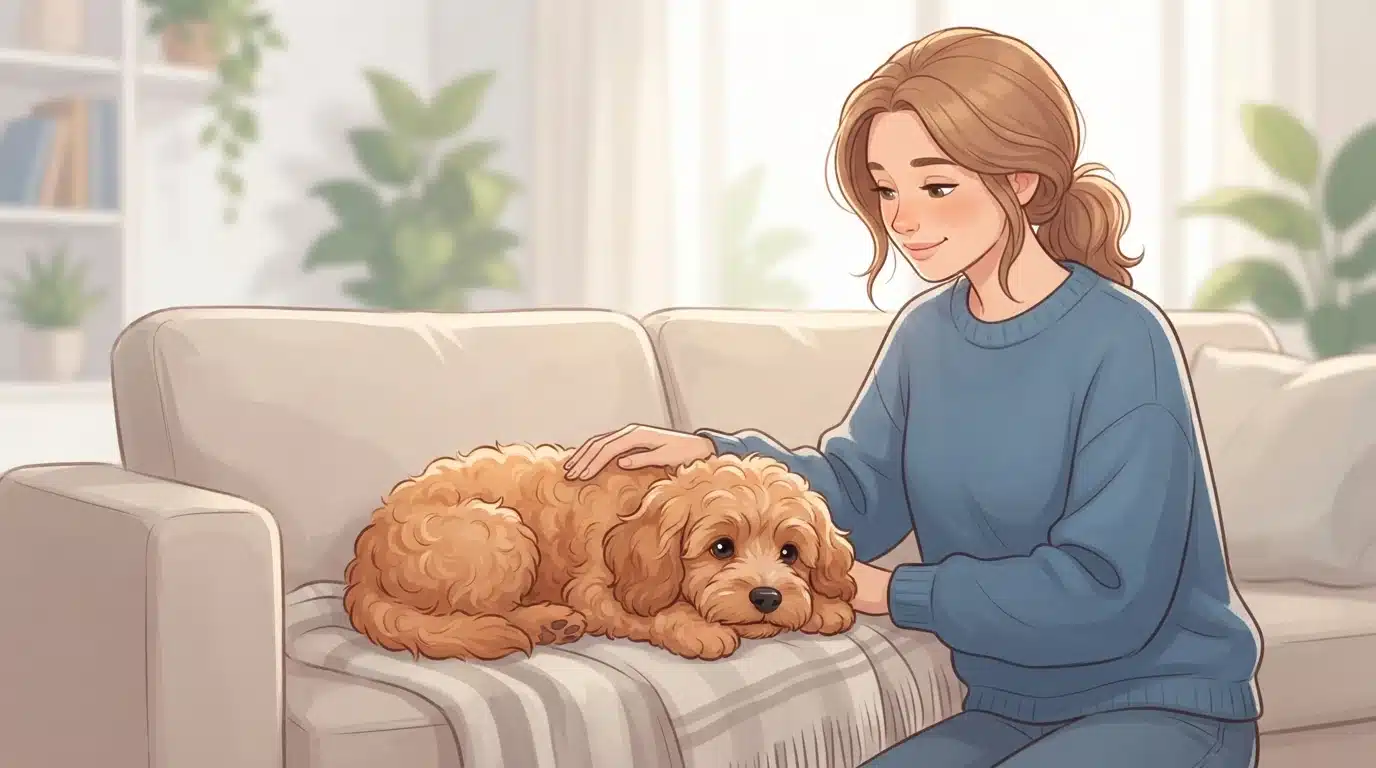
Low Shedding Does Not Establish Allergy Tolerance
Cavapoo coats vary. Discuss shedding and maintenance as grooming questions; a soft wave or tight curl does not identify a medically safer puppy.
Why No Breeder Can Promise Zero Reactions
A breeder’s observations can describe a puppy’s coat and care needs. Your response to a dog remains a separate medical question, and a brief symptom-free visit does not guarantee future tolerance. Read more about Cavapoo coat care.
Cavapoo Coat Types and How Each One Behaves
Coat descriptions can help you plan brushing and professional grooming. They cannot serve as an allergy score or a promise about how the coat will mature.
Curly, Poodle-Type Coats
A curly coat can retain loose hair and develop tangles. Ask a groomer to demonstrate brushing and combing for that puppy’s coat, especially where friction causes mats.
Wavy or Loose Coats
A wavy coat still needs regular checks for tangles. Its care needs depend on length, density and the individual dog; a softer texture does not establish allergy suitability.
Straight, Cavalier-Type Coats
A straighter coat may leave more loose hair than a tightly curled coat. Observe the individual coat and ask about maintenance rather than using the texture as a medical decision rule.
Mixed or Undefined Textures
Puppy coats can change as they mature. Ask what is known about the actual parents and the puppy’s coat so far; avoid treating an early texture as a fixed adult outcome.
F1, F1b, and F2 Generations: Does Generation Matter for Allergies?
Generation labels describe a breeding relationship. Confirm the actual parents rather than using a label to predict shedding or a person’s allergy response.
F1 Cavapoos: First-Generation Cross
F1 commonly describes a first cross between a Cavalier King Charles Spaniel and a Poodle. That parentage does not guarantee a particular coat, grooming load or allergy outcome.

F1b Cavapoos: Backcrossed to Poodle
F1b commonly describes an F1 crossed back to one parent breed, often a Poodle. Ask which cross was actually made. A pedigree percentage is not a measure of allergen exposure or personal tolerance.
F2 and Multigen Cavapoos
F2 commonly describes two F1 parents; “multigen” covers later-generation breeding. Neither label supplies the individual parentage, coat observations or medical assessment a family may need.
Why Generation Alone Does Not Guarantee Allergy Comfort
Choosing a generation cannot establish allergy comfort. Compare actual coat-care needs and follow the medical advice above for allergy decisions. See the Cavapoo size and family-fit guide.
The Allergen Science: Dander, Saliva, and Why Hair Is Not the Whole Story
A dog’s coat is only one part of exposure. Consider the dog’s saliva, skin particles and the indoor environment when discussing symptoms with your clinician.
Dander vs Hair: What You Actually React To
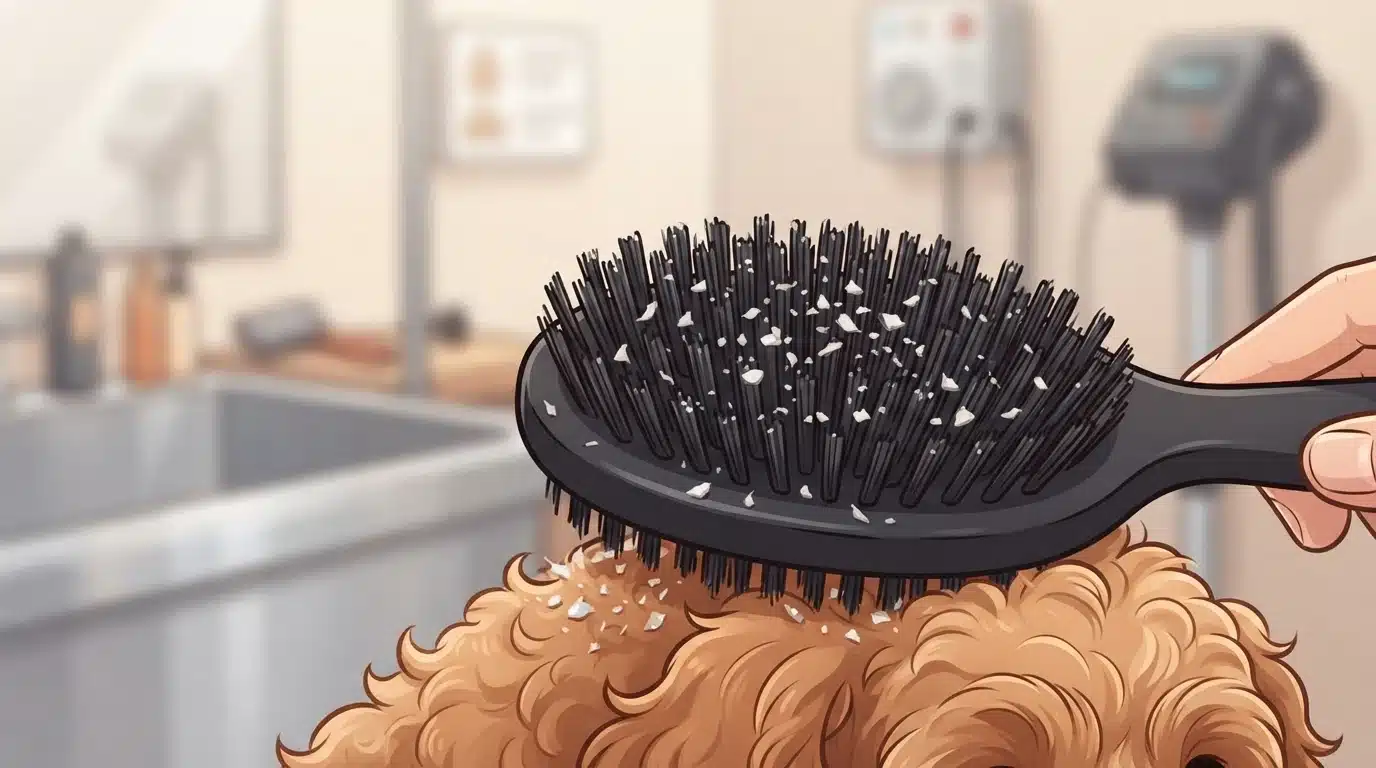
Dander consists of tiny skin particles. It can carry allergens and collect around a home even when little loose hair is visible. Low shedding does not establish low exposure.
Saliva Can Trigger Symptoms
The ACAAI notes that dog contact and saliva can cause symptoms, including hives after licking. Do not deliberately seek a lick or provoke a reaction to test whether a puppy is suitable.
Coat Care Has Limits
Grooming supports coat condition and cleanliness. It does not remove every allergen or make a dog safe for every allergic person.
Cavapoo Grooming and Home Care Routine for Allergy Households
Plan coat care with your groomer and veterinarian. Discuss household exposure management separately with your allergist; no grooming routine guarantees symptom control.
Brushing and Combing Cadence
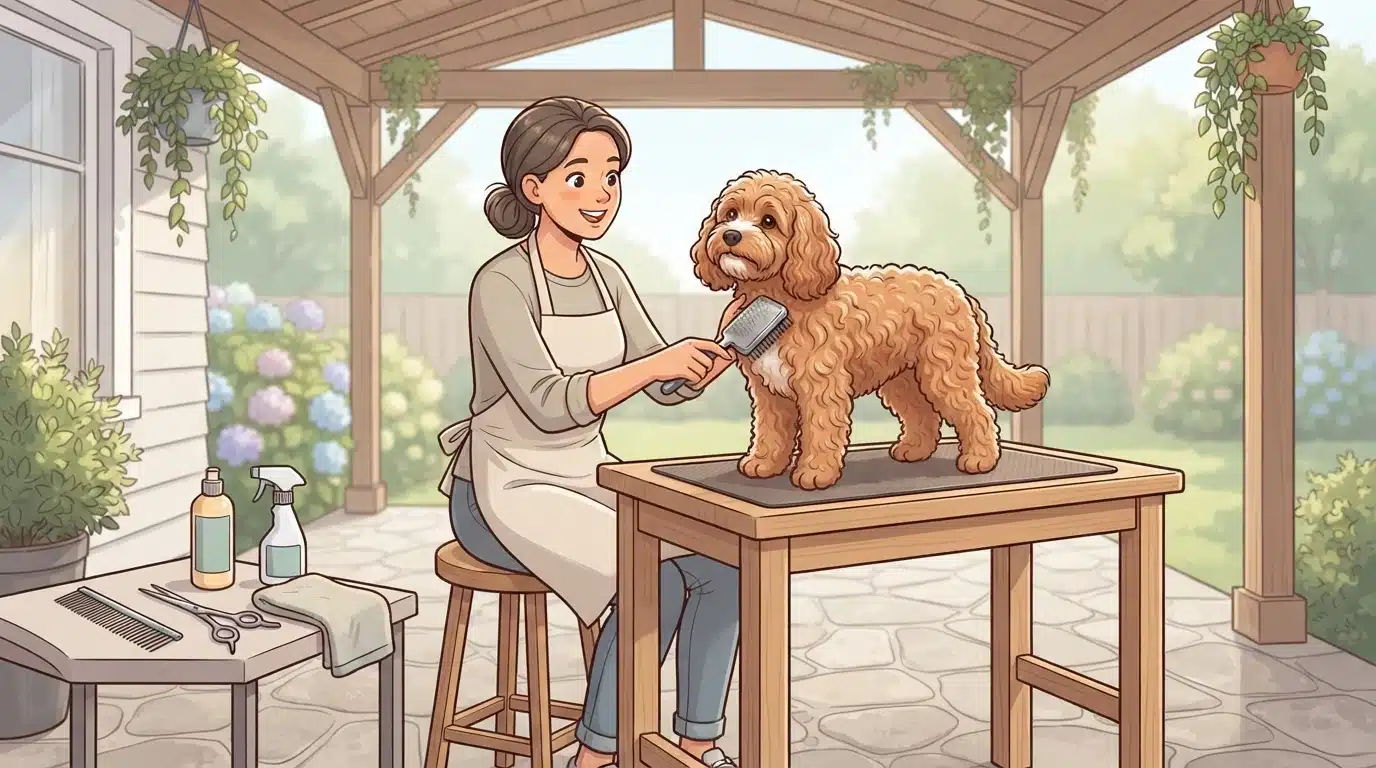
Use a brushing and combing routine suited to the dog’s coat. If grooming triggers symptoms, ask your clinician about precautions and whether another person should handle that task.
Bathing, Drying, and Coat Trim Timing
Ask your veterinarian and groomer how often the puppy needs bathing, drying and trimming. Do not intensify bathing or use an “allergen-reducing” product as a substitute for medical advice.
Home Environment: HEPA, Fabrics, and Dog-Free Zones
Your clinician may recommend measures such as a dog-free bedroom, cleaning fabrics and appropriate filtration. AAFA describes ways to reduce pet-allergen exposure. These measures do not guarantee a symptom-free home.
When to Bring in a Professional Groomer
Ask a professional groomer about an appropriate appointment interval, mat prevention and safe handling for the individual dog. A short trim does not establish allergy safety.
Cavapoo vs Havapoo vs Havanese for Allergy-Prone Households
Sage offers all three of these breeds or mixes. Compare their coat-care needs while keeping personal allergy suitability as a separate decision.
Cavapoo Coat and Allergy Profile
Cavapoo coats reflect Cavalier and Poodle ancestry and individual variation. Ask about the actual coat and its maintenance; a generation label is not an allergy recommendation.
Havapoo Coat and Allergy Profile
Havapoos have Havanese and Poodle ancestry. Coat texture and care needs can vary, so ask for observations of the individual puppy instead of assuming a particular result from the mix name.
Havanese Coat and Allergy Profile
A long Havanese coat needs regular care to prevent tangles. Discuss a manageable coat length and routine with a groomer rather than treating low-shedding descriptions as medical reassurance.
Compare Care Needs, Not an Allergy Ranking
| Breed or mix | Coat-care focus | Allergy decision |
|---|---|---|
| Cavapoo | Observed texture and brushing | Individual medical advice |
| Havapoo | Individual maintenance needs | Individual medical advice |
| Havanese | Coat length and combing | Individual medical advice |
Ask your allergist whether and how any proposed visit should take place. A puppy visit, a parent dog, photos or a video cannot diagnose allergy or guarantee comfort after bringing a dog home.
Choosing a Cavapoo Puppy When You Have Allergies: A Buyer’s Lens
Ask specific questions about the puppy’s coat, parentage, care and available health records. Keep those useful breeder conversations separate from clinical allergy advice.
Questions to Ask the Breeder About Coat and Health
Ask about the actual parents, the puppy’s current coat and any available adult-coat examples from related dogs. These observations help with care planning; they do not predict your symptoms.
Requesting Health Records and Parent Background
Request the actual parent health records and ask your veterinarian which screenings are relevant to that ancestry and age. Where OFA records are available, match the dog’s identity, test and date to the paperwork. Canine health records do not establish human allergy tolerance.
Medical Advice Before a Visit
Talk with your allergist before arranging exposure, particularly if you have asthma or a history of strong reactions. Mayo Clinic describes clinical assessment for pet allergy. Do not use licking, a handling challenge or a symptom-free hour as a diagnostic test. Confirm any visit or purchase terms directly; no trial stay or return arrangement is promised here.
Sage Puppies’ Cavapoo Program: What Allergy Buyers Should Know
Ask Cassie about the specific puppy, available records and current matching process. She can discuss program and coat-care questions; your clinician should guide allergy and asthma decisions.
Common Mistakes Allergy Buyers Make With Cavapoos
Trusting a Blanket “Hypoallergenic” Label
A “hypoallergenic” label cannot tell you whether a particular dog is suitable for your medical situation. Ask for specific coat-care information and follow your clinician’s advice.
Replacing Medical Advice With a Home Test
Do not test yourself by inviting licking or deliberately provoking symptoms. A reaction-free encounter is not a lasting guarantee. An allergist can advise on appropriate assessment and precautions.
Ignoring Saliva, Bedding, and Home Routine
Discuss the full home environment with your clinician, including saliva, bedding and upholstered furniture. Coat care alone does not address every exposure.

Sage Puppies is based in South Jordan, Utah and offers Havanese, Havapoo and Cavapoo puppies. Review current availability and the application when you are ready to discuss a puppy. Medical allergy assessment comes first.
Frequently Asked Questions
Q1: Are Cavapoos hypoallergenic?
No dog is allergen-free. A low-shedding or curly coat does not establish lower allergen levels or personal tolerance.
Q2: Which Cavapoo coat type sheds the least?
Shedding varies between individual dogs. Ask about the puppy’s actual coat and grooming needs; a curl pattern is not an allergy test.
Q3: Do F1b Cavapoos work better for allergies?
An F1b label does not establish better allergy tolerance. Confirm parentage for background information and ask your allergist about medical suitability.
Q4: Can a puppy visit diagnose my allergy?
No. Do not use licking or deliberate contact as a home challenge. Ask an allergist how to assess your symptoms and whether exposure is appropriate.
Q5: How should I plan grooming?
Ask a veterinarian and groomer for a routine suited to the puppy’s coat and skin. No brushing, bathing or trimming schedule guarantees allergy control.
Q6: Does saliva trigger Cavapoo allergies too?
Yes. Dog saliva contains allergens, and licking can trigger symptoms. Avoid using saliva exposure as a self-test.
A Calm Closing Word
Choose a puppy with clear expectations about care, available records and your household’s needs. If allergies are part of that decision, seek individual medical guidance before exposure or commitment; neither a coat label nor a short visit can promise future tolerance.