Cassie’s Picks · Practical puppy shopping
Puppy Food-Dispensing Toys: Start Easy Before Buying More
Start with one food-dispensing toy that your puppy can use easily. The first decision is how the food comes out, followed by the toy’s individual size, cleaning needs and your puppy’s behavior. A harder puzzle is useful only when the easy version is already enjoyable. See the researched product options.
Editorial lead: Cassie Milar, Sage Puppies. Reviewed October 10, 2026. Researched buying guidance; no hands-on Sage trial of these products is claimed.
Affiliate disclosure: As an Amazon Associate I earn from qualifying purchases.
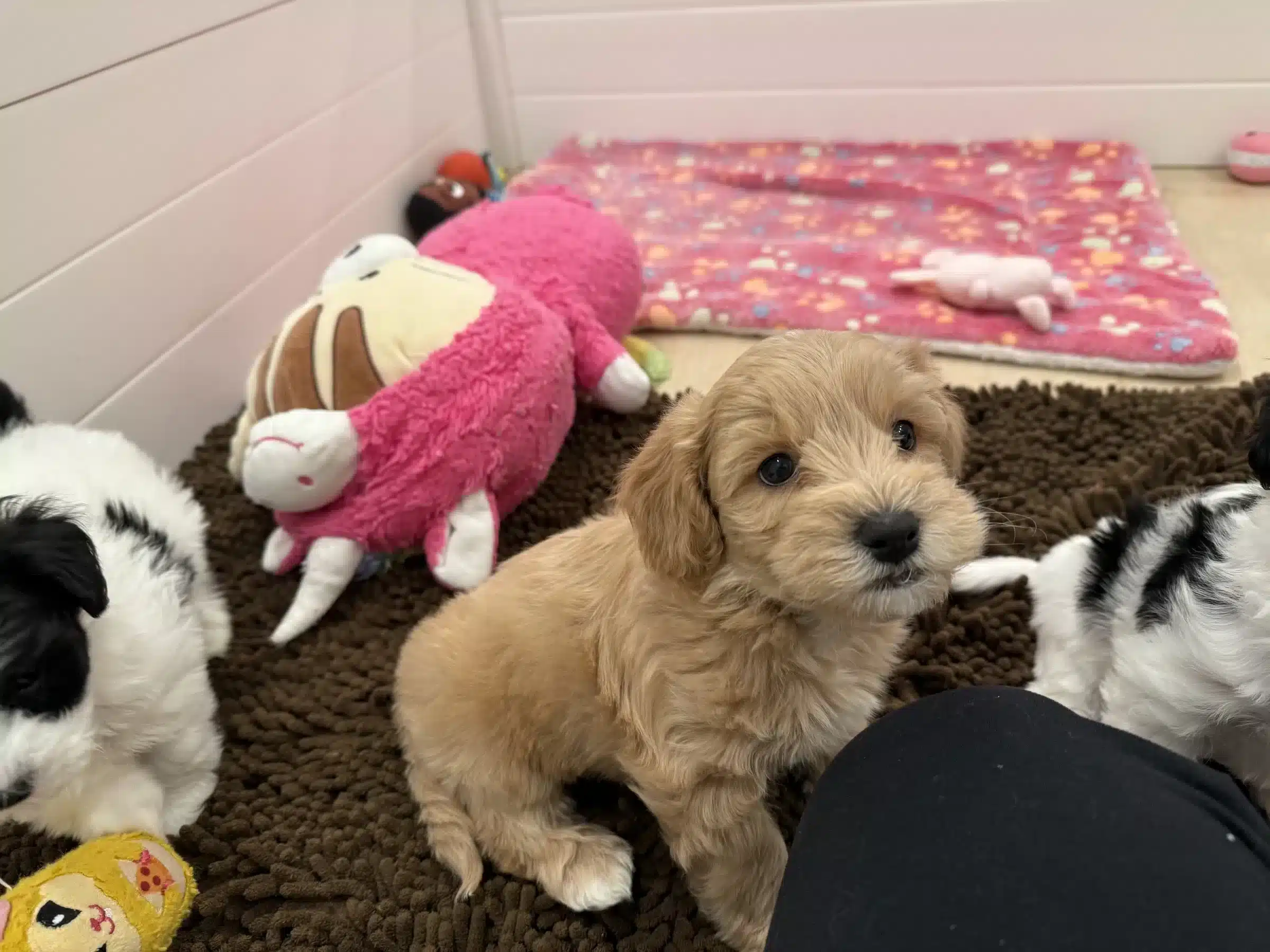
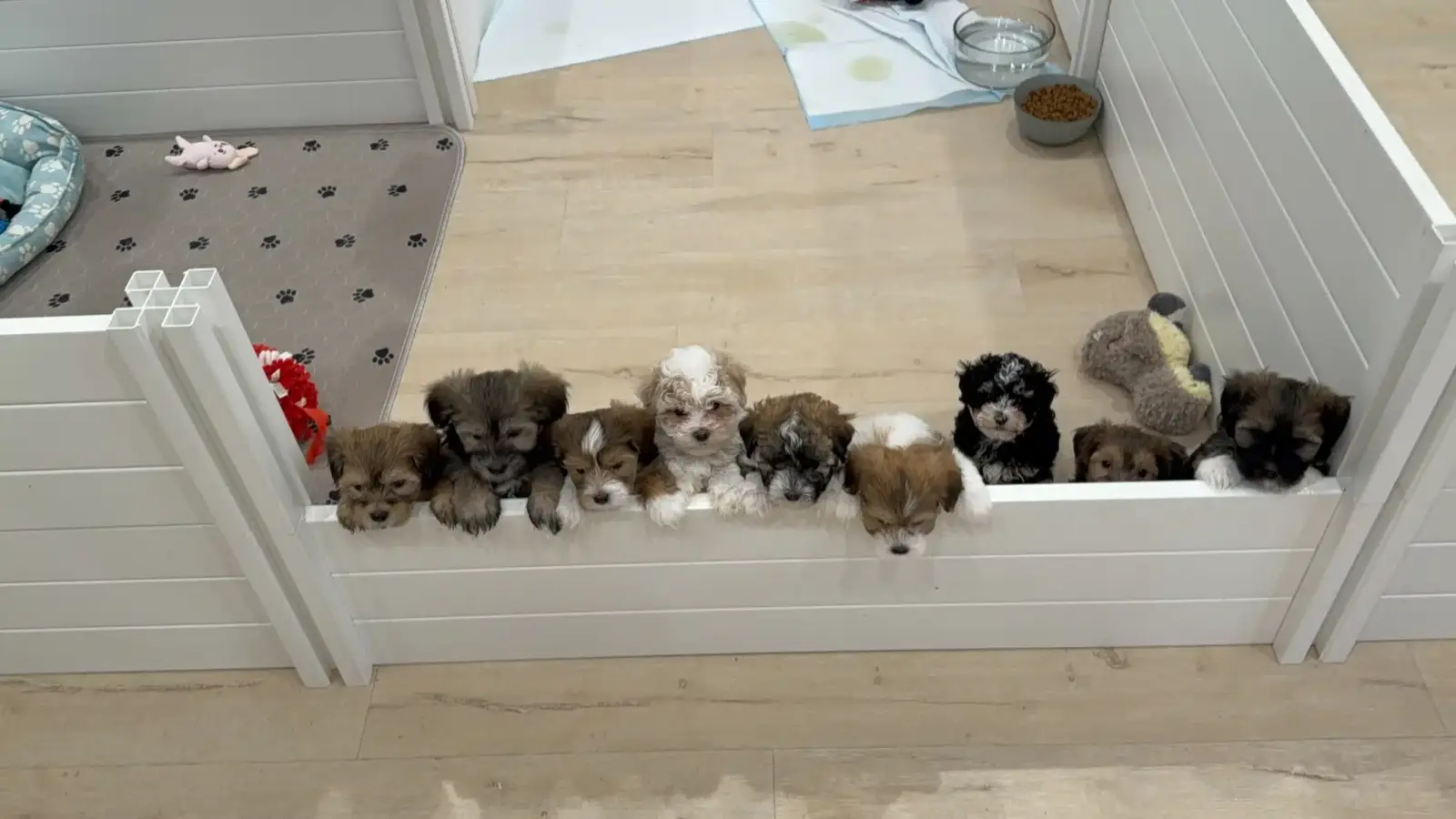
From the Sage Puppies photo library. This image does not document testing of the featured products.
Three buying checks before a toy collection
Access: Can your puppy reach the first pieces without a long struggle? Look at the opening and the action needed to release food.
Fit: Match the exact manufacturer’s size guidance to the individual puppy. A small breed name is not enough to choose a toy.
Cleanup: Check whether you can reach the cavity and follow the care instructions after each use. A filling that is easy to add may be harder to remove.
Researched product options
Paid links: As an Amazon Associate I earn from qualifying purchases. Check the exact variant, fit, current price and delivery before ordering.
KONG Puppy, Small Blue
Why consider it: Soft puppy rubber and a hollow center offer a simple supervised chew and beginner food-toy option.
Before you buy: Small does not fit every puppy. Follow KONG’s size and age guidance; inspect and remove damaged rubber. Filling adds food to the daily allowance.
A simple beginner progression
First offer the empty toy for a brief supervised introduction. Watch how your puppy handles it. Stop if chewing damages the material or the shape is unsuitable.
For the first food session, use a few easily accessible pieces from the puppy’s usual, appropriate food allowance. Keep the setup easy enough that the puppy can find a reward promptly. You can hold the toy steady while the puppy learns what it does.
If the puppy stays interested, gradually change one thing: the amount, the placement of food or the effort needed to reach it. A packed or frozen filling is a later option to evaluate, not a required starting point.
If the puppy repeatedly gives up, go back to easier access. Buying a more complicated toy will not resolve a setup that is already too frustrating. There is no fixed challenge level that every puppy must reach.
Why a hollow puppy-rubber toy can be a starting point
The Small Blue KONG Puppy has a food cavity as well as its puppy-rubber body. It is a researched example of a simple starting format. The maker describes the puppy range for dogs up to nine months old; the exact size still needs an individual fit check.
This guide compares the buying and filling routine, rather than promising a training result. For the separate chewing decision, see Puppy Teething Toys.
Food, washing and storage
Choose food your puppy can eat and ask your veterinarian about portions or diet restrictions. Count toy food in the daily allowance. A product designed to hold a filling does not make every filling appropriate.
Read ingredient labels. ASPCA warns that xylitol is dangerous to dogs; it can occur in products such as some peanut butters. If exposure is suspected, contact your veterinarian promptly.
Clean the toy according to its instructions and inspect it before the next use. Put away the toy when the session ends. Add a second one only when a washing rotation or a genuinely different activity would help.
For the rest of the first-week equipment, use the supply checklist.
Browse Cassie’s Picks for related buying guides.
Product sources: KONG Puppy, Small Blue