Quick Summary: Spot fake Utah puppy listings by requesting a live video call, dated photos, veterinary references, and a verified address before paying. Steer clear of urgency, unusually low prices, surprise shipping fees, and irreversible payments through Zelle, Venmo, Cash App, gift cards, wires, or cryptocurrency. Sage Puppies follows a more transparent process, sharing its application, timing, price, and breeder details upfront, though buyers should still verify any breeder before paying.
The photo shows a fluffy Cavapoo puppy on a clean blanket, and the price looks almost too good. Then the seller asks for a deposit through a payment app before you can visit. That pattern repeats in fake puppy listings Utah buyers see every week, and it costs families hundreds or even thousands of dollars.
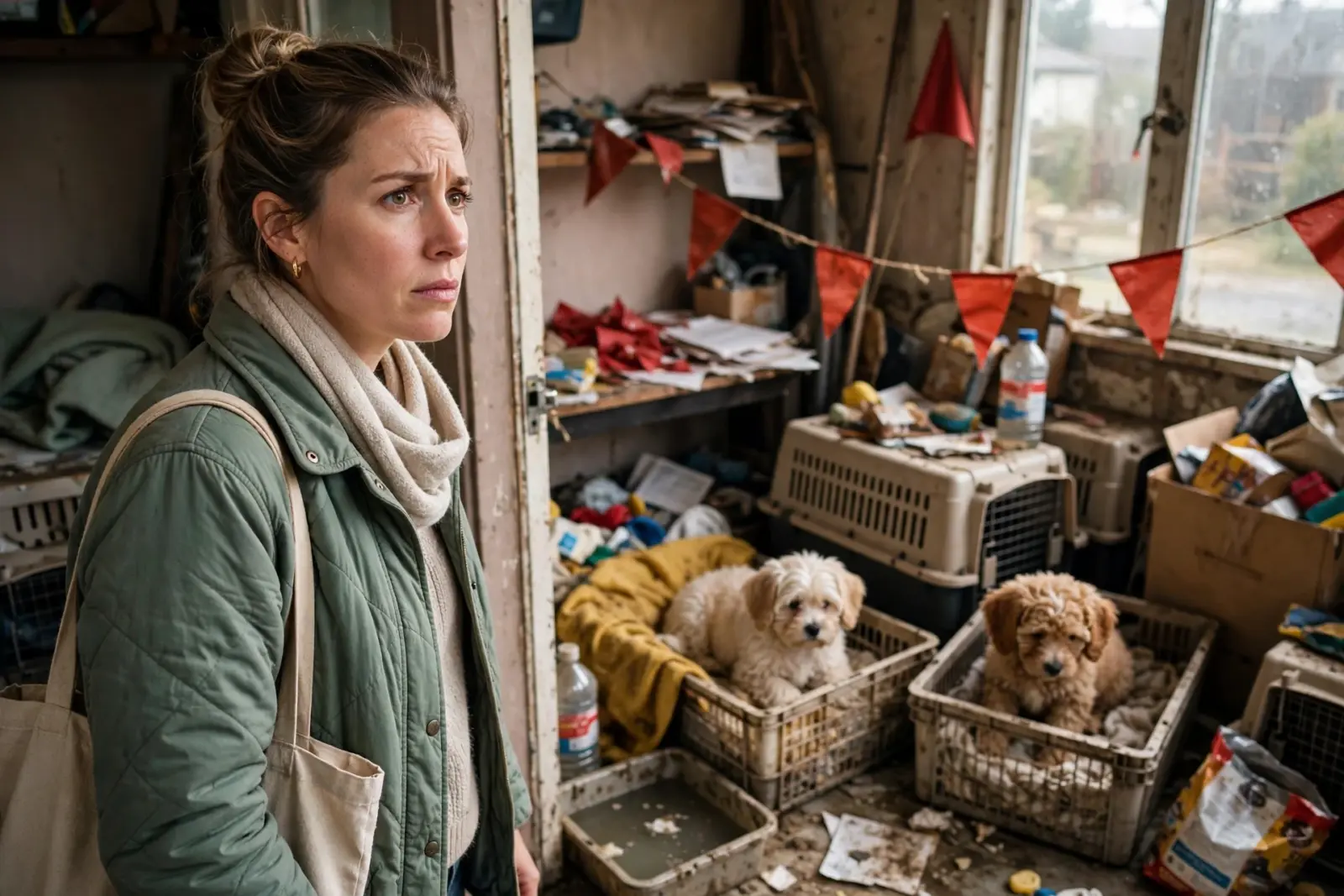
The core problem is simple: scammers copy real breeders’ photos, post them on classified sites and social media, and pressure you to pay fast. Some also run “puppy scams” with fake shipping stories, claiming a flight or crate fee on top of the price. By the time you ask questions, your money is gone.
This guide shows you how to separate real listings from fake ones before any cash changes hands. You will learn the warning signs that appear in nearly every scam, the questions honest breeders expect, and the steps to verify a Utah breeder’s location and paperwork.
We write from daily work with puppy families in South Jordan, Utah, where our small program raises Havanese, Havapoo and Cavapoo puppies on an application basis. We see how buyers get burned and what a legitimate process looks like from the inside. Use that checklist mindset no matter where you shop, because a careful hour of checking protects both your wallet and your future puppy.

Fake puppy listings in Utah rely on urgency, so slow down before you send money. Ask for a live video call with the puppy and the breeder together. Request recent photos with a handwritten date. Verify the phone number, address and vet references, and walk away if a seller refuses any of these steps.
When you want a trusted alternative, Sage Puppies does things the opposite way. Cassie Milar runs the program herself from South Jordan, working only with Havanese, Havapoo and Cavapoo puppies, and every match goes through a clear application you can review before reserving. You see the process, the timing and the price up front, so you can skip the worry that fake puppy listings Utah scams create and bring home a puppy raised with real care.
Frequently Asked Questions
Q1: How do I go about spotting fake puppy ads in Utah?
Start with the three checks that catch almost every scam. First, ask for a live video call where the puppy and the breeder appear together, in real time, with no scripted background. Scammers usually refuse, stall with excuses, or send another pre-recorded clip. Second, ask for fresh photos holding a handwritten note with your name and today’s date. Third, verify the seller’s phone number, street address and a vet reference you can call yourself.
Beyond those checks, watch for the pressure pattern. Fake puppy listings Utah buyers report almost always share the same traits: a price well below the normal range for the breed, a demand for a deposit through a payment app, and a story about why you cannot visit in person. Honest breeders welcome visits, expect questions, and never need the deposit in the next hour. If a seller offers to ship a puppy you have never seen, or adds surprise flight and crate fees after you pay, stop the transaction. Walk away and report the ad to the platform where you found it, so the next family does not lose money to the same listing.
Q2: How much should I expect to pay for a puppy from a real Utah breeder?
Prices vary by breed, pedigree and what the program includes, but some figures help you spot a scam. Well-bred Havanese, Havapoo and Cavapoo puppies from established programs typically fall in the low-to-mid four figures. A boutique program that health-tests parents, socializes litters and manages matching personally may charge more than a hobby litter. The exact number matters less than the reasoning behind it.
Scam listings undercut that range on purpose. A $600 Cavapoo with championship bloodlines is not a bargain, it is bait. Real breeders do not sell quality puppies at a fraction of their cost, because vet care, quality food, health testing and proper raising cost real money. Ask the seller what the price includes: vaccinations, microchip, vet exam, health records and a written agreement should all be part of the deal. At Sage Puppies, for example, the published price range covers the full process and is shared before you apply, so there are no surprise fees later. If any seller hides the total until you are emotionally invested, treat that as a red flag.
Q3: What payment methods are safe, and which ones should I never use?
Use payment methods that leave a paper trail and offer some recourse. A credit card is the safest choice, because you can dispute a charge if the puppy never arrives. Some buyers also use escrow-style services designed for pet purchases, where funds are released only after you take possession. A legitimate breeder will accept these options without complaint.
Avoid payment apps like Zelle, Venmo, Cash App, and anything involving gift cards, wire transfers or cryptocurrency. These transfer money instantly and irreversibly, which is exactly why scammers demand them. Common excuses include “the app is down for our business account” or “we only take deposits this way.” A real breeder is not in that much of a hurry. Another warning sign: a seller who asks for a deposit before you have spoken by phone or video. Never pay based on photos alone, and never let anyone rush you past the point where you could stop and think. If a seller refuses every traceable method, you have your answer about what happens after they get your money.
Q4: Can scammers really fake video calls and live puppy photos?
Yes, and they get better at it every year. Pre-recorded video clips of puppies are easy to find and easy to replay on a small screen, and some scammers use basic face-swap filters or borrow footage from real breeders’ social accounts. A few seconds of lag, odd lighting, or a video where the puppy never quite interacts with the person can all be signs of a replayed clip.
You can protect yourself with requests a replayed video cannot satisfy. Ask the seller to hold up a specific number of fingers, say today’s date out loud, or move the camera to show a window or an object you name. Ask them to put a written sign with your name next to the puppy. A real breeder finds these requests normal and even reassuring. Also check whether the photos appear elsewhere online by running a reverse image search, which takes under a minute and frequently exposes stolen pictures from breeder websites hundreds of miles away. When a video call feels scripted, stop and re-verify everything from the start.
Q5: What should a legitimate Utah breeder’s paperwork look like?
Expect a written purchase agreement, dated vaccination and deworming records from a licensed veterinarian, and documentation of the parents’ health testing. Depending on the breed and registry, you may also see registration papers or a written explanation of when they will arrive. The agreement should state the price, what happens if the puppy becomes ill shortly after pickup, and any return or rehoming terms. Read it before you pay, not after.
Ask to see the vet records directly from the clinic if you have doubts; a real breeder can give you the clinic’s name and phone number. Be careful with certificates that look official but name a vet you cannot verify, or “health guarantees” with no terms attached. A promise in a text message is not a contract. Keep in mind that no honest breeder guarantees a puppy will never get sick or that any dog is completely hypoallergenic; the guarantees that matter are about the parents’ testing, the puppy’s vet care so far, and the breeder’s support if problems come up.
Q6: How can I verify that a breeder is actually located in Utah?
Check the address against public records rather than trusting what the listing says. Search the street address on a map service and use satellite view; a residential neighborhood fits a home-based breeder, while an empty lot or a shipping warehouse does not. Call the local veterinarian the breeder names and confirm the clinic exists and treats that breeder’s dogs. You can also check Utah’s business registry for the breeder’s registered entity, which takes a few minutes and catches sellers using borrowed identities.
Then confirm the story matches the location. If a seller claims to be in Provo but asks you to meet a “transport driver” in another state, or says the puppy must fly because “we just moved,” treat it as a scam pattern. Real local breeders invite you to visit the home where the puppies live, or at minimum offer a video tour of that specific space. Family-raised programs are usually proud to show where the litter sleeps, eats and plays. If every excuse keeps the location vague, the location probably does not exist.
Q7: I already sent a deposit to a scam listing. What should I do now?
Act fast, because your options shrink with every hour. First, contact your bank or payment provider and request a dispute or fraud claim; card payments offer the best chance of recovery, while payment apps rarely reverse transfers. Save every message, photo, receipt and phone number as evidence before the listing disappears. Second, report the scam to the Federal Trade Commission at ReportFraud.ftc.gov, to the FBI’s Internet Crime Complaint Center, and to the platform where the ad ran. Utah consumers can also contact the Utah Division of Consumer Protection.
Third, protect yourself from the follow-up scam. Scammers sometimes contact victims again, claiming the puppy is “at the airport” and needs a few hundred more dollars for a crate, insurance or temperature-controlled fees. There is no puppy. Never send additional money to retrieve a payment already made. Finally, warn others: post the details in local Facebook groups and neighborhood apps where the ad appeared. Most puppy scam victims never report the loss, which lets the same photos and same fake story keep working on the next searching family.
Q8: Are breeded-puppy sites with applications safer than classified ads?
Generally, yes, and the difference comes down to process. Classified sites let anyone post a photo and a price, so the burden of verification falls entirely on you. Programs with a written application flip that around: the breeder screens buyers, documents the process, and stakes their reputation on every match. An application, a clear price, and an owner you can reach by name and phone are all signals of a program planning to exist next year.
That said, apply the same checks everywhere, because scammers have started copying application-based websites too. Verify the address, the vet reference and the people behind the program before paying anything. Look for real photos of the same facility over time, named staff, and reviews you can trace to actual families. If a site checks those boxes, you get the benefits of a careful process without doing detective work on every listing. If it does not, the application form is just window dressing on the same old scam.
Conclusion
Spotting fake listings comes down to a handful of habits you can repeat every time. Ask for a live video call with the puppy and breeder together. Request fresh photos with a handwritten note showing your name and the date. Reverse image search the pictures, verify the address and vet reference, and pay only with methods that leave a paper trail. Pressure, payment apps and too-good prices are the three signals that matter most.
The pattern holds whether you are looking at classified ads or polished websites, because scammers copy the careful programs as often as the careless ones. What separates the real from the fake is rarely a single detail. It is whether every check comes back clean and whether the seller welcomes your questions instead of rushing past them.
Utah families have an advantage here: many breeders are local, so a visit or a video tour of the actual home is a reasonable ask, and our guide on how to screen Utah puppy breeders locally walks through that process step by step.
A real breeder shares the price before you apply, documents vet care in writing, and plans to be reachable long after pickup day. Hold every listing to that standard, and the fakes fall away on their own.