Puppy Travel • Delivery & Pickup
Flying with a puppy can be a smooth experience when the plan is calm, realistic, and organized before travel day. Sage Puppies is based in South Jordan, Utah, and many families outside Utah coordinate puppy delivery, pickup, or travel plans as part of go-home day. This guide explains what families should know before flying with a puppy, including carrier setup, timing, supplies, airport routines, and what to do once your puppy arrives home.
Flying with a puppy at a glance
Flying with a puppy is not just about buying a plane ticket. It involves airline rules, carrier size, timing, puppy readiness, airport handling, bathroom planning, and the first few hours after arrival. The best travel day is simple, quiet, and built around your puppy’s comfort.
| Travel step | What matters most | Family action |
|---|---|---|
| Before booking | Confirm timing, puppy readiness, airline pet rules, and whether flying is the best option. | Coordinate with Sage Puppies before finalizing travel plans. |
| Carrier setup | Your puppy needs a safe, comfortable, airline-compliant carrier. | Choose a soft-sided carrier that matches your airline’s requirements. |
| Travel day | Keep the routine calm, minimize public exposure, and avoid overhandling. | Bring a simple puppy travel kit and stay flexible. |
| Arrival home | Your puppy needs potty rhythm, water, rest, and a quiet first evening. | Skip the welcome party and focus on settling in. |
First, decide whether flying is the right choice
Flying can be a practical option for some families, especially when travel is direct, timing is simple, and the puppy can stay safely with you in the cabin. But it is not always the best choice. Some routes, layovers, schedules, and family logistics make coordinated puppy delivery or local pickup a better fit.
Before booking a flight, review your full go-home plan. Consider your travel distance, the puppy’s age and readiness, the number of connections, time in the airport, airline rules, your comfort handling a puppy in a busy environment, and what happens after you land.
If travel feels complicated, start with our puppy delivery and pickup information. The right choice is the one that protects the puppy’s comfort and gives your family a clear, calm transition.
Before booking your flight
Do not book flights before go-home timing is confirmed. Puppies develop on their own timeline, and the travel plan should never be rushed. Once the timing is clear, choose the simplest itinerary possible and confirm every pet-related detail directly with your airline.
Confirm the airline’s puppy rules
Every airline has its own pet travel rules. Before booking, check the airline’s requirements for in-cabin pet reservations, carrier dimensions, weight limits, health documentation, fees, route restrictions, and whether pets are allowed on your specific flight.
Choose the simplest flight plan
Direct flights are usually easier than complicated connections. If a direct flight is not possible, look for the simplest route with enough time to move calmly between gates. Avoid tight layovers, late-night stress, and travel plans that require rushing.
Reserve the puppy’s cabin spot early
Do not assume that buying your own seat automatically reserves space for a puppy. Airlines usually limit the number of in-cabin pets per flight. Confirm the pet reservation directly with the airline before finalizing your plan.
Coordinate timing with Sage Puppies
Sage Puppies can help you think through travel day, pickup timing, delivery options, and what your puppy will need during the transition. If you are still early in the process, begin with the puppy application so fit, timing, and next steps are clear.
What kind of carrier should you use?
Your puppy’s carrier is one of the most important parts of flying with a puppy. Choose a soft-sided, well-ventilated carrier designed for airline travel and confirm that it fits your airline’s under-seat requirements. The carrier should be secure, comfortable, and easy for you to manage through the airport.
- Soft-sided structure: Usually easier for under-seat placement than a hard crate.
- Good ventilation: Mesh panels help airflow and allow your puppy to see out.
- Secure closures: Zippers, seams, and entry points should be sturdy.
- Washable base: A removable liner or washable mat makes cleanup easier.
- Correct size: The puppy should fit safely and comfortably while still meeting airline rules.
- Easy carrying: Shoulder straps or handles should be comfortable for airport walking.
Do not wait until the airport to test the carrier. Practice opening, closing, carrying, and placing supplies inside before travel day. The more familiar the setup is to you, the calmer the day will feel.

What to pack when flying with a puppy
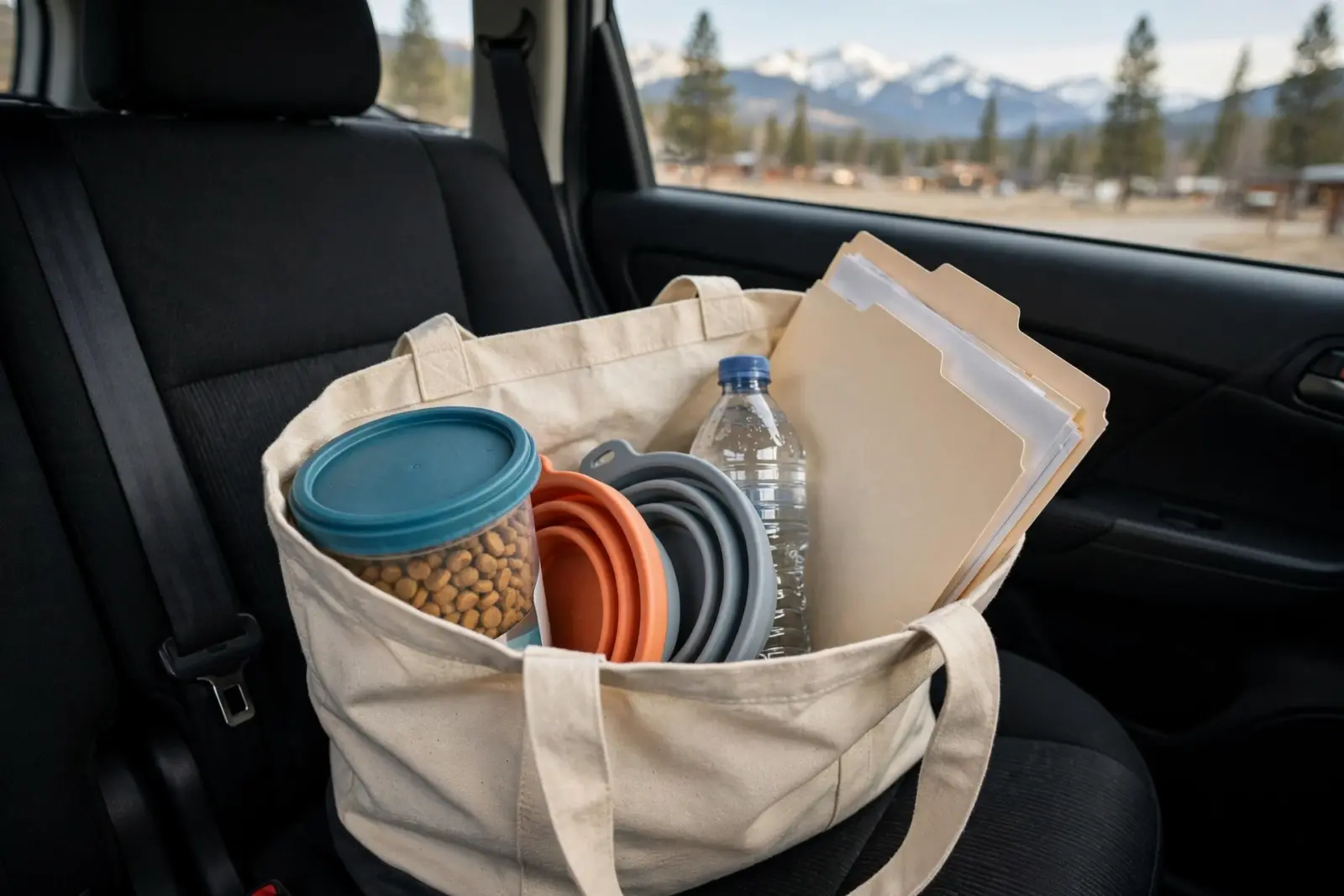
Your travel kit should be useful but not overpacked. You want what you need for comfort, cleanup, hydration, and records without making airport movement harder than necessary.
Puppy travel day packing list
- Airline-compliant carrier: Confirm size and rules before your travel date.
- Absorbent carrier pad: Bring one inside the carrier and one backup if possible.
- Small blanket or towel: Helpful for warmth, comfort, and cleanup.
- Wipes and paper towels: Simple cleanup supplies are essential.
- Small trash bags: Useful for used pads or travel messes.
- Collar or harness and leash: Use for controlled handling only; avoid busy public dog areas.
- Water and small bowl: Offer water when appropriate, especially after travel.
- Food or small portion of food: Follow the feeding guidance provided for your puppy.
- Records and notes: Keep puppy paperwork easy to access.
- Quiet chew or comfort item: Keep it safe, simple, and appropriate for supervised travel.
Airport handling tips
Airports are busy, loud, and full of unfamiliar smells. Your puppy does not need to meet strangers, walk on public floors, or be passed around. The safest airport plan is calm, contained, and low-contact.
Keep your puppy contained
Use the carrier as the puppy’s safe space. Avoid unnecessary handling in crowded areas. Your puppy may be curious, nervous, sleepy, or vocal. Staying calm yourself helps the puppy settle.
Limit exposure to public dog areas
Public pet relief areas, airport floors, and heavily used outdoor spaces may not be ideal for a young puppy. Follow your veterinarian’s guidance and keep your puppy’s vaccine status in mind when deciding where and how to offer potty breaks.
Give yourself extra time
Rushing makes everything harder. Build in enough time for check-in questions, security, carrier handling, bathroom breaks for yourself, and unexpected delays. A calmer adult usually means a calmer puppy.
Stay polite and prepared
Airline and airport staff may ask about the carrier, pet reservation, or documentation. Keep your details easy to access and stay flexible if they give instructions during boarding or seating.
During the flight
Most travel-day success comes from keeping expectations realistic. A puppy may sleep, wiggle, whine, or need reassurance. The goal is not perfection. The goal is safe, calm travel with minimal disruption.
- Keep the carrier secure: Follow airline instructions for where the carrier must stay during the flight.
- Use a calm voice: Soft reassurance can help without creating extra excitement.
- Avoid overfeeding: Follow the feeding plan so your puppy is comfortable during travel.
- Watch temperature and comfort: Keep the puppy out of harsh drafts, direct heat, or stressful handling.
- Expect some noise: A little whining or restlessness can be normal during a major transition.
What to do after landing
After landing, your puppy may need water, a potty opportunity, and quiet. Avoid turning arrival into a busy social event. Your puppy has had a full day of new experiences and needs a gentle transition into your home or hotel.
Keep the first stop simple
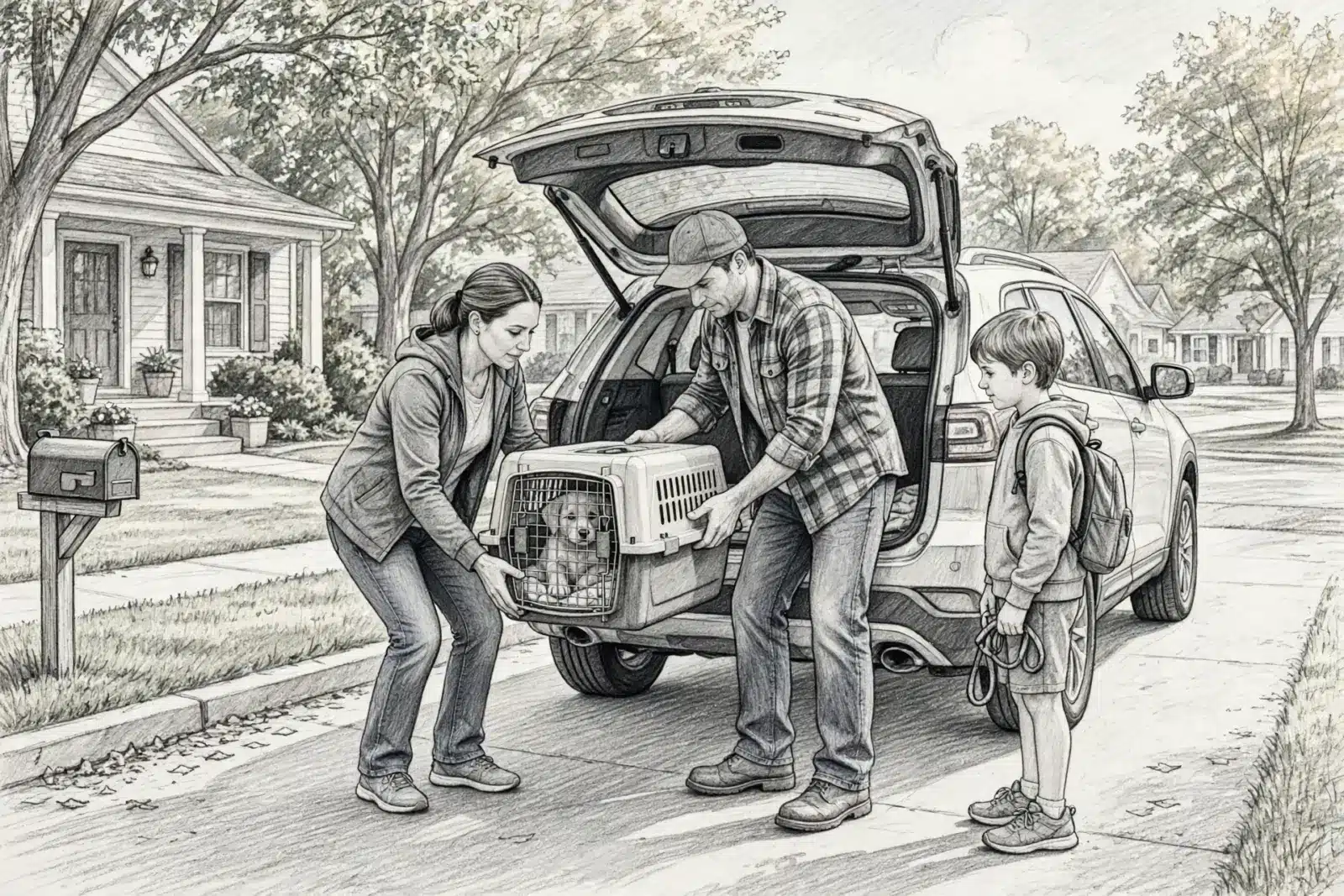
If you are driving home from the airport, keep the ride calm and direct. If you are staying overnight, choose a quiet setup where your puppy can rest safely in a crate, carrier, or pen.
Offer water and potty rhythm
Offer water after travel and begin your potty routine as soon as practical. Keep potty trips quiet and consistent. Praise success without turning every trip into high-energy play.
Plan a quiet first evening
Your puppy does not need visitors, errands, or a busy family gathering immediately after flying. A simple evening with food, water, potty breaks, gentle bonding, and sleep is usually better.
When delivery may be better than flying
Flying with a puppy can work well for some families, but delivery may be a better fit when travel is complicated. If your route includes multiple connections, difficult timing, long airport waits, or a family schedule that makes travel stressful, ask about delivery and pickup options before committing.
Many Sage Puppies families live outside Utah, so national puppy delivery planning is a normal part of the process. The goal is not just getting the puppy from one place to another. The goal is a safe, thoughtful go-home plan that supports the puppy and the family.

Breed notes for travel day
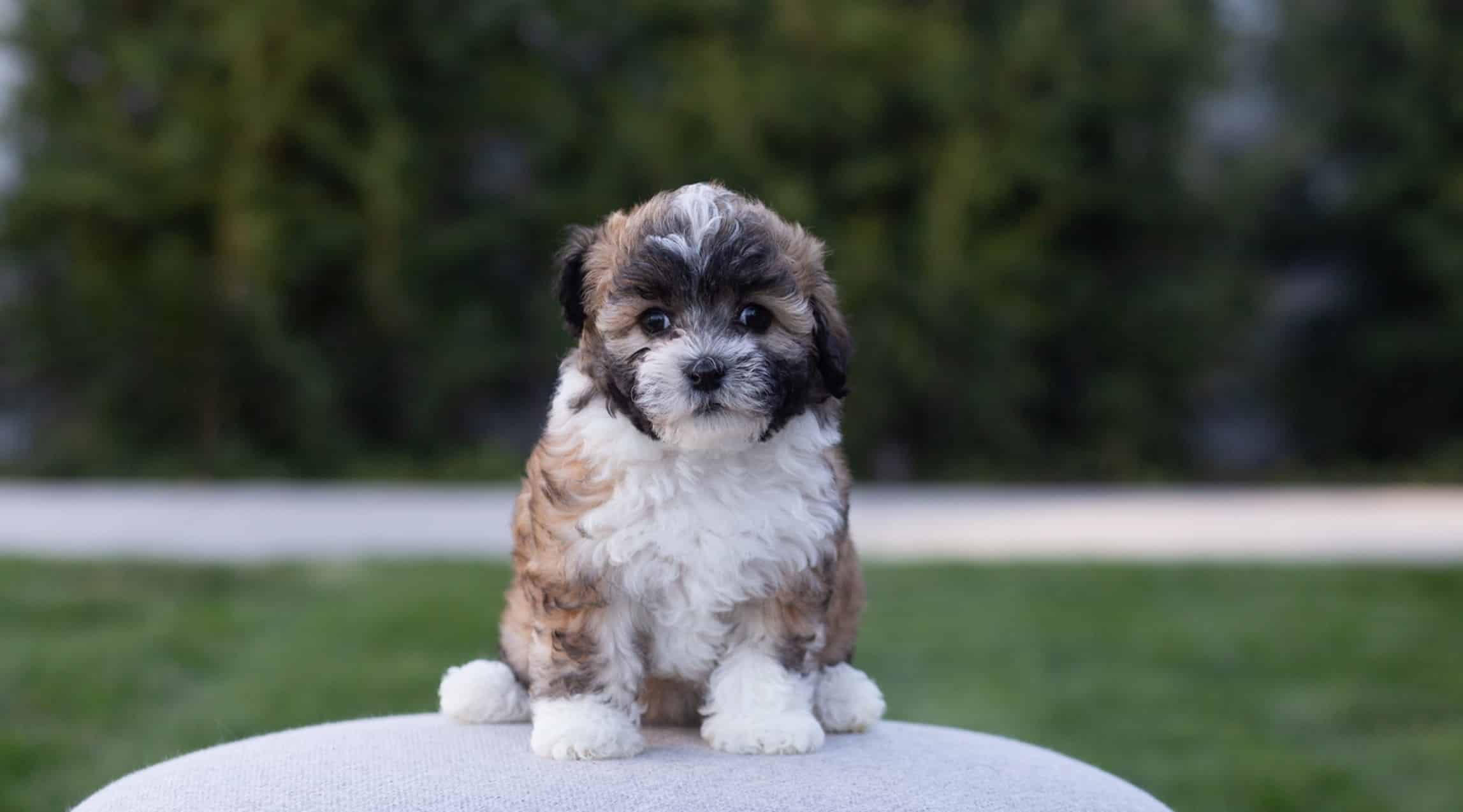
Every puppy is an individual, but Havanese, Havapoo, and Cavapoo puppies are all companion-focused small dogs. Travel day should be gentle, reassuring, and structured around rest.
Havanese puppies
Havanese puppies are often affectionate and people-oriented. During travel, they may appreciate calm closeness and a predictable carrier setup.
Havapoo puppies
Havapoo puppies are often bright and social. A simple routine, quiet reassurance, and a comfortable carrier can help keep the day manageable.
Cavapoo puppies
Cavapoo puppies are often gentle and family-focused. They usually do best when travel day avoids overstimulation and gives them time to settle after arrival.
Travel-day mistakes to avoid
Most puppy travel issues come from rushing, overhandling, or assuming the day will work itself out. A little preparation prevents a lot of stress.
- Booking too early: Wait until go-home timing is confirmed before finalizing travel.
- Ignoring airline pet rules: Confirm the pet reservation, carrier requirements, and documentation directly with the airline.
- Using the wrong carrier: Do not assume any small bag will work for in-cabin travel.
- Letting the puppy walk in busy public areas: Keep exposure limited and follow your veterinarian’s guidance.
- Overplanning arrival day: Keep the first evening quiet and simple.
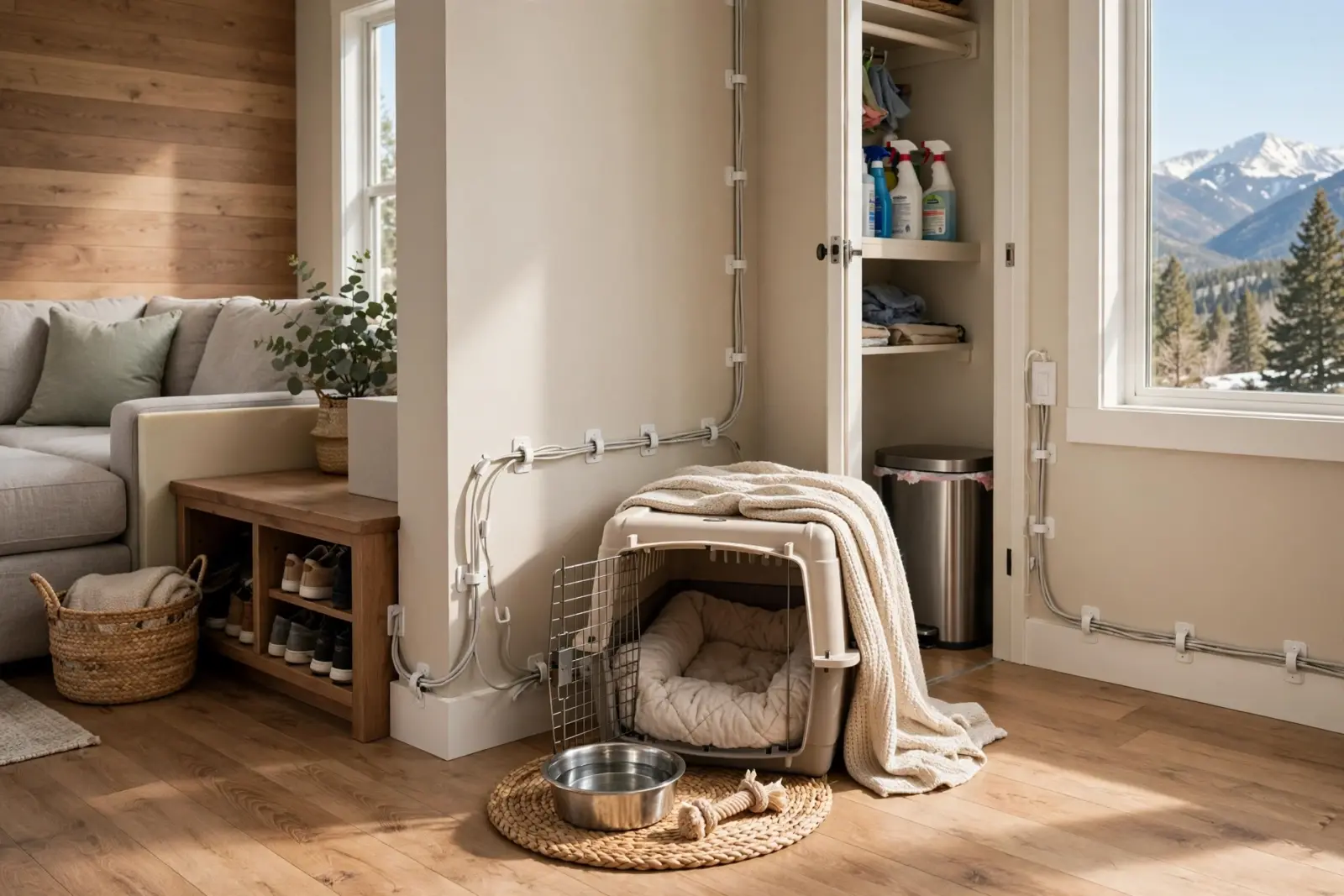
- Skipping the first-night plan: Have the crate, potty area, water, food, and cleanup supplies ready before you arrive.
Helpful next steps
- View current and upcoming available puppies.
- Submit the puppy application when you are ready to move forward.
- Review pricing and reservation details.
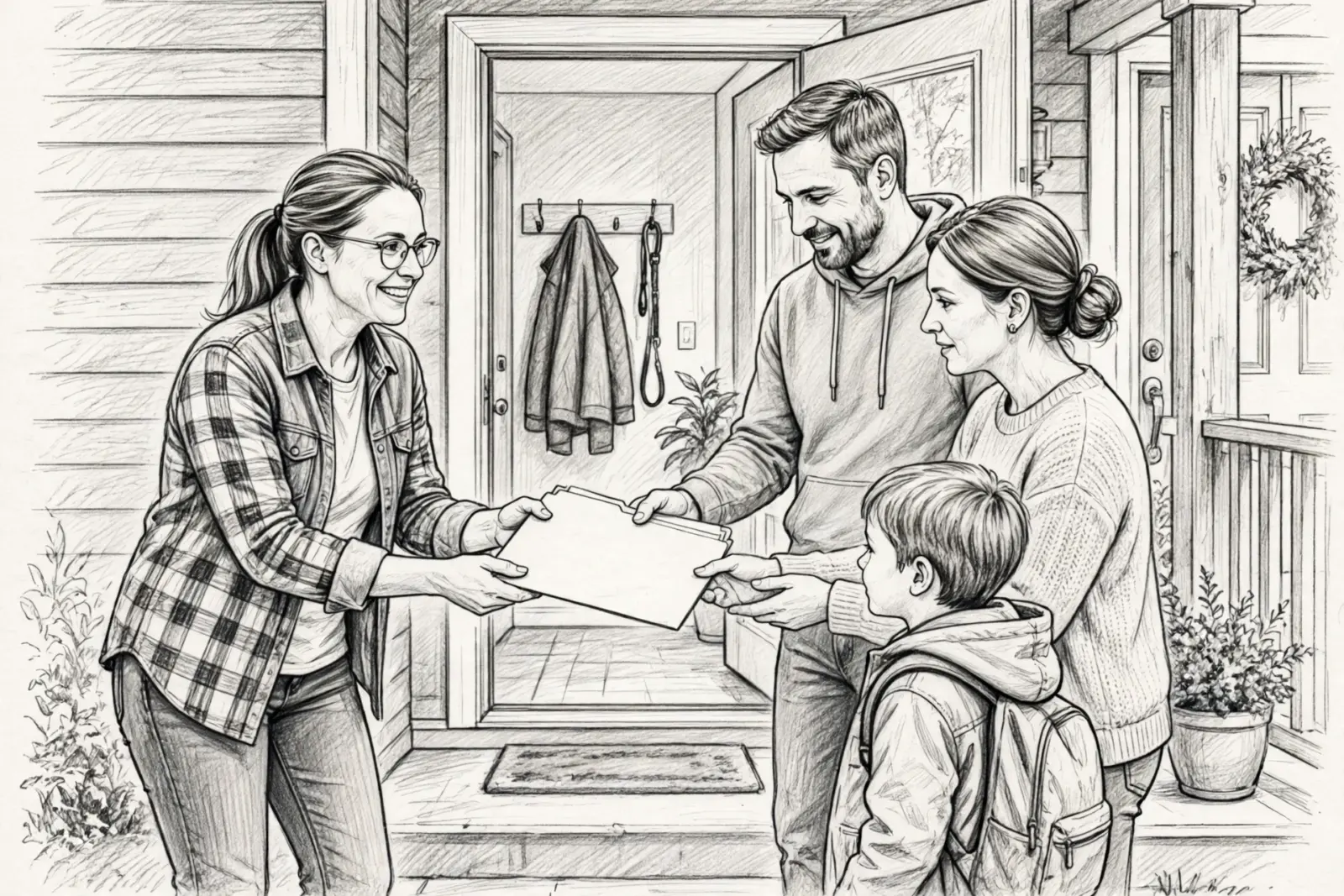
- Learn more about puppy delivery and pickup options.
- See how the Sage Puppies process works.
- Compare Havanese, Havapoo, and Cavapoo puppies.
Flying with a puppy FAQ
Can I fly with a puppy in the airplane cabin?
Many families are able to fly with a small puppy in the cabin, but airline rules vary. Confirm pet reservations, carrier requirements, fees, route restrictions, and any documentation directly with your airline before booking.
What kind of carrier should I use when flying with a puppy?
Use a secure, soft-sided, well-ventilated carrier designed for airline travel. Confirm the exact size and under-seat requirements with your airline before travel day.
Should my puppy walk through the airport?
In most cases, it is better to limit contact with airport floors, public pet relief areas, and heavily used dog spaces. Follow your veterinarian’s guidance and keep your puppy’s vaccine plan in mind.
What should I pack for puppy travel day?
Bring an airline-compliant carrier, absorbent pads, a towel or blanket, wipes, paper towels, small trash bags, water, a small bowl, any needed food, and easy-to-access puppy records.
What if my puppy whines during the flight?
Some whining or restlessness can be normal during a major transition. Stay calm, use soft reassurance, avoid overhandling, and keep the carrier secure according to airline instructions.
Should I feed my puppy before flying?
Follow the feeding guidance provided for your puppy and avoid sudden changes. Travel can affect appetite and comfort, so keep the plan simple and ask your veterinarian if you have concerns.
Is delivery better than flying to pick up a puppy?
It depends on the family, location, timing, and travel route. Delivery may be better when flights are complicated or stressful. Local pickup or flying may work well when timing is simple and the puppy can travel safely and calmly.
Planning puppy travel or delivery?
The best travel day starts with a clear puppy match, confirmed timing, and a calm go-home plan. Review available puppies, compare our breed pages, then apply when you are ready to discuss fit, timing, pickup, or delivery.